
In an increasingly data-driven world, the seemingly simple act of taking a nap has become a subject of intense scrutiny, analysis, and optimization, largely propelled by advancements in technology. What once was a subjective period of rest, often defined by an individual’s personal feeling of refreshment, is now being dissected by algorithms, monitored by wearables, and influenced by digital tools. To truly understand “what is considered a nap” in the contemporary landscape, one must look beyond the mere act of closing one’s eyes and delve into how technology is redefining its parameters, purpose, and potential.
The Digital Lens on Napping: Defining Sleep Through Tech
The traditional understanding of a nap as a short period of sleep during the day is increasingly being refined by objective data provided by an array of technological devices. This digital lens allows for a more nuanced definition, moving beyond mere duration to encompass sleep stages, physiological markers, and even cognitive impact.
Wearable Technology and Sleep Tracking
Wearable devices, from smartwatches to dedicated sleep trackers, have revolutionized our ability to monitor sleep patterns, including naps. These gadgets typically employ accelerometers, heart rate sensors, and sometimes even electrodermal activity (EDA) sensors to infer sleep stages (light, deep, REM) and duration. For a period of daytime rest to be “considered a nap” by these devices, it often needs to meet certain criteria: a distinct onset of reduced activity and heart rate consistent with sleep, followed by an awakening.
These trackers can differentiate between simply lying down with eyes closed and actually entering a sleep state. They measure sleep latency (how long it takes to fall asleep), efficiency (time spent asleep versus time in bed), and wakefulness events. When applied to daytime rest, this data helps delineate between a meditative state, a period of quiet wakefulness, and an actual nap where measurable physiological changes indicative of sleep have occurred. For instance, a 20-minute power nap, as identified by a wearable, might show a clear dip into light sleep, validating its status as a nap rather than just a moment of rest. The insights provided go beyond simple duration, revealing the quality of the nap and its alignment with restorative sleep principles.
AI and Algorithmic Insights into Naps
Beyond raw data collection, Artificial Intelligence and sophisticated algorithms are playing a pivotal role in interpreting and defining what constitutes an effective nap. AI-driven platforms analyze vast datasets from millions of users, identifying correlations between nap parameters (duration, timing, sleep stages) and subsequent cognitive performance, mood, and overall well-being.
These algorithms can discern personalized optimal nap windows, recommend ideal nap durations based on an individual’s circadian rhythm and prior sleep debt, and even predict the likely restorative benefits of a particular nap. For example, an AI might determine that for a specific user, a 25-minute nap commencing between 1 PM and 2 PM that includes a minimal amount of slow-wave sleep is consistently associated with improved alertness and focus in the afternoon. This shifts the definition of a “nap” from a generic daytime sleep to a highly individualized, algorithmically optimized, and validated period of rest designed for specific outcomes. AI can also help filter out false positives from sleep tracking data, distinguishing between periods of immobility and genuine sleep episodes, further sharpening the technological definition of a nap.
Optimizing the Nap Experience with Smart Tools
The technological revolution isn’t just defining naps; it’s actively shaping how we experience and optimize them. A plethora of smart tools and applications are designed to guide users into, through, and out of napping periods, ensuring maximum restorative benefit.
Apps for Guided Napping and Sleep Cycles
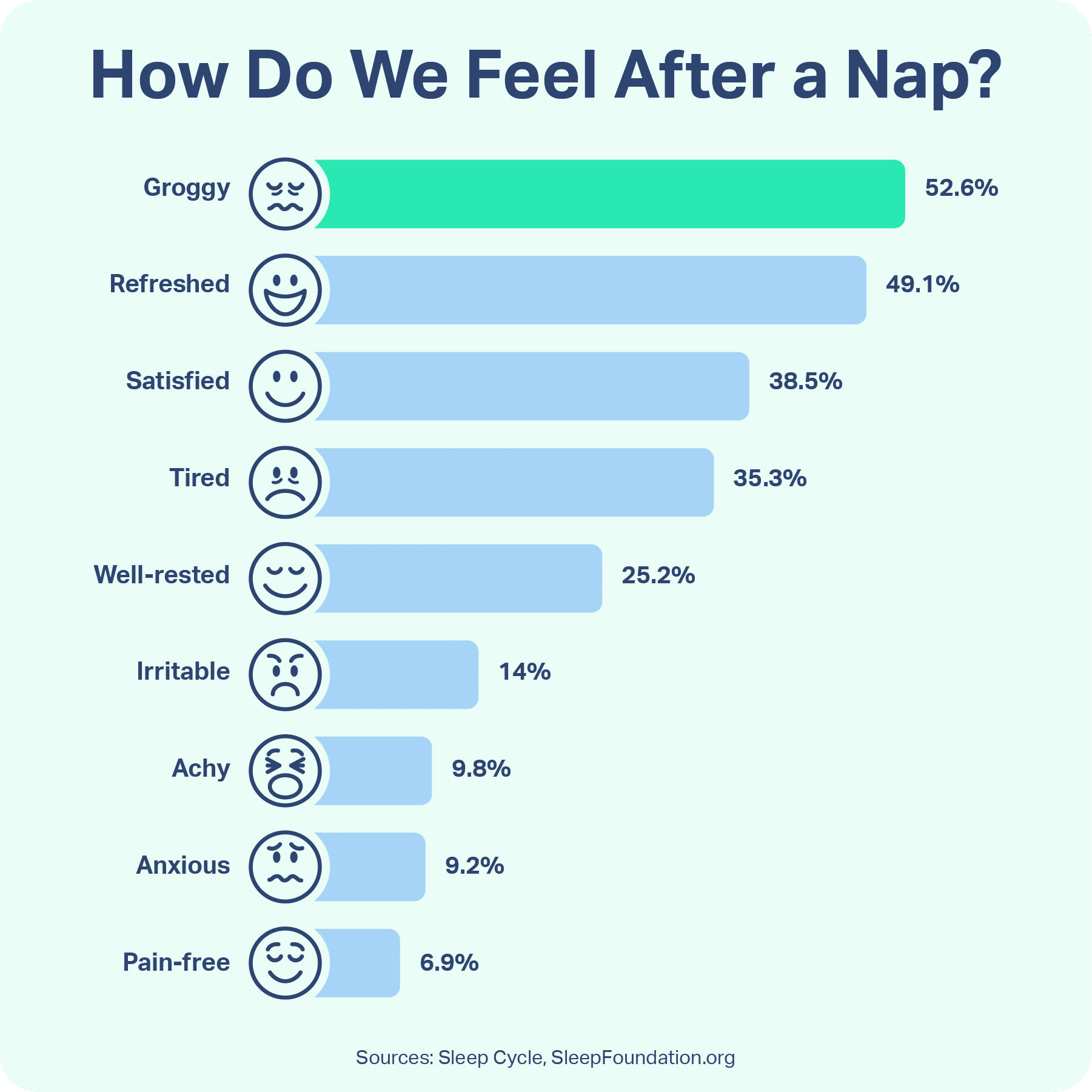
Mobile applications specifically designed for napping leverage scientific understanding of sleep cycles to facilitate more effective rest. These apps often feature intelligent alarms that wake users during a period of light sleep, preventing the grogginess associated with waking from deep sleep – a phenomenon known as sleep inertia. By tracking estimated sleep stages using subtle movements or heart rate variations (sometimes integrating with wearable data), these apps aim to optimize the timing of awakening to coincide with the end of a complete short sleep cycle or a period of light sleep.

Furthermore, many napping apps provide guided meditations, ambient soundscapes, or binaural beats designed to help users fall asleep faster and achieve deeper states of relaxation quickly. Some advanced apps even suggest optimal nap durations (e.g., 20 minutes for a power nap, 90 minutes for a full sleep cycle nap) based on individual user data, helping users strategically plan their rest periods to align with their daily schedules and desired outcomes. The “nap” in this context is no longer a spontaneous event but a carefully managed physiological intervention, guided by software.
Smart Home Integration for the Ideal Nap Environment
The physical environment profoundly impacts the quality of a nap, and smart home technology is increasingly being deployed to create optimal conditions. Integrated smart home systems can be programmed to transform a room into an ideal napping sanctuary with a single command or automated schedule.
This includes:
- Smart Lighting: Automatically dimming lights to an amber hue or switching them off completely, mimicking dusk to signal to the body that it’s time to rest. Smart blinds or shades can also be programmed to block out natural light.
- Climate Control: Adjusting smart thermostats to a preferred sleeping temperature (often cooler than ambient daytime temperatures) conducive to falling and staying asleep.
- Sound Management: Utilizing smart speakers to play white noise, nature sounds, or calming music at appropriate volumes, or even to activate noise-canceling features in a smart bedroom setup.
- Smart Beds and Pillows: Advanced beds can adjust firmness, elevation, and even temperature, while smart pillows can track head position and provide gentle vibrations to encourage optimal sleep posture.
By leveraging these interconnected technologies, the act of “taking a nap” becomes an orchestrated experience, where the environment itself is a participant in maximizing restorative potential. The definition of a nap expands to include the deliberate creation of a tech-enhanced micro-environment designed for efficient rest.
The Evolving Definition: How Tech Shapes Our Understanding
Technology is not merely providing tools for napping; it is fundamentally altering our conceptual understanding of what a nap entails and its role in human performance and well-being.
From Anecdote to Data-Driven Napping
Historically, the benefits and optimal practices of napping were largely based on anecdotal evidence, personal experience, or limited clinical studies. Individuals would “feel” whether a nap was good or bad, without objective metrics to back up their perceptions. Technology has transformed this subjective assessment into a data-driven science.
Wearable data, combined with AI analytics, can now correlate specific nap characteristics (duration, timing, sleep stages) with tangible outcomes such as improved reaction time, enhanced memory recall, reduced stress levels, or increased productivity. This empirical evidence validates the specific attributes that “make” a nap, moving it from a general term for daytime sleep to a precise, measurable physiological event with predictable effects. For instance, if data consistently shows that a 30-minute nap including 10 minutes of deep sleep significantly boosts an individual’s problem-solving ability, then that specific profile becomes the technological definition of an “effective nap” for that individual. This precision allows individuals and even organizations to strategically integrate napping into daily routines based on measurable benefits.
Future Trends in Nap Technology
The definition of a nap will continue to evolve as technology advances. Future trends point towards even more immersive and personalized napping experiences, further blurring the lines between conscious rest and optimized sleep.
Consider:
- Neurofeedback Napping: Devices that use EEG sensors to monitor brainwave activity in real-time, providing auditory or haptic feedback to guide users into specific brain states conducive to restorative napping or even targeted memory consolidation during a nap.
- Personalized Pharmacological Napping Aids: While not strictly tech, advancements in personalized medicine combined with AI could lead to customized, low-dose supplements administered via smart dispensers to aid optimal nap induction and waking, tailored to an individual’s unique neurochemistry.
- Virtual Reality (VR) Napping Environments: Immersive VR experiences that simulate calming environments, reducing external stimuli and creating a mental escape specifically designed to facilitate rapid sleep onset and deep relaxation, even in otherwise noisy or stressful surroundings.
- Predictive Napping Algorithms: AI that not only analyzes past sleep data but also integrates real-time physiological markers, daily schedules, upcoming cognitive demands, and even genetic predispositions to predict the optimal time and duration for a nap before a person even feels tired, proactively preventing fatigue and optimizing performance.
In this future, “what is considered a nap” will not just be a period of daytime sleep, but a highly curated, technologically mediated, and biologically optimized intervention, precisely tailored by digital systems to enhance human performance and well-being. The definition will shift from a general description of a state to a prescriptive outline of an engineered process.
aViewFromTheCave is a participant in the Amazon Services LLC Associates Program, an affiliate advertising program designed to provide a means for sites to earn advertising fees by advertising and linking to Amazon.com. Amazon, the Amazon logo, AmazonSupply, and the AmazonSupply logo are trademarks of Amazon.com, Inc. or its affiliates. As an Amazon Associate we earn affiliate commissions from qualifying purchases.