
The concept of a “living wage” has become a cornerstone in discussions about economic justice, personal financial stability, and the overall well-being of societies. Far beyond merely meeting basic subsistence, a living wage is fundamentally about affording individuals and families a dignified standard of living. It represents the income necessary for a worker to cover their essential needs without relying on public assistance or falling into poverty. Understanding what constitutes a living wage is crucial for personal financial planning, budgeting, and advocating for a more equitable economic landscape.
Defining the Foundation: More Than Just the Minimum
At its core, a living wage is an income threshold that allows an individual, and often their family, to meet their basic needs and participate fully in society. It’s not a static figure but a dynamic calculation that reflects the true cost of living in a specific geographical area.

The Core Concept of a Living Wage
A living wage encompasses the funds required to cover basic necessities such as housing, food, healthcare, transportation, and other essential expenses without experiencing financial hardship. It aims to provide enough income not just for survival, but for a modest yet comfortable existence, allowing for some discretionary spending, savings for emergencies, and participation in community life. The underlying principle is that full-time work should enable a person to escape poverty and live with dignity, rather than merely surviving paycheck to paycheck. This includes the ability to afford necessary goods and services, maintain a reasonable standard of health, and provide for children if applicable.
Distinguishing from Minimum Wage
While often conflated, the minimum wage and a living wage serve different purposes and are calculated using distinct methodologies.
The minimum wage is the lowest hourly wage an employer can legally pay their employees. It is typically set by federal, state, or provincial governments and is often a political compromise, influenced by economic models, business lobby groups, and labor advocacy. Historically, minimum wages were introduced to prevent exploitation and ensure a baseline income, but they are not always tied to the actual cost of living. In many regions, the minimum wage falls short of what’s needed to cover essential expenses, forcing individuals and families to work multiple jobs, rely on public assistance, or live in chronic financial precarity.
In contrast, a living wage is an evidence-based calculation of what individuals and families actually need to earn to cover their basic expenses in a particular community. It is not legally mandated in most places but serves as a benchmark for what is considered a fair and sufficient income. The key difference lies in its objective: the minimum wage is a legal floor, while the living wage is a financial reality check.
The Basket of Essentials: What a Living Wage Covers
To calculate a living wage, economists and researchers compile a comprehensive “basket” of goods and services that are deemed essential for a dignified life. These categories collectively determine the financial threshold required for self-sufficiency.
Housing: The Largest Piece of the Pie
For most households, housing represents the single largest expense. A living wage calculation includes the cost of safe, decent, and affordable housing, whether it’s rent or mortgage payments, including utilities like electricity, heating, water, and internet. This is typically based on the fair market rent for a modest apartment or home in the specific area, considering the number of bedrooms appropriate for a single individual or family. The burden of housing costs can significantly impact a household’s financial stability, making it a critical component of any living wage determination.
Food Security and Nutrition
Access to nutritious food is fundamental to health and well-being. A living wage accounts for the cost of groceries and other food expenses, ensuring that individuals and families can afford a healthy diet without resorting to food banks or making difficult choices between food and other necessities. This component often considers the nutritional needs recommended by health organizations and local food prices.
Healthcare: A Non-Negotiable Expense
Healthcare costs are a significant and often unpredictable burden. A living wage factors in the expenses associated with maintaining health, including health insurance premiums (if not provided by an employer), co-pays for doctor visits, prescription medications, and other out-of-pocket medical expenses. In countries with less comprehensive public healthcare systems, this component can be particularly substantial, highlighting the critical role of affordable healthcare in financial stability.
Transportation and Connectivity
Getting to work, school, and appointments, as well as staying connected in the modern world, are essential. A living wage includes the cost of transportation, whether it’s public transit passes, car ownership (fuel, maintenance, insurance), or ride-sharing services. Additionally, access to communication technologies, such as a basic cell phone plan and internet service, is now considered a fundamental necessity for job searching, education, and maintaining social connections.
Childcare and Education: Investing in the Future
For households with children, childcare and education expenses represent a substantial portion of the budget. A living wage calculation for families must include the often-exorbitant costs of daycare, after-school programs, school supplies, and other educational materials. These costs are vital for parents to be able to work and for children to have access to quality care and learning opportunities, significantly impacting a family’s financial viability.
Other Essential Costs: Personal Care, Savings, and Contingencies
Beyond the major categories, a living wage also accounts for a range of other necessary expenses. These include personal care items (toiletries, hygiene products), clothing, household supplies, and a modest allowance for recreation and cultural participation—allowing for a balanced life beyond just work. Crucially, a living wage also incorporates a small buffer for savings and unexpected emergencies, acknowledging that life inevitably brings unforeseen expenses. This emergency fund is a critical aspect of true financial resilience, preventing individuals from falling into debt at the slightest unforeseen event.
Calculating the Cost of Dignity: Methodologies and Variability
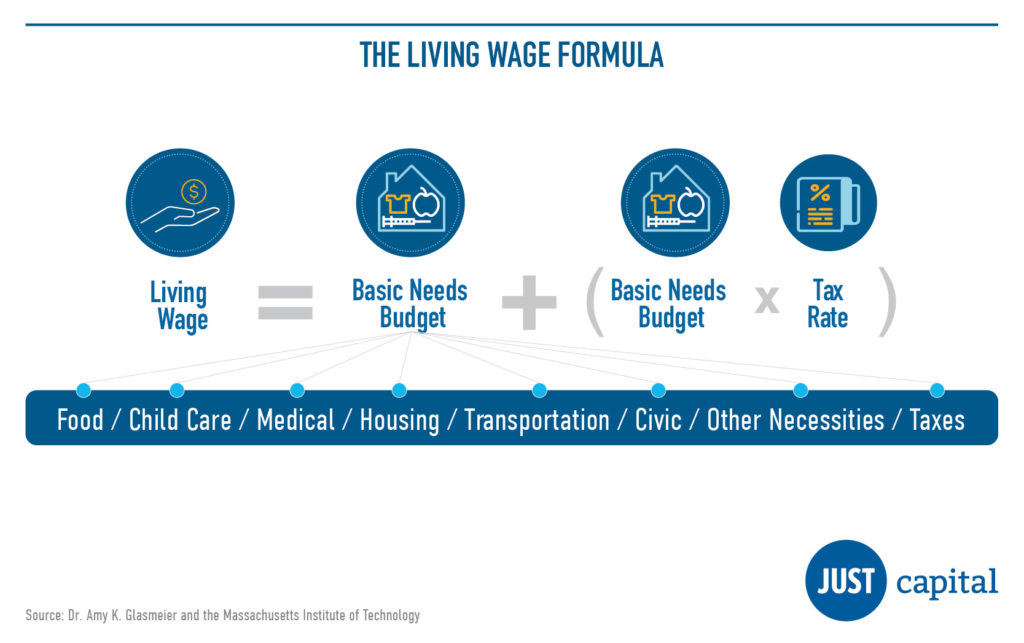
Determining a living wage is a complex process, highly dependent on various factors that differ significantly from one location to another and from one household to the next.
The Geographic Imperative: Location Matters
Perhaps the most significant factor influencing a living wage is geography. The cost of living varies dramatically between urban centers and rural areas, and even between different neighborhoods within the same city. Housing prices, food costs, transportation options, and local taxes all contribute to this variability. What constitutes a living wage in a high-cost metropolitan area like New York City or San Francisco will be vastly different from what’s needed in a small town in a lower-cost state. This necessitates localized data collection and analysis rather than a one-size-fits-all national standard.
Family Size and Composition
A single individual living alone has different financial needs than a single parent with two children, or a two-parent household with one child. Living wage calculations must adjust for family size and composition, taking into account the increased expenses for additional dependents, particularly for childcare, food, and larger housing requirements. Many living wage calculators provide figures for various household types (e.g., one adult, one adult with one child, two adults with two children) to reflect these diverse financial realities.
Popular Calculation Models: A Glimpse into the Data
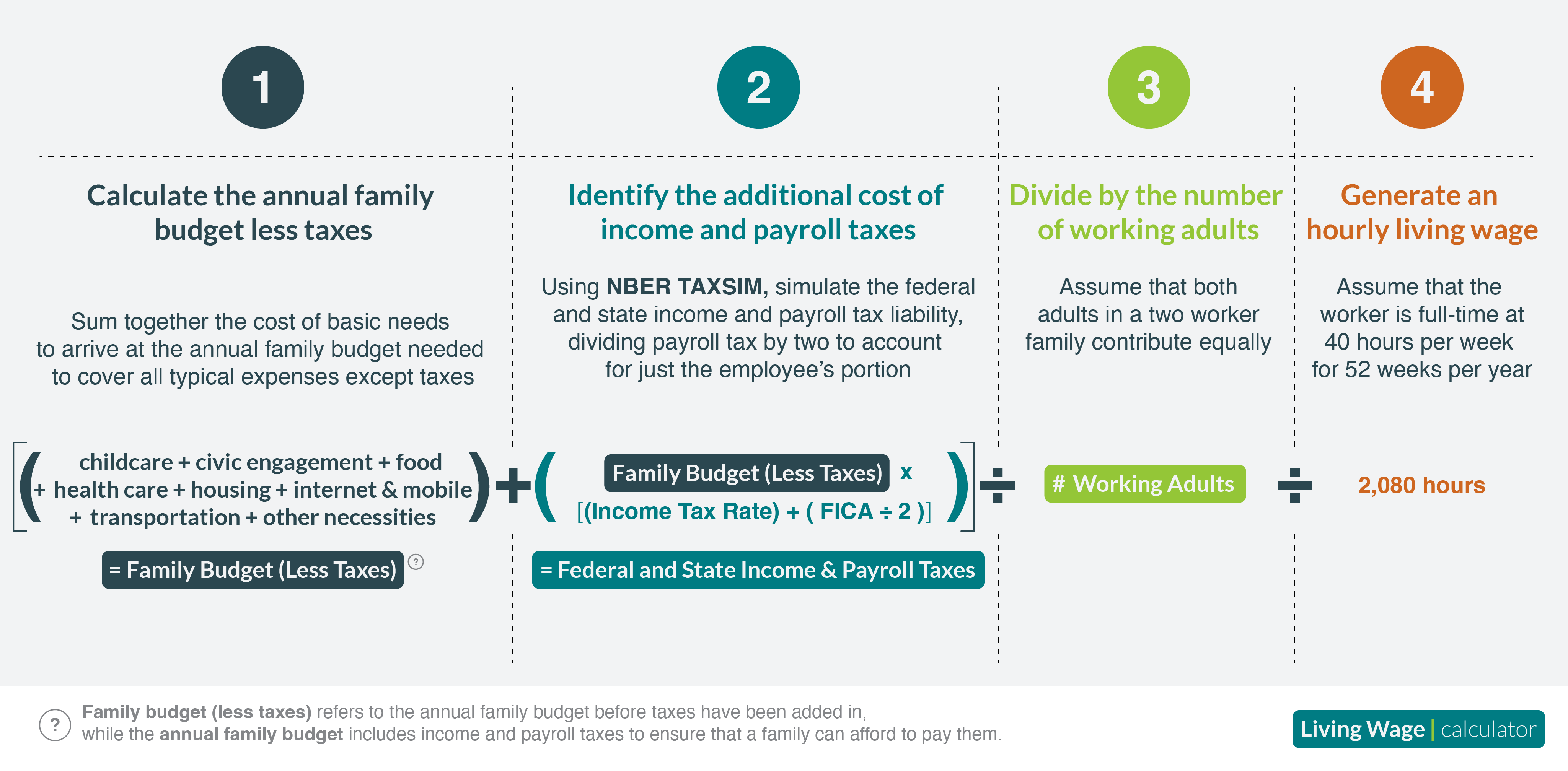
Several reputable organizations and academic institutions conduct detailed living wage research and provide calculators based on their methodologies. One of the most widely cited is the MIT Living Wage Calculator, developed by the Massachusetts Institute of Technology. This tool estimates the local cost of living for various family compositions in every county and metropolitan area across the United States. It aggregates data from government sources and other publicly available information to determine the costs of housing, food, childcare, medical care, transportation, and other necessities.
Other organizations, such as the Economic Policy Institute (EPI), also publish family budget calculators that estimate the income families need to attain a modest yet adequate standard of living. These tools are invaluable for policymakers, employers, and individuals alike, providing concrete data to inform discussions about wage policies and personal financial planning. They highlight the gap that often exists between minimum wage rates and the actual income required for self-sufficiency.
The Broader Ripple Effect: Why a Living Wage Matters
Beyond individual financial security, the widespread adoption and pursuit of a living wage concept can have profound positive impacts on communities and national economies.
Enhancing Individual and Family Well-being
When individuals and families earn a living wage, their financial stress is significantly reduced. This reduction in stress leads to better physical and mental health outcomes, as people are less likely to forgo necessary medical care or live under constant pressure. Children benefit from more stable home environments, improved nutrition, and greater access to educational resources, breaking cycles of intergenerational poverty. Parents can dedicate more time to their families, fostering stronger community bonds and a higher quality of life.
Economic Stability and Local Growth
From an economic perspective, a living wage can stimulate local economies. When low-wage workers earn more, they have increased purchasing power, leading to higher demand for goods and services in their communities. This boost in consumer spending can support local businesses, create jobs, and foster economic growth. Furthermore, a living wage can reduce reliance on public assistance programs, freeing up government resources for other essential services and investments. It also contributes to a more stable workforce, as employees are less likely to leave jobs for better pay, reducing turnover costs for businesses and improving productivity.
Reducing Poverty and Income Inequality
Perhaps one of the most significant impacts of a living wage is its potential to lift millions out of poverty and significantly reduce income inequality. By ensuring that even the lowest-paid full-time workers can afford their basic needs, a living wage directly addresses the root causes of economic hardship. It helps to narrow the gap between the highest and lowest earners, fostering a more equitable distribution of wealth and opportunities. This reduction in inequality can lead to a more cohesive society, with fewer social tensions and greater overall civic engagement.
Navigating the Financial Reality: Strategies for Individuals
While the concept of a living wage often involves policy discussions, individuals can also empower themselves by understanding its implications and implementing sound personal finance strategies.
Budgeting for Financial Resilience
For those whose current income falls below their local living wage, meticulous budgeting becomes an even more critical tool. Creating a detailed budget helps individuals understand exactly where their money is going, identify areas for cost reduction, and prioritize essential expenses. Utilizing budgeting apps, spreadsheets, or financial planners can provide clarity and control over limited resources. The goal is to maximize every dollar, ensuring that core needs are met first, and any remaining funds are allocated strategically.
Understanding Local Cost of Living
Armed with the knowledge of what constitutes a living wage in their specific area, individuals can make more informed financial decisions. Using tools like the MIT Living Wage Calculator can help them benchmark their current income against their actual cost of living. This awareness can influence decisions about where to live, career choices, and the pursuit of additional income streams. It provides a realistic picture of the financial demands of their environment.
Advocating for Fair Wages
While not directly a personal finance strategy in the traditional sense, understanding the concept of a living wage empowers individuals to advocate for themselves and their communities. This might involve participating in discussions about wage policies, supporting businesses that pay fair wages, or pursuing further education and skills development to increase their earning potential. The collective awareness and advocacy around the living wage principle contribute to a broader movement towards financial fairness and economic stability for all.
Ultimately, a living wage is more than just a number; it’s a measure of human dignity and economic justice. By defining, calculating, and striving for a living wage, societies can move closer to a future where work provides a genuine pathway to a secure and fulfilling life.
aViewFromTheCave is a participant in the Amazon Services LLC Associates Program, an affiliate advertising program designed to provide a means for sites to earn advertising fees by advertising and linking to Amazon.com. Amazon, the Amazon logo, AmazonSupply, and the AmazonSupply logo are trademarks of Amazon.com, Inc. or its affiliates. As an Amazon Associate we earn affiliate commissions from qualifying purchases.