
The pursuit of financial security and growth is a cornerstone of responsible personal finance. For many, a crucial element of this strategy involves optimizing how their readily accessible funds are managed. This is where savings accounts come into play. While traditional savings accounts have long served as a safe haven for emergency funds and short-term goals, their typically meager interest rates often fail to keep pace with inflation, let alone contribute meaningfully to wealth accumulation. This reality has paved the way for a more attractive alternative: the high yield savings account (HYSA). But what exactly defines an account as “high yield” in today’s competitive financial landscape?
Understanding what constitutes a high yield savings account requires an examination of current market conditions, historical benchmarks, and the unique benefits these accounts offer compared to their conventional counterparts. It’s not simply about finding an account with an interest rate slightly above the average; it’s about identifying accounts that offer a substantial return on your deposited funds while maintaining the safety and accessibility that are the hallmarks of any savings vehicle. This guide will delve into the defining characteristics of a high yield savings account, explore the factors that influence their rates, and equip you with the knowledge to identify and leverage these powerful financial tools.
Understanding the Mechanics of Savings Account Yields
The “yield” of a savings account, often expressed as an Annual Percentage Yield (APY), represents the total amount of interest you can expect to earn on your deposit over a year, taking into account the effect of compounding. Understanding how this yield is determined is fundamental to discerning what makes it “high.”
The Core Concept: APY and Interest Rates
At its heart, the APY is driven by the interest rate offered by the financial institution. However, the APY is a more comprehensive figure because it includes the effect of compounding – the process by which earned interest is added to the principal, and then future interest is calculated on this larger sum. Even small differences in interest rates can lead to significant variations in the total earnings over time, especially with larger principal amounts.
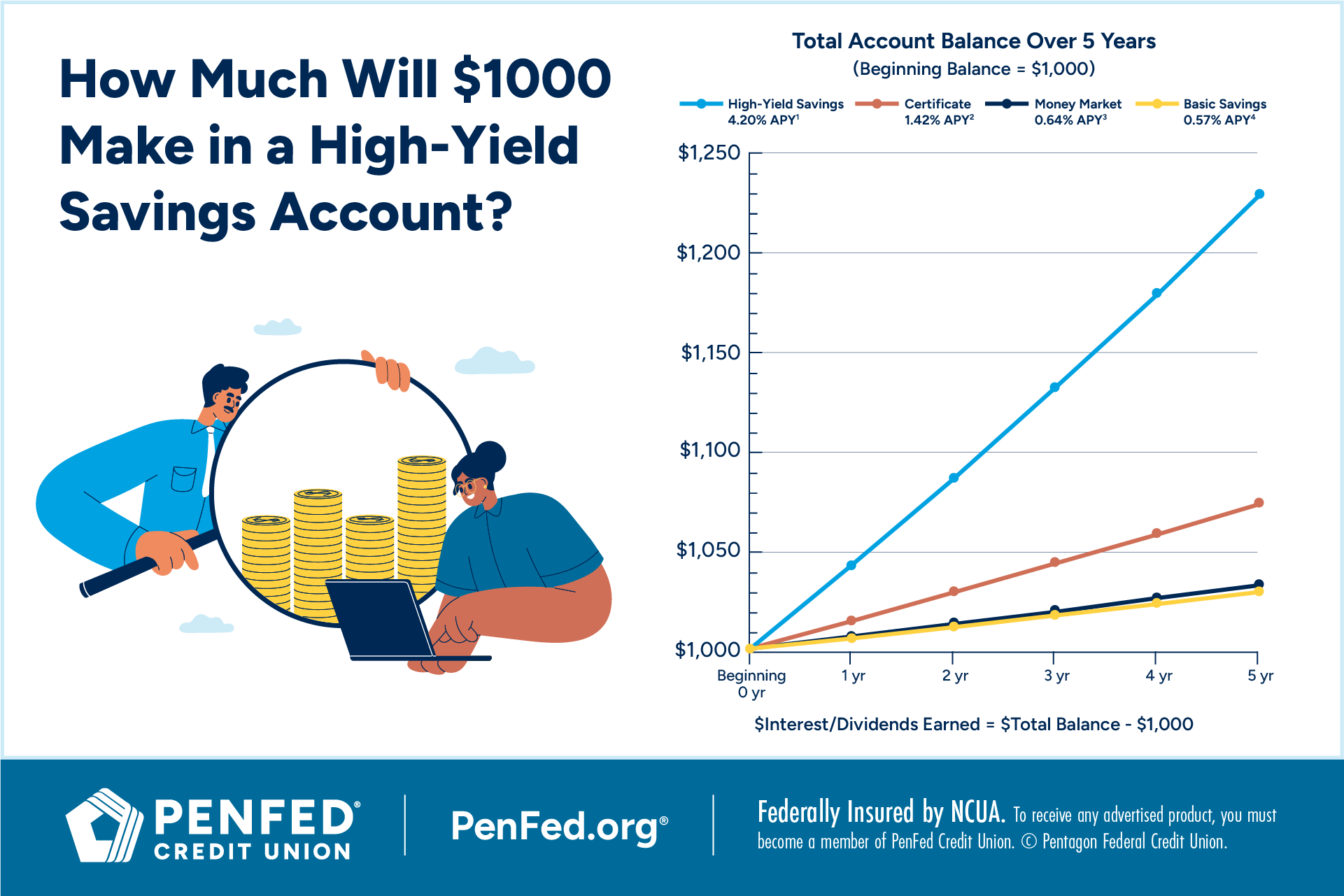
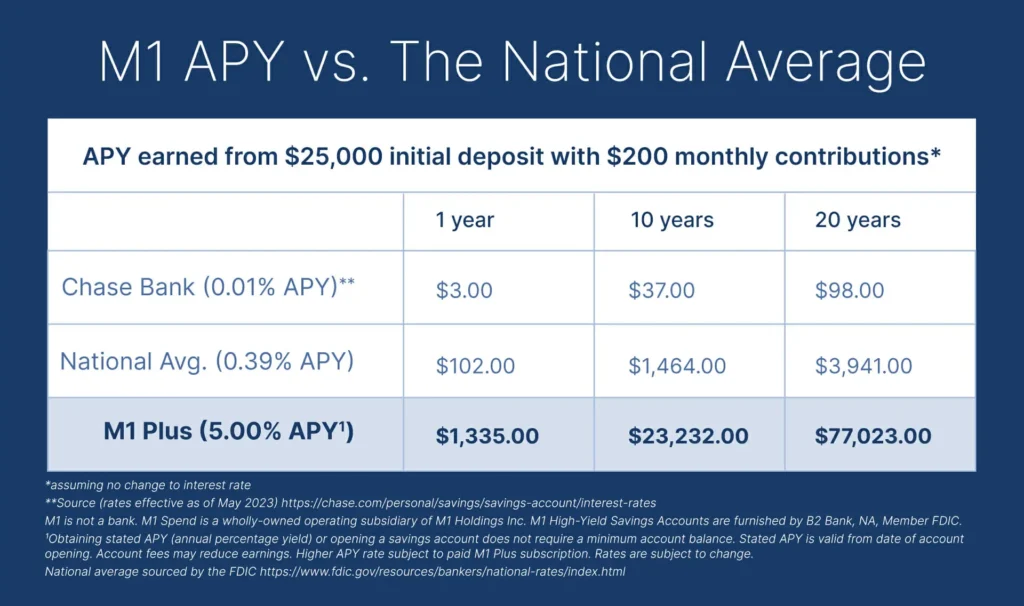
For instance, a traditional savings account might offer an APY of 0.01%, which translates to a negligible return on a substantial deposit. In contrast, a high yield savings account could offer an APY of 4% or even 5% (rates fluctuate). The difference, compounded over months and years, can be substantial. This stark contrast highlights why discerning the APY is the first critical step in identifying a high yield savings account.
Factors Influencing Savings Account Interest Rates
Several macroeconomic and institutional factors influence the interest rates that banks can offer on savings accounts. Understanding these drivers can provide context for why certain rates are considered high and others are not.
The Federal Reserve and the Federal Funds Rate
The most significant external factor influencing savings account interest rates is the monetary policy of the Federal Reserve (the “Fed”) in the United States. The Fed’s primary tool for influencing the economy is the federal funds rate, which is the target rate at which commercial banks lend reserve balances to other banks overnight. When the Fed raises the federal funds rate, it becomes more expensive for banks to borrow money. To offset these increased costs and maintain profitability, banks typically pass these higher borrowing costs onto consumers in the form of higher interest rates on loans, as well as higher interest rates on deposits, including savings accounts. Conversely, when the Fed lowers the federal funds rate, borrowing becomes cheaper, and banks tend to reduce the interest rates they offer on savings accounts. Therefore, a “high yield” is relative to the prevailing interest rate environment, dictated significantly by the Fed’s actions.
Market Competition and Bank Profitability
Beyond the Fed’s influence, the competitive landscape of the banking industry plays a vital role. Banks that are more aggressive in attracting deposits, often to fund their lending activities or to diversify their funding sources, may offer higher APYs. Online-only banks, for instance, often have lower overhead costs (no physical branches to maintain) and can therefore afford to pass on more of their revenue as interest to depositors. This competition drives innovation and pushes rates higher. Furthermore, a bank’s specific financial health and profitability goals can influence the rates they are willing to offer. A bank experiencing rapid growth or seeking to increase its deposit base might offer a promotional high yield for a limited time.
Economic Conditions and Inflation
Broader economic conditions, including inflation, also shape the perception of a “high yield.” During periods of high inflation, the real return on a savings account (the APY minus the inflation rate) can be negative, meaning your money is losing purchasing power even though it’s earning interest. In such an environment, a savings account with an APY that at least matches or ideally exceeds the inflation rate would be considered offering a high yield. Conversely, in a low-inflationary environment, even modest interest rates can represent a positive real return.
Defining “High Yield” in Today’s Market
The term “high yield” is not static; it evolves with the economic climate and the offerings of financial institutions. However, there are general benchmarks and characteristics that allow us to categorize a savings account as high yield.
Benchmarking Against Traditional Savings Accounts
The most direct comparison for a high yield savings account is a traditional savings account, often offered by brick-and-mortar banks. Historically, these accounts have offered very low interest rates, often well below 1%, and sometimes as low as 0.01% to 0.1%. These accounts prioritize accessibility and the convenience of a physical branch network. When a savings account offers an APY that is significantly higher than these prevailing rates – typically at least 10 to 20 times higher – it begins to enter the realm of “high yield.”
Current Market Averages and What Constitutes a “Good” Rate
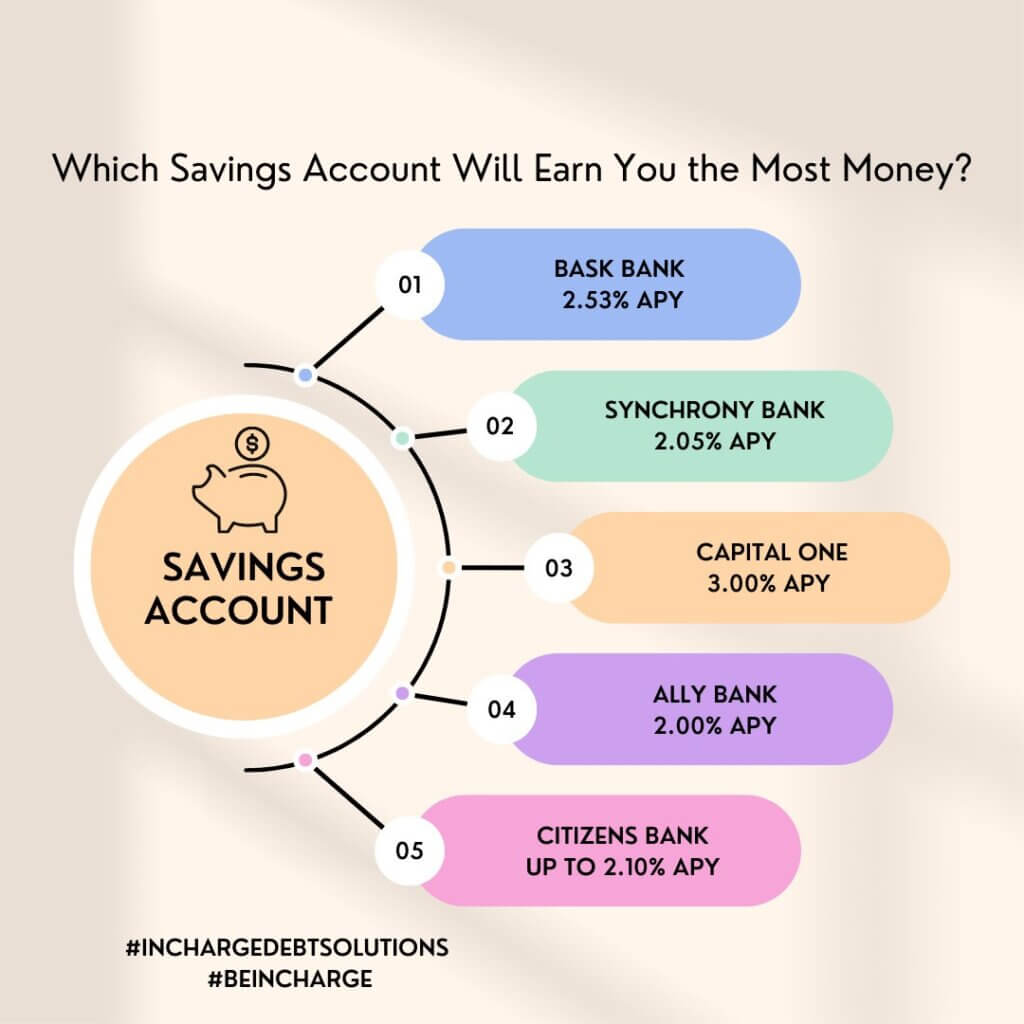
To determine what is considered a high yield savings account today, one must look at the current market averages. Financial websites and consumer reporting agencies regularly track average savings account APYs. As of late 2023 and early 2024, interest rates for high yield savings accounts have been significantly higher than in the preceding decade, with many accounts offering APYs in the range of 4% to 5% or even higher. Therefore, an APY that is substantially above the national average for savings accounts, and particularly one that is competitive with or exceeds prevailing money market account rates, is generally considered a high yield. A rate of 3% might have been considered high a year or two ago, but in the current environment, anything consistently above 4% or 4.5% would typically be classified as high yield.
The Role of Online Banks and Fintechs
The rise of online-only banks and financial technology (fintech) companies has been instrumental in driving down costs and increasing yields for consumers. These institutions often operate without the expense of maintaining a physical branch network, allowing them to offer more competitive interest rates on their savings products. Consequently, many of the accounts consistently offering the highest APYs are found at these digital-first institutions. Their business model is built around attracting deposits through attractive yields, making them prime sources for high yield savings accounts.
Key Features and Benefits of High Yield Savings Accounts
Beyond a superior interest rate, high yield savings accounts often come with other features that make them attractive for managing personal finances. Understanding these benefits can help you decide if an HYSA is the right fit for your financial goals.
Safety and Security: FDIC Insurance
A crucial aspect of any savings account, high yield or otherwise, is the safety of your deposited funds. Reputable high yield savings accounts are typically offered by banks that are FDIC-insured (Federal Deposit Insurance Corporation) up to $250,000 per depositor, per insured bank, for each account ownership category. This insurance protects your money in the unlikely event of a bank failure. This guarantee of safety is a fundamental difference from certain riskier investment vehicles and is a key reason why savings accounts remain popular for emergency funds and short-term savings. When evaluating an HYSA, confirming its FDIC insurance status is paramount.
Accessibility and Liquidity
While offering higher yields, high yield savings accounts are designed to remain accessible. This means you can typically withdraw funds when you need them, whether for unexpected emergencies or planned expenditures, without incurring significant penalties. Most HYSAs allow for online transfers to your checking account or may offer debit cards for direct access to funds. The primary limitation, dictated by federal regulation, is a monthly limit of six “convenient” withdrawals or transfers from savings and money market accounts. This ensures that the funds are readily available for your needs while encouraging their primary use as savings rather than a transactional checking account. This balance between yield and accessibility is a significant advantage over less liquid investments.
No Fees or Low Fees
A hallmark of many competitive high yield savings accounts is the absence of common banking fees. Traditional accounts might charge monthly maintenance fees, ATM fees, or excessive overdraft fees. In contrast, high yield savings accounts, particularly those from online institutions, often waive these fees entirely. This means more of your money stays in your account, and you aren’t penalized for managing your funds. When comparing HYSAs, pay close attention to the fee schedule, as hidden fees can erode the benefits of a higher interest rate.
Choosing the Right High Yield Savings Account
Selecting the optimal high yield savings account involves more than just looking at the highest APY. A comprehensive evaluation considers several factors to ensure the account aligns with your personal financial strategy.
Comparing APYs and Compounding Frequency
While the APY is the headline figure, it’s important to understand how it’s calculated. Some banks may advertise a slightly lower interest rate but compound interest daily, which leads to a higher APY than an account with a slightly higher stated rate that compounds monthly or quarterly. Most HYSAs compound interest daily or monthly, maximizing the effect of compounding. Always compare the APY, as it reflects the true annual return. Many financial comparison websites offer tools to easily compare current APYs from various institutions.
Minimum Balance Requirements and Withdrawal Limits
While many HYSAs have no minimum balance requirement, some may offer a higher APY or waive certain fees for customers who maintain a certain balance. Conversely, some might have a tiered interest rate system where the APY increases with larger deposit amounts. It’s also important to be aware of any minimum withdrawal amounts or transaction limits beyond the federally mandated six convenient transfers per month. For most users, these limits are not an issue, but if you anticipate frequent access to your funds, it’s worth investigating.
Bank Reputation and Customer Service
Choosing a financial institution is a matter of trust. Before opening an account, research the bank’s reputation, its financial stability, and the quality of its customer service. Read online reviews, check its ratings with regulatory bodies, and ensure it’s FDIC insured. Good customer support can be invaluable if you encounter any issues or have questions about your account. Online banks may offer customer support via phone, chat, or email, and understanding their availability and responsiveness is important.
In conclusion, a high yield savings account is a powerful tool in the modern financial toolkit. By offering competitive interest rates, coupled with the safety of FDIC insurance and convenient accessibility, these accounts allow individuals to earn more on their readily available funds than ever before. As interest rates fluctuate, staying informed about current market benchmarks and understanding the factors that influence yields will empower you to make the most informed decisions about where to place your savings and, ultimately, help your money work harder for you.
aViewFromTheCave is a participant in the Amazon Services LLC Associates Program, an affiliate advertising program designed to provide a means for sites to earn advertising fees by advertising and linking to Amazon.com. Amazon, the Amazon logo, AmazonSupply, and the AmazonSupply logo are trademarks of Amazon.com, Inc. or its affiliates. As an Amazon Associate we earn affiliate commissions from qualifying purchases.