
The concept of a “high salary” is one of the most frequently debated and personally significant topics in the realm of personal finance. What constitutes a substantial income often feels elusive, shifting with individual aspirations, geographical location, industry standards, and the ever-present backdrop of economic realities. Far from being a simple numerical threshold, defining a high salary is a complex exercise influenced by a multitude of factors, making it a highly subjective and multifaceted inquiry. For many, it represents not just financial security, but also a measure of professional success, a gateway to certain lifestyles, or a means to achieve specific financial independence goals.

This article delves into the various dimensions that shape our understanding of what a high salary truly means, moving beyond mere figures to explore the broader context of financial well-being and wealth accumulation. We will examine the objective data, the subjective experiences, and the strategic considerations involved in both earning and evaluating a significant income.
The Subjectivity of “High”: More Than Just a Number
The pursuit of a “high salary” is often driven by an intrinsic desire for financial comfort and opportunity. However, the very definition of what constitutes “high” is a moving target, varying significantly based on a confluence of personal and external factors. It’s rarely just about the gross number on a pay stub; it’s about what that number enables within a specific context.
Geographical Variations and Cost of Living
One of the most significant determinants of what is considered a high salary is geographical location. A salary that affords a luxurious lifestyle in a rural area or a lower-cost-of-living state might barely cover basic expenses in a major metropolitan hub like New York City, San Francisco, or London. The purchasing power of money is profoundly impacted by the local cost of living, which encompasses housing, transportation, groceries, healthcare, and taxes.
For instance, a $100,000 annual salary might be considered excellent in many parts of the Midwest or the South, allowing for comfortable living, savings, and discretionary spending. In contrast, the same $100,000 in Silicon Valley might feel quite restrictive, especially when faced with median home prices well over a million dollars and exorbitant rental costs. Therefore, to truly assess if a salary is “high,” one must always factor in the specific economic environment in which it is earned and spent. Relocation decisions, often driven by career advancement, inherently involve recalibrating one’s definition of a high salary against the new cost-of-living index.
Industry, Role, and Experience Specifics
The industry in which one works, the specific role held, and the level of experience accumulated profoundly influence salary expectations and benchmarks. What is deemed a high salary in one sector might be considered average or even low in another. For example, entry-level positions in certain technology fields, investment banking, or specialized medical professions often start at salaries that would be considered upper-tier in fields like education, social work, or non-profit management.
Highly specialized skills, particularly those in high demand and short supply (e.g., AI engineers, cybersecurity experts, certain medical specialists), naturally command higher compensation. Similarly, leadership roles, C-suite positions, and jobs with significant P&L responsibility typically come with elevated salary packages due to the increased complexity, risk, and impact associated with them. Experience also plays a crucial role; a senior professional with two decades of expertise will undoubtedly command a higher salary than a recent graduate, even in the same field and role, reflecting their accumulated knowledge, network, and proven track record.
Individual Financial Goals and Lifestyle
Ultimately, what one considers a high salary is deeply personal, tied to individual financial goals and desired lifestyle. For someone aiming for early retirement or financial independence within a specific timeframe, a “high salary” might mean an income stream that allows for aggressive savings and investments, perhaps 50% or more of their take-home pay. For another, a high salary might simply mean enough to comfortably cover all living expenses, support a family, and enjoy a few luxuries without incurring debt.
Someone with significant student loan debt, mortgage payments, or family obligations will require a higher income to feel financially secure compared to an individual with minimal debt and fewer dependents. The “high” threshold isn’t universal; it’s a moving personal benchmark based on one’s current obligations, future aspirations, and overall financial philosophy. This personal context often dictates how satisfied or stressed an individual feels with a particular income level, regardless of how it compares to national averages.
Benchmarking High Salaries: Data and Metrics
While personal context is paramount, objective data provides a useful framework for understanding where a particular salary stands relative to broader populations. Economic statistics and percentile rankings offer a more universal lens through which to view income levels.
Median Household Income vs. Individual Salary
A common benchmark is the median household income, which represents the income level at which half of all households earn more and half earn less. In the United States, for example, the median household income has historically hovered around $70,000 to $75,000 annually. It’s crucial to note that this is a household figure, often comprising multiple income earners, and it differs from individual median income, which is typically lower.
An individual salary significantly above the median individual income for a given region or country is often a strong indicator of a high salary. However, comparing an individual salary to the household median can be misleading if one is the sole earner in a household. A high individual salary might still be just average for a household with two income streams. These benchmarks provide a baseline, helping individuals understand their relative financial standing within the wider economy.
Top Percentiles: The Upper Echelons of Income
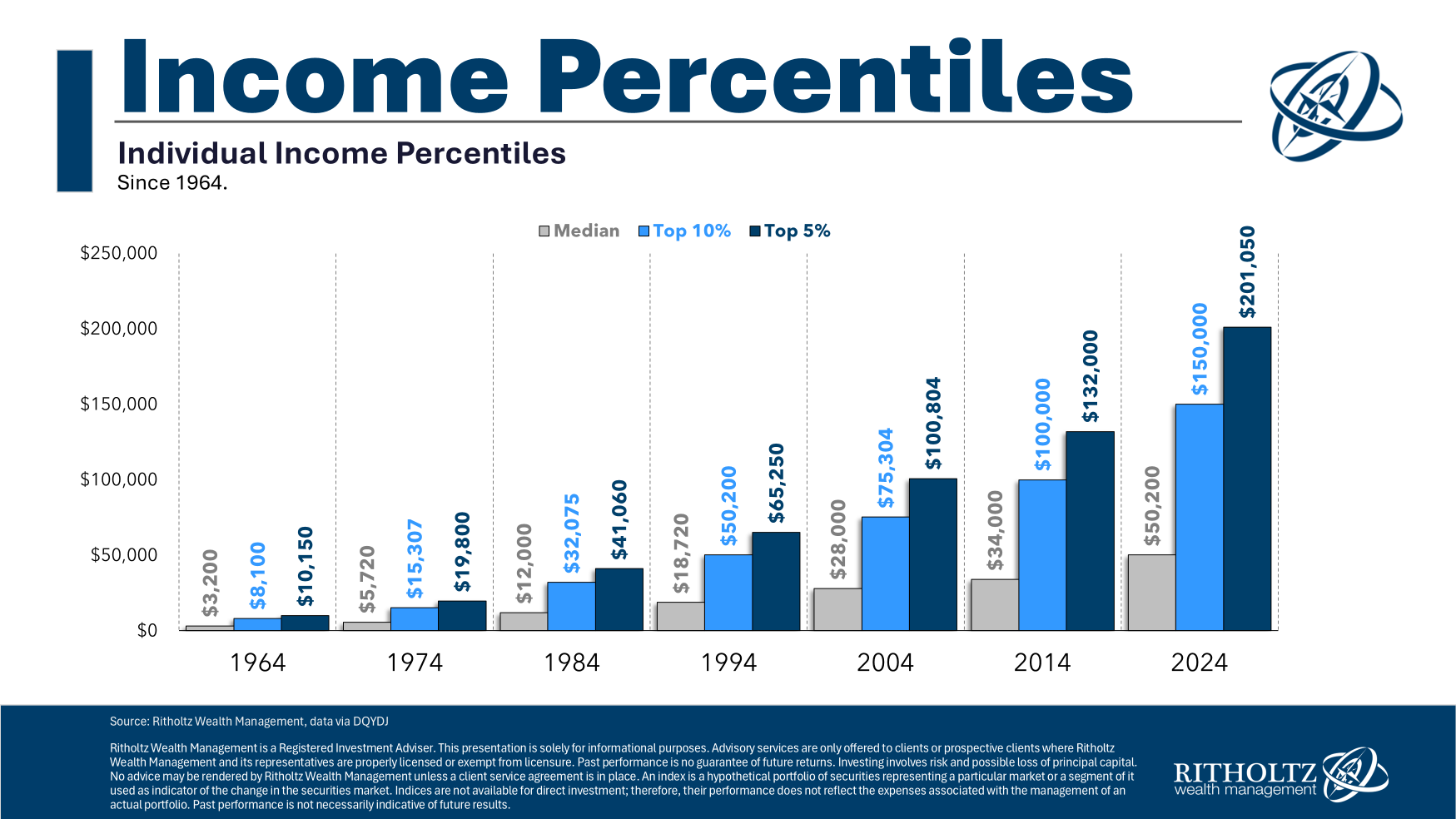
To truly define a high salary, many look to income percentiles – specifically, what it takes to be in the top 10%, 5%, or even 1% of earners. These figures often vary year by year and are influenced by economic growth, inflation, and wealth distribution policies.
In the U.S., for instance, an individual might need to earn well over $150,000-$200,000 to be in the top 10% of individual income earners, and significantly more, perhaps upwards of $500,000 or even $600,000, to be considered in the top 1%. These top-tier figures are often what people envision when they think of a “high salary,” representing not just comfort but significant financial power and opportunities for rapid wealth accumulation. Accessing these percentiles typically requires a combination of specialized skills, extensive experience, strategic career planning, and often, a degree of entrepreneurial risk or ownership stakes in successful ventures.
The Role of Cost of Living Indexes
Beyond raw numbers, Cost of Living Indexes (COLIs) are vital tools for comparing salaries across different geographies. These indexes adjust salaries to reflect the relative purchasing power in different areas. For example, if a COLI indicates that living in City A is 20% more expensive than living in City B, then a salary in City A would need to be 20% higher to maintain the same standard of living as in City B.
Many financial tools and calculators use COLIs to provide adjusted salary comparisons, helping individuals understand if a job offer in a new city truly represents a “raise” in real terms. A salary that might be in the 90th percentile in a low-cost area could effectively drop to the 70th or 80th percentile when adjusted for a high-cost urban environment. These indexes bring a much-needed layer of realism to the discussion of what constitutes a high salary, ensuring that comparisons are equitable and reflect actual economic impact.
Beyond the Paycheck: The Broader Definition of Wealth
While a high salary is undoubtedly a critical component of financial success, it’s essential to recognize that income alone doesn’t equate to wealth or comprehensive financial health. True financial security and prosperity are built on a foundation that extends far beyond the monthly paycheck.
Total Compensation: Benefits, Bonuses, and Equity
A high salary often comes bundled with a comprehensive total compensation package, which can significantly enhance an individual’s financial well-being. This typically includes more than just base pay. Benefits such as robust health insurance, retirement plan contributions (e.g., 401k matches), paid time off, and life insurance add substantial value by reducing out-of-pocket expenses and contributing to long-term financial security. For high earners, these benefits can be worth tens of thousands of dollars annually.
Furthermore, performance-based bonuses, commissions, and equity (stock options or restricted stock units) can dramatically inflate the overall value of compensation, particularly in tech, finance, and executive roles. These variable components often represent a significant portion of a high earner’s total remuneration, offering both immediate financial gain and potential for long-term wealth growth as company stock appreciates. Evaluating a “high salary” necessitates looking at the entire package, not just the fixed cash component.
Financial Health vs. Income Level
It’s a common misconception that a high income automatically translates to excellent financial health. In reality, individuals with substantial salaries can still find themselves in precarious financial situations if they lack proper money management skills. The phenomenon of “lifestyle inflation,” where increased income leads to an equally swift increase in spending, can trap high earners in a cycle where they feel perpetually short on cash despite making large sums.
True financial health is characterized by a positive net worth, minimal high-interest debt, an emergency fund, adequate savings for long-term goals (retirement, education), and a clear financial plan. A person earning $250,000 annually who spends $240,000 might be in worse financial shape than someone earning $70,000 who diligently saves and invests $20,000 each year. A high salary provides the opportunity for financial health, but it is diligent budgeting, saving, investing, and debt management that ultimately build it.
The “Rich” vs. “High Income” Distinction
An important distinction exists between being “high income” and being “rich.” High income refers to the amount of money earned annually. Being rich, however, typically implies significant accumulated wealth – assets that can generate income independently, providing financial freedom and security even without active work. Many high-income earners may not be rich in terms of net worth, especially if they are early in their careers, have significant liabilities, or have not effectively converted their income into assets.
Wealth is built over time through consistent saving, astute investing, and often, prudent business ownership. A high salary accelerates this process, providing more capital to deploy. However, without the discipline to save and invest a substantial portion of that income, one can remain a “high-income earner” without ever truly accumulating “wealth.” This distinction is crucial for anyone aspiring to not just earn a lot, but to build lasting financial independence and generational wealth.
Strategies for Earning a High Salary and Managing It Wisely
For those aspiring to earn a high salary, certain strategies and mindsets are consistently effective. However, earning a high income is only half the battle; managing it wisely is what truly translates it into financial prosperity.
Education, Skill Development, and Specialization
A foundational strategy for commanding a high salary is continuous investment in one’s education and skills. Higher education, particularly in STEM fields, business, law, and medicine, often correlates with significantly higher earning potential. Beyond formal degrees, continuous skill development through certifications, professional courses, and staying abreast of industry trends is crucial. Identifying niche specializations within a high-demand field can create unique value, making one indispensable and therefore highly compensable. Developing in-demand “hard skills” (e.g., coding, data analysis, financial modeling) and “soft skills” (e.g., leadership, negotiation, communication) is a powerful combination. The market rewards those who solve complex problems and drive significant value.
Strategic Career Moves and Negotiation
Earning a high salary is rarely a passive process; it requires strategic career planning. This includes carefully selecting industries and companies known for high compensation, taking on challenging projects that build a demonstrable track record, and actively seeking out promotions. Crucially, it involves mastering the art of salary negotiation. Many individuals leave substantial money on the table by not negotiating their initial offers or subsequent raises. Researching market rates, articulating one’s value proposition clearly, and confidently advocating for fair compensation are essential. Sometimes, the most significant salary jumps come from changing jobs, leveraging external offers to negotiate better terms with current employers, or moving into roles with greater responsibility and impact.
Financial Planning for High Earners
Once a high salary is achieved, effective financial planning becomes paramount. This involves more than just saving; it includes optimizing tax strategies, managing investments, and planning for long-term goals. High earners often face higher tax brackets, making tax-advantaged accounts (like 401ks, IRAs, HSAs) and tax-efficient investment strategies particularly important. Engaging with a qualified financial advisor can be invaluable for navigating complex investment landscapes, estate planning, and ensuring income is leveraged to build maximum wealth. The objective shifts from merely earning to growing and protecting wealth, ensuring that a high salary translates into genuine financial independence and security over the long term.
Conclusion
What is considered a high salary is ultimately a dynamic and deeply personal question, influenced by a complex interplay of geography, industry, individual circumstances, and economic benchmarks. While objective data provides valuable context through median incomes and percentile rankings, the true measure of a high salary often lies in its ability to meet one’s financial goals, support a desired lifestyle, and contribute to overall financial well-being.
Earning a substantial income is a significant achievement, often requiring dedication, continuous learning, and strategic career navigation. However, true financial prosperity extends beyond the paycheck. It encompasses a holistic approach to total compensation, diligent financial management, and the disciplined conversion of income into lasting wealth. Ultimately, a “high salary” is not just a number on a pay stub; it’s a powerful tool that, when wielded wisely, can unlock a lifetime of financial freedom and opportunity.
aViewFromTheCave is a participant in the Amazon Services LLC Associates Program, an affiliate advertising program designed to provide a means for sites to earn advertising fees by advertising and linking to Amazon.com. Amazon, the Amazon logo, AmazonSupply, and the AmazonSupply logo are trademarks of Amazon.com, Inc. or its affiliates. As an Amazon Associate we earn affiliate commissions from qualifying purchases.