
Understanding atmospheric moisture levels is a critical component of meteorology, but for the average person, the dew point often remains an abstract or confusing figure. Unlike the temperature, which is intuitive, the dew point provides a more accurate measure of how “sticky” or uncomfortable the air feels. By shifting focus from relative humidity to dew point, one gains a clearer understanding of how environmental conditions affect daily comfort, industrial operations, and even home maintenance.
Defining the Dew Point and the Science of Comfort
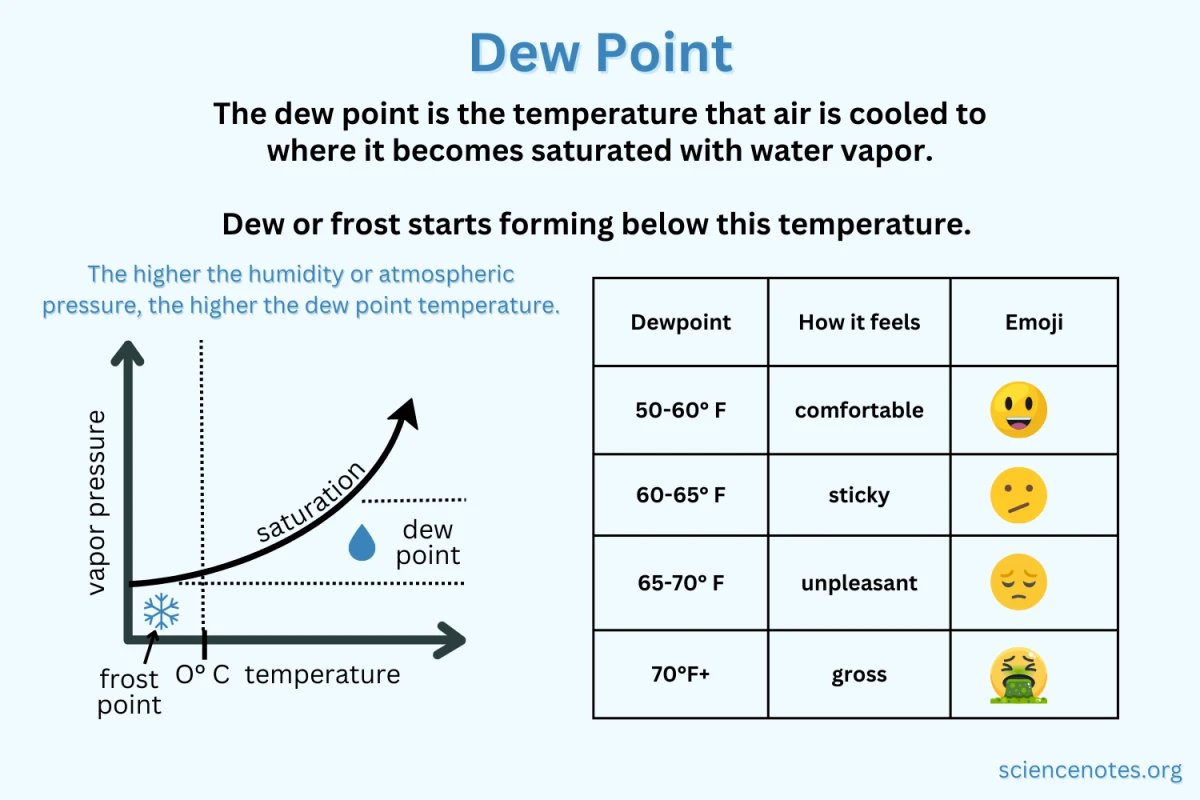
The dew point is defined as the temperature to which air must be cooled to become saturated with water vapor. When the air temperature drops to this point, the air can no longer hold all of its water vapor, and the excess moisture condenses into liquid water—forming dew, fog, or frost. While relative humidity expresses moisture as a percentage of what the air could hold at a specific temperature, the dew point is an absolute measure of the moisture content in the air.
Why Dew Point Outperforms Relative Humidity
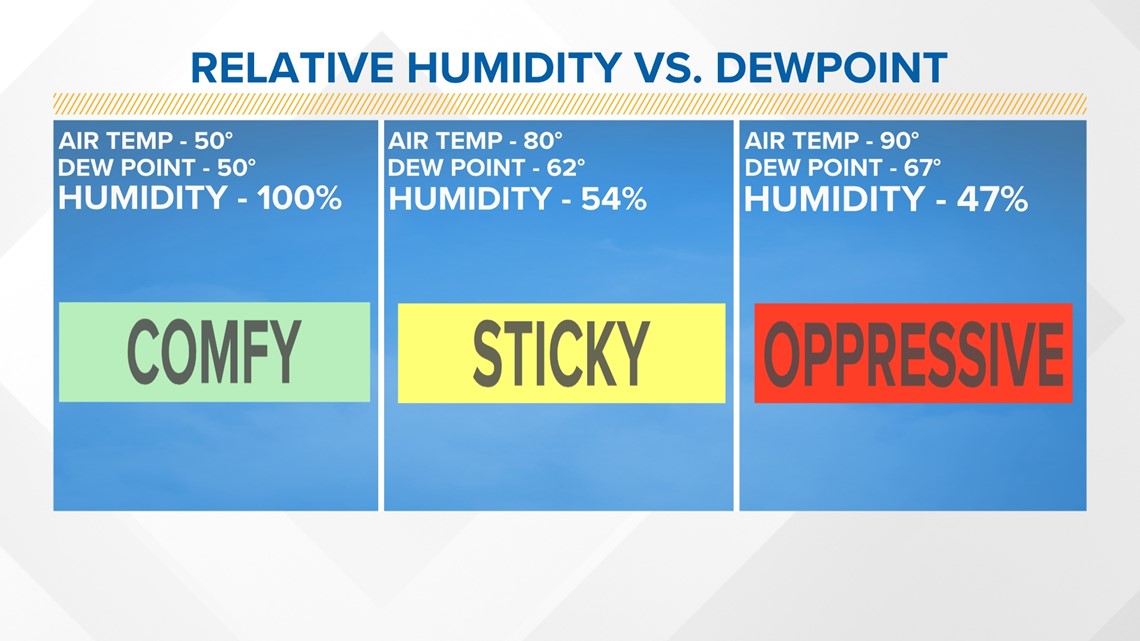
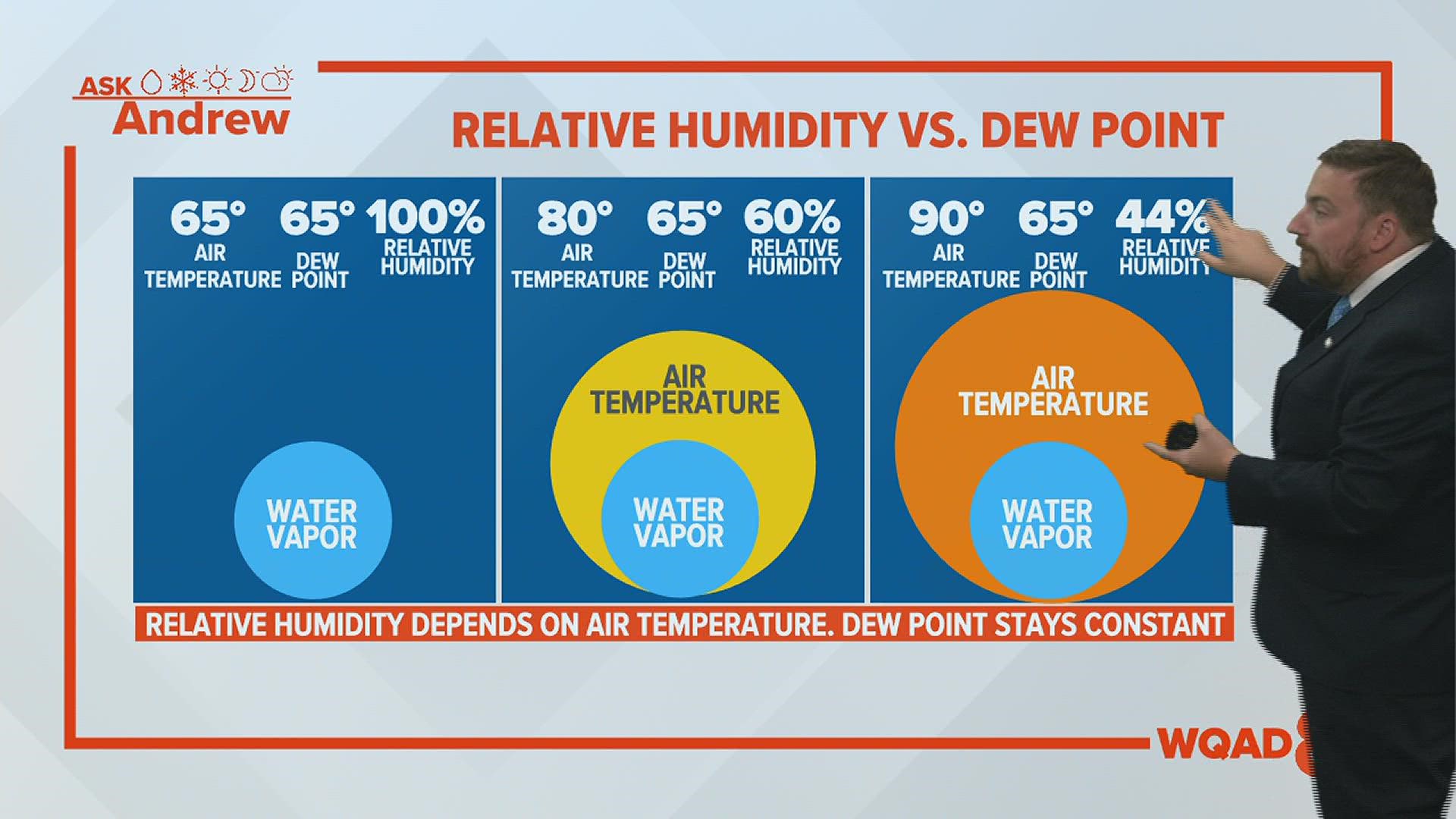
Relative humidity is a temperature-dependent metric. For example, 50% relative humidity at 60°F feels pleasant, but 50% relative humidity at 95°F feels stifling. Because the air’s capacity to hold water increases as temperatures rise, the relative humidity percentage can fluctuate wildly throughout a single day even if the actual amount of water in the air remains constant. The dew point, conversely, remains stable unless a new air mass moves into the region. This stability makes it the superior metric for predicting how the weather will actually feel to the human body.
The Human Perception Threshold
Human comfort is largely dictated by our body’s ability to dissipate heat through the evaporation of sweat. When the air is saturated or near-saturated with moisture, evaporation slows down, causing the body to overheat. A low dew point—generally below 55°F—is characterized by dry, crisp air. As the dew point climbs into the 60s and 70s, the atmosphere becomes increasingly oppressive, signaling to the human body that the cooling mechanism of perspiration is being compromised.
Categorizing High Dew Point Ranges
To determine what constitutes a “high” dew point, we must look at the standard comfort scales used by meteorologists. While tolerance levels can vary based on regional climate—a person living in Arizona will react differently to a 65°F dew point than a person living in Florida—general thresholds provide a useful baseline for categorization.
The Pleasant Zone: 50°F to 60°F
In this range, most people find the air to be comfortable. There is enough humidity to prevent skin from cracking or feeling excessively dry, but not enough to cause that “muggy” sensation. This is often considered the ideal range for outdoor activities, providing a sense of freshness without the heavy burden of latent heat.
The Muggy Threshold: 60°F to 65°F
Once the dew point crosses the 60°F mark, the air begins to feel noticeably humid. Many people start to experience the sensation of “sticky” skin during this stage. It is generally the point where air conditioning systems begin to work harder, and the atmosphere loses that crisp, clean quality. While not yet dangerous for the average person, it is the threshold where “comfort” starts to wane.
The Oppressive Range: 65°F to 70°F
This is widely categorized as the onset of a truly high dew point. In this range, the air feels heavy and thick. Exertion becomes more difficult because the body struggles to shed heat efficiently. This is often the point at which climate control in indoor spaces becomes a necessity rather than a luxury. Sleeping can become uncomfortable, and the air may feel stagnant.
The Dangerous Extremes: 70°F and Above
A dew point of 70°F or higher is unequivocally high. This level of atmospheric moisture is characteristic of tropical environments. When the dew point hits 75°F or 80°F, the air is not just uncomfortable; it is physiologically stressful. At these levels, the body’s cooling system is drastically impaired, significantly increasing the risk of heat-related illnesses such as heat exhaustion or heat stroke during prolonged physical activity.
Practical Implications of High Dew Points
Beyond personal comfort, high dew points trigger a cascade of secondary effects that influence everything from home maintenance to energy consumption and infrastructure. Recognizing when a dew point is high can save homeowners and business owners time, money, and structural headaches.
The Impact on Indoor Environments
High dew points significantly increase the risk of condensation within wall cavities, basements, and attics. When warm, moisture-laden air from outside infiltrates a building and hits cooler surfaces—such as air-conditioned interior walls or ductwork—the moisture condenses into liquid water. This leads to the growth of mold, mildew, and wood rot.
Controlling the dew point inside the home is the primary goal of dehumidification systems. During periods of high exterior dew points, standard air conditioning units often struggle to remove enough moisture to maintain a comfortable environment. In such cases, a standalone dehumidifier or a properly calibrated HVAC system is essential to prevent structural damage and maintain indoor air quality.
Energy Efficiency and Operational Costs
The correlation between dew point and energy consumption is direct. As the dew point rises, cooling systems must work double-duty: they must lower the sensible temperature (the air temperature) and remove the latent heat (the moisture). Because water is excellent at holding heat, removing moisture requires significantly more energy than simply cooling dry air. Facilities management and homeowners often find that their electricity bills spike during periods of high dew points, not necessarily because the temperature is high, but because the cooling system is locked in a constant battle against excessive humidity.
Health and Public Safety
Public health organizations monitor dew points closely during summer months. High-dew-point events are often correlated with increased hospitalizations for respiratory issues and heat stress. Furthermore, the combination of high temperatures and high dew points creates the perfect storm for heat-related deaths. Vulnerable populations, including the elderly and those with chronic health conditions, are particularly sensitive to these environments. During these periods, public health officials often advise limiting outdoor exertion, staying in air-conditioned spaces, and maintaining high hydration levels to compensate for the body’s inability to cool itself through natural evaporation.
Strategies for Mitigating High Humidity
When the dew point climbs, the focus must shift toward moisture management. Whether you are optimizing a building’s performance or simply trying to sleep comfortably, several strategies can help navigate high-dew-point weather.
Indoor Moisture Control
- Mechanical Dehumidification: Utilize high-efficiency dehumidifiers in basements or crawlspaces. Modern smart-dehumidifiers can be set to a specific relative humidity level, effectively controlling the dew point to prevent mold growth.
- Ventilation Strategies: During periods of extreme outdoor dew points, avoid running “fresh air” intakes or bathroom exhaust fans that draw significant amounts of humid outside air into the home.
- Sealing the Envelope: Ensure that windows, doors, and building penetrations are properly sealed. Weatherstripping and spray-foam insulation prevent the ingress of high-dew-point air, keeping the internal environment stable.
Personal Acclimatization and Safety
- Hydration: High dew points demand more from the body’s internal cooling system. Even if you do not feel thirsty, replacing lost electrolytes is vital.
- Scheduling: Plan outdoor activities for early morning or late evening when the ambient temperature—and often the dew point—is at its lowest diurnal point.
- Monitoring: Many weather apps now provide real-time dew point tracking. Checking this metric before planning an outdoor event can prevent scheduling an activity during times when the “heat index” will be elevated by moisture.
By internalizing the difference between humidity percentages and the actual dew point, individuals can make more informed decisions about their comfort and environmental health. A high dew point is more than just a weather report statistic; it is a vital indicator of atmospheric energy and the specific challenges that heat and moisture pose to human health and the built environment. Understanding this threshold empowers one to take proactive steps to ensure comfort and safety regardless of the season.
aViewFromTheCave is a participant in the Amazon Services LLC Associates Program, an affiliate advertising program designed to provide a means for sites to earn advertising fees by advertising and linking to Amazon.com. Amazon, the Amazon logo, AmazonSupply, and the AmazonSupply logo are trademarks of Amazon.com, Inc. or its affiliates. As an Amazon Associate we earn affiliate commissions from qualifying purchases.