
Navigating the fiscal landscape of the “Nutmeg State” requires more than just a cursory glance at your W-2. For residents and those doing business in Connecticut, the state income tax system represents a significant component of their overall personal finance strategy. Connecticut’s tax structure is unique, characterized by a progressive rate system that underwent its first major reduction in decades starting in the 2024 tax year.
Understanding the nuances of these taxes is essential for effective budgeting, retirement planning, and wealth preservation. This guide provides a deep dive into the mechanics of Connecticut’s state income tax, the credits available to taxpayers, and the strategic considerations necessary for maintaining financial health in one of the nation’s highest-income states.
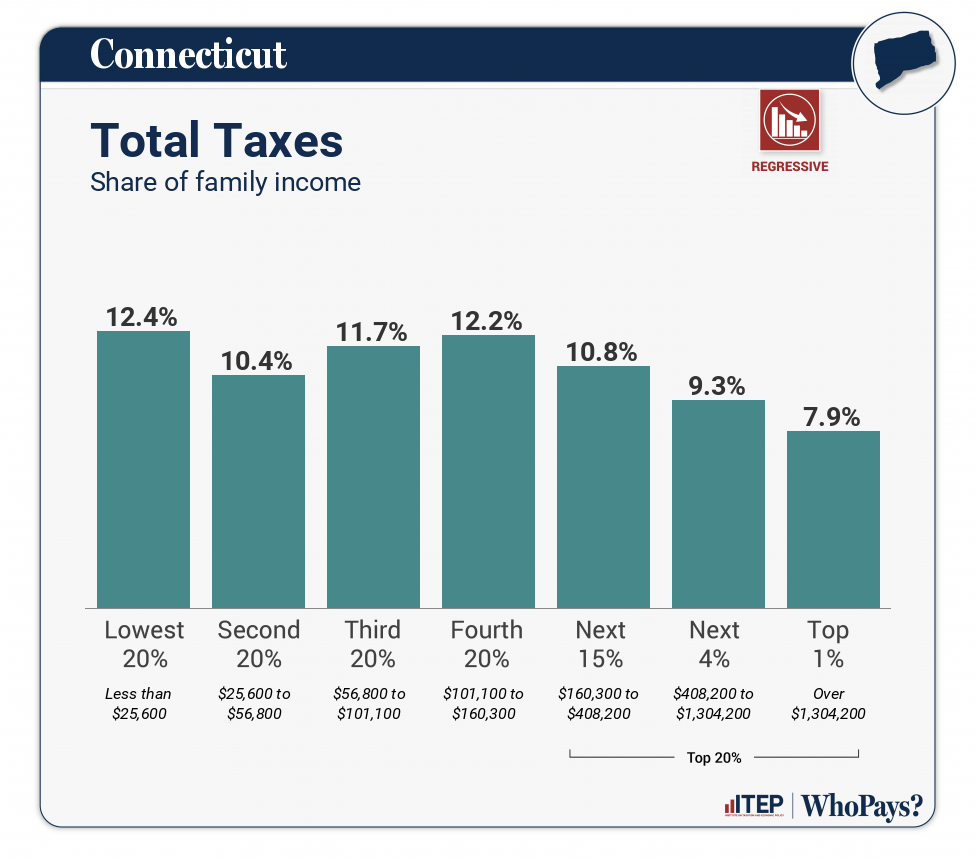
The Structure of Connecticut’s Progressive Tax System
Connecticut utilizes a progressive income tax system, meaning that as your income increases, the rate at which your last dollar is taxed also increases. Unlike states with a flat tax, Connecticut’s system aims to distribute the tax burden based on the “ability to pay” principle. However, for many high earners, the system includes a “benefit recapture” feature that adds complexity to the calculation.
Determining Your Filing Status
Before calculating your liability, you must identify your filing status, which generally mirrors your federal status. Connecticut recognizes five categories: Single, Married Filing Jointly, Married Filing Separately, Head of Household, and Qualifying Surviving Spouse. Your filing status is the primary determinant of which tax bracket applies to you and where your “cliffs” or phase-outs begin. For personal finance planning, choosing the correct status—especially for those recently married or divorced—is the first step in optimizing your tax return.
The 2024 Marginal Tax Brackets
In a historic move, Connecticut implemented significant tax cuts effective for the 2024 tax year, aimed specifically at the middle and lower-income brackets. The current system features seven distinct brackets. For example, for single filers, the first $10,000 is taxed at 2.0% (reduced from 3.0%), and the next $40,000 is taxed at 4.5% (reduced from 5.0%).
The rates then scale up to 5.5%, 6.0%, 6.5%, 6.9%, and finally 6.99% for income exceeding $500,000. For married couples filing jointly, these thresholds are doubled. Understanding these marginal rates is vital for professionals considering raises or side hustles, as it allows them to calculate the “true” take-home pay of any additional income earned.
The Benefit Recapture Provision
One of the most distinctive and often overlooked aspects of Connecticut’s tax code is the “benefit recapture.” For taxpayers whose adjusted gross income (AGI) exceeds certain thresholds (starting at $200,000 for single filers and $400,000 for joint filers), the state “recaptures” the benefits of the lower tax brackets. This effectively applies the highest applicable rate to all of your income rather than just the portion within the top bracket. From a money management perspective, this creates a “tax cliff” that high-income earners must anticipate to avoid unexpected year-end liabilities.
Key Credits, Exemptions, and Deductions for Nutmeg State Residents
A robust personal finance strategy focuses not just on what you earn, but on what you keep. Connecticut offers several credits and exemptions that can significantly reduce your effective tax rate. Leveraging these requires proactive documentation and an understanding of the state’s specific eligibility requirements.
The Property Tax Credit
For many Connecticut residents, the Property Tax Credit is the most accessible way to lower their state income tax bill. This credit is available to residents who paid property taxes on a primary residence or a privately owned motor vehicle. While the credit is currently capped at $300, it is subject to income-based phase-outs. For single filers with an AGI over $49,500 and joint filers over $70,500, the credit begins to diminish. Incorporating this into your annual tax planning is a simple yet effective way to offset the state’s relatively high cost of living.

Connecticut Earned Income Tax Credit (EITC)
In a bid to support low-to-moderate-income working individuals and families, Connecticut offers a state-level EITC. This credit is a percentage of the federal EITC. In recent years, the state has significantly bolstered this credit, raising it to 40% of the federal amount. Because this credit is refundable, it can provide a vital cash infusion for eligible households, serving as a tool for debt reduction or the establishment of an emergency fund.
Pension, Annuity, and Social Security Exemptions
For those planning for or currently in retirement, Connecticut has become increasingly tax-friendly. The state has phased in exemptions for certain types of retirement income. Currently, many residents can exclude 100% of their Social Security benefits from their Connecticut AGI, provided their income falls below certain thresholds ($75,000 for singles, $100,000 for joint filers). Additionally, the state has phased in a 100% exemption for pension and annuity income for qualifying taxpayers. This makes Connecticut a more competitive location for retirees who are weighing the pros and cons of staying in-state versus moving to a zero-income-tax state like Florida.
Compliance and Filing: Deadlines, Forms, and Digital Tools
Maintaining financial health requires strict adherence to filing deadlines and accuracy in documentation. The Connecticut Department of Revenue Services (DRS) has modernized its approach to tax collection, making it easier for taxpayers to comply with the law while providing tools to track their filings.
Important Dates for the Tax Calendar
The standard deadline for filing Connecticut state income tax returns is April 15th, aligning with the federal deadline. However, for those who are self-employed or have significant non-wage income, quarterly estimated payments are required. These are typically due on April 15, June 15, September 15, and January 15. Failing to meet these deadlines can result in interest charges and penalties that erode your investment returns and savings.
Common Forms: CT-1040 and Beyond
The primary form for state residents is the CT-1040. For part-year residents or non-residents who earned income within Connecticut borders, Form CT-1040NR/PY is required. It is essential to distinguish between these forms, especially for “digital nomads” or professionals who work in New York or Massachusetts but reside in Connecticut. Misfiling can lead to double taxation or lengthy audit processes that disrupt financial stability.
Utilizing myconneCT for Electronic Filing
The DRS has introduced “myconneCT,” an online portal designed to streamline tax administration. This tool allows taxpayers to file returns, make payments, and view their filing history in a secure environment. From a digital security and organizational standpoint, using the state’s official portal is preferable to paper filing. It ensures faster processing of refunds and provides a digital paper trail that is invaluable during financial audits or when applying for mortgages.
Strategic Financial Planning for Connecticut Residents
Beyond the basic mechanics of filing, residents should look at the state tax code as a framework for long-term wealth building. By aligning investment and business decisions with state-specific tax incentives, you can optimize your total net worth.
Tax-Advantaged Savings: CHET and 529 Plans
Connecticut offers a dedicated 529 college savings plan known as the Connecticut Higher Education Trust (CHET). For personal finance purposes, CHET is a powerful tool because contributions are deductible from Connecticut AGI—up to $5,000 for single filers and $10,000 for joint filers. The funds grow tax-deferred, and withdrawals for qualified education expenses are tax-free at both the state and federal levels. For parents and grandparents, this represents a dual benefit: reducing current tax liability while funding future liabilities (education).
The Impact of Pass-Through Entity Tax (PET)
For entrepreneurs and small business owners, Connecticut’s Pass-Through Entity Tax (PET) is a critical consideration. Connecticut was the first state to implement this as a “workaround” to the federal SALT (State and Local Tax) deduction cap. Essentially, it allows partnerships and S-corporations to pay tax at the entity level, which then provides a corresponding credit to the individual partners or shareholders. This can significantly lower a business owner’s federal taxable income, demonstrating how state-level tax choices have profound implications for overall business finance.

Residency Rules and the 183-Day Rule
Finally, for high-net-worth individuals who split time between Connecticut and other states, understanding residency rules is paramount. Connecticut uses a “domicile” test and a “statutory resident” test (often called the 183-day rule). If you spend more than 183 days in the state and maintain a permanent place of abode, you are taxed as a full-year resident on all income, regardless of where it was earned. Managing your calendar and maintaining precise records is not just a matter of logistics; it is a high-stakes financial strategy to avoid being taxed by multiple jurisdictions.
By understanding these various layers—from the progressive brackets and benefit recaptures to the strategic use of 529 plans and the PET—taxpayers can transform their approach to Connecticut state income tax from a passive annual obligation into an active component of their financial success. Through informed planning and the use of modern digital tools, navigating the Nutmeg State’s tax landscape becomes a manageable and even advantageous endeavor.
aViewFromTheCave is a participant in the Amazon Services LLC Associates Program, an affiliate advertising program designed to provide a means for sites to earn advertising fees by advertising and linking to Amazon.com. Amazon, the Amazon logo, AmazonSupply, and the AmazonSupply logo are trademarks of Amazon.com, Inc. or its affiliates. As an Amazon Associate we earn affiliate commissions from qualifying purchases.