
In the traditional sense, a concierge hotel was defined by a physical desk in a lobby where a knowledgeable professional assisted guests with dinner reservations, theater tickets, and local advice. However, as we move deeper into the third decade of the 21st century, the definition of the “concierge hotel” has undergone a radical technological metamorphosis. Today, the concierge experience is less about a person standing behind a mahogany desk and more about an integrated ecosystem of AI, IoT, and cloud-based software designed to anticipate a guest’s every need.

The digital transformation of the hospitality industry has turned the concierge service into a high-tech touchpoint that exists on a guest’s smartphone, through voice-activated room controllers, and via sophisticated backend algorithms. To understand what a concierge hotel is today, one must look at the intersection of luxury service and cutting-edge technology.
The Rise of the Digital Concierge: From Desk to Smartphone
The most visible shift in the concierge hotel model is the transition from human-mediated interactions to digital interfaces. This shift is not merely about convenience; it is about providing a frictionless experience that aligns with the digital habits of modern travelers.
Mobile Apps and Integrated Guest Portals
The cornerstone of the modern concierge hotel is the proprietary mobile application. These apps serve as a digital hub where guests can bypass the front desk entirely. From mobile check-in and digital key technology to requesting extra towels or ordering room service, the app acts as a pocket-sized concierge. Behind the scenes, these apps are powered by complex Application Programming Interfaces (APIs) that connect the user interface to the hotel’s Property Management System (PMS). This ensures that a request made on a phone is instantly routed to the correct department, whether it be housekeeping, the kitchen, or maintenance, reducing human error and latency.
AI-Powered Chatbots and Virtual Assistants
Artificial Intelligence has revolutionized how hotels handle guest inquiries. Modern concierge hotels leverage Large Language Models (LLMs) and Natural Language Processing (NLP) to deploy sophisticated chatbots. Unlike the rigid, rule-based bots of the past, these AI assistants can understand context, handle complex queries, and even offer personalized recommendations based on the guest’s sentiment. These bots are available 24/7, providing instantaneous responses to common questions such as “What time does the gym close?” or “Can I get a late checkout?” This allows human staff to focus on high-value, complex guest interactions that require emotional intelligence and nuanced problem-solving.
Revolutionizing Personalization Through Big Data and Analytics
What truly separates a standard hotel from a high-end concierge hotel is the level of personalization offered. In the tech-driven era, this personalization is fueled by data. Every interaction a guest has with the hotel’s digital infrastructure provides a data point that can be used to refine their experience.
Predicting Guest Needs with Machine Learning
The modern concierge hotel uses Machine Learning (ML) algorithms to analyze historical guest data and predict future preferences. For instance, if a guest previously requested a room on a high floor away from the elevator and ordered a specific type of sparkling water, the hotel’s Customer Relationship Management (CRM) system flags these preferences. Before the guest even arrives for their next stay, the system can automatically assign a room that fits their profile and ensure their preferred beverage is waiting in the minibar. This “predictive hospitality” mimics the intuition of a veteran human concierge but operates at a scale and precision that only technology can achieve.
Hyper-Personalized Marketing and In-Stay Services
Beyond room preferences, data analytics allow hotels to curate hyper-personalized itineraries. By integrating with local event APIs and restaurant booking platforms, a digital concierge can suggest activities that align with a guest’s specific interests—whether they are a tech enthusiast looking for a co-working space or a foodie interested in farm-to-table dining. This level of curation increases guest engagement and creates a “concierge” experience that feels bespoke rather than generic.
The Internet of Things (IoT) and Smart Room Integration
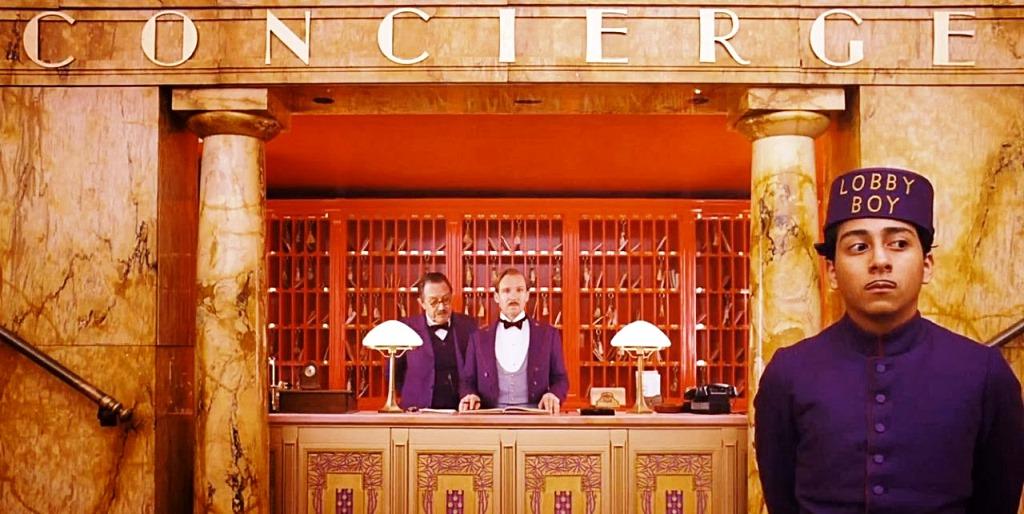
In a tech-focused concierge hotel, the physical environment is an extension of the service. The Internet of Things (IoT) has turned hotel rooms into “smart” spaces that respond to the guest’s presence and preferences, effectively acting as an invisible concierge.
Voice-Controlled Environments
Voice-activated technology, such as Amazon Alexa for Hospitality or Google Assistant-enabled devices, has become a staple in the high-tech concierge suite. These devices allow guests to control their environment—adjusting the thermostat, dimming the lights, or closing the curtains—using simple vocal commands. Beyond environmental control, these devices serve as information hubs, allowing guests to ask for weather updates, flight statuses, or to hear a briefing on the hotel’s amenities. This hands-free interaction adds a layer of luxury and accessibility that defines the modern concierge experience.
Keyless Entry and Contactless Connectivity
The hardware of the concierge hotel has also evolved. Bluetooth Low Energy (BLE) and Near Field Communication (NFC) technologies enable keyless entry systems, allowing guests to unlock their doors using their smartphones or smartwatches. This technology doesn’t just improve security; it streamlines the guest journey, removing the need to carry physical plastic cards. Furthermore, IoT sensors in the room can notify housekeeping when a guest has left, ensuring that “Make Up Room” services are performed at the most non-intrusive times, further refining the “invisible” service that a concierge hotel strives to provide.
Optimizing Operational Efficiency with Integrated Management Software
For a concierge hotel to function at a high level, the “back of the house” must be as tech-forward as the “front of the house.” Technology provides the infrastructure that allows staff to execute concierge-level service with surgical precision.
Real-Time Communication Platforms for Staff
The days of walkie-talkies and paper logs are over. Modern concierge hotels utilize specialized SaaS (Software as a Service) platforms like ALICE, Quore, or Amadeus HotSOS. These platforms act as the central nervous system of the hotel, allowing for real-time communication between departments. When a guest makes a request via the digital concierge app, it is automatically converted into a “ticket” that is dispatched to a staff member’s mobile device. Management can track the “Time to Fulfill,” identifying bottlenecks in service and ensuring that no guest request falls through the cracks.
Inventory Management and Automated Task Allocation
Automation plays a vital role in maintaining the high standards of a concierge hotel. Advanced software can now automate routine tasks such as inventory tracking for minibars or scheduling preventative maintenance for HVAC systems. By using sensor data and automated workflows, the hotel can ensure that facilities are always in peak condition. This proactive approach to maintenance ensures that the “concierge” promise of a perfect stay is met without the guest ever having to report an issue.
The Future Landscape: Virtual Reality and the Metaverse in Hospitality
As we look toward the future of the concierge hotel, the boundaries between the physical and digital worlds will continue to blur. Emerging technologies like Virtual Reality (VR) and the “Metaverse” are beginning to find their place in the hospitality tech stack.
Virtual Concierge and Immersive Pre-Stay Experiences
Forward-thinking concierge hotels are already experimenting with VR to offer “pre-stay” tours. Potential guests can put on a VR headset and explore the penthouse suite, walk through the spa, or view the layout of a conference hall from their own home. Once they arrive, Augmented Reality (AR) can enhance the concierge experience by providing interactive “wayfinding” through the hotel’s app, overlaying digital directions onto the physical hallways of the hotel.

Biometric Security and the “Frictionless” Future
The ultimate goal of the tech-driven concierge hotel is a completely frictionless experience. We are seeing the rise of biometric technology, where facial recognition can be used for check-in, payment at the hotel bar, or access to the executive lounge. While this raises important questions regarding digital security and data privacy—which hotels must address through robust encryption and transparent data policies—the technological potential for a “seamless” guest journey is immense.
In conclusion, the modern concierge hotel is no longer defined by a single individual or a specific desk. It is a sophisticated technological ecosystem that leverages AI, big data, and IoT to deliver a level of service that is both highly personalized and incredibly efficient. By embracing these digital tools, hotels are not replacing the human element; rather, they are empowering it, allowing for a more intuitive, responsive, and luxurious guest experience than ever before. For the tech-savvy traveler, the concierge is no longer just a person—it is a platform.
aViewFromTheCave is a participant in the Amazon Services LLC Associates Program, an affiliate advertising program designed to provide a means for sites to earn advertising fees by advertising and linking to Amazon.com. Amazon, the Amazon logo, AmazonSupply, and the AmazonSupply logo are trademarks of Amazon.com, Inc. or its affiliates. As an Amazon Associate we earn affiliate commissions from qualifying purchases.