
In the modern era of medicine, data is the most valuable currency. While many view a Complete Blood Count (CBC) as a standard medical procedure, it is, at its core, one of the most sophisticated examples of hardware-software integration in the diagnostic tech industry. The transition from manual cell counting under a microscope to high-throughput, AI-driven automated analyzers represents a massive leap in digital health technology.
To understand the CBC today is to understand the intersection of fluidics, optics, and complex algorithms. This article explores the technological landscape of hematology, the software powering modern laboratories, and how emerging tech trends like AI and cloud computing are redefining the boundaries of what a blood test can reveal.
The Evolution of Diagnostic Hardware: From Manual Slides to Automated Analyzers
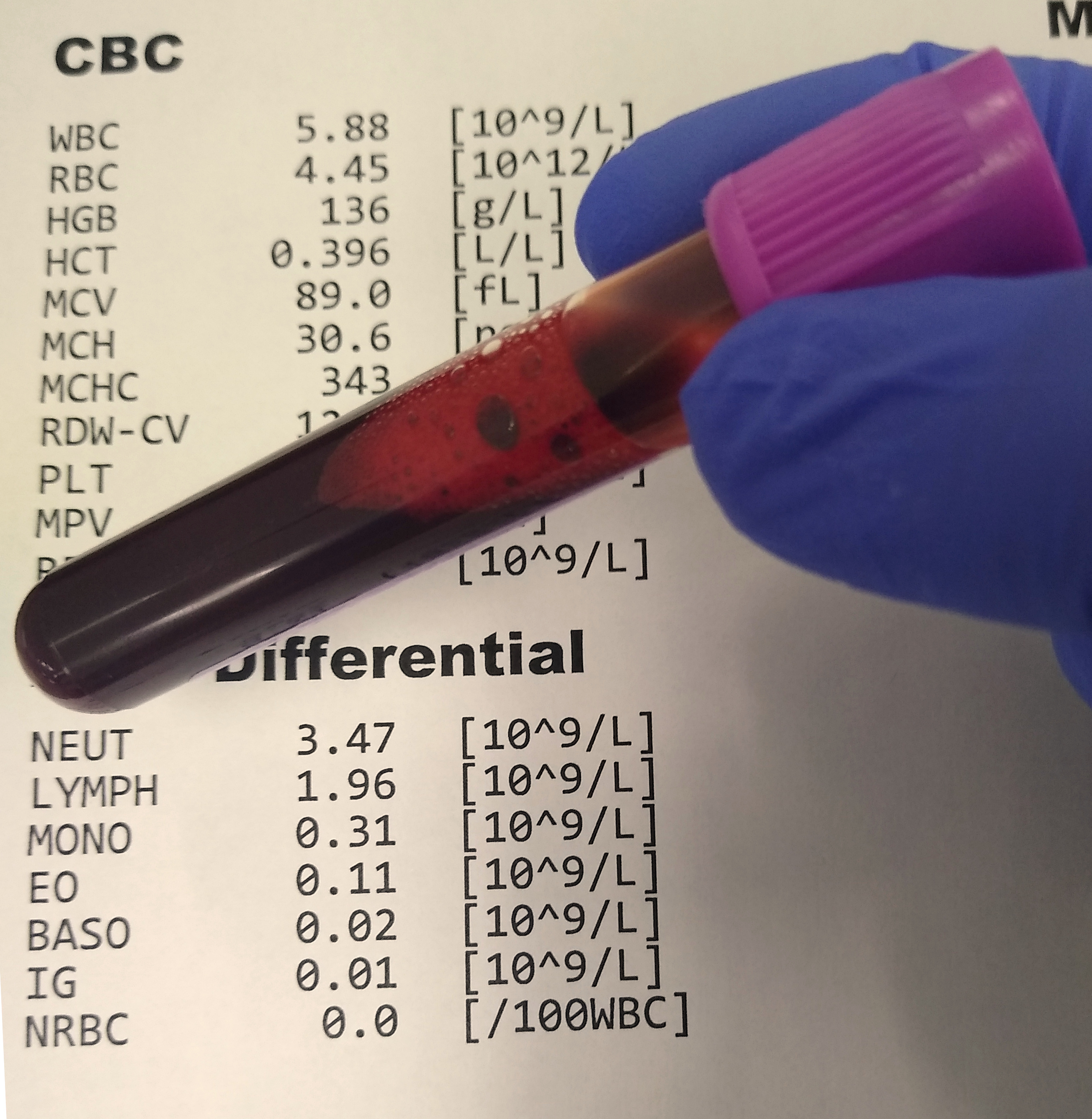
The journey of the CBC began with manual microscopy, a labor-intensive process prone to human error. However, the tech landscape shifted dramatically with the introduction of automated cell counting. Today’s laboratory analyzers are masterpieces of engineering that utilize advanced physics and digital processing to analyze millions of data points in seconds.
The Coulter Principle and the Birth of Bio-Sensors
The foundation of modern CBC technology lies in the Coulter Principle, a discovery that utilized electrical impedance to count and size particles. In a tech context, this was the first “smart sensor” in hematology. By passing cells through a micro-aperture and measuring the change in electrical resistance, the machine creates a digital footprint for every cell. Modern iterations of this hardware use multi-channel processing to handle high volumes of data, allowing a single machine to process hundreds of samples per hour with a precision that far exceeds human capabilities.
Flow Cytometry and Laser-Based Detection
While impedance provides the basics, flow cytometry represents the high-end “optical tech” of the CBC. Modern analyzers use laser diodes to perform “light scattering.” As each blood cell passes through a laser beam, the light scatters in different directions.
- Forward Scatter (FSC): Indicates the cell’s size.
- Side Scatter (SSC): Indicates the cell’s internal complexity (granularity).
This hardware generates a three-dimensional map of the blood sample, which is then interpreted by proprietary software to differentiate between various types of white blood cells. This is essentially “computer vision” applied to microscopic biological units.
Digital Morphology and High-Resolution Imaging
The latest trend in hematology tech is the move toward digital morphology. Instead of a technician looking through an eyepiece, automated high-resolution cameras capture thousands of individual cell images. These images are processed using edge-detection software and color-normalization algorithms to present a digital “slide” to the pathologist. This digitizes the workflow, allowing for remote diagnostics and the creation of massive datasets for further analysis.
The Role of Artificial Intelligence and Machine Learning in CBC Interpretation
If the hardware is the body of the CBC process, then Artificial Intelligence (AI) and Machine Learning (ML) are its brain. The sheer volume of data produced by a single CBC—ranging from hemoglobin levels to mean corpuscular volume (MCV)—is now being fed into neural networks to provide deeper insights than ever before.
Pattern Recognition and Neural Networks
Traditional CBC software relied on “flagging” systems—if a value was outside a set range, it triggered an alert. Modern tech has evolved into predictive modeling. ML algorithms are trained on millions of previous samples to recognize subtle patterns that might elude a human clinician. For example, AI can analyze the “scatterplots” from a flow cytometer to detect “atypical lymphocytes,” which are early indicators of viral infections or certain leukemias. These neural networks are trained using supervised learning, where thousands of confirmed cases are used to teach the software what “abnormality” looks like at a granular level.
Predictive Analytics for Disease Detection
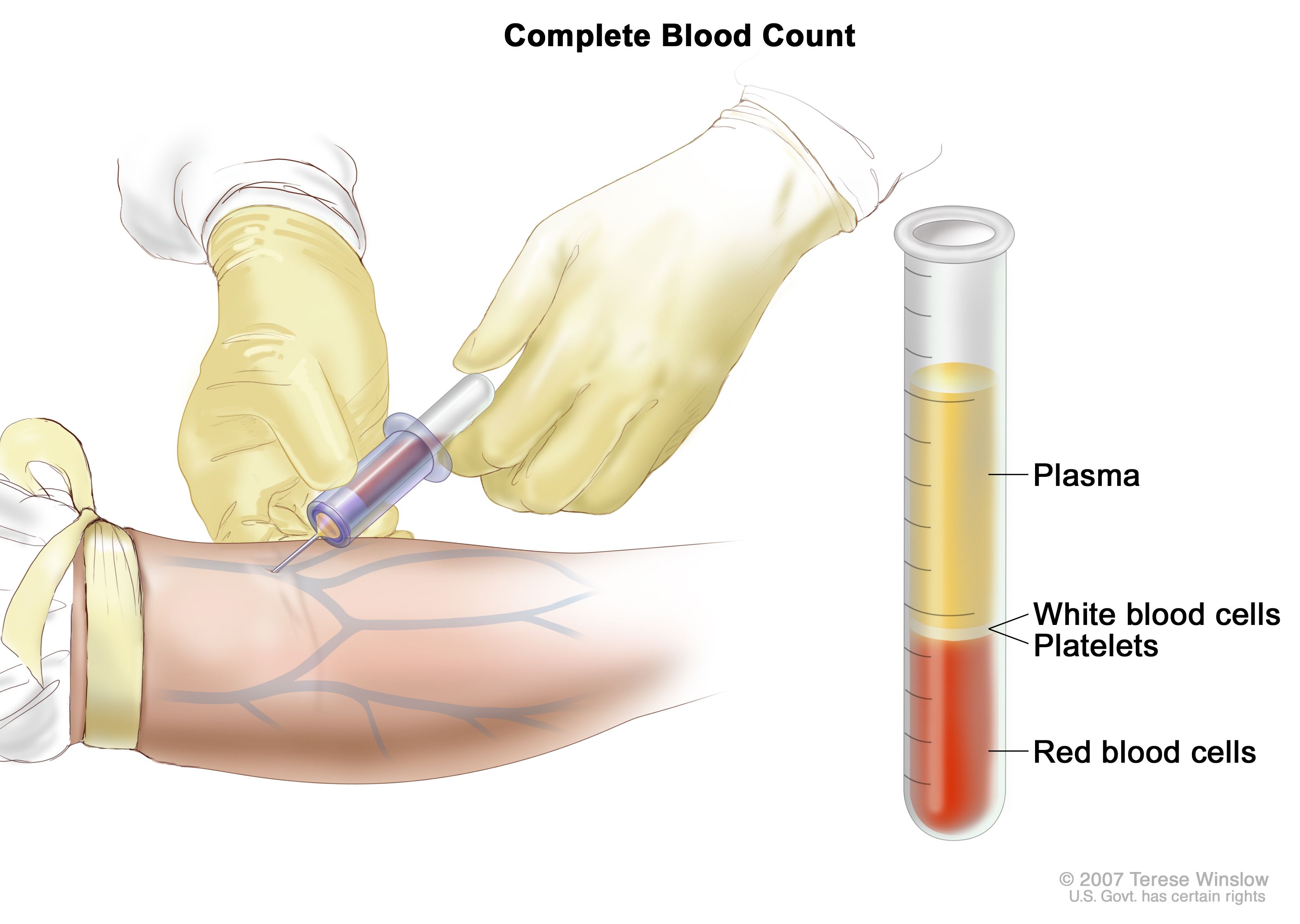
Beyond just counting cells, the tech industry is developing software that uses CBC data to predict outcomes. By applying “Big Data” analytics to longitudinal CBC results (results over time), AI can identify trends that suggest the early onset of chronic conditions. Startups in the MedTech space are currently building models that can predict the risk of sepsis in hospitalized patients by monitoring the “Rate of Change” in white blood cell counts—a task that requires real-time data processing and high-level algorithmic computation.
Reducing the “False Positive” Bottleneck
One of the biggest challenges in lab tech is the high rate of manual reviews triggered by automated flags. Advanced software suites are now using “fuzzy logic” and sophisticated filtering to reduce false positives. By refining the criteria through which a machine decides a sample is “abnormal,” labs can optimize their workflow, ensuring that human experts only spend time on the most complex cases. This is a classic example of AI augmenting human labor rather than replacing it.
Connected Health: How CBC Data Integrates into the Digital Ecosystem
The value of a CBC is significantly amplified when it is no longer a “data silo.” In the current tech landscape, interoperability—the ability of different software systems to communicate—is the primary focus for laboratory information systems (LIS).
API Integration and Electronic Health Records (EHR)
When a CBC is completed, the data doesn’t just sit on the machine. It is instantly transmitted via secure APIs (Application Programming Interfaces) to a hospital’s Electronic Health Record (EHR) system. This integration allows for “Real-Time Health Systems” where a doctor can see a patient’s blood results on a tablet seconds after the analyzer finishes its run. The tech behind this involves HL7 (Health Level Seven) standards, which ensure that data remains consistent and readable across different software platforms, from the lab’s Linux-based server to the physician’s iOS-based mobile app.
The Rise of Consumer-Facing Health Portals
Digital transformation has moved the CBC report from the doctor’s file to the patient’s smartphone. Through secure patient portals, users can now access their CBC data, complete with data visualizations (graphs and charts) that track their health trends over years. This “democratization of data” relies on secure cloud infrastructure and user-centric UI/UX design, making complex medical jargon accessible through intuitive digital interfaces.
Lab-on-a-Chip and Portable Diagnostics
The “Gadget” side of the CBC is moving toward miniaturization. Tech companies are developing “Lab-on-a-Chip” (LOC) devices that can perform a near-complete blood count using a single drop of blood and a device the size of a smartphone. These portable gadgets utilize microfluidics—the precise manipulation of fluids at a sub-millimeter scale—and integrated optical sensors. This tech is particularly transformative for remote areas or “Point-of-Care” (POC) testing, where immediate data is more valuable than the comprehensive depth of a full-scale laboratory.
Data Security and Privacy in Diagnostic Technology
As CBC results move from local machines to the cloud, the “Digital Security” aspect of medical tech becomes paramount. Blood data is highly sensitive biometric information, making it a prime target for cyber threats.
Encryption and Secure Laboratory Information Systems (LIS)
Modern Laboratory Information Systems (LIS) are built with multi-layered security protocols. Data is encrypted both “at rest” (stored on a server) and “in transit” (moving between the lab and the doctor). Using AES-256 encryption standards, tech providers ensure that even if data packets are intercepted, they are unreadable. Furthermore, the use of blockchain technology is being explored to create immutable logs of who accessed the data, providing a transparent audit trail for HIPAA compliance and data integrity.
Compliance-as-a-Service in MedTech
For tech companies entering the diagnostic space, compliance with regulations like GDPR or HIPAA is a significant barrier to entry. This has led to the rise of “Compliance-as-a-Service” (CaaS), where cloud providers like AWS and Microsoft Azure offer specialized, pre-configured environments for hosting diagnostic data. These platforms handle the physical and digital security requirements, allowing software developers to focus on the analytical tools that interpret the CBC data.
The Ethical Implications of Genomic-Integrated CBCs
As tech allows us to look deeper into the blood, the line between a simple cell count and genetic sequencing is blurring. Some advanced analyzers are now capable of detecting genetic markers within white blood cells. This raises significant “Digital Ethics” questions: Who owns the data? How should it be stored? As we integrate more AI into CBC analysis, ensuring that algorithms are free from bias and that data is used ethically remains a top priority for the tech community.
Conclusion: The Future of the CBC is Digital
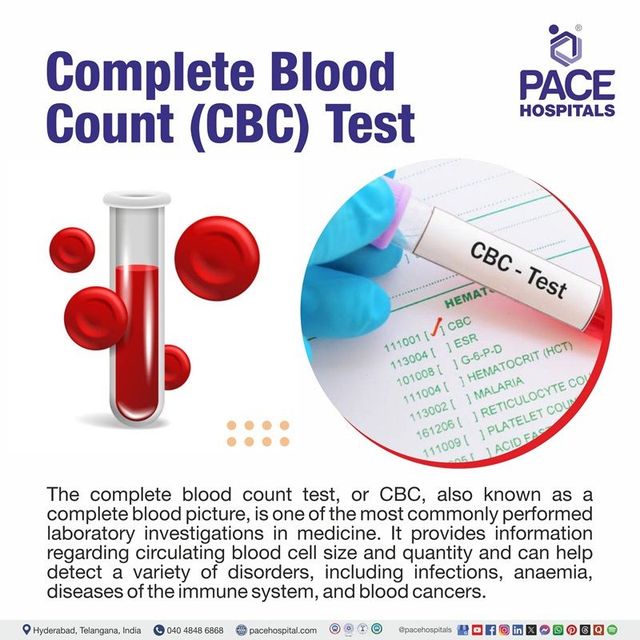
The Complete Blood Count is far more than a routine check-up tool; it is a frontline application of some of the most advanced technology available today. From the hardware that uses lasers to count microscopic particles to the AI that interprets those counts to predict life-saving interventions, the CBC is a testament to the power of digital innovation.
As we look toward the future, the integration of wearable tech—which may one day offer continuous, non-invasive blood monitoring—and the refinement of “digital twins” in healthcare will continue to rely on the foundational data provided by the CBC. For tech professionals, the diagnostic space offers a unique challenge: building systems that are not only fast and efficient but also incredibly precise and unshakeably secure. The revolution of the CBC is not just happening in the lab; it’s happening in the code, the cloud, and the silicon.
aViewFromTheCave is a participant in the Amazon Services LLC Associates Program, an affiliate advertising program designed to provide a means for sites to earn advertising fees by advertising and linking to Amazon.com. Amazon, the Amazon logo, AmazonSupply, and the AmazonSupply logo are trademarks of Amazon.com, Inc. or its affiliates. As an Amazon Associate we earn affiliate commissions from qualifying purchases.