
In the intricate world of business and finance, understanding the components of employee compensation is crucial for both employers and employees alike. One term that frequently arises in these discussions is “comp pay,” which often sparks curiosity and sometimes confusion. At its core, comp pay is an umbrella term encompassing all forms of monetary and non-monetary rewards provided to an employee in exchange for their labor. It’s a multifaceted concept that goes beyond a simple base salary, aiming to attract, retain, and motivate a high-performing workforce.
The significance of comp pay cannot be overstated. For businesses, a well-structured compensation strategy is a powerful tool for achieving organizational objectives. It influences employee morale, productivity, and ultimately, the company’s bottom line. For individuals, understanding comp pay empowers them to negotiate effectively, assess job offers comprehensively, and make informed career decisions. This article will delve into the various facets of comp pay, exploring its fundamental elements, its strategic importance, and the key considerations for its implementation and management.

The Building Blocks of Compensation
To truly grasp what comp pay entails, it’s essential to break it down into its constituent parts. While the exact mix and emphasis may vary significantly across industries, company sizes, and geographic locations, most compensation packages can be understood through these fundamental building blocks.
Base Salary: The Foundation of Earnings
The base salary, often referred to as base pay, is the fixed, guaranteed amount of money an employee receives for their work, typically paid on a regular schedule (e.g., weekly, bi-weekly, or monthly). It forms the bedrock of an employee’s earnings and is usually determined by factors such as the employee’s role, experience level, skills, market demand for their position, and the company’s compensation philosophy.
- Role and Responsibilities: The complexity and scope of an employee’s duties are primary drivers of their base salary. Higher levels of responsibility and specialized skills generally command higher base pay.
- Experience and Tenure: Employees with more years of experience and a proven track record in their field are typically compensated more generously. Tenure within a specific company can also influence salary progression, although this is often tied to performance and promotion cycles.
- Market Value: Companies benchmark their salaries against industry averages to ensure they are competitive in attracting talent. External market data plays a significant role in setting appropriate base pay ranges.
- Skills and Qualifications: Possessing in-demand skills, advanced degrees, or specific certifications can significantly boost an individual’s earning potential and thus their base salary.
Variable Pay: Performance-Driven Incentives
Beyond the guaranteed base salary, variable pay introduces an element of performance-based compensation. This means a portion of an employee’s earnings is directly tied to achieving specific goals, either individually, as a team, or at the organizational level. Variable pay is a powerful motivator, aligning employee efforts with business objectives and rewarding exceptional contributions.
Bonuses: Rewarding Achievements
Bonuses are a common form of variable pay, typically awarded as a lump sum payment upon the achievement of predetermined performance targets or for exceptional contributions. These can take various forms:
- Performance Bonuses: Awarded based on individual, team, or company performance against established goals (e.g., sales targets, project completion milestones, profit margins).
- Sign-on Bonuses: Offered to attract new hires, often used to compensate for lost bonuses or benefits from a previous employer, or to secure talent in a competitive market.
- Retention Bonuses: Paid to key employees to incentivize them to stay with the company for a specified period, particularly during times of uncertainty or high demand for their skills.
- Spot Bonuses: Discretionary bonuses awarded for outstanding efforts or contributions that go above and beyond regular duties, often given as immediate recognition.
Commissions: Driving Sales and Revenue
Commission-based compensation is prevalent in sales roles, where a portion of an employee’s earnings is directly linked to the revenue they generate or the deals they close. This model is highly effective in motivating sales professionals to maximize their output and contribute directly to the company’s financial success.
- Percentage of Sales: Employees earn a predetermined percentage of the total sales value they achieve.
- Tiered Commissions: Commission rates can increase as sales volume or revenue targets are met or exceeded, providing a strong incentive for higher performance.
- Draw Against Commission: Some commission structures include a guaranteed minimum income (a draw) that is then deducted from earned commissions. This provides a safety net while still encouraging sales efforts.
Profit Sharing: Sharing in the Company’s Success
Profit sharing plans distribute a portion of a company’s profits to its employees. This form of variable pay fosters a sense of ownership and shared destiny, encouraging employees to work towards improving the company’s overall profitability.
- Cash Profit Sharing: Employees receive a direct cash payment based on a percentage of the company’s profits.
- Deferred Profit Sharing: A portion of the profits is contributed to an employee’s retirement account, offering a long-term financial benefit.
Beyond the Paycheck: Non-Monetary Compensation
While monetary rewards form the core of comp pay, the concept extends to encompass a wide array of non-monetary benefits and perks that significantly contribute to an employee’s overall well-being and job satisfaction. These elements are increasingly important in today’s competitive job market, as they can differentiate an employer and foster loyalty.
Benefits: Essential Support and Security
Employee benefits are a critical component of comp pay, providing essential support and security that extends beyond direct wages. These benefits often represent a substantial cost to employers but are highly valued by employees and can significantly impact recruitment and retention.
- Health Insurance: Comprehensive health insurance plans, including medical, dental, and vision coverage, are a cornerstone of most benefit packages, providing peace of mind for employees and their families.
- Retirement Plans: Employer-sponsored retirement plans, such as 401(k)s or pension plans, often with employer matching contributions, are vital for long-term financial security.
- Paid Time Off (PTO): This includes vacation days, sick leave, and holidays, allowing employees to rest, recharge, and attend to personal needs without financial penalty.
- Life and Disability Insurance: These policies offer financial protection in the event of death or long-term disability, providing a crucial safety net.
Perks and Other Entitlements: Enhancing the Employee Experience
In addition to core benefits, many companies offer a variety of perks and entitlements designed to enhance the employee experience, improve work-life balance, and foster a positive company culture.
- Professional Development and Training: Opportunities for continuous learning, skill enhancement, and career advancement through workshops, courses, or tuition reimbursement are highly valued.
- Flexible Work Arrangements: Offering options like remote work, hybrid schedules, or flexible hours can significantly improve work-life integration and employee satisfaction.
- Wellness Programs: Initiatives such as gym memberships, on-site fitness facilities, mental health support, and wellness challenges promote employee health and well-being.
- Company Culture and Environment: A positive, supportive, and inclusive work environment, coupled with opportunities for team building and social engagement, contributes significantly to overall job satisfaction.
- Stock Options and Equity: For many employees, particularly in tech and startup environments, stock options or grants can represent a significant portion of their total compensation, offering the potential for substantial financial gain if the company performs well.
The Strategic Importance of Comp Pay
Effective comp pay is not merely a matter of transactional exchange; it’s a strategic imperative that influences an organization’s ability to thrive and achieve its long-term goals. A well-designed compensation strategy is a powerful lever for driving business success.
Attracting Top Talent
In today’s competitive labor market, companies must offer compelling compensation packages to attract the most skilled and qualified individuals. A comprehensive comp pay structure that balances competitive base salaries with attractive variable pay and valuable benefits signals that an organization values its employees and invests in their success.
- Competitive Benchmarking: Regularly reviewing and adjusting compensation to align with or exceed industry standards is crucial for staying competitive in talent acquisition.
- Highlighting Unique Benefits: Showcasing distinctive perks and benefits that cater to the needs and desires of the target talent pool can be a significant differentiator.
- Transparency and Clarity: Clearly communicating the total compensation package, including all monetary and non-monetary components, helps candidates make informed decisions and appreciate the full value of an offer.
Retaining High-Performing Employees
The cost of employee turnover can be substantial, encompassing recruitment expenses, training, lost productivity, and institutional knowledge. A robust comp pay strategy plays a vital role in retaining valuable employees by ensuring they feel fairly compensated and recognized for their contributions.
- Performance Recognition: Linking variable pay and other rewards to individual and team performance demonstrates that the company recognizes and values exceptional contributions.
- Career Path Development: Offering clear opportunities for growth and advancement, coupled with commensurate salary increases, incentivizes employees to stay and develop their careers within the organization.
- Addressing Compensation Gaps: Periodically reviewing salaries and making adjustments to address market shifts or internal equity concerns is essential for preventing dissatisfaction and potential departures.
Driving Employee Engagement and Productivity
Compelling compensation structures can significantly influence employee motivation and engagement. When employees understand how their efforts translate into rewards, they are more likely to be committed to their roles and strive for higher levels of performance.
- Clear Goal Setting: Establishing clear, measurable, achievable, relevant, and time-bound (SMART) goals that are directly linked to variable pay can provide a strong sense of purpose and direction.
- Fairness and Equity: Ensuring that compensation practices are perceived as fair and equitable across the organization is paramount for fostering trust and preventing resentment.
- Regular Performance Feedback: Providing consistent and constructive feedback on performance, coupled with recognition for achievements, reinforces the link between effort, results, and rewards.
Key Considerations in Comp Pay Management
Designing and managing a comp pay strategy is an ongoing process that requires careful planning, continuous evaluation, and adaptation to evolving market conditions and organizational needs. Several key considerations are paramount for ensuring the effectiveness and sustainability of a compensation program.
Compensation Philosophy
Every organization needs a clear compensation philosophy that guides its approach to paying its employees. This philosophy should align with the company’s overall business strategy, values, and culture. It defines the organization’s stance on issues such as:
- Market Positioning: Will the company aim to pay at, above, or below the market rate for similar roles?
- Pay for Performance: To what extent will compensation be linked to individual, team, or organizational performance?
- Internal Equity: How will the company ensure that employees in similar roles with similar performance levels are compensated fairly relative to each other?
- Flexibility vs. Standardization: How much flexibility will managers have in setting individual compensation, versus standardized pay structures?
Legal and Regulatory Compliance
Compensation practices are subject to a complex web of legal and regulatory requirements that vary by jurisdiction. Businesses must ensure their comp pay practices comply with all applicable laws, including those related to minimum wage, overtime, equal pay, and non-discrimination. Failure to comply can result in significant legal penalties and damage to the company’s reputation.
- Equal Pay Legislation: Laws such as the Equal Pay Act and Title VII of the Civil Rights Act prohibit wage discrimination based on sex, race, religion, or national origin.
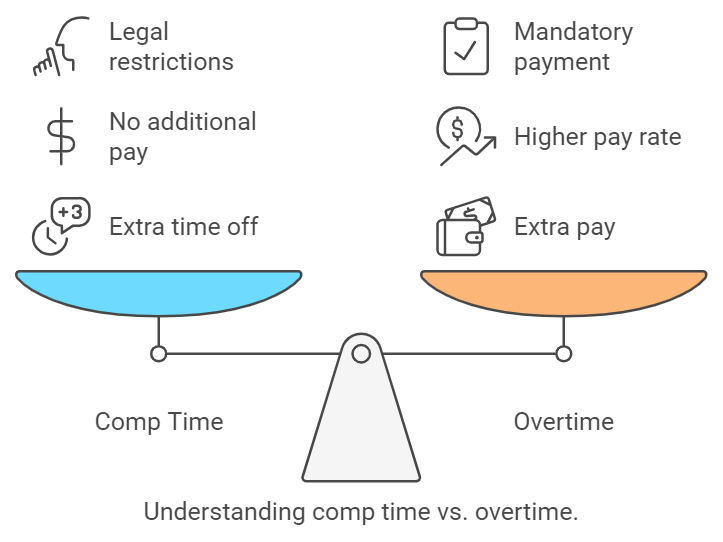
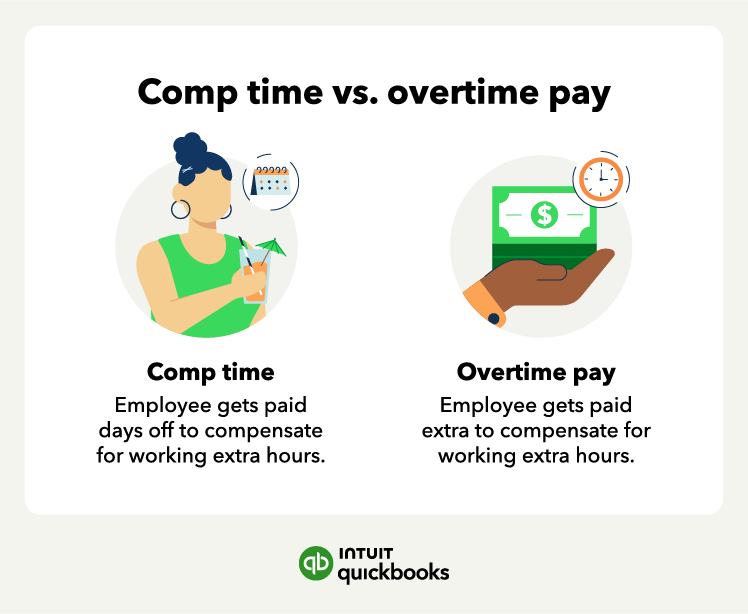
- Minimum Wage and Overtime Laws: Regulations like the Fair Labor Standards Act (FLSA) in the United States establish minimum wage requirements and rules for overtime pay for non-exempt employees.
- Benefits Regulations: Laws governing retirement plans (e.g., ERISA in the US) and healthcare benefits (e.g., ACA in the US) impose specific requirements on employers.
Data Analysis and Market Research
To design and maintain a competitive and effective comp pay strategy, organizations must rely on robust data analysis and ongoing market research. This involves understanding current compensation trends, salary benchmarks for various roles and industries, and the broader economic landscape.
- Salary Surveys: Utilizing reputable salary surveys provides valuable data on compensation levels for comparable positions in the market.
- Internal Data Analysis: Analyzing internal compensation data, including salary history, performance ratings, and employee demographics, can help identify trends, potential inequities, and areas for improvement.
- Economic Indicators: Staying abreast of economic factors such as inflation, unemployment rates, and industry-specific growth trends can inform compensation adjustments.
Continuous Evaluation and Adaptation
The business environment is dynamic, and so too must be an organization’s comp pay strategy. Regular evaluation and adaptation are crucial to ensure that compensation programs remain relevant, competitive, and aligned with evolving business needs and employee expectations.
- Annual Compensation Reviews: Conducting annual reviews of base salaries, bonuses, and benefits helps ensure that compensation remains competitive and reflects individual performance and market changes.
- Employee Feedback: Soliciting feedback from employees about their satisfaction with their compensation and benefits can provide valuable insights for improvement.
- Flexibility to Adapt: Being prepared to adjust compensation strategies in response to significant market shifts, organizational restructuring, or emerging talent acquisition challenges is key to long-term success.
In conclusion, comp pay is a sophisticated and vital aspect of organizational management. It encompasses all forms of remuneration, from base salaries and variable incentives to a comprehensive array of benefits and perks. A strategically designed and well-managed comp pay program is not merely an operational necessity but a powerful driver of talent acquisition, retention, employee engagement, and ultimately, the sustained success of any business. Understanding its components, appreciating its strategic importance, and diligently managing its various facets are essential for navigating the modern employment landscape effectively.
aViewFromTheCave is a participant in the Amazon Services LLC Associates Program, an affiliate advertising program designed to provide a means for sites to earn advertising fees by advertising and linking to Amazon.com. Amazon, the Amazon logo, AmazonSupply, and the AmazonSupply logo are trademarks of Amazon.com, Inc. or its affiliates. As an Amazon Associate we earn affiliate commissions from qualifying purchases.