
For decades, the diagnosis and management of colonic diverticula—small, bulging pouches that can form in the lining of the digestive system—remained a relatively static field of medicine. However, as we move further into the decade of digital transformation, the intersection of gastroenterology and advanced technology is rewriting the narrative of this common condition. From AI-enhanced diagnostic tools to robotic-assisted interventions, technology is not just identifying these pouches; it is revolutionizing how we predict, monitor, and treat them.
Decoding Colonic Diverticula: From Biological Anomaly to Data-Driven Diagnosis
Before diving into the hardware and software, it is essential to understand the “target.” Colonic diverticula occur when weak spots in the colon wall give way under pressure, protruding outward. While often asymptomatic, they can lead to diverticulitis, a painful and potentially life-threatening inflammation. Traditionally, these were identified through standard imaging, but the tech sector is now providing much higher resolution.
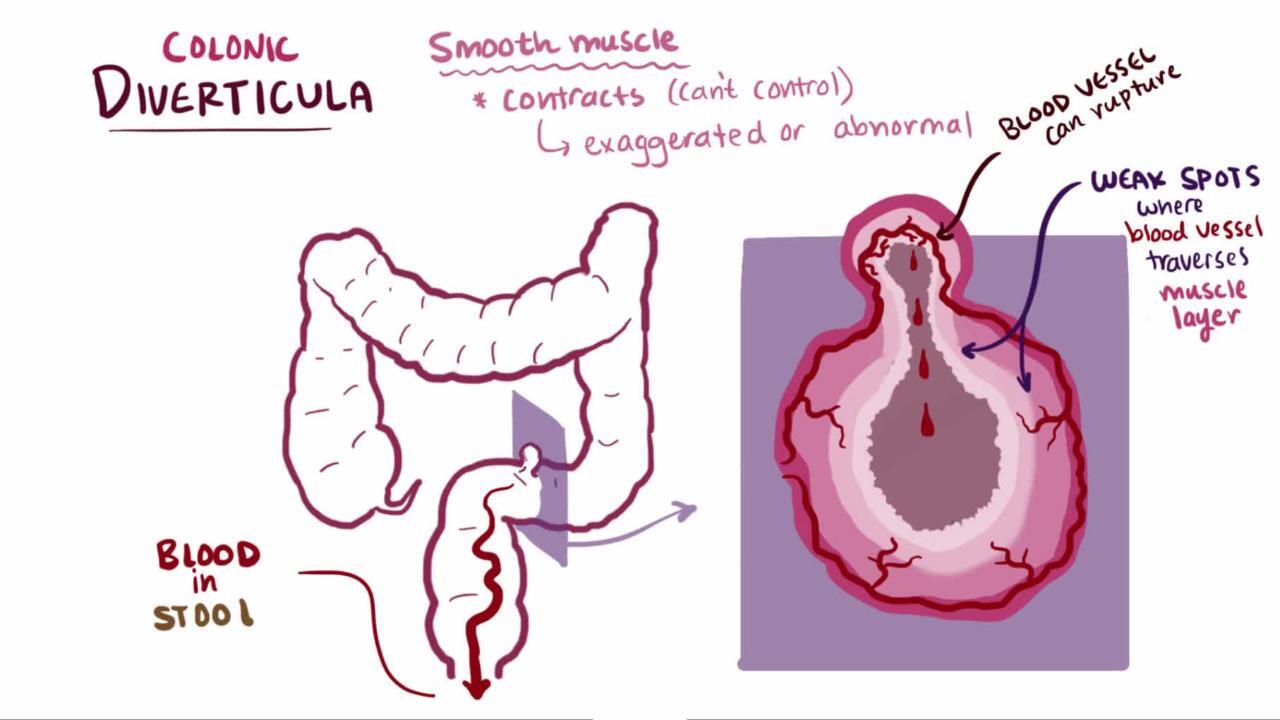
The Anatomy of the Condition in a Digital Context
In the realm of medical technology, colonic diverticula are no longer viewed as mere physical lesions but as data points within a patient’s “digital twin.” By using high-speed computed tomography (CT) and magnetic resonance imaging (MRI), technologists have developed 3D reconstruction software that allows clinicians to virtually fly through a patient’s colon. This “virtual colonoscopy” uses sophisticated algorithms to filter out noise and highlight the precise location, size, and quantity of diverticula, providing a roadmap that was previously impossible to obtain without invasive procedures.
High-Resolution Imaging: The First Line of Tech-Defense
The leap from analog to digital imaging has been profound. Modern CT scanners now utilize “iterative reconstruction” algorithms to produce crystal-clear images of the bowel wall while significantly reducing radiation exposure. For patients with colonic diverticula, this means more frequent, safer monitoring. These digital images are then processed through cloud-based platforms where radiologists across the globe can collaborate in real-time, ensuring that even the most minute diverticular pocket is accounted for before it becomes a clinical complication.
AI and Machine Learning: Revolutionizing Detection and Risk Assessment
The true game-changer in managing colonic diverticula is Artificial Intelligence (AI). While a human doctor might miss a small pouch or a subtle sign of inflammation during a routine check, AI models trained on millions of endoscopic images do not blink.
Computer-Aided Detection (CADe) in Colonoscopies
During a colonoscopy, the primary goal is to identify polyps, but the presence of diverticula can complicate the procedure, often obscuring the view of the intestinal wall. New AI-integrated endoscopic systems use Computer-Aided Detection (CADe) to provide real-time overlays on the surgical monitor. These systems highlight areas of concern, differentiating between benign diverticula and early-stage neoplastic growths that might be hidden within the folds. By increasing the “adenoma detection rate” (ADR), this technology ensures that patients with diverticular disease receive a more thorough screening, reducing the risk of missed diagnoses.
Predictive Analytics for Diverticulitis Flare-ups
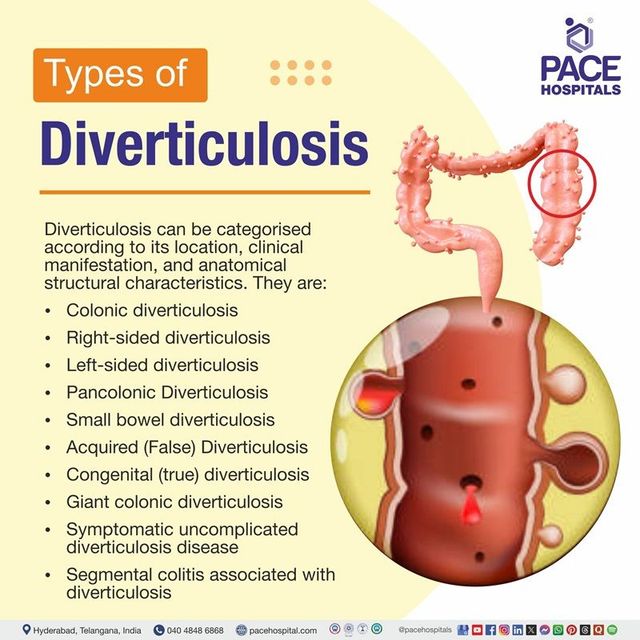
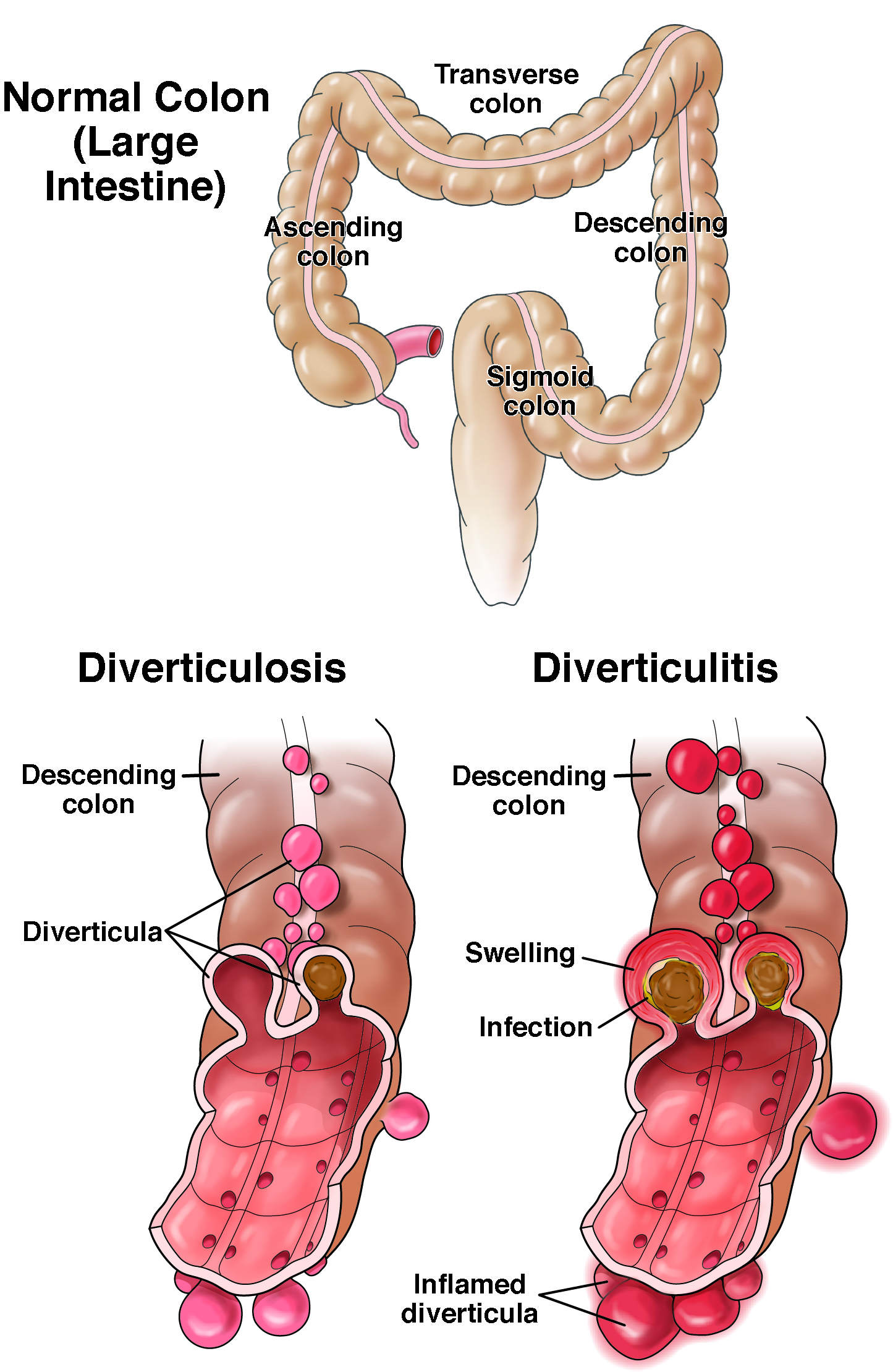
One of the most stressful aspects for a patient diagnosed with colonic diverticula is the unpredictability of a flare-up. Enter machine learning (ML). By analyzing vast datasets—including genetic markers, microbiome sequencing, and digital health records—ML models are being developed to predict which patients are at a higher risk of progressing from diverticulosis (the presence of pouches) to diverticulitis (the inflammation of pouches). These predictive tools allow for “proactive medicine,” where lifestyle interventions or tech-based monitoring can be escalated before a patient ever reaches the emergency room.
The Surgical Revolution: Robotics and Minimally Invasive Tech
When colonic diverticula lead to severe complications like perforations or strictures, surgical intervention is often required. This is where the most impressive hardware in the tech world comes into play. The transition from open surgery to robotic-assisted procedures represents a monumental shift in patient outcomes.
Robotic-Assisted Colectomy: Precision in Treatment
Systems like the Da Vinci surgical robot have become the gold standard for complex colonic resections. In cases where diverticula have caused significant damage to a section of the colon, surgeons use robotic arms that offer a greater range of motion and precision than the human hand. These robots provide a 10x magnified, high-definition 3D view of the surgical site. For the patient, this “tech-first” approach translates to smaller incisions, less blood loss, and a significantly faster return to normal activity. The integration of “firefly technology”—an infrared fluorescence imaging system—allows surgeons to visualize blood flow to the colon in real-time, ensuring the healthy tissue is preserved while the diseased segments are removed.
Smart Sutures and Biometric Monitoring Post-Surgery
The innovation doesn’t end when the robot is powered down. The next frontier in treating diverticular complications involves “smart” technology integrated into the healing process. Researchers are currently developing bio-electronic sutures capable of monitoring the pH levels and temperature at the site of a colonic anastomosis (the point where the colon is reconnected). If the tech detects a change in these metrics, it can wirelessly alert the medical team to a potential leak or infection long before physical symptoms appear, effectively using the Internet of Medical Things (IoMT) to save lives.
Digital Therapeutics and Remote Patient Management (RPM)
Managing colonic diverticula is often a lifelong journey centered around diet and lifestyle. Technology has moved this management out of the doctor’s office and into the palm of the patient’s hand through digital therapeutics and Remote Patient Management (RPM).
Wearable Tech and Gut Microbiome Monitoring
We are entering an era where wearables do more than count steps. New patches and “smart pills” are being designed to monitor the transit time of food through the digestive tract. For someone with colonic diverticula, knowing how their gut is moving in real-time can be a vital tool in preventing the stagnation that often leads to inflammation. Furthermore, at-home microbiome testing kits use DNA sequencing technology to give patients a digital breakdown of their gut bacteria. By syncing this data with a smartphone app, patients can receive personalized, AI-driven dietary recommendations tailored specifically to the health of their diverticula.
Mobile Health Apps for Dietary Optimization and Symptom Tracking
The “app-ification” of gastrointestinal health has led to a surge in specialized software for diverticular disease. These apps use sophisticated logging algorithms to correlate specific food groups with symptom flare-ups. Over time, the app builds a personal profile for the user, identifying “trigger foods” that might cause pressure in the colonic pouches. Some platforms even offer “tele-nutrition,” connecting patients with dietitians via encrypted video links to discuss the data collected by the app. This creates a feedback loop of continuous care that keeps the condition managed and the patient informed.
The Future of Digestive Health: A Tech-Integrated Roadmap
As we look toward the future, the management of colonic diverticula will likely become even more integrated with emerging technologies like 5G and augmented reality (AR). Imagine a world where a specialist in London can guide a robot in a rural clinic to perform a delicate diverticular repair via a low-latency 5G connection. Or consider the potential of AR glasses that allow a GP to “see” a 3D overlay of a patient’s internal colonic structure during a routine physical exam.
The digital transformation of this field is not just about cool gadgets; it is about the democratization of high-quality healthcare. By leveraging AI, robotics, and mobile tech, we are moving toward a future where “what is colonic diverticula” is a question answered not just with a medical definition, but with a comprehensive, personalized digital strategy for health. The pouches in the colon may be a physical reality, but the tools we use to conquer them are now firmly rooted in the digital age. Through constant innovation, the tech industry is ensuring that a diagnosis of diverticula is no longer a source of uncertainty, but a manageable data point in a long and healthy life.
aViewFromTheCave is a participant in the Amazon Services LLC Associates Program, an affiliate advertising program designed to provide a means for sites to earn advertising fees by advertising and linking to Amazon.com. Amazon, the Amazon logo, AmazonSupply, and the AmazonSupply logo are trademarks of Amazon.com, Inc. or its affiliates. As an Amazon Associate we earn affiliate commissions from qualifying purchases.