
In the contemporary global marketplace, a nation’s cuisine is no longer merely a matter of cultural heritage; it is a powerful component of its “Nation Brand.” When we ask, “What is Colombian food?” from a strategic perspective, we are not just discussing ingredients like corn, beans, or coffee. We are analyzing a complex brand architecture that encompasses biodiversity, gastro-diplomacy, and a rapidly evolving corporate identity. For years, Colombia’s global image was overshadowed by external narratives. Today, the country is leveraging its culinary assets to redefine its brand strategy, moving from a commodity-based exporter to a high-value cultural powerhouse.

Building a brand around a national cuisine requires a delicate balance between authenticity and commercial scalability. For Colombia, this involves distilling a dizzying array of regional influences into a cohesive brand promise that resonates with international consumers, investors, and travelers.
1. Defining the Core Identity: The “Megadiverse” Brand Asset
The first step in any brand strategy is identifying the Unique Selling Proposition (USP). For Colombian food, that USP is rooted in “Megadiversity.” Colombia is the second most biodiverse country on the planet, and its culinary brand reflects this through a staggering variety of ingredients that cannot be found elsewhere.
The Power of Regional Sub-Branding
To understand the Colombian food brand, one must view it as a portfolio of regional sub-brands. The Caribbean coast offers a brand identity of tropical fusion; the Andean highlands provide a narrative of comfort and tradition; the Pacific coast represents Afro-Colombian soul and sustainable seafood; and the Amazonian region serves as the “innovation lab” for exotic flavors. By segmenting the national brand into these regional identities, Colombia avoids a “one size fits all” marketing approach, allowing for a more nuanced and sophisticated market entry.
Authenticity as a Premium Luxury
In the modern branding world, authenticity is a high-value currency. The Colombian food brand leverages “ancestral techniques”—such as slow-cooking in clay pots or fermenting indigenous grains—as a way to differentiate itself from the homogenized global fast-food market. This positioning allows Colombian culinary ventures to move into the premium and luxury tiers of the international market, appealing to the “conscious consumer” who values heritage and storytelling.
2. Strategic Narrative: Moving Beyond the “Coffee and Tropes” Paradigm
For decades, the Colombian brand was synonymous with two things: high-quality coffee and a turbulent political history. A successful brand pivot requires changing the conversation. The “What is Colombian Food” narrative is the primary engine for this transformation, repositioning the country as a destination for sophisticated sensory experiences.
Rebranding through Gastro-diplomacy
Gastro-diplomacy is the practice of using food as a tool of soft power. The Colombian government, through agencies like ProColombia, has integrated culinary excellence into its official brand strategy. By sponsoring international food festivals and supporting Colombian chefs in the “World’s 50 Best” rankings, the state is effectively using food to “cleanse” the brand and replace old stereotypes with images of vibrant markets, world-class plating, and innovative techniques.
The “Sabrosura” Marketing Campaign
Central to the modern Colombian brand is the concept of Sabrosura—a term that encompasses flavor, rhythm, and a specific “joy of living.” This is a classic lifestyle branding technique. Instead of selling a plate of Bandeja Paisa (a traditional platter), the brand sells the experience of Colombian warmth and abundance. This emotional connection is what builds brand loyalty in international markets, turning casual diners into brand evangelists for the country.
3. The Role of Ingredients in Corporate Identity and Supply Chain
A brand is only as strong as its product quality. In the culinary world, this translates to the integrity of the ingredients. Colombia’s strategy involves moving up the value chain—from exporting raw materials to branding specific, protected-origin products.
Geographical Indication (GI) as a Competitive Edge
Just as Champagne is protected in France, Colombia has worked to secure Geographical Indications for products like Café de Colombia and Cholupa de Huila. From a branding perspective, GI status acts as a seal of quality and exclusivity. It tells the consumer that the product is tied to a specific terroir, which justifies a higher price point and protects the brand from low-quality imitations.
Sustainability and Ethical Branding
The modern corporate identity of Colombian food is increasingly tied to ESG (Environmental, Social, and Governance) goals. By highlighting the relationship between “farm to table” and the support of small-scale farmers in post-conflict zones, the Colombian food brand aligns itself with global trends in ethical consumption. This “peace-building through plates” narrative is a powerful marketing tool that resonates with corporate partners and high-end culinary institutions globally.
4. Scaling the Brand: From Local Tradition to Global Franchise
One of the biggest challenges in food branding is scalability. How do you take a traditional, localized dish and turn it into a global franchise model? The Colombian market is currently witnessing a professionalization of its culinary sector that aims to answer this question.
The Modernization of Street Food
Brands like Crepes & Waffles (a Colombian success story) or various high-end Areperías have shown that traditional concepts can be standardized without losing their soul. By applying rigorous corporate strategy—standardized SOPs (Standard Operating Procedures), consistent visual identities, and targeted digital marketing—Colombian food concepts are becoming “franchise-ready” for markets in Miami, Madrid, and London.
High-End Gastronomy as Brand Ambassadors
The rise of “Star Chefs” like Leonor Espinosa and Álvaro Clavijo serves a specific function in the brand hierarchy: they are the “halo” products. Just as a luxury car brand might have a Formula 1 team to demonstrate technical prowess, these high-end restaurants prove that Colombian food can compete at the highest levels of global excellence. This prestige trickles down, increasing the perceived value of the entire Colombian food brand, including mid-market and casual dining sectors.
5. Digital Presence and the Future of the Culinary Brand
In the digital age, a brand exists as much online as it does in physical space. The future of the “Colombian Food” brand depends on its ability to dominate digital narratives and leverage new technologies.
Content Marketing and the Visual Economy
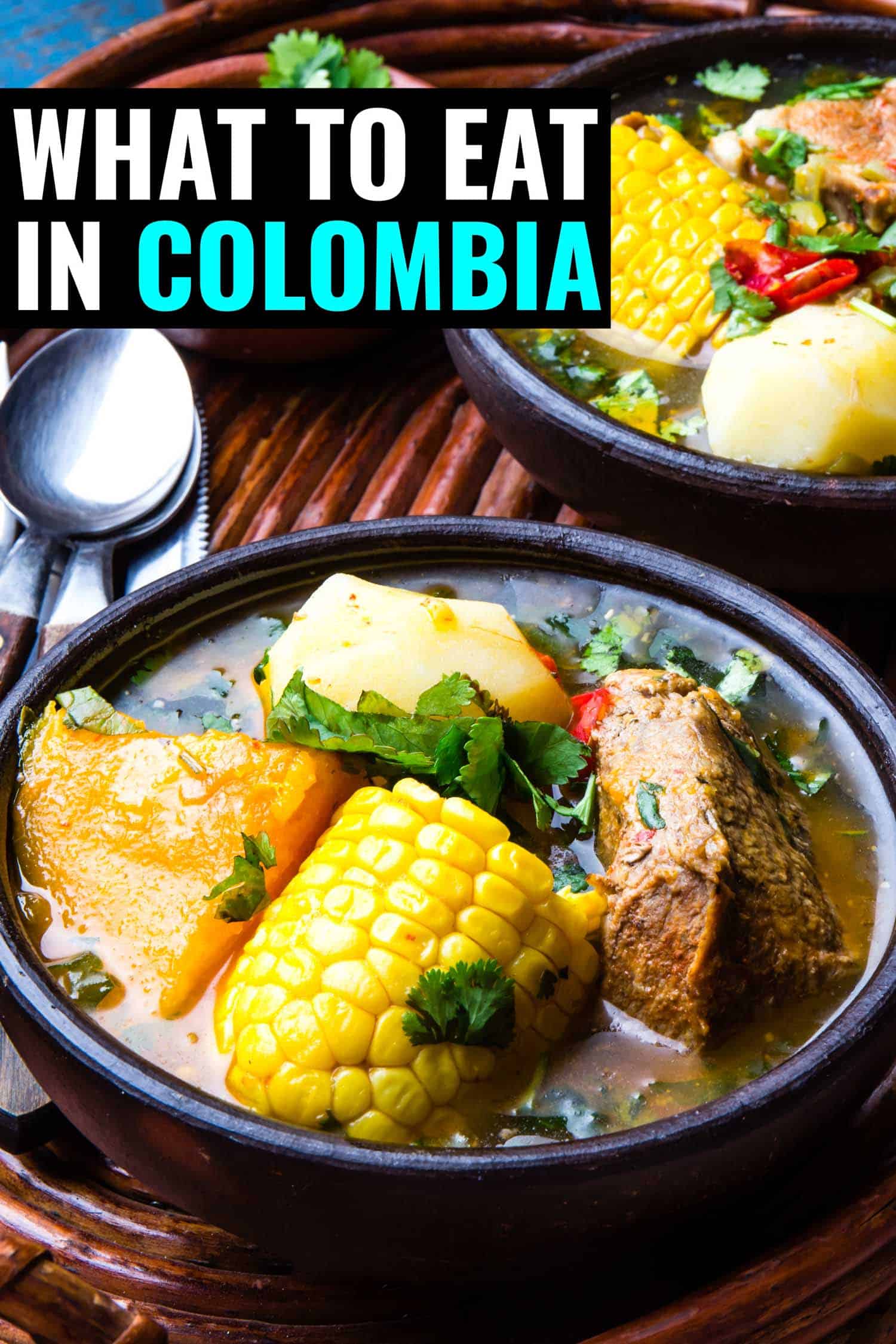
Colombian food is inherently photogenic—the bright yellows of corn, the deep greens of avocado, and the vibrant colors of tropical fruits. A robust digital brand strategy involves partnering with travel and food influencers to create high-impact visual content. By saturating platforms like Instagram and TikTok with the “Colombian aesthetic,” the brand stays top-of-mind for the Gen Z and Millennial demographics, who prioritize “Instagrammable” travel and dining experiences.
E-commerce and Direct-to-Consumer (DTC) Branding
The next frontier for the Colombian food brand is the digital supply chain. We are seeing a surge in DTC brands selling Colombian specialty cacao, exotic fruit pulps, and snack foods directly to international consumers. This bypasses traditional retail gatekeepers and allows Colombian producers to own their brand narrative entirely. By utilizing data analytics and targeted social media ads, these niche brands can identify and cultivate a global community of “Colombia-philes.”

Conclusion: The ROI of a National Flavor
What is Colombian food? It is a strategic asset. It is a tool for economic development, a medium for diplomatic engagement, and a blueprint for cultural rebranding. By treating its culinary heritage as a sophisticated brand, Colombia is successfully navigating the transition from a hidden gem to a global trendsetter.
The success of the Colombian culinary brand offers a masterclass in how to leverage “soft assets” to create hard economic value. Through careful positioning, a commitment to authenticity, and a forward-thinking digital strategy, the flavors of Colombia have moved beyond the borders of South America to become a recognized and respected global brand. For investors, marketers, and entrepreneurs, the Colombian food sector represents not just a menu of tastes, but a menu of opportunities in the global experience economy.
aViewFromTheCave is a participant in the Amazon Services LLC Associates Program, an affiliate advertising program designed to provide a means for sites to earn advertising fees by advertising and linking to Amazon.com. Amazon, the Amazon logo, AmazonSupply, and the AmazonSupply logo are trademarks of Amazon.com, Inc. or its affiliates. As an Amazon Associate we earn affiliate commissions from qualifying purchases.