
In the relentless torrent of information and demands that define our modern digital existence, a pervasive challenge has emerged: cognitive overload. This phenomenon, more than just feeling “busy,” describes a state where the sheer volume and complexity of information presented to an individual exceeds their capacity to process it effectively. It’s the mental equivalent of trying to drink from a fire hose – the intended purpose is communication, but the overwhelming force leads to an inability to absorb anything meaningful. For anyone navigating the increasingly sophisticated landscape of technology, understanding cognitive overload is not just an academic pursuit; it’s a critical step towards enhancing productivity, improving decision-making, and safeguarding our mental well-being.
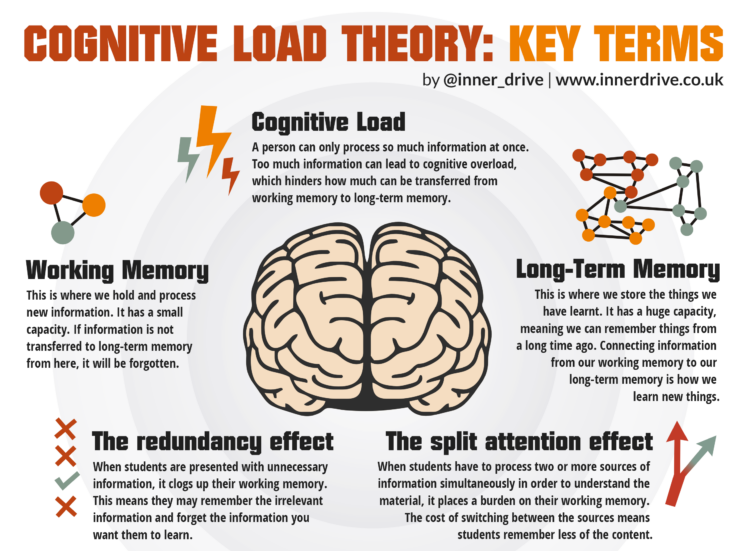
The digital age, while offering unprecedented access to information and tools, has also become a primary breeding ground for cognitive overload. From the constant influx of emails and notifications to the intricate interfaces of sophisticated software and the dazzling array of apps vying for our attention, our brains are perpetually engaged in a high-stakes juggling act. This is particularly true within the realm of Tech. While technology promises efficiency and innovation, poorly designed or excessively complex systems can inadvertently sabotage these very goals, leading to frustration, errors, and a significant drain on our cognitive resources. This article will delve into the nature of cognitive overload within the technological sphere, exploring its causes, consequences, and crucially, strategies for mitigating its impact.
The Digital Deluge: Causes of Cognitive Overload in Technology
The primary driver of cognitive overload in a tech context is the sheer volume and pace of digital information. We are bombarded with data from multiple sources simultaneously, each demanding a portion of our attention and processing power. This constant stream, often characterized by its novelty and the need for rapid interpretation, strains our working memory and executive functions.
Information Saturation and Multitasking Demands
Our digital lives are a testament to information saturation. Emails pile up, instant messages ping incessantly, social media feeds scroll endlessly, and news alerts flash across our screens. Each piece of information, however small, requires a degree of cognitive effort to process, categorize, and decide upon its relevance or urgency. The expectation to constantly monitor and respond to these inputs fuels a culture of continuous partial attention, where we flit between tasks without ever fully engaging with any single one. This illusion of productivity, often driven by the desire to stay “connected” or “on top of things,” actually fragments our attention and hinders deep work.
Furthermore, the very design of many technological tools encourages or necessitates multitasking. We might be writing a report while simultaneously checking emails, responding to chat messages, and referencing a web page. While humans are capable of task switching, sustained and rapid switching between complex tasks is a known cognitive drain. Each switch incurs a “switch cost,” a brief period where our brain reorients itself to the new task, leading to decreased efficiency and increased error rates. The more contexts we are trying to manage, the higher this cost becomes, contributing significantly to cognitive overload.
Interface Complexity and Unintuitive Design
Beyond the sheer volume of information, the design of technological interfaces plays a crucial role in cognitive load. A well-designed interface is intuitive, guiding the user seamlessly through tasks with minimal mental effort. Conversely, a complex, cluttered, or poorly organized interface demands significant cognitive resources simply to navigate and understand. Users are forced to expend mental energy deciphering icons, understanding convoluted menus, and remembering arbitrary workflows, rather than focusing on the task they actually want to accomplish.
This is particularly evident in enterprise software, specialized professional tools, and even some consumer applications that have evolved without a strong user-centered design philosophy. The accumulation of features, the lack of clear visual hierarchy, and inconsistent design patterns across different parts of an application can create a formidable barrier to effective use. When users struggle to find the information they need, understand how to perform an action, or predict the outcome of their choices, they experience a heightened level of cognitive strain. This leads to frustration, reduced adoption rates, and ultimately, a failure to leverage the full potential of the technology.
The Consequences of an Overwhelmed Mind: Impact on Tech Users
The ramifications of cognitive overload extend far beyond mere annoyance. They permeate our ability to perform effectively, make sound decisions, and even maintain our mental and physical health. In the context of technology, these consequences can be particularly acute, impacting both individual performance and organizational outcomes.
Diminished Productivity and Increased Errors
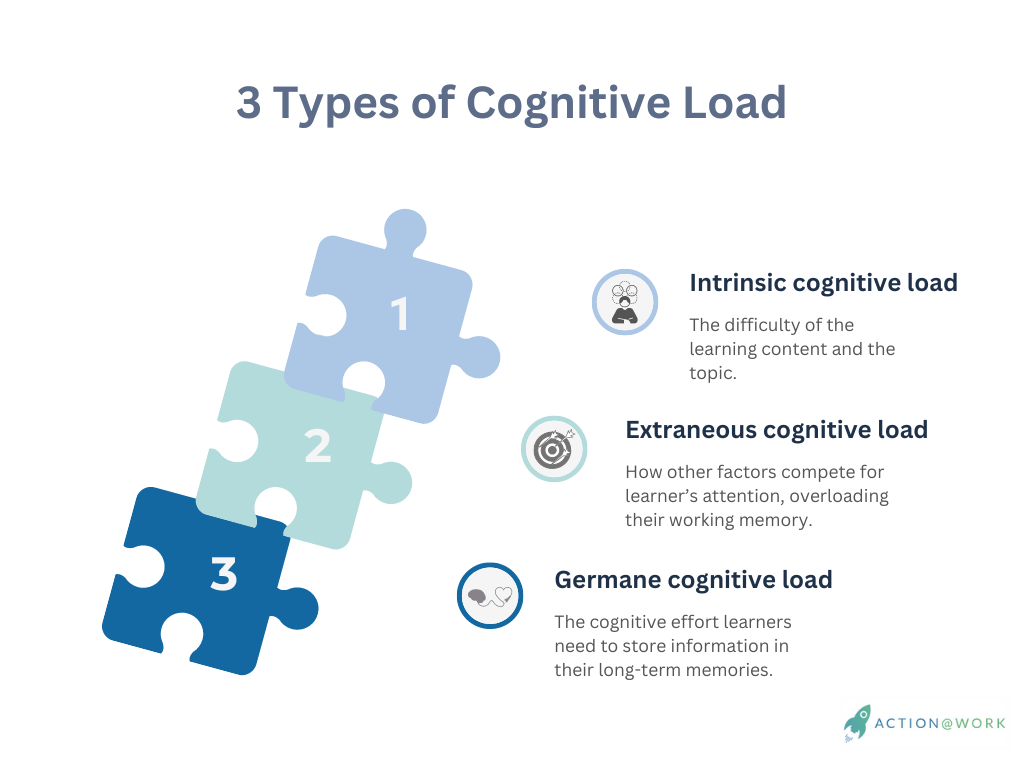
When our cognitive resources are depleted, our capacity for focused work, problem-solving, and creative thinking diminishes significantly. The constant switching and information processing associated with overload lead to shallower engagement with tasks, making it harder to achieve deep concentration. This results in a drop in overall productivity. Tasks that should be straightforward become laborious and time-consuming. Moreover, as our ability to attend to detail falters, the likelihood of making errors increases. These errors can range from minor typos in documents to critical mistakes in data entry or complex system configurations, with potentially costly repercussions.
Decision Paralysis and Poor Judgment
Cognitive overload can also lead to decision paralysis, a state where individuals are so overwhelmed by the options or information that they are unable to make any decision at all. This is often exacerbated by technologies that present an abundance of data or a multitude of choices without adequate filtering or prioritization. When forced to make decisions under such conditions, our judgment can become impaired. We may resort to heuristics or superficial cues, making suboptimal choices simply to escape the mental discomfort of overload. This can impact everything from choosing the right software feature to adopting a new workflow or even making strategic technological investments.
Burnout and Mental Fatigue
The sustained effort required to combat cognitive overload can lead to chronic mental fatigue and, in severe cases, burnout. Our brains have a finite capacity for demanding cognitive work. When this capacity is consistently exceeded, it can result in feelings of exhaustion, irritability, and a reduced ability to cope with stress. In the professional tech environment, this can manifest as decreased job satisfaction, increased absenteeism, and a higher turnover rate. The persistent feeling of being overwhelmed by technological demands can erode an individual’s enthusiasm and engagement, turning potentially rewarding work into a draining ordeal.
Strategies for Taming the Tech Beast: Mitigating Cognitive Overload
Recognizing cognitive overload is the first step; actively mitigating it is the crucial follow-through. Fortunately, a range of strategies, both personal and technological, can help individuals and organizations manage and reduce its impact. The focus here is on building smarter habits and leveraging technology itself to create a more manageable digital environment.
Streamlining Information Flow and Managing Notifications
A primary strategy involves taking control of the information flow. This means being intentional about what information enters our digital space and how it is presented. Ruthlessly unsubscribing from irrelevant newsletters, disabling non-essential notifications across all devices and applications, and setting specific times for checking email and social media can dramatically reduce the constant interruptions. Employing email filters and rules to automatically sort incoming messages can also help prioritize important communications and keep inboxes cleaner. Furthermore, utilizing focus modes or “do not disturb” features on devices can create dedicated blocks of uninterrupted work time.
Designing for Clarity: Intuitive Interfaces and Information Architecture
For those involved in developing or implementing technology, a deep understanding of user experience (UX) and information architecture is paramount. Designing interfaces with a clear visual hierarchy, consistent design patterns, and intuitive navigation is essential. Prioritizing essential information and features, and providing clear feedback to user actions, can significantly reduce the cognitive load. Employing progressive disclosure, where complex information or advanced features are revealed only when needed, can make applications feel less overwhelming to novice users. Regular user testing and feedback loops are critical to identifying and addressing areas of cognitive strain within a system.

Cultivating Mindful Tech Habits and Digital Well-being
Beyond system-level changes, individuals can cultivate personal habits that foster better cognitive management. This includes practicing mindfulness when engaging with technology, being aware of when cognitive load is increasing, and taking deliberate breaks. Setting boundaries around technology use, such as establishing screen-free times before bed or during meals, is crucial for allowing the brain to rest and recover. Prioritizing single-tasking over constant multitasking, even when it feels counterintuitive, can lead to deeper engagement and more efficient outcomes in the long run. Learning to say “no” to non-essential digital demands and protecting one’s focus are skills that are increasingly valuable in our hyper-connected world.
By understanding the mechanisms behind cognitive overload and implementing targeted strategies, we can transform our relationship with technology from one of struggle and depletion to one of enhanced capability and sustained productivity. The goal is not to eliminate technology, but to master it, ensuring that it serves as a tool for empowerment rather than a source of mental exhaustion.
aViewFromTheCave is a participant in the Amazon Services LLC Associates Program, an affiliate advertising program designed to provide a means for sites to earn advertising fees by advertising and linking to Amazon.com. Amazon, the Amazon logo, AmazonSupply, and the AmazonSupply logo are trademarks of Amazon.com, Inc. or its affiliates. As an Amazon Associate we earn affiliate commissions from qualifying purchases.