
The term “cocoa liquor” often sparks curiosity, and for good reason. While the name might evoke images of spirits or rich, alcoholic beverages, in the realm of chocolate production, it represents a foundational element – a pure, unadulterated paste derived from roasted cocoa beans. Understanding cocoa liquor is crucial for anyone interested in the intricate science and art of chocolate making, from the industrial scale to the artisanal craft. This substance, often unseen by the end consumer, is the direct ancestor of the chocolate bars we enjoy, holding within it the very essence of cocoa’s complex flavor profile.
The Genesis: From Bean to Liquor
The journey of cocoa liquor begins with the humble cocoa bean, the seed of the Theobroma cacao tree. These beans, after being harvested, fermented, and dried, embark on a transformative process that unlocks their latent potential. This transformation is meticulously managed to preserve and enhance the inherent characteristics of the cocoa bean, laying the groundwork for the distinct flavors and aromas that will eventually define different types of chocolate.
Roasting: Unlocking the Aroma
Roasting is arguably the most critical step in developing the flavor of cocoa beans. Similar to how coffee beans are roasted, cocoa beans undergo a controlled heating process that triggers a cascade of chemical reactions, collectively known as the Maillard reaction. This complex series of interactions between amino acids and reducing sugars results in the formation of hundreds of new aroma and flavor compounds.
The temperature and duration of the roasting process are meticulously calibrated by chocolatiers. Lower temperatures and shorter times might yield lighter, more acidic notes, while higher temperatures and longer durations can develop deeper, more roasted, and sometimes bitter flavors. The origin and variety of the cocoa bean also play a significant role; beans from different regions possess unique flavor precursors that respond differently to roasting. For instance, Criollo beans, often prized for their delicate aroma, require a gentler roast compared to Forastero beans, which can withstand and benefit from a more robust heat treatment to develop their full flavor potential. This careful roasting process is not just about altering the bean’s chemical composition; it’s about coaxing out its intrinsic character, preparing it for the next crucial stage.
Winnowing: Separating the Husk
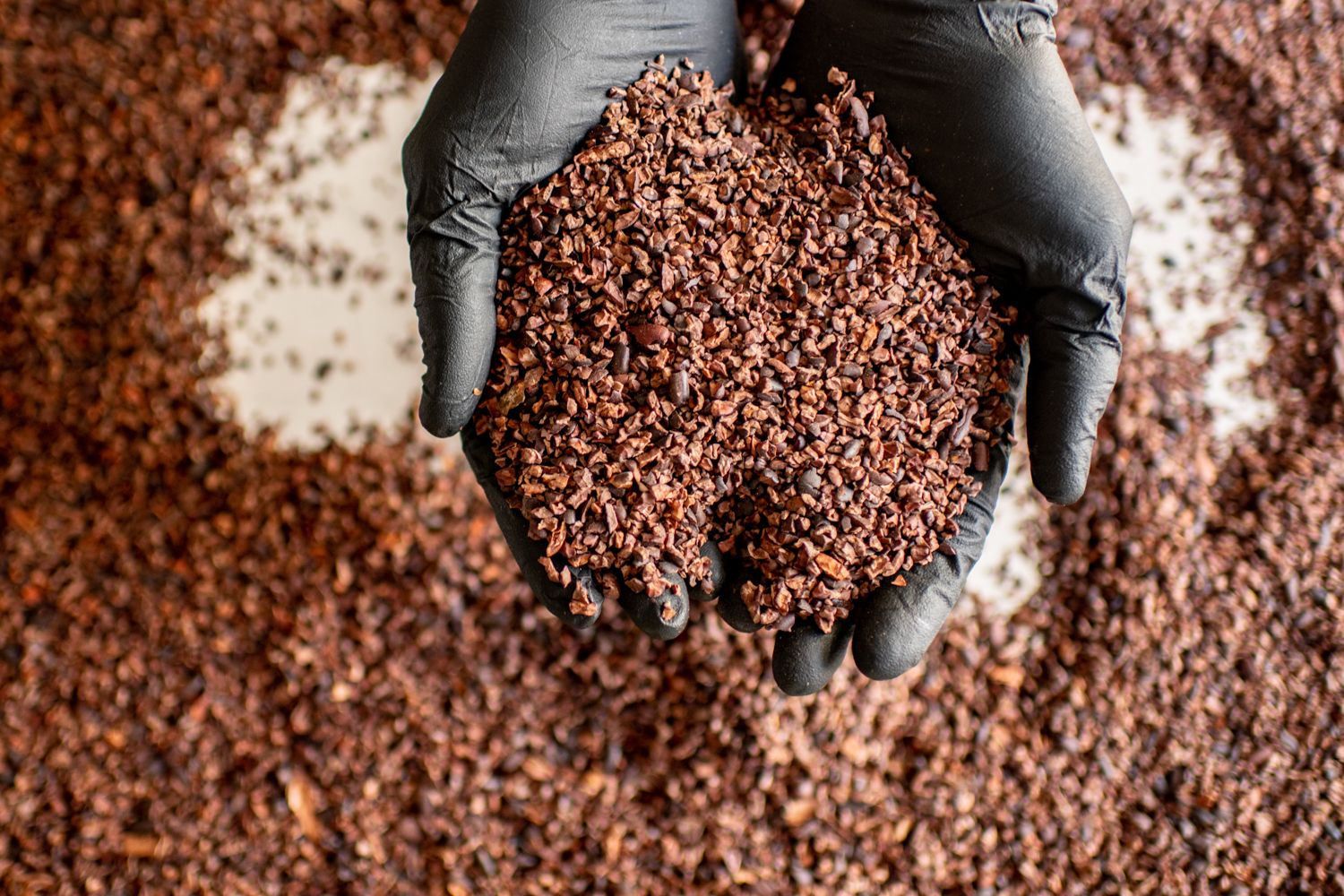
Before the beans can be transformed into liquor, they must be meticulously cleaned and prepared. The dried, roasted beans are then subjected to a process called winnowing. This involves breaking the brittle outer shell, or husk, of the cocoa bean into smaller pieces. Following the breaking, a current of air is used to blow away the lighter husks, leaving behind the heavier cocoa nibs. These nibs are the core of the cocoa bean, rich in cocoa solids and cocoa butter, the two primary components that will form the cocoa liquor. The efficiency of winnowing is paramount; any residual husk material can introduce undesirable gritty textures or bitter flavors into the final product. Precision in this stage ensures that only the purest essence of the cocoa bean proceeds to the grinding phase, maintaining the integrity of the flavor profile developed during roasting.
Grinding: The Birth of Cocoa Liquor
The winnowed cocoa nibs are then fed into industrial grinders. These machines, often equipped with stone or metal rollers, subject the nibs to intense friction and pressure. As the nibs are ground, the cell walls break down, releasing the fat – cocoa butter – which is naturally present in the nibs at a concentration of about 50-55%. The friction generated by the grinding process also generates heat, which liquefies the cocoa butter. This liquefaction, combined with the breakdown of the solid cocoa particles, results in a smooth, thick, viscous paste known as cocoa liquor.
This paste is the unadulterated embodiment of the cocoa bean. It contains both the cocoa solids, which provide the characteristic chocolate flavor and color, and the cocoa butter, which contributes to the smooth texture and melting properties of chocolate. Unlike what the name might suggest, cocoa liquor contains no alcohol. The term “liquor” in this context refers to its liquid or semi-liquid state achieved through grinding, a nomenclature borrowed from the historical term “spirit” or “extract” in other food processing contexts. It is the foundational material from which all forms of chocolate are ultimately derived.
The Composition and Characteristics of Cocoa Liquor
Cocoa liquor is a fascinating substance, a concentrated essence of cocoa that dictates the foundational flavor and texture of chocolate. Its properties are a direct result of the biological composition of the cocoa bean and the precise processing it undergoes. Understanding these characteristics is key to appreciating the nuanced differences between various chocolate products and the skill involved in their creation.
The Dual Nature: Cocoa Solids and Cocoa Butter
At its core, cocoa liquor is a harmonious blend of two fundamental components of the cocoa bean: cocoa solids and cocoa butter. These two elements work in tandem to define the sensory experience of chocolate.
Cocoa Solids: These are the non-fat components of the cocoa bean. They are responsible for the rich, complex flavors and aromas that we associate with chocolate, ranging from fruity and floral to earthy and nutty. The percentage of cocoa solids in cocoa liquor is quite high, typically comprising around 45-50% of its total weight. This high concentration of flavorful compounds is what gives chocolate its distinctive character. The varying types and origins of cocoa beans, as well as the specific roasting profiles, contribute to a vast spectrum of flavor nuances found within cocoa solids.
Cocoa Butter: This is the natural fat extracted from the cocoa bean, making up the remaining 50-55% of the cocoa liquor. Cocoa butter is a triglyceride, a type of fat that is solid at room temperature but melts at a relatively low temperature, just below human body temperature. This unique melting property is what gives chocolate its characteristic smooth texture and its ability to melt in the mouth. The quality and proportion of cocoa butter significantly influence the mouthfeel of chocolate, contributing to its silkiness and gloss. In some instances, during the production of certain types of chocolate, extra cocoa butter may be added to achieve specific textural qualities and enhance the melt.

The ratio and quality of these two components are crucial. A higher proportion of cocoa solids generally leads to a more intense chocolate flavor, as seen in dark chocolates, while the balance with cocoa butter ensures a pleasant textural experience. For milk chocolates, milk solids and sugar are added, altering the overall composition but still relying on the foundational cocoa liquor for its chocolate essence.
Flavor Profile and Variability
The flavor of cocoa liquor is not monolithic; it is a complex tapestry woven from the intrinsic qualities of the cocoa bean and the processing it has undergone. This variability is a source of endless fascination for chocolatiers and a key differentiator in the world of fine chocolate.
Terroir: Much like wine, the origin of the cocoa bean – its “terroir” – plays a significant role in shaping the flavor of the cocoa liquor. Different growing regions around the world, with their unique soil compositions, climates, and agricultural practices, impart distinct characteristics to the beans. For example, cocoa beans from Madagascar are often known for their bright, fruity, and acidic notes, while those from Ecuador might exhibit deeper, more earthy and woody flavors. The specific varietal of cocoa tree (e.g., Criollo, Forastero, Trinitario) also contributes to inherent flavor profiles. Criollo beans are often celebrated for their aromatic complexity and mild bitterness, while Forastero, the most common variety, offers a more robust, chocolatey flavor.
Processing Impact: Beyond the bean itself, the methods of fermentation, drying, and particularly roasting, profoundly influence the flavor of the cocoa liquor. Expert roasting can coax out floral, spicy, nutty, or even smoky notes, transforming the raw bean’s potential into a rich sensory experience. The skill of the roaster lies in understanding how to best highlight the inherent characteristics of a particular bean, avoiding over-roasting which can lead to burnt notes, or under-roasting which can result in a lack of depth and an astringent finish. This interplay of bean origin and processing expertise creates a vast spectrum of flavor profiles in cocoa liquor, from subtly nuanced to intensely bold.
The Crucial Role in Chocolate Manufacturing
Cocoa liquor stands as the indispensable heart of virtually every chocolate product. Its transformation from a humble paste to the diverse array of chocolates we consume is a testament to precise manufacturing processes and a deep understanding of ingredient interactions. Without cocoa liquor, the very concept of chocolate as we know it would cease to exist.
The Building Block for All Chocolate Types
From the darkest, most intense bars to the sweetest milk chocolates and the purest white chocolates (which, technically, do not contain cocoa liquor but cocoa butter), cocoa liquor is the fundamental ingredient that provides the characteristic chocolate flavor.
Dark Chocolate: In dark chocolate production, cocoa liquor is the primary ingredient, combined with sugar and often a small amount of additional cocoa butter and emulsifier (like lecithin). The percentage of cocoa solids indicated on a dark chocolate bar directly reflects the proportion of cocoa liquor, along with any added cocoa solids, used in its formulation. Higher percentages signify a more intense chocolate flavor and less added sugar. The quality of the cocoa liquor is paramount for the final taste of dark chocolate, as its inherent flavors are allowed to shine through with minimal masking by other ingredients.
Milk Chocolate: For milk chocolate, cocoa liquor is blended with sugar, milk solids (in the form of milk powder or condensed milk), and often additional cocoa butter and lecithin. The presence of milk solids softens the intensity of the cocoa flavor and introduces creamy, milky notes, creating a sweeter and milder profile compared to dark chocolate. The cocoa liquor still provides the foundational “chocolate” taste, but it is tempered and complemented by the dairy components.
White Chocolate: While white chocolate does not contain cocoa solids and therefore no cocoa liquor, it is still derived from the cocoa bean. It is made exclusively from cocoa butter, sugar, milk solids, and flavorings like vanilla. The cocoa butter, a component of the cocoa liquor, provides the characteristic texture and melt, but the color and robust flavor of cocoa solids are absent.
Compound Chocolate and Other Variations: Beyond these primary types, cocoa liquor is also the base for various other chocolate products. Compound chocolate, for instance, often uses vegetable fats instead of cocoa butter and may have a lower quality cocoa liquor or even cocoa powder as a flavorant, differing significantly from true chocolate. However, for any product aiming to achieve authentic chocolate taste and texture, high-quality cocoa liquor is the non-negotiable starting point.
Further Processing: Refining and Conching
Once the cocoa liquor has been produced, it undergoes further stages of processing to refine its texture, homogenize its flavor, and develop its ultimate sensory appeal. These steps are crucial in transforming the raw paste into the smooth, melt-in-your-mouth experience of premium chocolate.
Refining: The cocoa liquor, while smooth to the touch, still contains microscopic particles of cocoa solids and sugar (if added). Refining is a process that reduces the particle size of these solids to an extremely small, imperceptible level. This is typically achieved using specialized roller refiners. The goal is to bring the particle size down to about 15-25 microns, the threshold below which the human tongue can no longer detect grittiness. This process is vital for achieving a smooth, velvety texture in the final chocolate product. A well-refined chocolate feels silky on the palate, allowing the complex flavors to be fully appreciated without any textural distractions.
Conching: Conching is a prolonged mixing and aeration process that is perhaps the most significant stage in developing the final flavor and texture of chocolate. It involves agitating the chocolate mass, often at elevated temperatures, for hours or even days. During conching, several key transformations occur:
- Flavor Development: Volatile acids and unpleasant aromatic compounds are driven off through aeration, while more desirable flavor compounds are allowed to develop and meld. This process softens the harsh notes of the cocoa liquor and sugar, leading to a smoother, more rounded, and nuanced flavor profile.
- Texture Enhancement: The friction and movement during conching help to evenly coat the sugar and cocoa particles with cocoa butter, further contributing to a smooth and luxurious mouthfeel. It also reduces moisture content.
- Homogenization: Conching ensures that all ingredients are thoroughly mixed and evenly distributed throughout the chocolate mass.
The duration and intensity of conching are carefully controlled by chocolatiers to achieve specific flavor profiles and textural characteristics. A shorter conche might preserve more of the bean’s raw, intense flavors, while a longer conche will produce a smoother, more mellow, and complex taste. It is during conching that the true artistry of chocolate making is often most evident, as the subtle nuances of the cocoa liquor are coaxed into their final, exquisite form.
In essence, cocoa liquor is far more than just a processing intermediate; it is the concentrated soul of chocolate. Its journey from the roasted cocoa bean to the refined, conched masterpiece is a story of transformation, precision, and the intricate dance of science and artistry that defines the world of confectionery.
aViewFromTheCave is a participant in the Amazon Services LLC Associates Program, an affiliate advertising program designed to provide a means for sites to earn advertising fees by advertising and linking to Amazon.com. Amazon, the Amazon logo, AmazonSupply, and the AmazonSupply logo are trademarks of Amazon.com, Inc. or its affiliates. As an Amazon Associate we earn affiliate commissions from qualifying purchases.