
Cluster headaches. The very name evokes a visceral reaction from those who have experienced them. Unlike the throbbing, persistent ache of migraines or the dull pressure of tension headaches, cluster headaches are a distinct neurological phenomenon, characterized by their sheer intensity and a cyclical pattern that can shatter lives. While the medical community has made strides in understanding these debilitating attacks, for sufferers, the journey can be one of isolation, misdiagnosis, and a desperate search for relief.
This article aims to demystify cluster headaches. We’ll delve into their unique characteristics, explore the current understanding of their causes and triggers, and discuss the diagnostic process. While our primary focus will be on the medical and experiential aspects of cluster headaches, we will also touch upon how technology, branding, and even financial considerations can intersect with the lives of those living with this challenging condition.
Understanding the Nature of Cluster Headaches
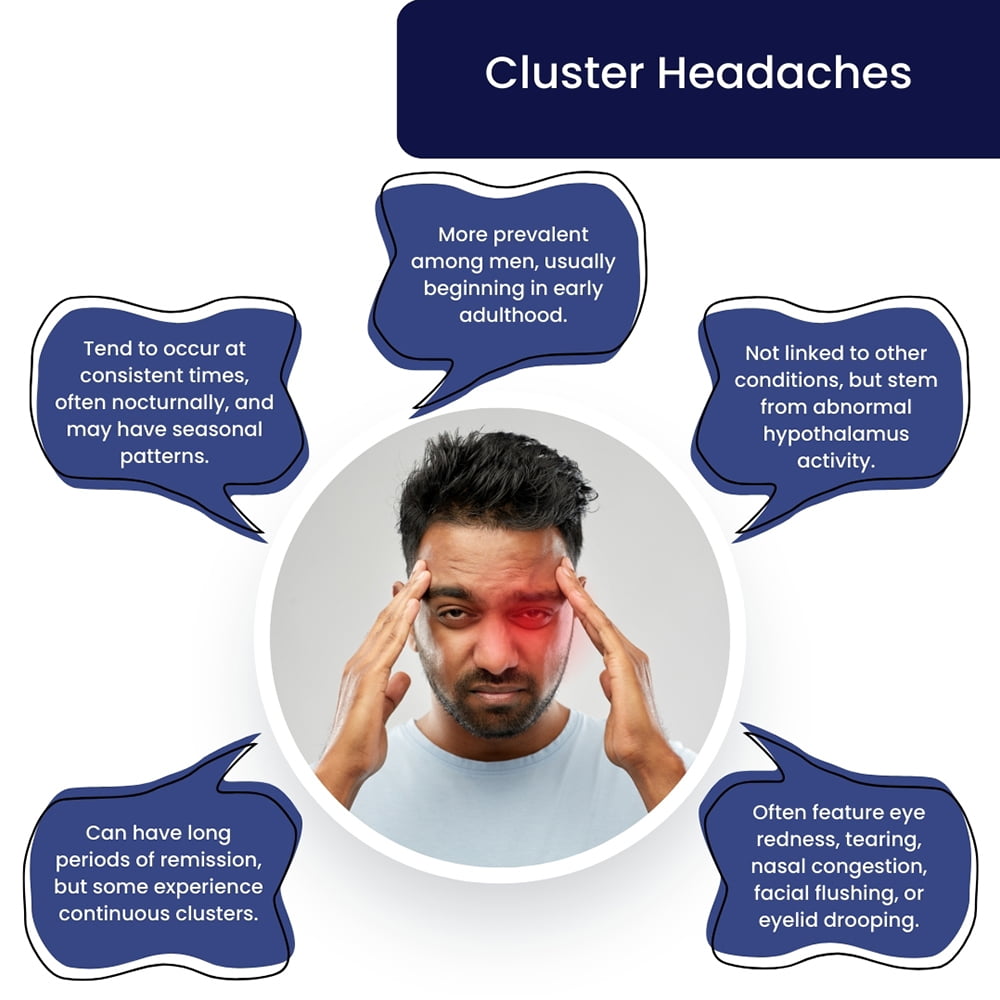
Cluster headaches are often described as one of the most painful conditions known to humankind. They are a primary headache disorder, meaning they are not caused by another underlying medical condition. Their name stems from the tendency for them to occur in distinct periods, or “clusters,” which can last for weeks or months, followed by remission periods that can also last for months or even years.
The Unbearable Pain and Its Characteristics
The hallmark of a cluster headache is its extreme intensity. Sufferers describe the pain as sharp, stabbing, burning, or boring, typically located behind or around one eye. It’s often so severe that individuals are unable to lie down and may pace restlessly, a stark contrast to migraine sufferers who often seek quiet darkness.
The pain is almost always unilateral, meaning it affects only one side of the head. While it most commonly manifests around the eye, it can also radiate to the temple, forehead, jaw, or neck on the same side. The attacks are relatively short-lived, typically lasting between 15 minutes and three hours, but their frequency can be staggering, with some individuals experiencing up to eight attacks in a single day.
The tell-tale Autonomic Symptoms
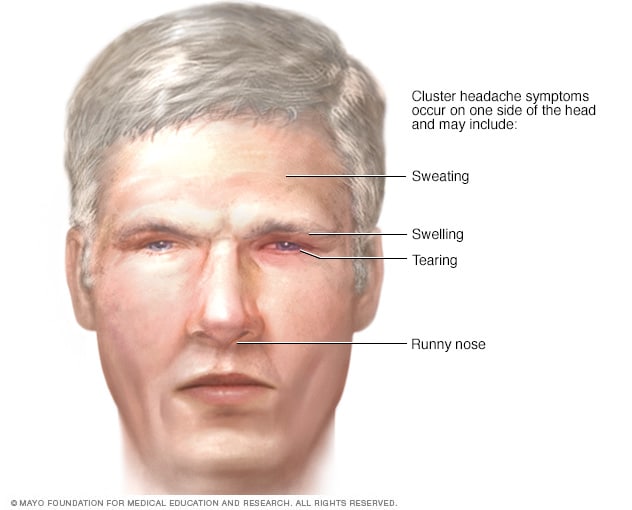
Beyond the excruciating pain, cluster headaches are distinguished by a constellation of autonomic symptoms that occur on the same side of the head as the pain. These can include:
- Conjunctival injection (redness of the eye): The eye becomes noticeably red and bloodshot.
- Lacrimation (tearing): Excessive tearing from the affected eye.
- Nasal congestion or rhinorrhea (runny nose): A blocked or runny nostril on the same side.
- Eyelid edema (swelling): The eyelid may droop or swell.
- Forehead and facial sweating: Increased sweating on the forehead and face.
- Miosis (pupil constriction): The pupil may become smaller.
- Ptosis (eyelid drooping): The eyelid may appear to droop.
These autonomic symptoms are a direct result of the activation of the trigeminal nerve and the parasympathetic nervous system, a key differentiator from other headache types.
The “Cluster” Phenomenon: Patterned Attacks
The “cluster” aspect of this disorder is crucial to its diagnosis and management. Cluster periods can vary in duration, typically lasting from a few weeks to several months. During these periods, attacks often occur with remarkable regularity, frequently at the same time of day or night. Many sufferers report that their attacks are most common during certain sleep cycles, sometimes waking them from sleep.
Following a cluster period, individuals enter a remission phase. These remissions can be of varying lengths, from a few months to many years. The cyclical nature of cluster headaches is a defining characteristic and a source of immense unpredictability and distress for those affected.
Unraveling the Mysteries: Causes and Triggers
Despite extensive research, the precise cause of cluster headaches remains elusive. However, several theories and identified triggers provide insights into this complex neurological condition.
The Role of the Hypothalamus and Circadian Rhythms
One of the leading theories points to the hypothalamus, a small but vital area of the brain responsible for regulating various bodily functions, including sleep-wake cycles and hormonal activity. The cyclical nature of cluster headaches, their tendency to occur at predictable times, and their association with sleep strongly suggest hypothalamic dysfunction. Researchers believe that an abnormality in the hypothalamus may disrupt the body’s internal biological clock, leading to the onset of cluster periods.
Potential Genetic Predispositions
While not a definitively inherited condition, there appears to be a genetic predisposition to cluster headaches. Family history plays a role, with individuals who have a close relative with cluster headaches having a slightly increased risk of developing the disorder themselves. Further research is ongoing to identify specific genes that may contribute to susceptibility.
Identified Triggers: Exacerbating the Attacks
While not the root cause, certain factors can act as triggers, initiating or exacerbating cluster headache attacks during a cluster period. Awareness of these triggers can empower individuals to make lifestyle adjustments to potentially reduce the frequency or severity of their attacks. Common triggers include:
- Alcohol: Even a small amount of alcohol can trigger an attack during a cluster period. This is one of the most widely reported and consistently observed triggers.
- Nicotine: Smoking and exposure to secondhand smoke are also strongly associated with triggering cluster headaches. Many sufferers find that quitting smoking can significantly reduce attack frequency.
- Strong Smells: Intense odors, such as perfumes, gasoline fumes, or cleaning products, can provoke an attack in some individuals.
- Certain Medications: Some medications, particularly those that affect blood vessels, have been implicated as potential triggers.
- Changes in Sleep Patterns: Disruptions to the normal sleep-wake cycle, such as jet lag or shift work, can precipitate attacks.
- Physical Exertion: While less common than other triggers, strenuous physical activity can sometimes initiate an attack.
- Heat: Exposure to hot weather or saunas has been reported to trigger headaches in some individuals.

It is important to note that triggers are often only effective during a cluster period. Outside of these periods, the same factors may not elicit an attack.
Navigating the Diagnostic Path
Diagnosing cluster headaches can be a challenging process, often involving a process of elimination and careful observation. Due to the rarity of the condition and the varied presentation of headache disorders, many individuals may endure years of misdiagnosis before receiving the correct identification.
The Importance of a Thorough Medical History and Neurological Examination
The cornerstone of diagnosing cluster headaches is a comprehensive medical history taken by a healthcare professional. This involves detailed questioning about:
- The nature of the pain: Location, intensity, quality (stabbing, burning, etc.).
- The timing and frequency of attacks: How often do they occur, at what time of day, and for how long?
- Associated symptoms: Presence of autonomic symptoms like tearing, nasal congestion, etc.
- Triggers: Any factors that appear to provoke or worsen the headaches.
- Family history: Presence of headaches or other neurological conditions in relatives.
A thorough neurological examination is also crucial to rule out other potential causes of severe headaches. This may involve testing reflexes, coordination, sensation, and vision.
Ruling Out Other Conditions: Imaging and Diagnostic Tests
To ensure that the headaches are not a symptom of a more serious underlying condition, such as a brain tumor, aneurysm, or infection, healthcare providers will often order imaging tests. These can include:
- Magnetic Resonance Imaging (MRI): This provides detailed images of the brain and can help identify structural abnormalities.
- Computed Tomography (CT) Scan: This imaging technique can also reveal abnormalities in the brain.
While these tests are primarily used to rule out secondary causes, they can sometimes reveal subtle findings in individuals with cluster headaches, though they are not diagnostic in themselves.
The Role of the Patient in Diagnosis
Given the subjective nature of pain and the intricate details required, the patient plays a vital role in the diagnostic process. Maintaining a headache diary, meticulously recording the characteristics of each attack, including the time, duration, intensity, any associated symptoms, and potential triggers, can be invaluable for the physician. This detailed record-keeping provides concrete evidence that aids in differentiating cluster headaches from other headache disorders.
Living with Cluster Headaches: Beyond the Physical Pain
The impact of cluster headaches extends far beyond the intense physical agony. The unpredictable nature of the attacks, the severity of the pain, and the disruption to daily life can have profound psychological, social, and even financial consequences.
The Psychological Toll: Anxiety, Depression, and Isolation
The constant fear of an impending attack can lead to significant anxiety and anticipatory dread. Many individuals live in a state of hypervigilance, constantly monitoring their bodies for the slightest premonition of pain. This chronic stress can contribute to the development of depression. The debilitating nature of the headaches can also lead to social isolation, as individuals may avoid social gatherings or work for fear of an attack. The inability to plan activities or maintain a consistent work schedule can lead to feelings of helplessness and despair.
The Practicalities of Management: Technology, Finance, and Brand Identity
While the core of cluster headache management is medical, the broader implications of living with such a condition intersect with various aspects of modern life, including technology, finance, and even personal brand.
-
Technology as a Tool for Relief and Connection: In recent years, technology has begun to offer new avenues for managing cluster headaches. Portable oxygen devices, once confined to clinical settings, are now more accessible and provide rapid relief for many during an attack. Wearable devices and apps are being developed to track headache patterns, identify triggers, and even provide biofeedback for pain management. Furthermore, online communities and support groups facilitated by technology allow sufferers to connect with others who understand their experiences, fostering a sense of community and shared coping strategies. Digital platforms can also serve as invaluable resources for up-to-date information on treatments and research, empowering patients to advocate for themselves within the healthcare system.
-
Financial Strain and the Cost of Care: The recurring nature of cluster headaches and the need for specialized treatments can impose a significant financial burden on individuals and their families. The cost of medications, doctor’s visits, emergency room trips during severe attacks, and potential lost income due to inability to work can accumulate rapidly. Navigating insurance coverage for treatments and understanding available financial assistance programs become crucial aspects of management. For some, the pursuit of a “side hustle” or alternative income streams might be influenced by the unpredictability of their health, requiring a careful balance of earning potential and the need for flexibility.
-
Personal and Corporate Branding in the Face of Adversity: While perhaps less immediately apparent, the experience of living with a chronic and severe condition like cluster headaches can subtly influence one’s personal brand and how they are perceived in professional or social settings. Individuals may need to develop strategies for communicating their condition to employers or colleagues, balancing transparency with the need to maintain professional credibility. This might involve cultivating a brand of resilience and determination, showcasing how they manage their condition while still striving for success. For businesses whose employees or leadership are affected, understanding the impact of such conditions can also shape corporate identity and the implementation of supportive policies. The ability to adapt and overcome significant challenges can, in its own way, become a powerful aspect of one’s personal narrative and, by extension, their brand.
The Future of Cluster Headache Management
Research into cluster headaches is ongoing, with a focus on better understanding the underlying mechanisms and developing more effective treatments. New medications are being explored, and advancements in neuromodulation techniques, such as electrical stimulation, show promise. The integration of technology, a deeper understanding of individual triggers, and a holistic approach that addresses the psychological and practical challenges will be key to improving the lives of those living with cluster headaches.
In conclusion, cluster headaches are a formidable neurological disorder characterized by excruciating, unilateral pain accompanied by autonomic symptoms, occurring in cyclical patterns. While the precise causes remain a subject of research, the hypothalamus and potential genetic factors are implicated, with external triggers exacerbating attacks. Diagnosis relies on meticulous medical history, neurological examination, and the exclusion of other conditions. Living with cluster headaches is a profound challenge, impacting not only physical well-being but also mental health and daily life. As technology evolves and our understanding deepens, the hope is for more effective management strategies, improved quality of life, and a future where the debilitating grip of cluster headaches can be significantly loosened.
aViewFromTheCave is a participant in the Amazon Services LLC Associates Program, an affiliate advertising program designed to provide a means for sites to earn advertising fees by advertising and linking to Amazon.com. Amazon, the Amazon logo, AmazonSupply, and the AmazonSupply logo are trademarks of Amazon.com, Inc. or its affiliates. As an Amazon Associate we earn affiliate commissions from qualifying purchases.