
The landscape of social media has historically been dominated by visual stimuli: the curated photographs of Instagram, the fast-paced text of Twitter (now X), and the high-energy video loops of TikTok. However, in early 2020, a new player emerged that challenged the visual status quo by focusing entirely on the human voice. This platform, known as Clubhouse, pioneered the “social audio” category, creating a digital space where conversation takes center stage. To understand what the Clubhouse app is today, one must look past the initial hype and examine its technological architecture, its unique user interface, and the lasting impact it has had on how we communicate in a digital-first world.
The Architecture of Clubhouse: Understanding the Social Audio Framework
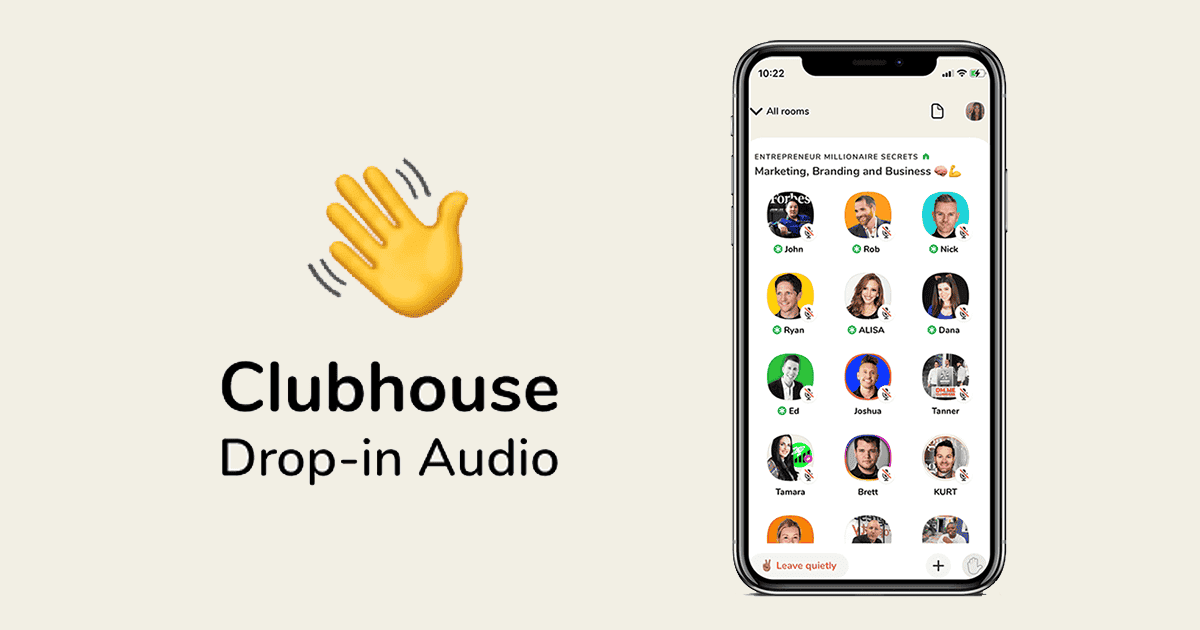
At its most fundamental level, Clubhouse is a social networking application that facilitates live, ephemeral audio conversations. Unlike podcasts, which are pre-recorded and edited, or traditional radio, which is a one-way broadcast, Clubhouse is built on the principle of multi-directional, real-time engagement. The app functions as a sprawling digital convention center where users can wander through “hallways” and drop into various “rooms” to listen or participate in discussions.
The Core Concept: Live, Drop-in Audio
The “drop-in” nature of the app is its defining technical characteristic. When a user opens the app, they are presented with a feed—referred to as the Hallway—showing active rooms based on their interests and the people they follow. There is no “play” button for past content in the traditional sense; once a room ends, the conversation vanishes unless the moderator has specifically enabled a “Replay” feature. This ephemerality was designed to mimic real-life interactions, where the value lies in being “present” in the moment.
Rooms, Clubs, and the Hallway
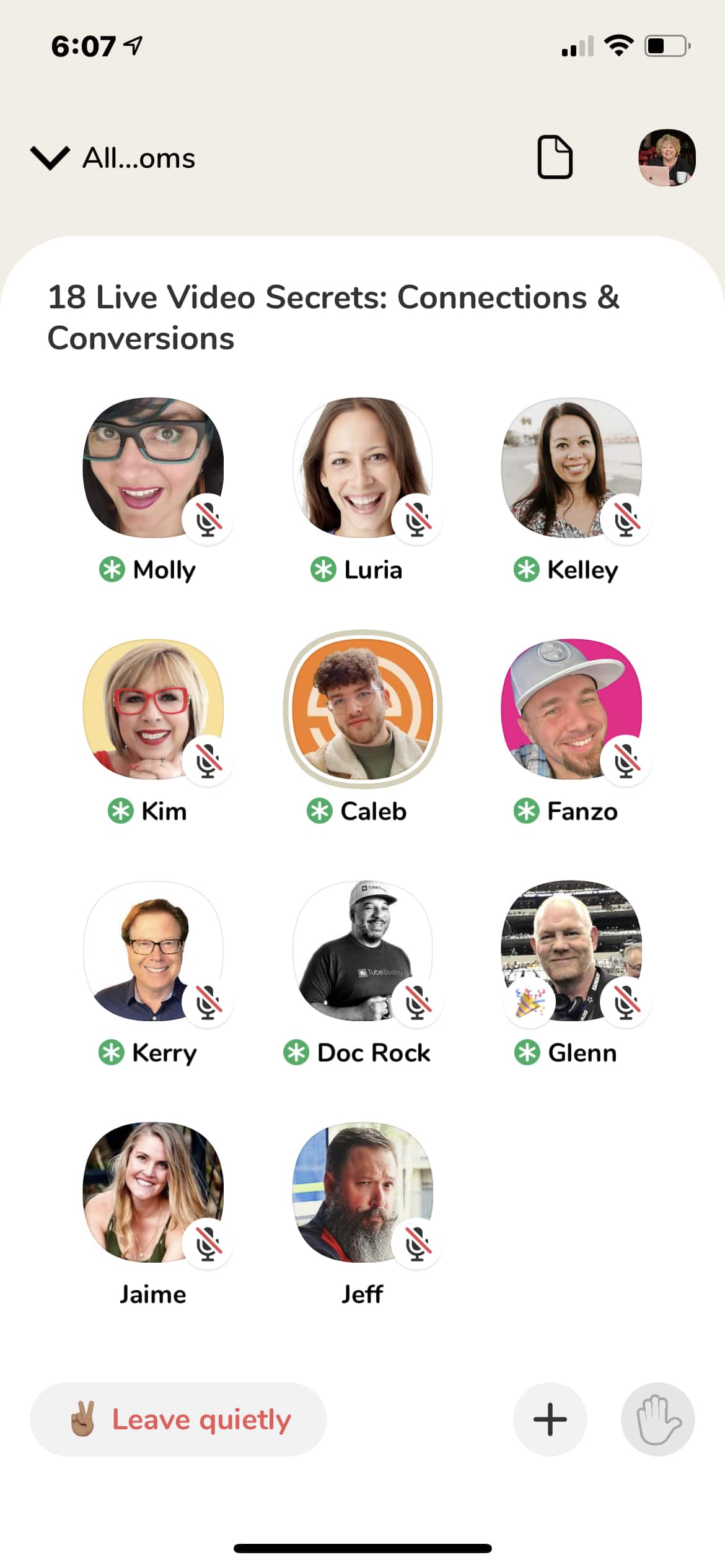
The hierarchy of the app is divided into three main components. Rooms are the individual sessions where talking happens. Within a room, there is a clear distinction between the “Stage” (the speakers) and the “Audience” (the listeners). Clubs are more permanent entities—essentially interest-based communities that can host recurring rooms and build a dedicated following. Finally, the Hallway is the algorithmic interface that uses machine learning to suggest content to the user in real-time, ensuring that the most relevant conversations are surfaced immediately.
Platform Evolution: From iOS Exclusive to Global Access
When Clubhouse first launched, its tech strategy was built on scarcity. It was available only on iOS and required an invite from an existing user to join. This “invite-only” phase allowed the developers to scale their server capacity gradually while maintaining a high-fidelity audio experience. Today, the app is available on both Android and iOS and has moved away from the invite-only model, opening its doors to a global audience. This transition marked a shift from an elite networking tool to a broad-scale communication utility.
The Technological Innovations Behind the Interface
While the user interface of Clubhouse appears deceptively simple, the underlying technology required to support thousands of concurrent, low-latency audio streams is sophisticated. For a social audio app to succeed, the “friction” of joining a conversation must be near zero, and the audio quality must remain stable even across varying internet speeds.
High-Fidelity Audio and Low Latency
Clubhouse initially leveraged the Agora.io SDK (Software Development Kit) to power its real-time engagement. The technical challenge was to ensure that when a speaker “unmutes,” their voice is heard by thousands of listeners across the globe with less than a second of delay. This low latency is crucial for natural conversation; if there were significant lag, speakers would constantly interrupt one another, destroying the flow of debate. Over time, Clubhouse has refined its spatial audio features, which use software processing to make it sound as if speakers are sitting in different parts of a physical room, reducing “listener fatigue” during long sessions.
Algorithm-Driven Discovery
The success of a “live-only” platform depends heavily on the discovery engine. If a user opens the app and finds nothing interesting, they leave. Clubhouse utilizes a complex recommendation algorithm that analyzes a user’s contact list, their followed topics, and their past listening behavior to populate the Hallway. As the app grew, this expanded to include “Social Graph” mapping, which identifies clusters of users with similar professional or personal interests, ensuring that a software engineer in San Francisco sees different content than a digital artist in Berlin.
Privacy and Security in a Live Environment
From a digital security perspective, live audio presents unique challenges. Unlike text-based platforms, where automated filters can easily flag prohibited keywords, monitoring live audio requires significant processing power and sophisticated AI. Clubhouse implemented features such as “Encrypted Peer-to-Peer” signaling for its Backchannel (the text-based chat within the app) and automated tools that allow moderators to report incidents in real-time. The app also records audio temporarily while a room is live to assist in safety investigations, deleting the data shortly after the room concludes unless a violation is reported.
Navigating the Clubhouse Ecosystem: UX and Functionality
The user experience (UX) of Clubhouse is designed to be “eyes-free.” It caters to the multitasking generation—people who want to consume content while driving, cooking, or working. This focus on audio-only interaction removes the “camera anxiety” associated with platforms like Zoom or FaceTime, allowing for a more relaxed and authentic form of digital expression.
Setting Up a Professional Profile
Despite being audio-centric, the user profile is a vital piece of real estate. The tech community, in particular, has used Clubhouse profiles as a secondary “Resume/CV.” The app allows for deep integration with other social platforms, specifically Instagram and Twitter, creating a funnel for cross-platform networking. The bio is searchable, meaning that the keywords a user includes in their profile directly affect how the algorithm categorizes them and who it recommends they follow.
The Role of Moderators and Speakers
The functionality of a Clubhouse room is governed by a set of roles. Moderators (marked by a green star) have the technical power to invite people to the stage, mute disruptive speakers, and “ping” (invite) others into the room. This moderation layer is what prevents the app from devolving into noise. Below the moderators are the Speakers, and then the Audience. A unique UX feature is the “Raised Hand” button, which allows a listener to signal the moderator that they wish to contribute, creating a structured yet democratic flow of information.
Houses: A New Era of Private Communities
Recently, Clubhouse introduced “Houses,” a structural shift in the app’s software. While Rooms were often public and chaotic, Houses are private, curated spaces for specific groups of friends or colleagues. This move represents a trend in social media tech toward “digital campfires”—smaller, more intimate spaces where users feel safer sharing ideas. Houses offer their own dedicated “hallways,” giving users more control over their digital environment and reducing the noise of the broader public platform.
The Impact of Clubhouse on the Tech Landscape
Clubhouse did more than just launch an app; it validated a new medium. Before Clubhouse, audio was largely synonymous with music or podcasts. After its meteoric rise, every major tech giant felt compelled to integrate audio features into their existing ecosystems.
Spawning the Social Audio Revolution
The “Clubhouse Effect” led to the rapid development of competing technologies. Twitter launched Twitter Spaces, Spotify acquired Betty Labs to create Spotify Live (formerly Greenroom), and Meta introduced Live Audio Rooms for Facebook. Even professional networking sites like LinkedIn began testing audio-only event features. This industry-wide shift confirms that Clubhouse identified a fundamental gap in the tech market: the need for synchronous, low-pressure verbal communication.
Integration with External Hardware and Software
As Clubhouse matured, it began to support more advanced audio setups. While the app was designed for mobile use, professional creators began using “iRig” interfaces and external XLR microphones to broadcast studio-quality sound into the app. This led to a surge in “audio-tech” tutorials, where users learned how to bypass standard phone microphones to host high-quality musical performances or professional-grade tech summits directly through their smartphones.

The Future Outlook: The Role of AI and Accessibility
Looking ahead, the evolution of Clubhouse is likely to be intertwined with Artificial Intelligence. We are already seeing the implementation of automated live captioning, a vital tech feature that makes audio content accessible to the d/Deaf and hard-of-hearing community. Furthermore, AI-driven transcription and summarization tools are being developed to help users catch up on “what they missed” in a room without needing to listen to hours of audio.
As the platform continues to iterate, it remains the gold standard for how software can facilitate human connection through the most ancient of technologies: the human voice. Whether it’s a niche discussion on the future of generative AI or a global town hall with tech icons, Clubhouse has cemented its place as a vital tool in the modern technologist’s arsenal, proving that in a world of visual overload, sometimes the most powerful thing we can do is listen.
aViewFromTheCave is a participant in the Amazon Services LLC Associates Program, an affiliate advertising program designed to provide a means for sites to earn advertising fees by advertising and linking to Amazon.com. Amazon, the Amazon logo, AmazonSupply, and the AmazonSupply logo are trademarks of Amazon.com, Inc. or its affiliates. As an Amazon Associate we earn affiliate commissions from qualifying purchases.