
While the website you’ve provided explores cutting-edge tech, strategic branding, and savvy financial management, sometimes the most critical “topics” we need to understand are those that impact our most valuable asset: our health. In that vein, let’s turn our attention to a significant, often underestimated health concern: Clostridium difficile, commonly known as C. diff. This article aims to demystify C. diff, exploring its nature, its impact, and the crucial role of awareness and proactive measures in combating its spread.
Understanding the Culprit: The Nature of Clostridium Difficile
At its core, Clostridium difficile is a bacterium. However, it’s a bacterium with a particularly insidious characteristic: it can produce toxins. These toxins are the primary culprits behind the symptoms associated with C. diff infection. Understanding the fundamental biology of this organism is key to grasping the challenges it presents.

The Microscopic Menace: Characteristics of C. diff
- Gram-Positive Anaerobe: C. diff is a Gram-positive bacterium, meaning it retains a certain dye in a Gram staining test. Crucially, it is also an obligate anaerobe. This means it thrives in environments with little to no oxygen. This characteristic plays a role in where it can colonize and how it persists in the body.
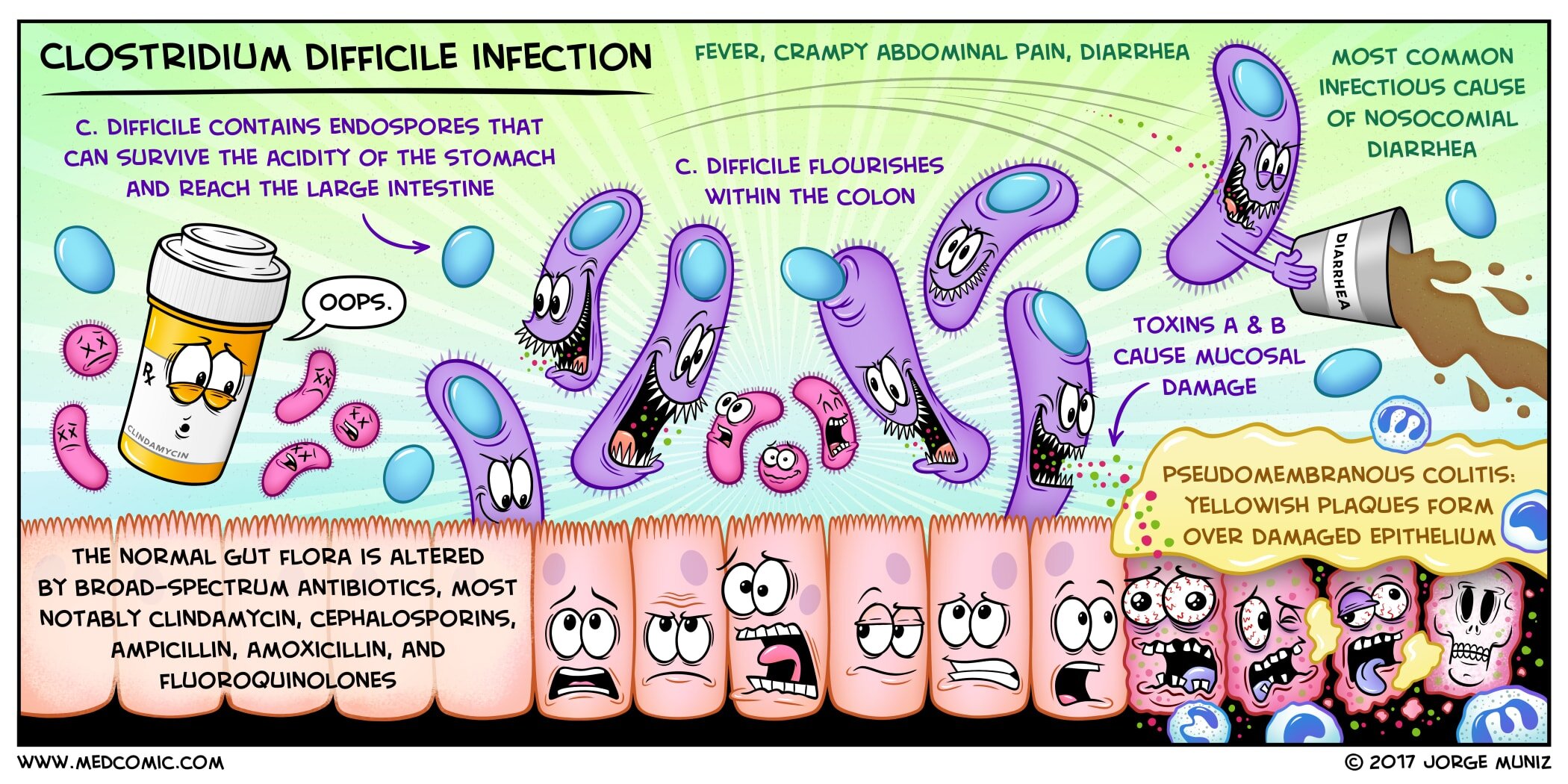
- Spore Formation: One of the most significant features of C. diff is its ability to form spores. These spores are incredibly resilient. They can survive for extended periods – months, even years – in the environment, resisting heat, disinfectants, and even stomach acid. This resilience makes C. diff notoriously difficult to eradicate once it’s present in a setting. The spores are the primary means by which the infection spreads.
- Toxin Production: While not all strains of C. diff produce toxins, the strains that do are the cause of the illness. The two main toxins produced are Toxin A and Toxin B. These toxins disrupt the normal function of the cells lining the colon, leading to inflammation and damage. This damage can range from mild irritation to severe, life-threatening conditions.
Where Does C. diff Reside?
- Ubiquitous in the Environment: C. diff spores are commonly found in soil, water, and animal feces. This means they are present in our general environment.
- Human Gut Colonization: Many healthy individuals, particularly children, can carry C. diff in their intestines without experiencing any illness. This is known as asymptomatic colonization. The healthy gut microbiome, a complex ecosystem of beneficial bacteria, usually keeps C. diff in check, preventing it from multiplying and producing toxins.
- Healthcare Settings: The hallmark of C. diff outbreaks has historically been healthcare facilities – hospitals, nursing homes, and long-term care facilities. This is due to several factors:
- Antibiotic Use: Patients in healthcare settings are often on broad-spectrum antibiotics, which can disrupt the natural gut flora, creating an environment where C. diff can flourish.
- Vulnerable Populations: The elderly and those with weakened immune systems are more susceptible to C. diff infection. These populations are frequently found in healthcare settings.
- Environmental Contamination: The spores are shed in the feces of infected individuals. In environments where hygiene may be compromised or where there is close contact between individuals, spores can easily spread to surfaces, medical equipment, and hands.
The Impact of C. diff: From Mild Discomfort to Serious Illness
The severity of C. diff infection can vary significantly, impacting individuals and presenting substantial challenges for healthcare systems. Understanding the range of symptoms and the potential complications is vital for recognizing and managing this disease.
Symptoms: The Tell-Tale Signs
The symptoms of C. diff infection primarily affect the digestive system. The severity can range from mild to severe, and they often appear during or after antibiotic treatment.
-
Mild to Moderate Symptoms:
- Watery Diarrhea: This is the most common symptom, often occurring three or more times a day for two or more days.
- Abdominal Cramping and Pain: Discomfort in the stomach area is frequently experienced.
- Low-grade Fever: A slight elevation in body temperature may be present.
- Loss of Appetite: Individuals may feel less inclined to eat.
- Nausea: A feeling of sickness in the stomach.
-
Severe Symptoms:
- Severe Diarrhea: Can be extremely frequent and debilitating.
- Severe Abdominal Pain and Cramping: Intense discomfort.
- High Fever: A significant increase in body temperature.
- Bloody or Pus-Filled Stools: Indicates more severe inflammation and damage to the colon.
- Dehydration: Due to significant fluid loss from diarrhea.
- Rapid Heart Rate: A sign of the body struggling.
- Kidney Failure: In extreme cases, the infection can lead to organ dysfunction.
Complications: When C. diff Takes a Turn for the Worse
While many C. diff infections can be successfully treated, complications can arise, particularly in vulnerable individuals or when the infection is not promptly addressed.
- Pseudomembranous Colitis: This is a severe inflammation of the colon characterized by the formation of raised, yellowish-white plaques (pseudomembranes) on the lining of the intestine. These are formed from inflammatory exudate and dead cells.
- Toxic Megacolon: A life-threatening condition where the colon becomes severely distended and paralyzed. This can lead to a perforation (a hole) in the colon, which is a surgical emergency and carries a high mortality rate.
- Bowel Perforation: As mentioned, a hole can develop in the colon due to severe inflammation and damage. This allows bacteria and their toxins to leak into the abdominal cavity, causing peritonitis, a dangerous infection of the abdominal lining.
- Sepsis: A life-threatening complication where the infection spreads into the bloodstream, triggering a widespread inflammatory response throughout the body.
- Recurrent Infections: A significant challenge with C. diff is the high rate of recurrence. After an initial infection, some individuals are more prone to subsequent infections, which can be even more difficult to treat.
Strategies for Prevention and Treatment: Combating C. diff
The battle against C. diff is multi-faceted, requiring a combination of stringent infection control measures, appropriate medical interventions, and an understanding of the role of the gut microbiome.
Infection Prevention: The First Line of Defense
Given the resilient nature of C. diff spores, effective infection prevention strategies are paramount, especially in healthcare settings.
- Hand Hygiene: This is the single most critical measure. Thorough handwashing with soap and water is far more effective than alcohol-based hand sanitizers in removing C. diff spores. Healthcare workers, patients, and visitors must diligently practice hand hygiene.
- Environmental Cleaning: Rigorous and frequent cleaning of patient rooms, bathrooms, and common areas with sporicidal disinfectants is essential to eliminate spores from surfaces.
- Isolation Precautions: Patients suspected or confirmed to have C. diff infection should be placed in appropriate isolation, such as contact precautions, to limit the spread of spores.
- Judicious Antibiotic Use: This is a cornerstone of prevention. Healthcare providers must prescribe antibiotics only when absolutely necessary and choose the narrowest-spectrum antibiotic that will be effective. This helps preserve the natural gut microbiome.
- Stool Management: Proper handling and disposal of feces from infected patients are crucial to prevent environmental contamination.
Treatment Approaches: Restoring Balance and Eliminating the Pathogen
Treating C. diff infection typically involves a combination of medical interventions aimed at eliminating the bacteria and addressing the resulting inflammation.
- Antibiotic Therapy: While it might seem counterintuitive to use antibiotics to treat a bacterial infection, specific antibiotics are effective against C. diff. These include vancomycin (oral), fidaxomicin, and metronidazole. The choice of antibiotic and the duration of treatment depend on the severity of the infection and whether it is a first-time occurrence or a recurrence.
- Fecal Microbiota Transplantation (FMT): For recurrent and severe C. diff infections that do not respond to standard antibiotic treatment, FMT has emerged as a highly effective option. This procedure involves transferring stool from a healthy donor into the gastrointestinal tract of the patient. The goal is to re-establish a healthy and diverse gut microbiome that can suppress the growth of C. diff.
- Supportive Care: This includes managing dehydration with intravenous fluids, controlling diarrhea (though sometimes caution is advised to avoid worsening toxic megacolon), and managing pain and fever.

The Role of the Gut Microbiome: A Frontier in Understanding
The growing understanding of the gut microbiome’s influence on health has shed significant light on C. diff infections. A healthy gut microbiome acts as a natural barrier against pathogens like C. diff. When this balance is disrupted, often by antibiotic use, C. diff can gain a foothold. Research into probiotics and other microbiome-modulating therapies is ongoing, offering hope for future preventative and therapeutic strategies.
In conclusion, while Clostridium difficile may not be a topic that often graces the headlines of tech innovations or marketing campaigns, its impact on public health is undeniable. By understanding the nature of this resilient bacterium, recognizing its symptoms, and implementing robust prevention and treatment strategies, we can collectively work towards mitigating its threat and safeguarding individual and community well-being. This requires vigilance, education, and a commitment to best practices in healthcare and personal hygiene.
aViewFromTheCave is a participant in the Amazon Services LLC Associates Program, an affiliate advertising program designed to provide a means for sites to earn advertising fees by advertising and linking to Amazon.com. Amazon, the Amazon logo, AmazonSupply, and the AmazonSupply logo are trademarks of Amazon.com, Inc. or its affiliates. As an Amazon Associate we earn affiliate commissions from qualifying purchases.