
In the world of high-stakes investing and global economics, few sectors offer as much volatility and opportunity as the pharmaceutical industry. While a medical professional sees “Clopidogrel 75 mg” as a standard antiplatelet therapy for cardiovascular health, an economist or a seasoned investor sees something else entirely: a case study in patent cliffs, market disruption, and the complex machinery of the multi-billion-dollar healthcare finance sector.
Understanding what Clopidogrel 75 mg represents requires looking past the blister pack and into the ledger. It is a symbol of one of the most significant financial shifts in the history of medicine—the transition from a “blockbuster” brand-name asset to a high-volume, low-margin generic commodity. This article explores the financial life cycle of Clopidogrel 75 mg, its impact on the personal finance of consumers, and the broader investment implications for the healthcare market.
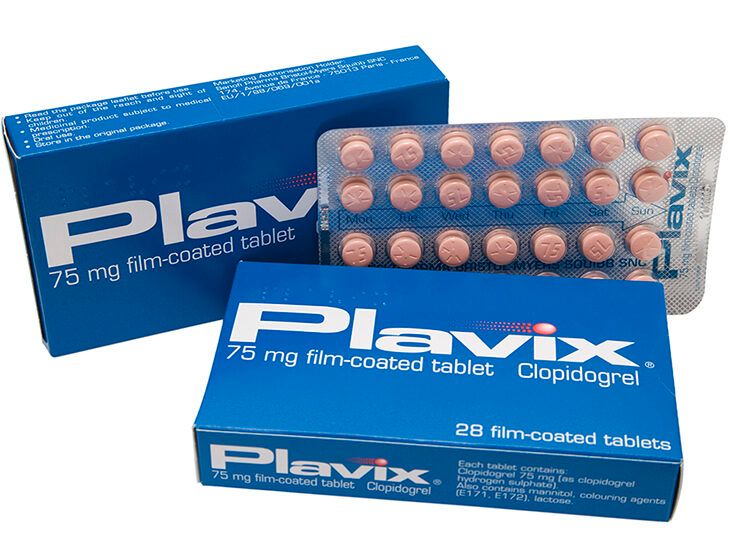
The Economics of Blockbuster Drugs: The Rise and Fall of Plavix
Before Clopidogrel 75 mg became a staple of generic medicine, it was known by its brand name, Plavix. Developed by Bristol-Myers Squibb and Sanofi-Aventis, it was a financial titan, consistently ranking among the top-selling drugs globally for over a decade. At its peak, Plavix generated nearly $9 billion in annual revenue, making it a “blockbuster”—a term used in the financial world for drugs that exceed $1 billion in yearly sales.
The Patent Cliff and Market Dynamics
The term “patent cliff” is a critical concept for any investor tracking the pharmaceutical sector. It refers to the sudden drop in revenue for a brand-name manufacturer once its patent protection expires, allowing generic competitors to enter the market. For Plavix, the cliff was steep. When the patent expired in 2012, the financial landscape of Clopidogrel 75 mg shifted overnight.
Investors watch patent dates with eagle eyes because they signal a transition from high-profit exclusivity to price-driven competition. Within the first year of the patent expiration, the price of Clopidogrel dropped by over 80%. This transition illustrates the “generic erosion” effect, where the original manufacturer loses 90% or more of its market share to cheaper versions of the same molecule.
Generic Penetration and Price Compression
The financial brilliance of Clopidogrel 75 mg in its current form lies in its volume rather than its individual price tag. In the generic market, the business model shifts from high margins to operational efficiency. Companies like Teva, Mylan (now Viatris), and Sandoz compete on their ability to manufacture millions of tablets at the lowest possible cost.
For the market, this price compression is a double-edged sword. While it reduces the earnings of the original innovators, it frees up billions of dollars in healthcare spending that can be redirected toward new, higher-priced innovations. This “cycle of capital” is what keeps the pharmaceutical industry’s financial engine running.
Investing in the Pharmaceutical Supply Chain
For those looking to build a portfolio in the healthcare sector, Clopidogrel 75 mg serves as a benchmark for understanding different types of investment vehicles. One does not simply invest in a drug; one invests in the infrastructure that produces, regulates, and distributes it.
Major Players: From Innovators to Manufacturers
When analyzing the financial health of companies involved with Clopidogrel, investors must distinguish between the “Innovator” and the “Generic Powerhouse.”
- Innovators (e.g., Sanofi): These companies focus on Research and Development (R&D). Their financial health is tied to their “pipeline”—the next generation of drugs that will replace those facing patent expiration.
- Generic Manufacturers (e.g., Teva): These companies are more akin to traditional manufacturing or industrial stocks. Their profitability depends on supply chain optimization, manufacturing scale, and regulatory compliance.
Investing in generics is often seen as a defensive play. Because drugs like Clopidogrel 75 mg are essential for millions of patients, the demand is relatively “inelastic”—meaning people will buy it regardless of the economic climate, providing a stable revenue stream for these firms.
Analyzing R&D ROI in Cardiovascular Medicine
The financial viability of a drug like Clopidogrel is determined years before it reaches a pharmacy. The cost to bring a new drug to market is currently estimated at over $2.6 billion. For investors, the Return on Investment (ROI) is the primary metric.
Because cardiovascular disease remains a leading cause of death globally, the “TAM” (Total Addressable Market) for Clopidogrel 75 mg is massive. Even with low margins per pill, the sheer scale of the patient population ensures that the financial ecosystem surrounding cardiovascular health remains one of the most lucrative areas for venture capital and private equity in the life sciences sector.
Personal Finance: Navigating the Costs of Maintenance
While the macroeconomics of Clopidogrel 75 mg involve billions of dollars, its impact on personal finance is equally profound. For the average consumer, the availability of generic Clopidogrel is a masterclass in how market competition benefits the individual’s bottom line.
Insurance Coverage and the “Donut Hole”
In the United States, the financial burden of prescription drugs often falls on the Medicare system and private insurers. Before the generic version of Clopidogrel 75 mg was available, patients often struggled with the “donut hole”—a coverage gap in Medicare Part D where they had to pay a larger percentage of drug costs out of pocket.
The transition to generic Clopidogrel significantly eased this financial strain. A month’s supply that might have cost $200 as a brand-name drug can now be found for as little as $10 to $15 at many discount retailers or through “Cost-Plus” pharmacy models. For a retiree on a fixed income, this price difference represents a substantial increase in annual disposable income.
Cost-Benefit Analysis of Preventive Care
From a financial planning perspective, Clopidogrel 75 mg is an investment in “loss prevention.” In the world of finance, it is always cheaper to maintain an asset than to repair it after a catastrophic failure. The same logic applies to health.
A daily 75 mg dose of Clopidogrel is a low-cost preventive measure against heart attacks and strokes. The financial cost of a major cardiovascular event—including hospitalization, surgery, and lost wages—can easily exceed $100,000. By spending roughly $150 a year on generic Clopidogrel, an individual is effectively purchasing a low-cost “insurance policy” against a massive financial liability. This is a crucial concept in health-wealth management: spending small amounts on maintenance to avoid large, wealth-depleting events.
The Global Healthcare Market: Future Projections
As we look toward the future, the financial story of Clopidogrel 75 mg continues to evolve, particularly in emerging markets and through the lens of regulatory shifts.
Emerging Markets and Growth Potential
While the Western market for Clopidogrel is saturated and mature, the “BRICS” nations (Brazil, Russia, India, China, and South Africa) represent the next frontier of growth. As these nations develop larger middle classes and more robust healthcare infrastructure, the demand for affordable, essential medicines like Clopidogrel 75 mg is skyrocketing.
For investors, this represents a “volume play.” The profit per unit might be lower in these regions due to price caps and local competition, but the sheer number of potential users offers a significant growth trajectory for multinational generic firms. This global expansion is a key driver for the long-term valuation of companies in the pharmaceutical manufacturing space.
Regulatory Impacts on Pharma Profitability
Finance and regulation are inextricably linked in the healthcare sector. Government policies regarding drug pricing, such as the Inflation Reduction Act in the U.S., directly impact the profitability of pharmaceutical stocks.
Clopidogrel 75 mg is often used as a baseline by regulators when determining “fair pricing” for cardiovascular treatments. If a new, slightly better drug enters the market but costs 100 times more than generic Clopidogrel, insurance companies and government payers will perform a “Pharmacoeconomic Analysis.” They ask: Is the marginal benefit of the new drug worth the massive increase in cost? This regulatory scrutiny forces pharmaceutical companies to justify their prices, which in turn dictates the flow of capital across the industry.
Conclusion: The Value Beyond the Tablet
What is Clopidogrel 75 mg? To a patient, it is a small tablet taken once a day. To the financial world, it is a powerful example of market evolution. It represents the transition from high-margin innovation to high-volume utility, a shift that has saved healthcare systems billions while creating a stable, though competitive, niche for investors.
Whether you are looking at it from the perspective of a corporate strategist tracking patent expirations, an investor seeking defensive stocks, or a household manager looking to optimize a budget, Clopidogrel 75 mg is a vital component of the modern financial landscape. It proves that in the intersection of health and money, the most valuable assets are often those that become the most accessible. As we move forward, the “Clopidogrel model” will continue to serve as the blueprint for how the market handles essential medicine: drive innovation through high initial rewards, and then drive down costs through fierce, generic competition.
aViewFromTheCave is a participant in the Amazon Services LLC Associates Program, an affiliate advertising program designed to provide a means for sites to earn advertising fees by advertising and linking to Amazon.com. Amazon, the Amazon logo, AmazonSupply, and the AmazonSupply logo are trademarks of Amazon.com, Inc. or its affiliates. As an Amazon Associate we earn affiliate commissions from qualifying purchases.