
In the rapidly evolving landscape of automotive technology, the focus often gravitates toward high-profile innovations like autonomous driving algorithms, solid-state batteries, and high-performance electric motors. However, the sophistication of a modern vehicle is often defined by the “invisible” components that facilitate seamless communication between moving and stationary parts. One of the most critical, yet frequently misunderstood, components in this category is the steering column clock spring.
Far from a simple mechanical coil, the modern clock spring is a high-precision electromechanical interface. It serves as the primary gateway for data, safety signals, and power between the rotating steering wheel and the vehicle’s stationary electrical system. As vehicles become increasingly digitized, the role of the clock spring has expanded from a basic electrical bridge to a complex hub of connectivity that supports everything from life-saving safety systems to advanced driver-assistance interfaces.
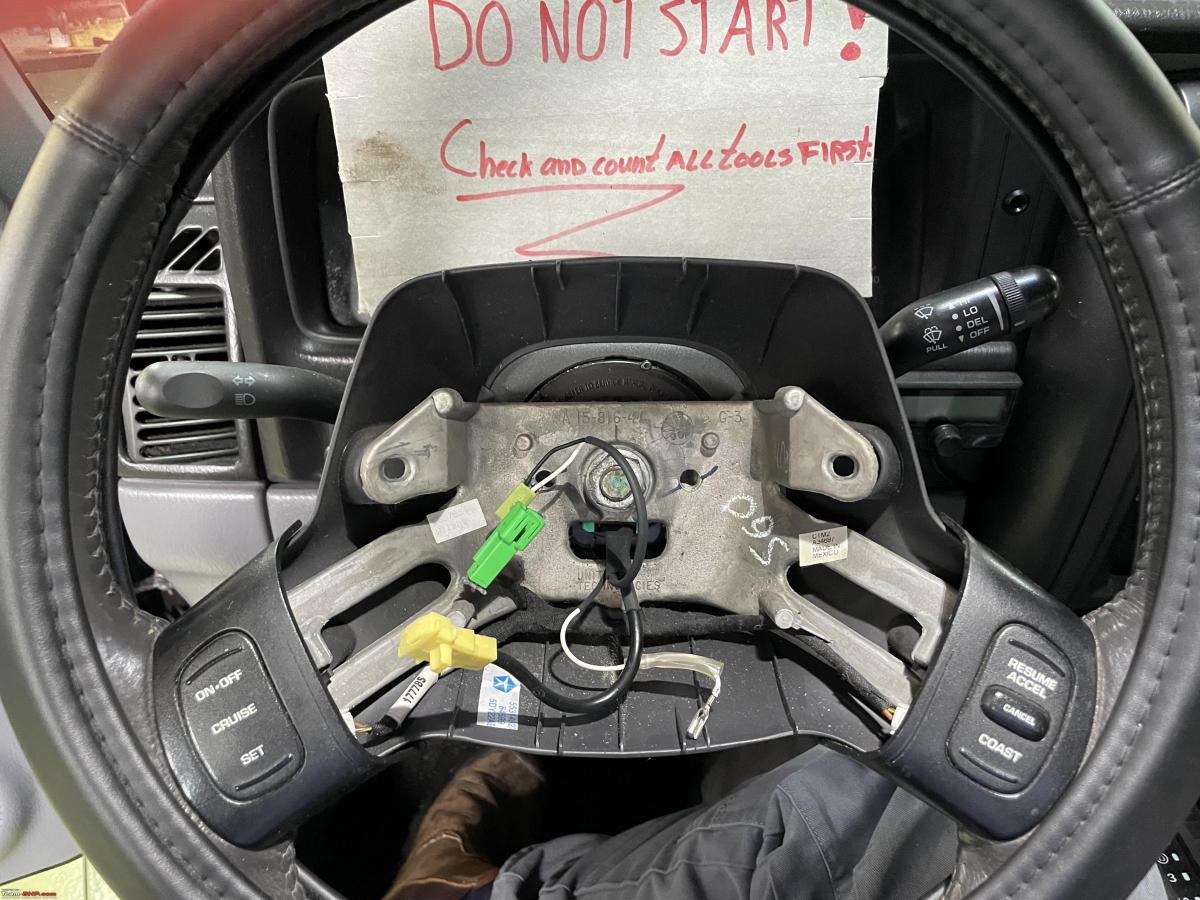
1. The Architecture of Connectivity: Engineering the Clock Spring
To understand the clock spring through a technological lens, one must first appreciate the engineering challenge it solves: maintaining a continuous, uninterrupted electrical connection between two objects while one is rotating relative to the other. In a world where a split-second signal delay can be the difference between safety and catastrophe, the clock spring’s architecture is a marvel of materials science and mechanical design.
Rotational Mechanics and Ribbon Cable Design
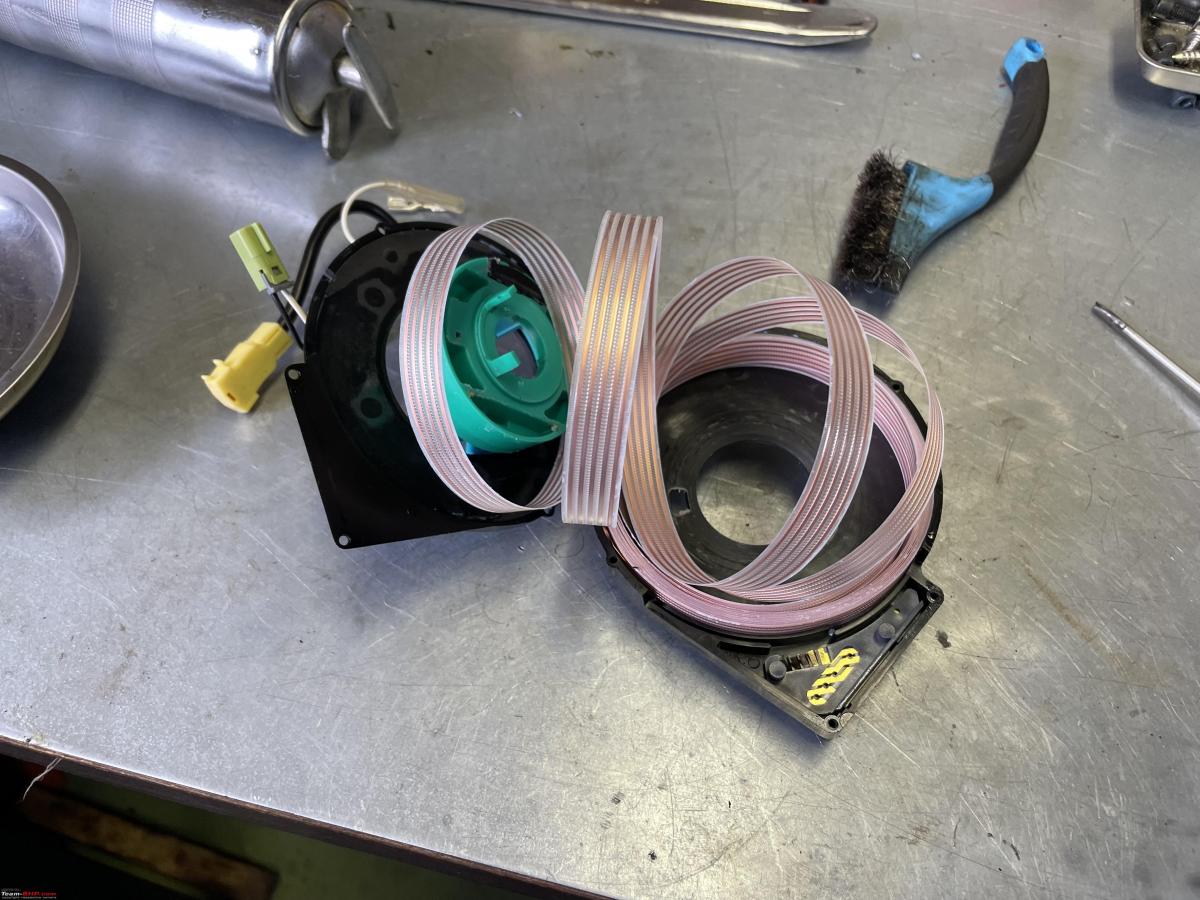
At its core, a clock spring consists of a flat, multi-core ribbon cable wound in a spiral shape, housed within a circular plastic casing. This “ribbon” is composed of high-grade conductive tracks—usually copper—laminated between layers of flexible insulating film. As the driver turns the steering wheel, the ribbon cable either winds tighter around the center hub or unwinds toward the outer perimeter of the housing.
The term “clock spring” is derived from its resemblance to the mainspring of a mechanical timepiece, but its function is purely conductive. Unlike a traditional slip ring, which uses brushes that can wear down or create electrical noise, the clock spring provides a “hard-wired” connection that moves with the wheel. This eliminates friction-related interference, ensuring that high-speed data packets and low-voltage signals remain pristine throughout the steering range.
Materials Science and High-Cycle Durability
The technical integrity of a clock spring is measured by its cycle life. Automotive engineers design these components to withstand hundreds of thousands of full rotations over the lifespan of a vehicle. This requires specialized polymers for the housing that resist thermal expansion and contraction across extreme temperature ranges—from sub-zero winters to the sweltering heat of a car parked in the sun.
The internal ribbon cable must possess high tensile strength and fatigue resistance. If the ribbon develops a micro-crack due to material fatigue, the electrical resistance increases, potentially leading to intermittent signal loss. Modern tech-driven manufacturing uses precision laser welding and automated optical inspection (AOI) to ensure that every internal circuit is flawless before the unit is sealed and installed.
2. The Critical Link in Vehicle Safety Systems
The primary technological driver behind the development of the clock spring was the introduction of the Supplemental Restraint System (SRS)—specifically, the driver-side airbag. In the event of a collision, the vehicle’s central computer (the ACU or Airbag Control Unit) must send an instantaneous firing signal to the airbag module located in the center of the rotating steering wheel.
SRS Integration and Millisecond Precision
The clock spring is the only path for this signal. Because the airbag is a “one-shot” pyrotechnic device, the electrical path through the clock spring must be perfectly reliable 100% of the time. Modern clock springs utilize gold-plated connectors to prevent oxidation and ensure the lowest possible electrical resistance.
In the tech stack of a modern vehicle, the airbag circuit is constantly monitored by a diagnostic loop. The system sends a low-voltage “handshake” signal through the clock spring to the airbag squib and back. If the clock spring’s internal ribbon breaks, the resistance in this loop changes, and the vehicle’s onboard computer instantly detects the fault, disabling the system and illuminating a warning light on the dashboard. This fail-safe mechanism is a cornerstone of automotive safety engineering.
Redundancy and Signal Integrity
As safety standards have climbed, so has the complexity of the clock spring. High-end vehicles now incorporate redundant circuits within the ribbon cable. If one conductive track shows signs of degradation, the system may have secondary paths to ensure that critical safety signals still reach their destination. This level of hardware redundancy mirrors the fail-safe architectures found in aerospace and industrial robotics, highlighting the clock spring’s transition from a simple part to a high-reliability tech component.
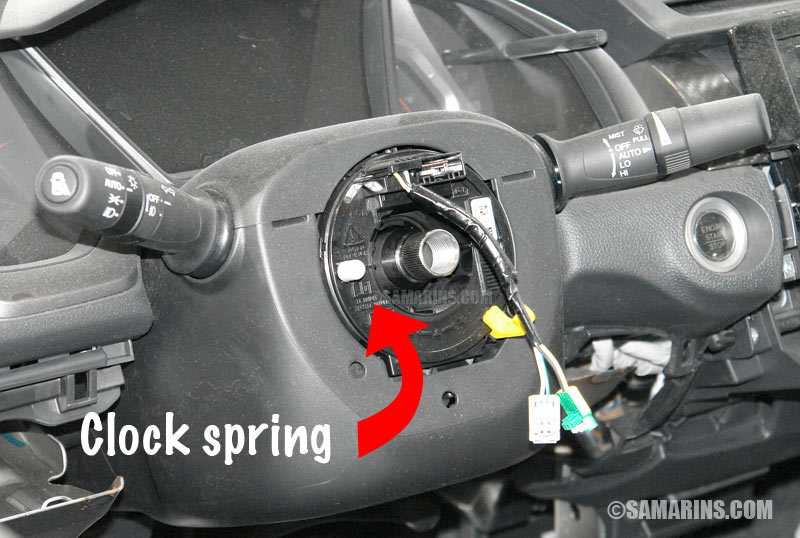
3. The Digital Steering Wheel: Connectivity and UI/UX
Beyond safety, the clock spring has become the backbone of the driver’s user interface (UI). The modern steering wheel is no longer just a directional tool; it is a sophisticated control deck. From haptic feedback buttons and paddle shifters to voice command triggers and heated grips, the volume of data passing through the steering column has exploded.
Multiplexing and CAN Bus Integration
In older vehicle architectures, every button on the steering wheel required a dedicated wire. With the density of modern controls, a physical wire for every function would result in a clock spring ribbon so wide it would be mechanically impractical. To solve this, automotive engineers utilize multiplexing and the Controller Area Network (CAN Bus) protocol.
By integrating a small microprocessor or a localized bus interface within the steering wheel, dozens of control signals can be digitized and compressed into a high-speed serial data stream. This data is then transmitted through just two or three tracks on the clock spring’s ribbon cable. This transition from “analog wiring” to “digital bus communication” represents a significant leap in automotive networking technology, allowing for more complex steering wheel features without increasing the physical footprint of the hardware.
Supporting ADAS and Driver-Assist Interfaces
The rise of Advanced Driver Assistance Systems (ADAS) has added another layer to the clock spring’s responsibilities. Many modern vehicles feature “hands-on” detection sensors in the steering wheel rim to ensure the driver is paying attention while using lane-keep assist or adaptive cruise control. These capacitive or resistive sensors send high-frequency data through the clock spring to the ADAS processing module.
Furthermore, the clock spring housing often integrates the Steering Angle Sensor (SAS). This digital optical or Hall-effect sensor tracks the exact degree of the steering wheel’s rotation, providing vital input for Electronic Stability Control (ESC) and automated parking systems. The integration of these sensors directly into the clock spring assembly creates a unified “sensor hub” that is essential for the vehicle’s spatial awareness and decision-making logic.
4. Diagnostic Evolution and the Future of Steering Tech
As with all high-tech components, the clock spring is subject to wear, and its failure can lead to a cascade of digital errors. However, the way we diagnose and manage these components is shifting toward more predictive, data-driven approaches.
Diagnostic Trouble Codes (DTCs) and Sensor Logs
When a clock spring fails, it rarely results in a simple mechanical snap. Instead, it manifests as “digital noise” or intermittent connectivity. Modern vehicle diagnostics can pinpoint the exact circuit within the clock spring that is failing by analyzing Diagnostic Trouble Codes (DTCs). Tech-savvy technicians use oscilloscopes to view the “waveforms” of the signals passing through the clock spring; a “dirty” signal indicates a fraying ribbon cable.
This level of granular diagnostics allows for proactive maintenance. Future iterations of vehicle firmware may even be able to predict a clock spring failure before it happens by monitoring the “signal-to-noise ratio” of the CAN Bus data coming from the steering wheel, alerting the driver to a hardware degradation before the airbag system is compromised.
The Future: Wireless and Solid-State Alternatives
Looking ahead, the automotive industry is exploring ways to move beyond the physical ribbon cable entirely. As we move toward “Steer-by-Wire” systems—where there is no physical mechanical link between the steering wheel and the tires—the opportunity for radical redesign grows.
Researchers are experimenting with high-frequency wireless power transfer (induction) and short-range wireless data protocols (such as specialized versions of Bluetooth or Ultra-Wideband) to replace the clock spring’s mechanical ribbon. A “wireless steering wheel” would eliminate the risk of mechanical fatigue and allow for infinite rotations without the constraints of a winding cable. While we are currently in the transition phase, the move toward solid-state and wireless connectivity in the steering column represents the next frontier in automotive cockpit tech.
Conclusion
The clock spring is a testament to the fact that in high-level technology, the most important components are often the ones that work silently in the background. It bridges the gap between the physical movement of the driver and the digital intelligence of the vehicle, ensuring that safety, connectivity, and control remain uncompromised.
As the industry moves toward more autonomous and software-defined vehicles, the clock spring continues to evolve, integrating more sensors, handling higher data speeds, and maintaining the rigorous safety standards required for modern transportation. Far from being a mere “car part,” the clock spring is a vital node in the vehicle’s internal network—a piece of precision engineering that keeps the digital world of the car connected to the physical world of the driver.
aViewFromTheCave is a participant in the Amazon Services LLC Associates Program, an affiliate advertising program designed to provide a means for sites to earn advertising fees by advertising and linking to Amazon.com. Amazon, the Amazon logo, AmazonSupply, and the AmazonSupply logo are trademarks of Amazon.com, Inc. or its affiliates. As an Amazon Associate we earn affiliate commissions from qualifying purchases.