
The Artistic Fusion of Tech and Tradition
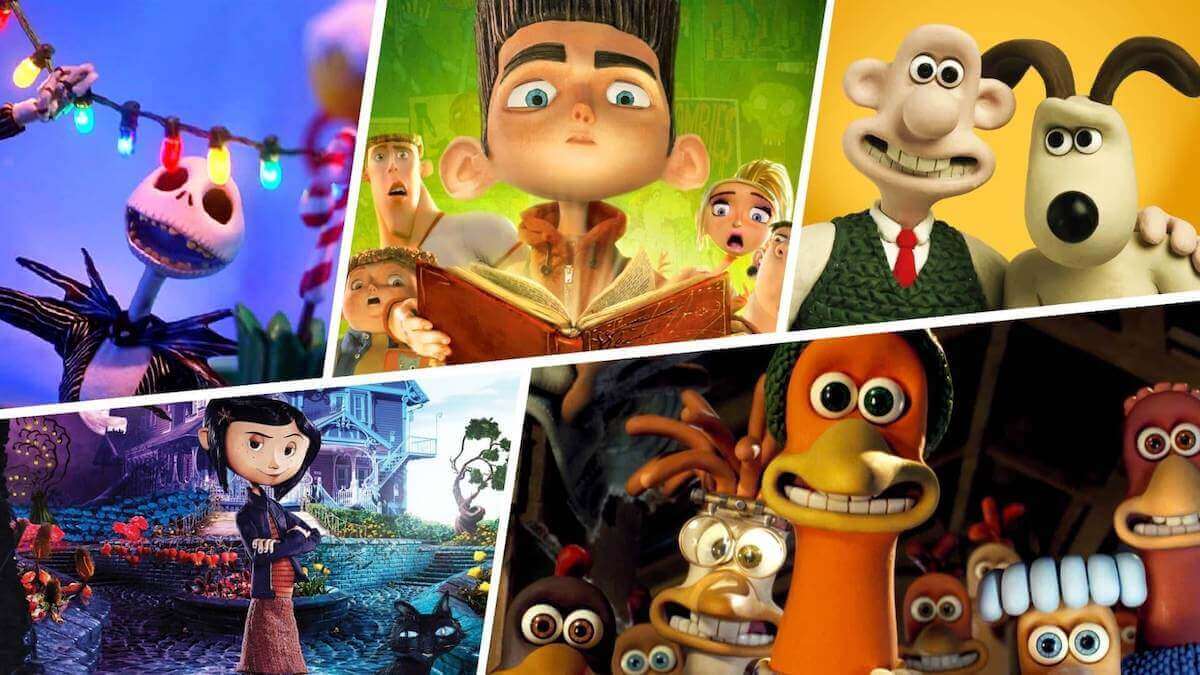
Claymation, a captivating subset of stop-motion animation, represents a unique blend of tactile artistry and intricate technological application. At its core, it is the painstaking process of manipulating clay figures frame by by frame, capturing each minuscule movement with a camera to create the illusion of fluid motion when the frames are played back in sequence. Far from being a simple craft, modern claymation is a sophisticated technical endeavor that harnesses a wide array of digital tools and precise photographic equipment to bring malleable characters to life on screen. Understanding claymation from a technological perspective reveals not just its creative charm but also the profound ingenuity embedded in its production workflow.
The Fundamental Principle: Stop Motion
The underlying technological principle of claymation is stop-motion animation itself. This technique relies on the persistence of vision, a characteristic of human eyesight where the brain interprets a rapid succession of still images as continuous movement. Technologically, this means capturing distinct, static images (frames) where the subject has been incrementally altered. For claymation, this alteration involves minute adjustments to clay models. The efficiency and quality of this capture are heavily reliant on camera technology, frame-rate consistency, and sophisticated software that allows animators to preview their work instantly, a feature known as “onion skinning.” This digital overlay of previous frames is crucial for maintaining smooth, controlled animation.
From Analog Sculptures to Digital Frames
While the sculpting of clay figures remains a hands-on, analog art form, their journey to the screen is predominantly digital. High-resolution digital cameras have replaced film, offering immediate feedback, vast storage capacity, and superior image quality. The captured frames are no longer physically spliced but are digitally assembled, edited, and enhanced using powerful computer software. This digital transformation has not only streamlined the production pipeline but also expanded the creative possibilities, allowing for complex layering, special effects, and precise timing adjustments that were once impossible or prohibitively expensive in traditional film animation.
Essential Technological Toolkit for Claymation
The creation of compelling claymation relies on a specialized suite of technological tools, each playing a critical role in transforming static clay into dynamic storytelling. These tools range from sophisticated camera systems to advanced software platforms, forming a robust ecosystem for animators.
Cameras: Capturing the Nuance
The camera is the central piece of hardware in any stop-motion setup. Modern claymation studios typically employ high-resolution DSLR or mirrorless cameras, and increasingly, cinema cameras, for their image quality, control over photographic parameters (aperture, shutter speed, ISO), and tethering capabilities. Tethering, the direct connection of the camera to a computer, is paramount. It allows animators to control camera settings remotely, capture images directly into animation software, and view frames instantly on a larger monitor. Specific technical considerations include lens choice for depth of field and sharpness, robust tripods for absolute stability, and precise focus rails for repeatable, microscopic adjustments. The ability to capture uncompressed RAW image files is also critical for maximum flexibility in post-production color grading and correction.
Lighting: Shaping Mood and Form
Effective lighting is crucial for defining the form, texture, and mood of clay characters. Technologically, this involves a combination of LED lighting fixtures, often controlled by DMX systems for precise adjustment of brightness, color temperature, and sometimes even color. DMX (Digital Multiplex) is a standard protocol used for controlling stage lighting and effects. By using DMX-controlled LEDs, animators can program lighting sequences that synchronize with character movements, simulate dynamic environmental changes (like a flickering candle or a passing cloud), and maintain consistent lighting across hundreds or thousands of frames. Diffusers, reflectors, and flags (light blockers) are also essential tools, meticulously positioned to sculpt light and shadow, enhancing the three-dimensional quality of the clay models.
Software: The Digital Workflow Hub
Software is arguably the most transformative technological advancement in stop-motion animation. Dedicated stop-motion capture software, such as Dragonframe, serves as the central control panel for the entire animation process. It integrates camera control, onion skinning, motion control programming, and even rudimentary video editing. Beyond capture, a suite of post-production software is indispensable. Adobe Photoshop or similar image editors are used for cleanup—removing rigs, wires, or fingerprints digitally—and for color correction. Video editing suites like Adobe Premiere Pro or DaVinci Resolve assemble the final animated sequences, adding sound, music, and titles. For more complex visual effects, compositing software like Adobe After Effects or Nuke might be employed to integrate CGI elements, create digital backgrounds, or apply sophisticated filters and effects.
The Modern Evolution of Claymation Tech
The landscape of claymation has continuously evolved, driven by technological advancements that enhance both the efficiency and creative scope of this unique animation style. Modern techniques push the boundaries of what’s possible, offering greater control and visual fidelity.
Rigging and Armatures: Beyond Simple Bends
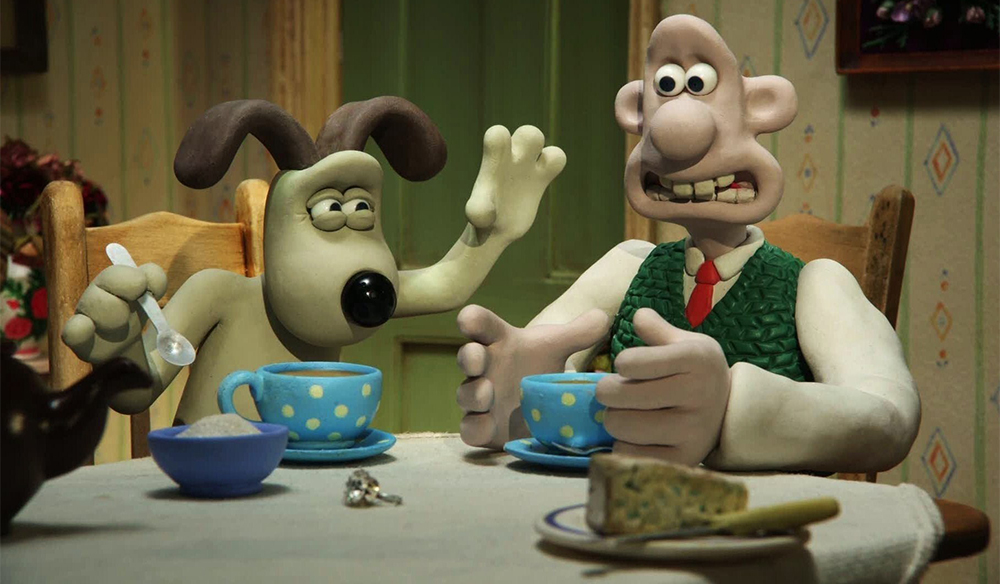
Traditional clay figures could only hold simple poses. Modern claymation relies heavily on sophisticated internal armatures—skeletal structures, often made of wire, ball-and-socket joints, or even 3D-printed components. These armatures provide a sturdy, repeatable framework that allows animators to pose characters precisely and consistently without deforming the clay body irreversibly. Specialized armature systems can include tie-down points that secure characters to the set, preventing unwanted shifts, and rigging systems—external supports that hold characters in gravity-defying poses. These rigs are then meticulously removed in post-production using digital image manipulation techniques, ensuring a seamless illusion of flight or complex action.
Post-Production Prowess
Post-production has become an integral and highly technical phase of claymation. Digital compositing allows for the seamless integration of various elements: live-action footage, computer-generated imagery (CGI), matte paintings, and visual effects. Green screen technology, once exclusive to live-action filmmaking, is now commonly used in claymation to allow characters to interact with digitally created or photographed backgrounds. Advanced color grading tools in software like DaVinci Resolve enable animators to refine the visual tone and mood of the entire animation, ensuring consistency and enhancing storytelling impact. Noise reduction, sharpening, and stabilization algorithms also play a crucial role in cleaning up footage and achieving a polished final product.
Future Frontiers: AI and Automation’s Role
The future of claymation technology points towards increasing integration with artificial intelligence and automation. While AI is unlikely to replace the animator’s tactile artistry, it could significantly enhance workflow efficiency. AI-powered tools might assist with automated rig removal, intelligent frame interpolation to smooth out slight inconsistencies, or even generate preliminary lighting setups based on artistic input. Automation in motion control rigs, allowing for precise camera movements or prop manipulation over hundreds of frames, is already in use and is expected to become more accessible. These technologies promise to free up animators to focus more on the creative performance of their characters, while the technical heavy lifting is streamlined.
Crafting Claymation: A Step-by-Step Technical Overview
The creation of a claymation piece is a methodical process, broken down into distinct stages, each heavily reliant on specific technological tools and workflows.
Pre-Production: Digital Storyboarding and Animatics
Before any clay is molded, the technical planning begins. Digital storyboarding software (e.g., Storyboarder, Toon Boom Storyboard Pro) allows animators to visualize the narrative, shot by shot. Beyond static storyboards, animatics—rough video versions of the storyboard with basic timing and sound—are crucial. These are often created in video editing software (Adobe Premiere Pro, After Effects) using storyboard images, providing a precise blueprint for camera angles, character blocking, and scene pacing. This digital pre-visualization helps identify technical challenges and narrative flow issues early, saving significant time and resources during the intensive animation phase.
Production: Meticulous Frame Capture
This is the core animation phase, driven by stop-motion software. The animator positions a clay figure, makes a minute adjustment, and then captures a single frame using the tethered camera controlled by software like Dragonframe. The software’s onion-skinning feature is indispensable here, allowing the animator to see a faint overlay of the previous frame(s) to ensure smooth transitions. Motion control systems, often robotic arms or motorized sliders, are programmed to execute precise, repeatable camera moves (pans, dollies, tilts) or even control lighting changes over thousands of frames. This level of precision is paramount for complex shots, ensuring that backgrounds and camera movements are consistent between frames.
Post-Production: Enhancing the Clay World
Once all frames are captured, they enter the digital post-production pipeline. The raw images are first imported into image editing software for cleanup. This involves digitally painting out any support rigs, wires, fingerprints, or dust specks visible in the frame. Color correction and grading are applied using professional software (e.g., DaVinci Resolve) to ensure visual consistency and enhance the desired mood. The individual frames are then sequenced and rendered as a video file in video editing software. This stage also includes the integration of sound design, music, voiceovers, and any necessary visual effects (VFX) created in compositing software. The final output is then exported in various digital formats, ready for distribution.
Challenges and Innovations in Claymation Technology
Despite its charming aesthetic, claymation presents unique technical challenges, driving continuous innovation within the field.
Overcoming Technical Hurdles
One of the primary technical challenges is maintaining consistency. Slight variations in lighting, camera position, or even minute unintended movements of the set can break the illusion. Modern technology addresses this through highly stable camera rigs, advanced lighting control systems, and software features that allow for precise frame-by-frame adjustments. Material consistency for the clay itself is also crucial; specialized, oil-based clays (like Plasticine) are used because they don’t dry out and can withstand repeated manipulation. The technological innovation here lies in the chemical engineering of these clays to maintain workability and color integrity.

Pushing the Boundaries of Visual Storytelling
Technological advancements have significantly expanded the narrative possibilities of claymation. High dynamic range (HDR) photography allows for greater detail in both shadows and highlights, enhancing realism. Photogrammetry and 3D scanning can capture real-world objects or sculpted maquettes and convert them into digital models, which can then be 3D printed for armatures or props, or used as reference for clay models. Virtual production techniques, where digital sets are displayed on LED walls behind physical clay puppets, are also beginning to emerge, offering real-time integration of digital and physical elements. These innovations ensure that claymation, a seemingly traditional art form, remains at the cutting edge of visual technology, continuously redefining its own creative potential.
aViewFromTheCave is a participant in the Amazon Services LLC Associates Program, an affiliate advertising program designed to provide a means for sites to earn advertising fees by advertising and linking to Amazon.com. Amazon, the Amazon logo, AmazonSupply, and the AmazonSupply logo are trademarks of Amazon.com, Inc. or its affiliates. As an Amazon Associate we earn affiliate commissions from qualifying purchases.