
The world of medicine is a constant battle against an ever-evolving enemy: bacteria. For decades, humanity has relied on antibiotics to combat these microscopic invaders. However, bacteria are remarkably adaptable, developing sophisticated defense mechanisms that render many of our once-powerful weapons ineffective. This is where compounds like clavulanate come into play, acting as silent guardians that help restore the potency of our antibiotic arsenal. While its name might not be as familiar as penicillin or amoxicillin, clavulanate is a crucial component in treating a wide range of infections, significantly impacting public health and the broader landscape of infectious disease management.

The very essence of clavulanate’s importance lies in its unique mechanism of action. It doesn’t kill bacteria directly; instead, it strategically disarms them by targeting their resistance mechanisms. This makes it an indispensable partner for certain antibiotics, particularly those belonging to the beta-lactam class. Understanding clavulanate is not just about understanding a single drug, but about appreciating the intricate interplay between pathogens, our therapeutic interventions, and the continuous innovation required to stay ahead in the fight against infection.
This article will delve into the world of clavulanate, exploring its origins, its biological function, and its widespread applications. We will also touch upon the broader implications of such compounds, from the economic considerations in drug development and manufacturing to the technological advancements that enable their discovery and distribution. By examining clavulanate through the lens of technology, brand, and money, we can gain a more comprehensive understanding of its significance in modern healthcare and its potential future.
The Biological Powerhouse: How Clavulanate Works
At its core, clavulanate is a beta-lactamase inhibitor. To grasp its significance, we must first understand the threat it neutralizes: beta-lactamase enzymes. Many bacteria have evolved to produce these enzymes, which act as molecular scissors, breaking down the critical beta-lactam ring found in many antibiotics. This degradation renders the antibiotic useless, allowing the bacteria to survive and multiply.
The Enemy Within: Beta-Lactamase Enzymes and Bacterial Resistance
The beta-lactam ring is the key structural feature of antibiotics like penicillins and cephalosporins. When these antibiotics enter a bacterial cell, the beta-lactam ring binds to specific proteins (penicillin-binding proteins) involved in building and maintaining the bacterial cell wall. This binding disrupts cell wall synthesis, leading to cell lysis and bacterial death.
However, bacteria have developed a countermeasure: beta-lactamase enzymes. These enzymes are secreted by bacteria and cleave the beta-lactam ring before the antibiotic can reach its target. The diversity of beta-lactamase enzymes is vast, with different types capable of degrading various beta-lactam antibiotics. This enzymatic resistance is a major driver of antibiotic resistance, a growing global health crisis. Infections that were once easily treatable are becoming increasingly difficult to manage, leading to prolonged illness, higher mortality rates, and increased healthcare costs.
Clavulanate’s Strategic Intervention: Inhibiting the Inhibitor
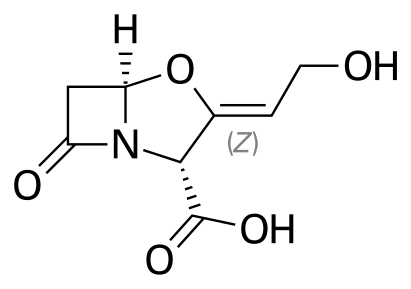
Clavulanate’s genius lies in its ability to act as a Trojan horse. While it possesses a beta-lactam ring itself, it has a weak antibacterial effect on its own. Instead, it irreversibly binds to and inactivates beta-lactamase enzymes. Think of it as a decoy that sacrifices itself to protect the real weapon. When clavulanate is administered alongside a beta-lactam antibiotic, it effectively neutralizes the bacterial beta-lactamases. This allows the accompanying antibiotic to perform its intended function, breaking down the bacterial cell wall and eradicating the infection.
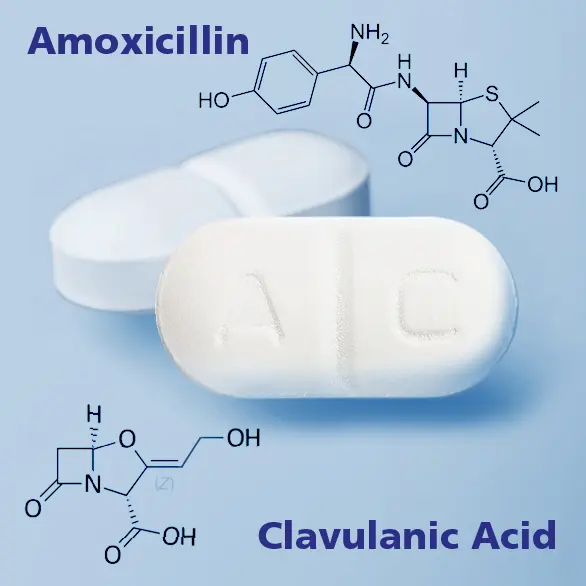
This synergistic relationship is why clavulanate is almost always formulated in combination with other antibiotics. The most common partner is amoxicillin, forming the well-known combination drug amoxicillin-clavulanate (often marketed under brand names like Augmentin). Other combinations exist, targeting different spectrums of bacterial infections. The development of clavulanate represented a significant breakthrough in antibiotic therapy, revitalizing the effectiveness of a class of drugs that were beginning to falter due to widespread bacterial resistance.
The Technology Behind Clavulanate: From Discovery to Delivery
The journey of clavulanate from a laboratory curiosity to a life-saving medication is a testament to scientific ingenuity and technological advancement. The discovery, production, and formulation of such compounds involve sophisticated processes that leverage cutting-edge technology.
Pioneering Discovery and Development: The Role of Biotechnology
Clavulanic acid was first discovered in the 1970s from the bacterium Streptomyces clavuligerus. This discovery was not a mere accident but the result of extensive screening programs employing advanced biotechnological techniques. Researchers utilized fermentation processes, where specific microorganisms are cultured under controlled conditions to produce desired compounds. The ability to identify, isolate, and optimize the production of clavulanic acid from these microorganisms relied heavily on advancements in microbiology, genetic engineering, and biochemical analysis.
The subsequent development of clavulanate as a pharmaceutical agent involved rigorous research and development. This included:
- Pharmacological studies: Understanding how the drug is absorbed, distributed, metabolized, and excreted in the body.
- Toxicology studies: Assessing the safety profile of the drug and identifying potential side effects.
- Clinical trials: Testing the efficacy and safety of clavulanate in humans for various infections.
These stages are heavily reliant on technological tools such as high-throughput screening, advanced analytical chemistry (e.g., mass spectrometry, chromatography), and sophisticated modeling for drug design and prediction.
Manufacturing and Formulation: Ensuring Potency and Accessibility
The large-scale production of clavulanate is a complex industrial process. It involves:
- Fermentation optimization: Enhancing the yield of clavulanic acid from Streptomyces clavuligerus through genetic modification of the bacteria and fine-tuning of fermentation parameters.
- Extraction and purification: Developing efficient methods to isolate and purify clavulanic acid from the fermentation broth, often involving advanced separation techniques.
- Chemical synthesis and stabilization: While clavulanic acid is a natural product, its synthesis and stabilization for pharmaceutical use can involve complex chemical processes. Clavulanate is often formulated as a salt (e.g., potassium clavulanate) to improve its stability and solubility.
- Dosage form development: Creating stable and effective dosage forms (tablets, oral suspensions, intravenous formulations) that ensure accurate dosing and patient compliance. This involves pharmaceutical engineering and excipient selection.
The formulation process is also crucial for ensuring the stability of clavulanate, which can be sensitive to moisture and heat. Advanced encapsulation techniques and controlled-release technologies might be employed to improve drug delivery and efficacy. Furthermore, the development of combination products like amoxicillin-clavulanate requires precise blending and manufacturing processes to ensure consistent ratios of the active ingredients.
The Brand and Business of Clavulanate: Market Dynamics and Economic Impact
The development and commercialization of drugs like clavulanate are deeply intertwined with branding, marketing, and significant financial investment. Understanding the business side of clavulanate reveals its economic importance and the strategic considerations involved in bringing such a vital medication to market.
Brand Recognition and Trust: Building Confidence in Therapeutics
The brand names under which clavulanate-containing medications are sold play a crucial role in their market success. Pharmaceutical companies invest heavily in building brand recognition and trust. For a medication that is often prescribed for common infections, consistent efficacy, a reliable supply chain, and a strong reputation are paramount.
- Brand Equity: Established brands like Augmentin have built significant brand equity over years of consistent performance and widespread use. This equity translates into physician trust and patient familiarity, influencing prescribing patterns.
- Generic Competition: As patents expire, generic versions of amoxicillin-clavulanate enter the market. These generics aim to replicate the efficacy and safety of the original brand at a lower cost. The branding strategy for generics often focuses on affordability and accessibility, while still emphasizing the proven therapeutic value of the combination.
- Reputation Management: In the pharmaceutical industry, reputation is everything. Companies strive to maintain a positive image through rigorous quality control, transparent communication about side effects, and contributions to medical research.
The brand of clavulanate is not just about a logo; it’s about the promise of effective treatment and the assurance of quality, backed by scientific evidence and years of clinical experience.
The Business of Antibiotics: Investment, R&D, and Market Access
The development of new antibiotics, including novel beta-lactamase inhibitors or improved formulations, requires substantial financial investment and carries significant risk.
- Research and Development Costs: The discovery and development of a new drug can cost billions of dollars and take over a decade. This includes the costs associated with preclinical research, multiple phases of clinical trials, and regulatory approvals.
- Return on Investment (ROI): Pharmaceutical companies need to see a potential for a significant return on their investment. However, the antibiotic market faces unique challenges. The relatively short duration of treatment for most infections, coupled with the increasing threat of resistance, can make antibiotic development less profitable compared to treatments for chronic diseases.
- Market Access and Pricing: Negotiating market access with healthcare systems and governments is crucial. The pricing of antibiotics is a complex issue, balancing the need for profitability with the imperative of ensuring affordability and accessibility for patients worldwide, especially in resource-limited settings.
- Manufacturing and Supply Chain: Maintaining a robust and reliable global supply chain for antibiotics is a significant logistical and financial undertaking. Ensuring the availability of essential medicines like clavulanate-containing drugs in all regions requires strategic planning and investment in manufacturing capabilities.
The economic landscape of antibiotics is a constant negotiation between the imperative to innovate and the practicalities of market economics. The continued development and availability of compounds like clavulanate depend on a sustainable business model that incentivizes research while ensuring access to life-saving treatments.
The Future of Clavulanate and Beyond: Evolving Challenges and Opportunities
The fight against bacterial infections is a dynamic and ongoing one. As bacteria continue to evolve their resistance mechanisms, the role of compounds like clavulanate will undoubtedly adapt and expand.
The Growing Threat of Antibiotic Resistance and the Need for Innovation
The rise of “superbugs” – bacteria resistant to multiple antibiotics – poses a severe global health threat. This necessitates continuous innovation in antibiotic development and the strategic use of existing therapies.
- New Beta-Lactamase Inhibitors: Research is ongoing to discover and develop new beta-lactamase inhibitors that can overcome emerging resistance mechanisms. These new inhibitors might target a broader spectrum of beta-lactamases or be effective against bacteria that have developed resistance to current inhibitors.
- Novel Combinations: Scientists are exploring novel combinations of antibiotics and inhibitors, or even combining antibiotics with non-antibiotic agents that can enhance their efficacy or disrupt bacterial virulence factors.
- Stewardship and Responsible Use: Beyond developing new drugs, ensuring the responsible use of existing antibiotics is paramount. Antibiotic stewardship programs aim to optimize prescribing practices, reduce unnecessary use, and prolong the effectiveness of current treatments. Clavulanate-containing drugs, while potent, are not immune to misuse, which can contribute to the development of resistance.
Technological Advancements: Shaping the Next Generation of Therapies
Technology will continue to play a pivotal role in the future of antibiotic development and management.
- AI and Machine Learning in Drug Discovery: Artificial intelligence and machine learning are being increasingly utilized to accelerate the drug discovery process. These technologies can analyze vast datasets to identify potential drug targets, predict the efficacy and toxicity of new compounds, and design novel molecules with improved properties.
- Genomic Sequencing and Diagnostics: Advances in genomic sequencing allow for rapid identification of bacterial pathogens and their resistance genes. This enables personalized treatment approaches, ensuring that the most effective antibiotic, potentially in combination with an inhibitor like clavulanate, is used.
- Advanced Drug Delivery Systems: Future drug delivery systems could offer more targeted and efficient delivery of antibiotics and inhibitors, potentially reducing side effects and improving treatment outcomes.
In conclusion, clavulanate is far more than just a chemical compound; it’s a critical weapon in humanity’s ongoing battle against bacterial infections. Its ingenious mechanism of action, powered by technological innovation and supported by a robust commercial framework, has saved countless lives and continues to be a cornerstone of modern infectious disease management. As we navigate the evolving landscape of antibiotic resistance, understanding the science, technology, and business behind such vital medications offers valuable insights into our collective efforts to ensure a future where treatable infections remain just that – treatable.
aViewFromTheCave is a participant in the Amazon Services LLC Associates Program, an affiliate advertising program designed to provide a means for sites to earn advertising fees by advertising and linking to Amazon.com. Amazon, the Amazon logo, AmazonSupply, and the AmazonSupply logo are trademarks of Amazon.com, Inc. or its affiliates. As an Amazon Associate we earn affiliate commissions from qualifying purchases.