
In the contemporary digital landscape, the traditional “castle-and-moat” approach to cybersecurity has become obsolete. As organizations migrate to the cloud and embrace hybrid work models, the perimeter has shifted from the office firewall to the individual user and their device. Within this shift, Cisco Duo has emerged as a cornerstone of modern digital security. At its core, Cisco Duo is a cloud-based security platform that protects organizations against unauthorized access by verifying the identities of users and the health of their devices before granting access to applications.
Acquired by Cisco in 2018, Duo Security has evolved from a simple Multi-Factor Authentication (MFA) tool into a robust Zero Trust access solution. It addresses the most common point of failure in security: compromised credentials. By layering verification methods and continuous monitoring, Duo ensures that even if a password is stolen, the network remains secure.
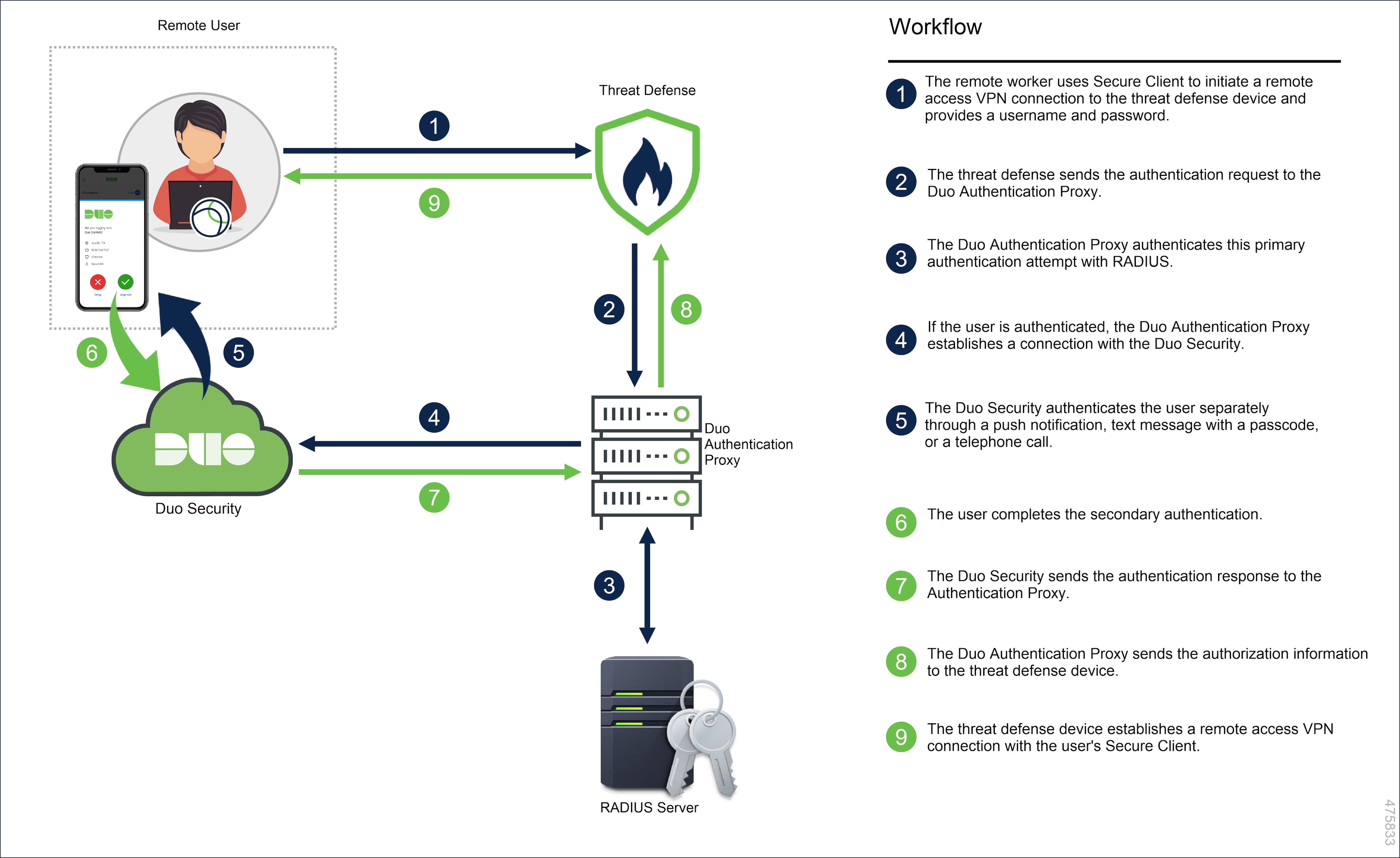
Understanding the Core Architecture of Cisco Duo
To understand what Cisco Duo is, one must first look at the technical pillars that support its infrastructure. Unlike legacy security systems that are cumbersome to deploy, Duo is designed as a cloud-native software-as-a-service (SaaS) platform, making it highly scalable and easy to integrate into existing tech stacks.
Multi-Factor Authentication (MFA)
The most visible aspect of Cisco Duo is its MFA capability. MFA requires users to provide two or more verification factors to gain access to a resource. Duo supports a wide array of factors, including:
- Duo Push: The flagship feature where a user receives a push notification on their smartphone, allowing them to approve or deny access with a single tap.
- Biometrics: Integration with Windows Hello, Apple Touch ID/Face ID, and Android biometrics.
- Security Keys: Support for hardware tokens like Yubikeys via WebAuthn.
- Passcodes: Time-based one-time passwords (TOTP) generated within the app or sent via SMS/Voice.
Single Sign-On (SSO) and Centralized Access
Beyond just adding a second step to a login, Duo provides a sophisticated Single Sign-On (SSO) experience. For a technical team, managing disparate login credentials for dozens of SaaS tools like AWS, Salesforce, and Microsoft 365 is a nightmare. Duo Central acts as a unified dashboard where users can log in once and access all their assigned applications without re-entering credentials, all while maintaining the security of MFA at the gateway.
Passwordless Authentication
As the tech industry moves toward a future without passwords, Cisco Duo is leading the charge. Using the FIDO2 standard and cryptographic key pairs, Duo allows users to bypass the traditional password entirely. By leveraging biometrics or security keys, the platform eliminates the risks associated with weak or reused passwords, drastically reducing the attack surface for credential-based threats like phishing.
The Role of Cisco Duo in a Zero Trust Framework
In the realm of digital security, “Zero Trust” is a philosophy that assumes no user or device is trustworthy by default, whether they are inside or outside the corporate network. Cisco Duo is often cited as the fastest path to achieving a Zero Trust architecture because it focuses on three specific mandates: verifying user identity, checking device health, and enforcing adaptive policies.
Establishing Trust in Users
Duo begins by establishing trust through rigorous identity verification. This goes beyond the initial login. By integrating with existing identity providers (IdPs) like Active Directory, Azure AD, or Okta, Duo ensures that the user attempting to access a resource is exactly who they claim to be. This identity-first approach is critical in a world where phishing attacks are increasingly sophisticated.
Verifying Device Health and Security Posture
A unique technical advantage of Cisco Duo is its ability to perform “device posture checks.” Before a user is granted access to a sensitive application, Duo’s “Device Insight” feature scans the hardware. It checks for several security markers:
- Is the operating system up to date?
- Is the browser patched against known vulnerabilities?
- Is the device encrypted?
- Is there a passcode or biometric lock enabled?
- Is the device jailbroken or rooted?
If a device fails these checks, Duo can automatically block access or prompt the user to update their software, effectively preventing “unmanaged” or “unhealthy” devices from introducing malware into the corporate ecosystem.
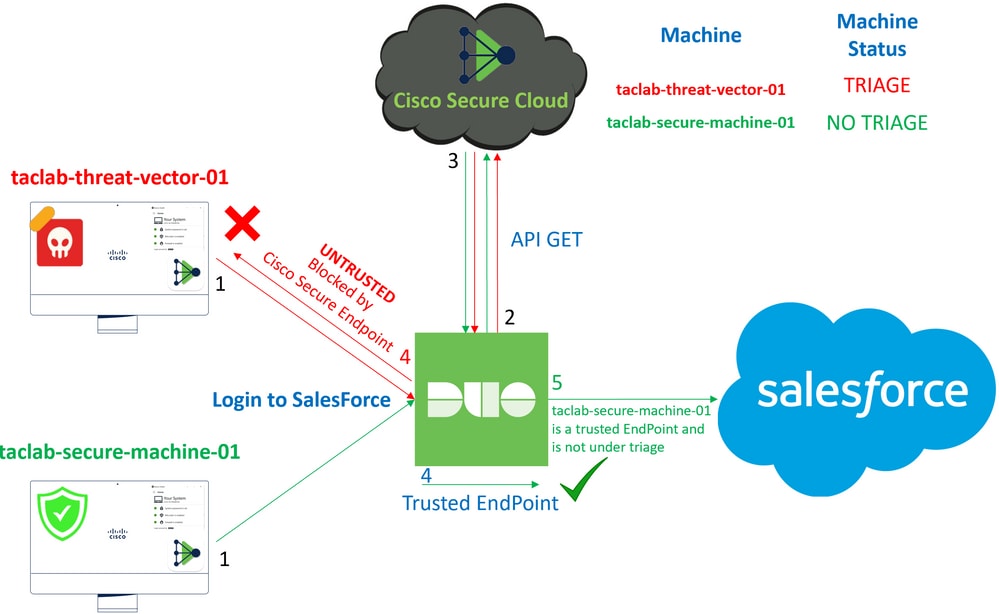
Adaptive Access Policies
Not every application requires the same level of security. Duo allows administrators to create granular, context-aware policies. For example, a developer accessing a production server from an unrecognized IP address in a foreign country might be required to use a hardware security key, whereas an employee accessing their email from a known office network might only need a simple push notification. This flexibility allows tech teams to balance high security with user productivity.
Key Features and Deployment Models
The technical versatility of Cisco Duo is a major reason for its widespread adoption among IT professionals and security engineers. It is designed to be “tech-agnostic,” meaning it works across diverse environments—whether they are on-premises, cloud-based, or hybrid.
The Duo Mobile App and User Experience
The Duo Mobile app is the primary interface for users. From a technical standpoint, the app utilizes public-key cryptography to verify the user’s identity. When a push notification is sent, the app signs the response with a private key stored in the phone’s Secure Enclave or Trusted Execution Environment (TEE). This ensures that the authentication cannot be intercepted or spoofed by a “man-in-the-middle” attack.
Broad Integration Ecosystem
One of Duo’s greatest strengths is its massive library of integrations. It supports:
- Cloud Applications: Direct integration with Slack, Dropbox, Zoom, and others via SAML 2.0 or OpenID Connect.
- Infrastructure: Protection for SSH, RDP, and VPNs (including AnyConnect, Palo Alto Networks, and Fortinet).
- Custom Applications: Developers can use the Duo SDKs (available in Python, Ruby, Java, Go, etc.) to bake MFA directly into their own proprietary software.
Secure Remote Access (Duo Network Gateway)
For organizations looking to move away from traditional VPNs, the Duo Network Gateway (DNG) provides a software-defined perimeter. It allows users to access internal web applications and SSH servers without needing a VPN client. The DNG acts as a reverse proxy, verifying the user and device before the traffic ever reaches the internal server, which is a hallmark of modern “BeyondCorp” security models.
The Security Benefits of Implementing Cisco Duo
The primary goal of Cisco Duo is to mitigate risk, but the technical benefits extend far beyond just blocking hackers. It streamlines the workload for IT departments and enhances the overall security culture of a company.
Mitigating Credential-Based Attacks
According to various cybersecurity reports, nearly 80% of data breaches involve compromised or weak passwords. Cisco Duo effectively neutralizes this threat. Even if an attacker successfully phishes a user’s password, they cannot bypass the MFA step. Furthermore, Duo’s “Verified Duo Push” feature requires users to enter a code displayed on the login screen into their mobile app, preventing “MFA Fatigue” attacks where users accidentally approve a login request they didn’t initiate.
Simplified Compliance and Auditing
For many tech companies, compliance with frameworks like SOC2, HIPAA, PCI DSS, or GDPR is mandatory. Cisco Duo provides comprehensive logging and reporting features. Security teams can see exactly who logged into what application, from which device, and at what time. These audit trails are invaluable during security forensics or compliance audits, providing a clear map of access across the entire organization.
Reducing IT Support Overhead
One might assume that adding more security would increase helpdesk tickets, but Duo is designed for self-service. The platform allows users to self-enroll their devices and manage their own authentication methods. If a user gets a new phone, they can often migrate their Duo account themselves without needing to call an IT admin. This ease of use ensures that security measures are actually followed rather than bypassed by frustrated employees.
Conclusion: The Future of Access Security
Cisco Duo is more than just a “two-factor app.” It is a comprehensive security layer designed for the modern era of computing. By focusing on the user, the device, and the context of the login, it provides a level of protection that traditional security measures simply cannot match.
As we look toward the future, the integration of Artificial Intelligence and Machine Learning will likely allow Duo to become even more predictive, identifying anomalous login patterns before a breach even occurs. For any organization serious about its digital security, Cisco Duo offers a scalable, user-friendly, and technically robust solution to the ever-present challenge of unauthorized access. In an age where data is the most valuable asset, Duo acts as the essential gatekeeper for the modern enterprise.
aViewFromTheCave is a participant in the Amazon Services LLC Associates Program, an affiliate advertising program designed to provide a means for sites to earn advertising fees by advertising and linking to Amazon.com. Amazon, the Amazon logo, AmazonSupply, and the AmazonSupply logo are trademarks of Amazon.com, Inc. or its affiliates. As an Amazon Associate we earn affiliate commissions from qualifying purchases.