
In the world of high-stakes finance and personal wealth management, we often focus on spreadsheets, market algorithms, and interest rates. However, one of the most significant variables in the equation of financial success isn’t found on a balance sheet—it is produced within the human adrenal glands. Cortisol, often referred to as the “stress hormone,” plays a foundational role in how we perceive risk, manage debt, and execute long-term investment strategies. Understanding the intersection of biology and finance is no longer a niche pursuit for bio-hackers; it is a critical competency for any professional or investor looking to thrive in a volatile economy.
The Financial Cost of High Cortisol: The “Stress Tax” on Productivity
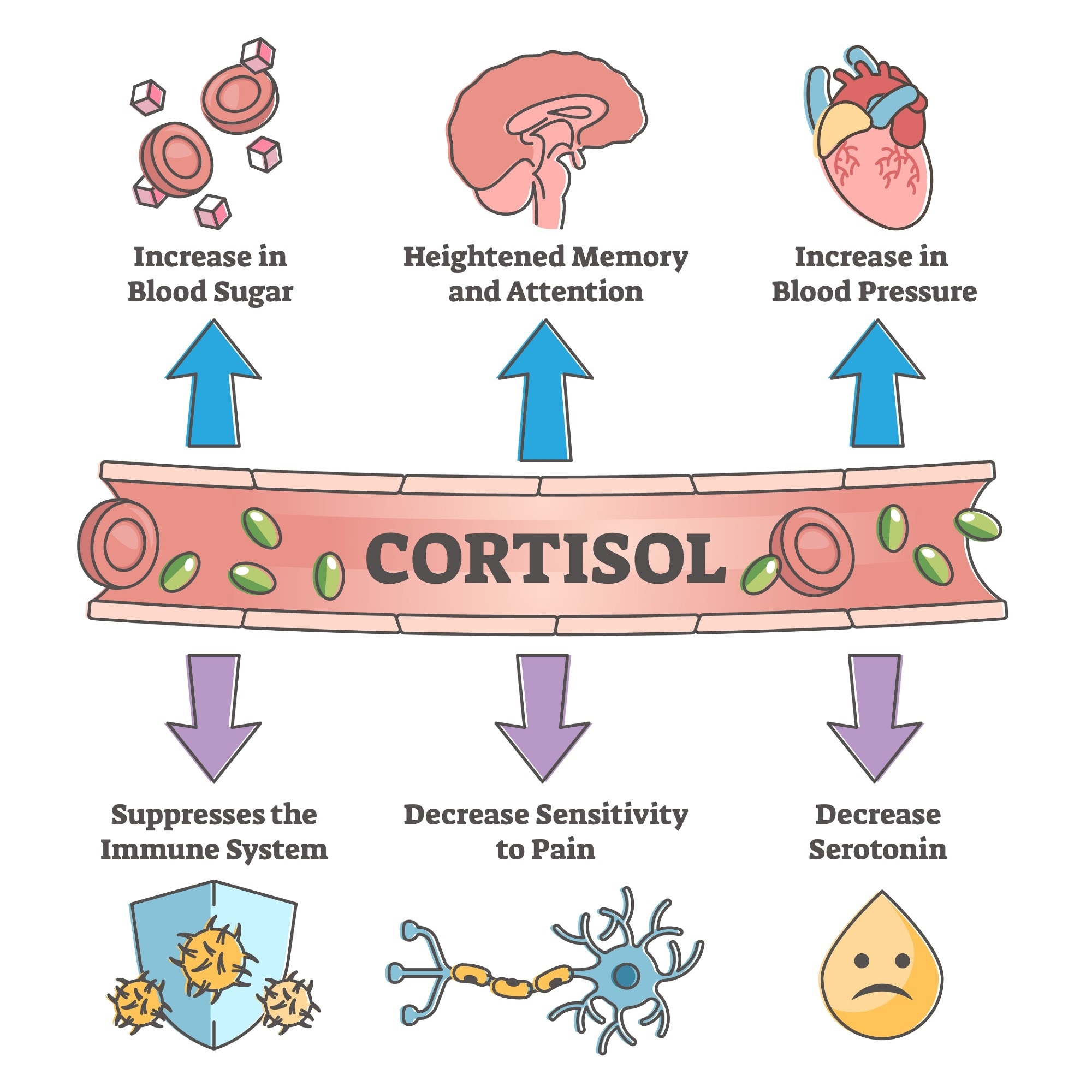
While cortisol is essential for our survival—providing the burst of energy needed to respond to immediate threats—its chronic elevation in the modern workplace has created what economists call a “Stress Tax.” This tax manifests as a massive drain on personal and corporate finances through lost productivity, absenteeism, and healthcare expenditures.
The Macroeconomic Impact of Burnout
On a corporate level, high cortisol levels among employees correlate directly with decreased ROI. When a workforce is perpetually in a state of “fight or flight,” the prefrontal cortex—the part of the brain responsible for complex decision-making and innovation—is effectively sidelined. Research suggests that stress-related illnesses and burnout cost the global economy billions annually. For the business owner or manager, ignoring the cortisol levels of a team is a fiscal oversight that leads to high turnover and the staggering costs associated with recruitment and retraining.
The Hidden Drain on Personal Savings
For the individual, cortisol acts as a silent predator of personal net worth. When we are chronically stressed, our capacity for delayed gratification diminishes. High cortisol levels are biologically linked to a desire for immediate rewards, often leading to impulsive “retail therapy” or luxury spending as a means of temporary dopamine-seeking. This biological drive creates a cycle of debt that can derail even the most disciplined financial plan. Understanding that your urge to spend may be a biological response to stress is the first step in protecting your capital.
Cortisol and the Psychology of the Market: Behavioral Finance
The stock market is often viewed as a rational machine, but it is actually a reflection of collective human biology. Cortisol is the chemical driver behind many of the “irrational” market movements observed in behavioral finance. When the market dips, the collective surge in cortisol can trigger a cascade of panic-selling that defies logical valuation.
The Biological Roots of Panic Selling
In a high-cortisol state, the human brain prioritizes immediate survival over long-term gains. This is why investors often “sell at the bottom.” Their biology is screaming at them to exit a perceived “dangerous” situation. This chemical response overrides the logical understanding that markets are cyclical. Professional wealth managers are increasingly looking at “emotional regulation” as a core part of their value proposition, helping clients manage their hormonal responses to market volatility so they don’t liquidate assets at the worst possible time.
Risk Aversion vs. Risk Assessment
There is a fine line between a calculated risk and a fear-based decision. Chronic stress narrows our peripheral vision—both literally and metaphorically. In a financial context, this means a high-cortisol investor may become hyper-focused on a single negative data point while ignoring a plethora of growth opportunities. Conversely, a healthy cortisol balance allows for “cognitive flexibility,” the ability to switch between different concepts or think about multiple concepts simultaneously. This flexibility is the hallmark of successful venture capitalists and day traders who must remain calm under pressure to identify true value.
Strategies for Cortisol Management in Financial Decision-Making
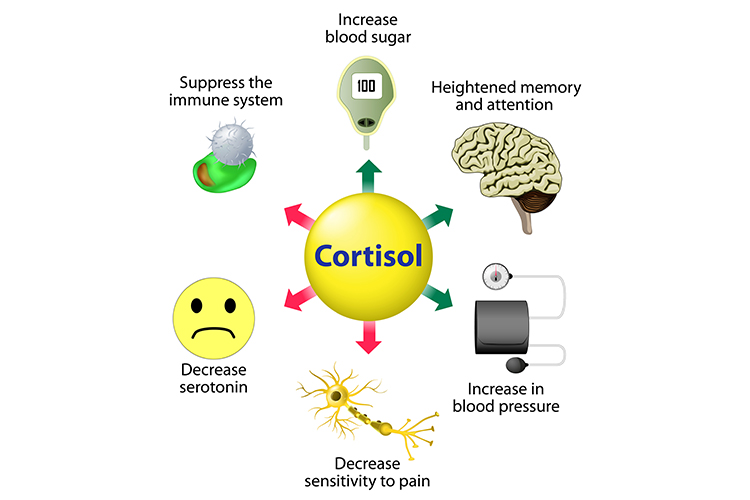
To achieve peak financial performance, one must treat their biology as part of their portfolio. Managing cortisol is not just about wellness; it is about protecting your decision-making faculty, which is your most valuable financial asset.
Automating Systems to Reduce Decision Fatigue
Every financial decision you make consumes cognitive energy and can potentially spike cortisol if the stakes are high. One of the most effective “money-tech” strategies is the automation of investments and savings. By using software to handle recurring transfers, bill payments, and portfolio rebalancing, you remove the emotional and hormonal friction from the process. Automation effectively “de-stresses” your money, ensuring that your long-term goals are met regardless of your current hormonal state.
The ROI of “Biological Capital”
Investing in self-care—such as sleep hygiene, physical activity, and mindfulness—should be viewed as a high-return investment. A well-regulated nervous system allows for better negotiation during salary discussions, clearer thinking during market crashes, and more creative problem-solving in business ventures. If a $500 wearable device or a $1,000 retreat helps you avoid a $10,000 panic-selling mistake or a $20,000 medical bill for stress-related illness, the ROI is undeniable.
Building an “Anti-Fragile” Financial Life
The concept of anti-fragility, popularized by Nassim Taleb, applies perfectly to cortisol management. By building an emergency fund that covers 6–12 months of expenses, you create a “biological buffer.” Knowing that you are financially secure in the short term prevents the cortisol spikes that occur when a sudden expense arises. This stability allows you to remain “cool-headed” when others are panicking, often allowing you to buy assets at a discount when the rest of the market is driven by fear-induced selling.
The Future of Bio-Finance: Real-Time Data and Wealth Management
We are entering an era where technology and finance are merging with biology. The next frontier of personal finance tools will likely incorporate bio-feedback to help users make better monetary choices.
Integrating Health Metrics with Financial Planning
Imagine a financial app that syncs with your smartwatch. If the app detects that your cortisol levels are elevated and your heart rate variability (HRV) is low, it might send a notification: “Your stress levels are high; today might not be the best day to make major trades.” This integration of health data into financial platforms represents the future of “Bio-Finance,” where AI tools act as a surrogate prefrontal cortex, protecting us from our own biological impulses.
The Rise of the “Calm Economy”
As the world becomes more aware of the detrimental effects of cortisol, we are seeing a shift in where capital is flowing. Investors are increasingly looking at companies that promote “Calm Tech”—software and gadgets designed to reduce notification fatigue and cognitive load. Furthermore, “wellness real estate” and businesses focused on stress reduction are becoming blue-chip opportunities. Savvy investors are realizing that in an over-stressed world, “calm” is the ultimate luxury good and a high-growth sector.

Conclusion: Mastering the Internal Market
Cortisol is a powerful tool when used correctly, but a devastating master when left unchecked. In the pursuit of wealth, the most successful individuals are those who recognize that their internal chemistry is just as important as the external market conditions. By understanding the “Cortisol Economy,” you can move beyond the reactive state of financial survival and into a proactive state of wealth creation.
Managing your stress hormone isn’t just a lifestyle choice; it is a sophisticated financial strategy. Whether you are a corporate executive, a freelance entrepreneur, or a retail investor, your ability to remain calm in a high-cortisol world is your ultimate competitive advantage. Protect your peace, and your portfolio will follow.
aViewFromTheCave is a participant in the Amazon Services LLC Associates Program, an affiliate advertising program designed to provide a means for sites to earn advertising fees by advertising and linking to Amazon.com. Amazon, the Amazon logo, AmazonSupply, and the AmazonSupply logo are trademarks of Amazon.com, Inc. or its affiliates. As an Amazon Associate we earn affiliate commissions from qualifying purchases.