
In the highly competitive world of real estate, carving out a distinctive brand and generating consistent leads is paramount to success. Among the myriad marketing strategies, circle prospecting stands out as a time-tested, highly effective method for real estate professionals looking to build hyper-local authority and a robust client base. It’s a direct, community-focused approach that, when executed correctly, not only generates immediate business but also lays the groundwork for enduring brand recognition and referral networks.
The Core Concept of Circle Prospecting
Circle prospecting is a proactive real estate marketing strategy where an agent targets homeowners in a specific geographic area immediately surrounding a recently sold or listed property. The premise is simple yet powerful: where there’s one real estate transaction, there are often more to follow. By engaging with neighbors, agents aim to identify potential future clients, generate referrals, and establish themselves as the go-to expert for that particular micro-market.

Defining the “Circle”
The “circle” in circle prospecting typically refers to a radius around a recent real estate event. This could be a property that just sold, an open house, a new listing, or even a price reduction. The radius might vary based on the density of homes, but it commonly encompasses 50 to 200 homes. The idea is that these neighbors share a common interest in local property values, market trends, and community dynamics. They are naturally curious about what’s happening on their street or in their immediate vicinity, making them receptive to information from a local real estate expert. The “event” itself acts as a conversation starter, making initial outreach less intrusive and more relevant.
The Underlying Psychology
At its heart, circle prospecting leverages fundamental human psychology. People are naturally interested in news that directly affects them and their immediate surroundings. A recent sale or new listing nearby piques curiosity about property values, market stability, and potential community changes. An agent who provides timely, relevant information about these events positions themselves as a valuable resource rather than just another salesperson. This strategic information delivery builds trust and credibility, two cornerstone elements of any strong personal brand in real estate. Furthermore, the tactic taps into the “fear of missing out” (FOMO) and the innate desire for financial security, prompting homeowners to consider their own property’s value and future. By being the first point of contact with this valuable insight, the agent establishes a memorable presence.
Why Circle Prospecting is a Potent Branding Strategy
For real estate professionals, consistent branding is not just about logos and taglines; it’s about reputation, trustworthiness, and market presence. Circle prospecting directly contributes to these elements, forging a powerful local brand identity.
Building Hyper-Local Authority
When an agent consistently engages with a specific neighborhood, providing market insights, sharing success stories, and offering genuine assistance, they begin to build hyper-local authority. Residents start to recognize their name and face, associating them with real estate expertise for that specific area. This local specialization is a powerful brand differentiator. Instead of being a generalist, the agent becomes the specialist for “Maple Street” or “the Parkside community,” fostering a deep level of trust that translates into preferred agent status when it comes to buying or selling within that locale. This targeted approach allows an agent to deeply understand the unique nuances of specific micro-markets, from school districts and local amenities to community events and prevailing property styles, further cementing their position as an indispensable local resource.
Generating Organic Referrals and Leads
One of the most valuable outcomes of successful circle prospecting is the generation of organic referrals. When neighbors have a positive interaction with an agent—receiving valuable market updates, a friendly greeting, or even just a memorable impression—they are far more likely to recommend that agent to friends, family, or colleagues considering a move in the area. This word-of-mouth marketing is incredibly powerful, as referrals come with an inherent level of trust already established. Every successful interaction or piece of delivered value contributes to a growing network of advocates for the agent’s brand, expanding their reach far beyond the initial “circle” and creating a sustainable pipeline of warm leads. Furthermore, active engagement often uncovers “hidden” opportunities—homeowners who hadn’t considered selling until presented with compelling market data or a trusted expert.
Enhancing Brand Visibility and Recall
Consistent, strategic outreach within a defined geographic area significantly boosts an agent’s brand visibility. Whether through door-knocking, targeted mailers, or digital ads, repeated exposure reinforces the agent’s name, image, and value proposition. This repetition builds brand recall, ensuring that when a homeowner in the “circle” (or someone they know) thinks about real estate, the agent’s brand is top of mind. This isn’t just about being seen; it’s about being seen as relevant, knowledgeable, and present in the community. Over time, this cumulative exposure creates a powerful top-of-funnel presence, where the agent becomes synonymous with real estate in that neighborhood, solidifying their long-term market position and brand equity.
Implementing a Successful Circle Prospecting Campaign
Effective circle prospecting is more than just knocking on doors; it’s a strategic, multi-faceted marketing campaign designed to cultivate relationships and establish brand presence.
Strategic Area Selection and Research
The success of circle prospecting begins with meticulous planning. The “event” property needs to be carefully chosen for its potential impact on the surrounding area. Researching the local demographics, average home values, and historical sales data within the chosen radius is crucial. Agents should identify if there’s a pattern of turnover, specific community features that might attract buyers, or areas with a high concentration of owner-occupied versus rental properties. Understanding the psychographics of the residents—their likely interests, concerns, and lifestyle—allows for more tailored and impactful communication. The goal is to select areas where the agent can genuinely add value and where there’s a higher propensity for future real estate activity.
Crafting Compelling Communication
The messaging in circle prospecting must be clear, concise, and value-driven. It’s not about a hard sell, but about offering information and building a relationship. Communication can take various forms:
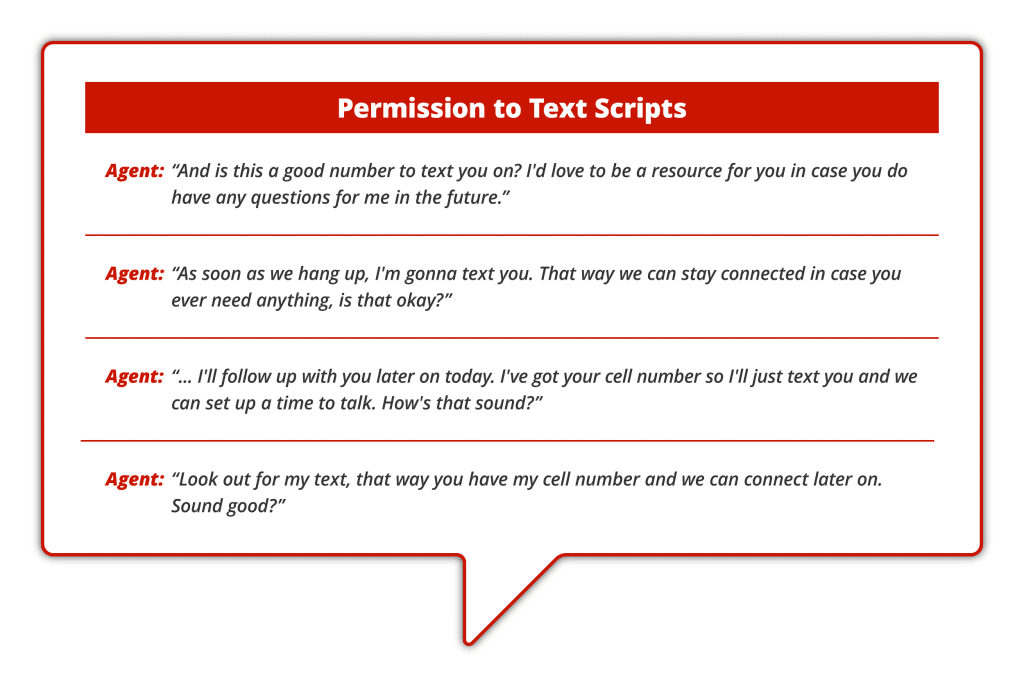
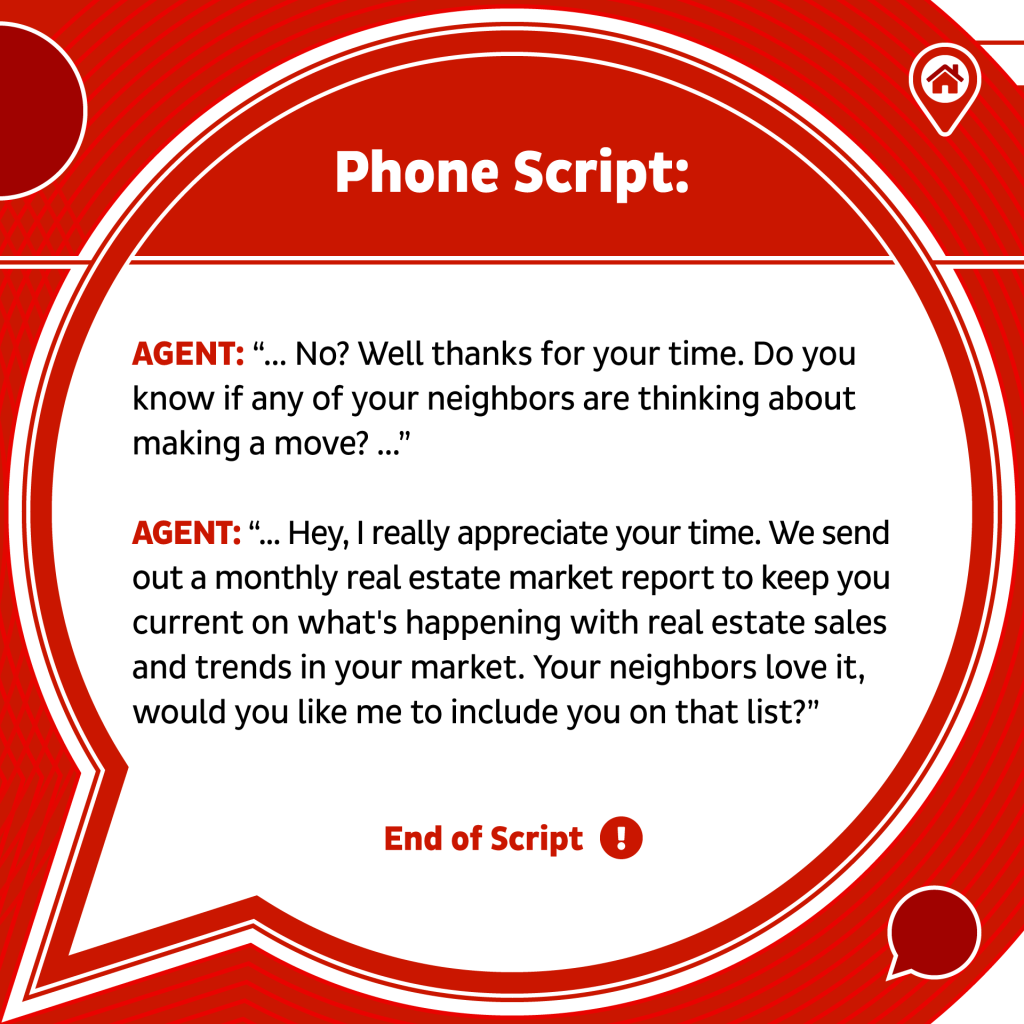
- Door-to-door visits: Direct conversations are incredibly powerful for establishing a personal connection. Agents should be prepared with specific market data, local insights, and a warm, approachable demeanor. The focus should be on listening more than talking.
- Targeted mailers: Professionally designed postcards or letters announcing a recent sale, a new listing, or offering a free home valuation can be highly effective. These should include eye-catching visuals, a clear call to action, and the agent’s branding (logo, headshot, contact information). The message should always offer value, not just promote a sale.
- Digital outreach: While primarily an in-person or mailer strategy, complementing with targeted social media ads (geo-fenced to the “circle”) or personalized emails (if contact information is available and compliant) can reinforce the brand message and provide additional touchpoints. This ensures a multi-channel approach, enhancing brand recall.
Regardless of the channel, the core message should be about providing valuable local market insights, positioning the agent as a helpful resource, and inviting further conversation without immediate pressure.
Consistent Outreach and Follow-Up
Consistency is the bedrock of successful branding and circle prospecting. A single interaction is rarely enough to build a lasting connection. Agents should plan for multiple touchpoints over time. This might involve an initial door-knock followed by a mailer a week later, then an invitation to a local community event, and perhaps a follow-up call. Maintaining a CRM (Customer Relationship Management) system is essential for tracking interactions, noting specific homeowner interests, and scheduling follow-ups. Personalization in follow-up communication demonstrates attentiveness and genuine care, further strengthening the agent’s brand as someone who listens and remembers. This long-term engagement strategy is what transforms fleeting interactions into enduring client relationships and a robust referral network.
Leveraging Technology (within brand context)
While circle prospecting is a high-touch strategy, technology plays a supportive role in enhancing its efficiency and impact on brand building.
- Mapping tools: Tools like Google Maps or specialized real estate mapping software help agents define their “circle” accurately, plan optimal routes for door-knocking, and visualize property data. This precision ensures comprehensive coverage and efficient use of time, presenting a more organized and professional image.
- CRM systems: A robust CRM is indispensable for tracking every interaction, noting personal details, and scheduling follow-ups. This ensures that every conversation is documented, allowing for highly personalized communication that reinforces the agent’s brand as attentive and reliable. It helps manage the relationship pipeline, ensuring no lead falls through the cracks and fostering loyalty.
- Data analytics: Access to local market data, recent sales, and property values (often available through MLS or third-party tools) allows agents to deliver precise, valuable insights to homeowners, reinforcing their expertise and credibility. Presenting these insights clearly and professionally enhances the agent’s brand as a knowledgeable authority.
Best Practices and Pitfalls to Avoid
To maximize brand impact and avoid common missteps, agents should adhere to specific best practices.
Authenticity Over Aggression
The most successful circle prospectors are genuine, empathetic, and helpful, not aggressive or pushy. Homeowners can quickly discern an authentic attempt to build rapport from a thinly veiled sales pitch. The goal is to establish trust and offer value, not to force an immediate transaction. An agent’s personal brand should radiate approachability and expertise, inviting conversation rather than demanding attention. Being respectful of people’s time and privacy is paramount; a friendly introduction and a relevant piece of information are far more effective than a high-pressure sales tactic.
Measuring and Adapting Your Approach
Like any marketing strategy, circle prospecting requires continuous evaluation. Agents should track key metrics such as the number of contacts made, conversations had, leads generated, and ultimately, closed deals attributed to the effort. This data allows for analysis of what messages resonate best, which areas are most receptive, and what time of day yields the best results. Adapting the approach based on feedback and performance data ensures the strategy remains efficient and effective, continuously refining the brand’s message and delivery. Regular self-assessment and strategic adjustments are vital for long-term success.
The Long-Game Perspective
Circle prospecting is not a get-rich-quick scheme. It’s a long-term branding and relationship-building strategy. While immediate leads can emerge, the true power lies in cultivating a consistent presence and building a reputation that yields referrals and repeat business over years. Agents who commit to the long game, consistently delivering value and maintaining relationships, will see their hyper-local brand flourish, becoming the undisputed real estate expert in their chosen “circle.” This sustained effort establishes an agent’s legacy and secures their position as a trusted community partner.
aViewFromTheCave is a participant in the Amazon Services LLC Associates Program, an affiliate advertising program designed to provide a means for sites to earn advertising fees by advertising and linking to Amazon.com. Amazon, the Amazon logo, AmazonSupply, and the AmazonSupply logo are trademarks of Amazon.com, Inc. or its affiliates. As an Amazon Associate we earn affiliate commissions from qualifying purchases.