
The humble cinnamon roll, a pastry so universally beloved that its mere mention conjures images of warm kitchens, comforting aromas, and sheer edible delight, warrants a closer examination. Beyond its delicious facade, understanding the genesis, evolution, and cultural impact of this iconic treat offers a fascinating glimpse into culinary history, baking techniques, and the enduring appeal of simple pleasures. This exploration delves into the essence of what constitutes a cinnamon roll, tracing its lineage, dissecting its fundamental components, and appreciating its widespread presence in contemporary food culture.
The Genesis of the Swirl: A Historical Perspective
The concept of sweet, spiced dough has roots that stretch back centuries, but the cinnamon roll as we know it today is a more recent, though no less significant, development. Tracing its origins requires looking at the evolution of both leavened breads and the incorporation of sweet fillings.
Early Precursors and the Influence of Spices
The use of cinnamon as a flavoring agent dates back to ancient Egypt, where it was employed for medicinal and aromatic purposes. The Romans, too, valued cinnamon, incorporating it into both sweet and savory dishes. As trade routes expanded, spices like cinnamon became more accessible across Europe, influencing baking traditions. Early forms of sweet breads, often enriched with butter and eggs, were common in various European cultures. These might have featured spices, but the distinctive rolled and swirled form of the cinnamon roll was yet to emerge.
The Rise of the Enriched Dough and Modern Form
The development of enriched doughs, which are softer, richer, and more tender due to the inclusion of ingredients like eggs, milk, and sugar, was a crucial step. This technique, refined over centuries, provided the perfect canvas for a sweet filling. The advent of baking powder and improved yeast cultures also played a role, allowing for lighter, airier textures that complement the dense, sweet swirl. While precise attribution is difficult, the modern cinnamon roll, characterized by its distinct spiral shape, emerged in the United States, likely gaining popularity in the late 19th and early 20th centuries. Scandinavian countries also have their own beloved versions, such as the kanelbulle, which share similar ingredients but often feature distinct dough preparations and toppings.
Defining the Cinnamon Roll: Key Components and Variations
At its core, a cinnamon roll is a sweet, yeasted dough that is rolled out, spread with a cinnamon-sugar mixture, and then coiled into a spiral before being baked and often topped with a glaze or frosting. However, the nuances within this basic definition allow for a remarkable diversity of interpretations.
The Foundation: Dough Varieties
The dough is the backbone of any great cinnamon roll. Traditionally, it’s a soft, slightly sweet, enriched yeast dough. The richness comes from butter and milk, which contribute to a tender crumb and a delicate flavor. Some recipes may incorporate eggs for added richness and a more cake-like texture. The leavening process, achieved through active dry or instant yeast, is critical for developing that characteristic airy yet slightly chewy interior. Variations in flour type, hydration levels, and kneading techniques can significantly alter the final texture, ranging from incredibly light and fluffy to dense and substantial.
The Heart of the Swirl: Filling and Spice
The filling is where the iconic flavor profile of the cinnamon roll truly comes to life. A blend of granulated sugar and ground cinnamon is the classic choice, providing a warm, sweet, and subtly spicy core. The ratio of cinnamon to sugar is a matter of personal preference, with some favoring a more intense cinnamon punch and others a sweeter, more balanced flavor. Butter, melted or softened, is typically spread over the dough before the cinnamon-sugar mixture is applied, acting as a binder and contributing to the moistness of the filling. Beyond the classic, modern interpretations might introduce variations such as the addition of brown sugar for a deeper caramel note, nuts like pecans or walnuts for crunch, or even chocolate chips for a decadent twist.
The Crown Jewel: Glaze and Frosting
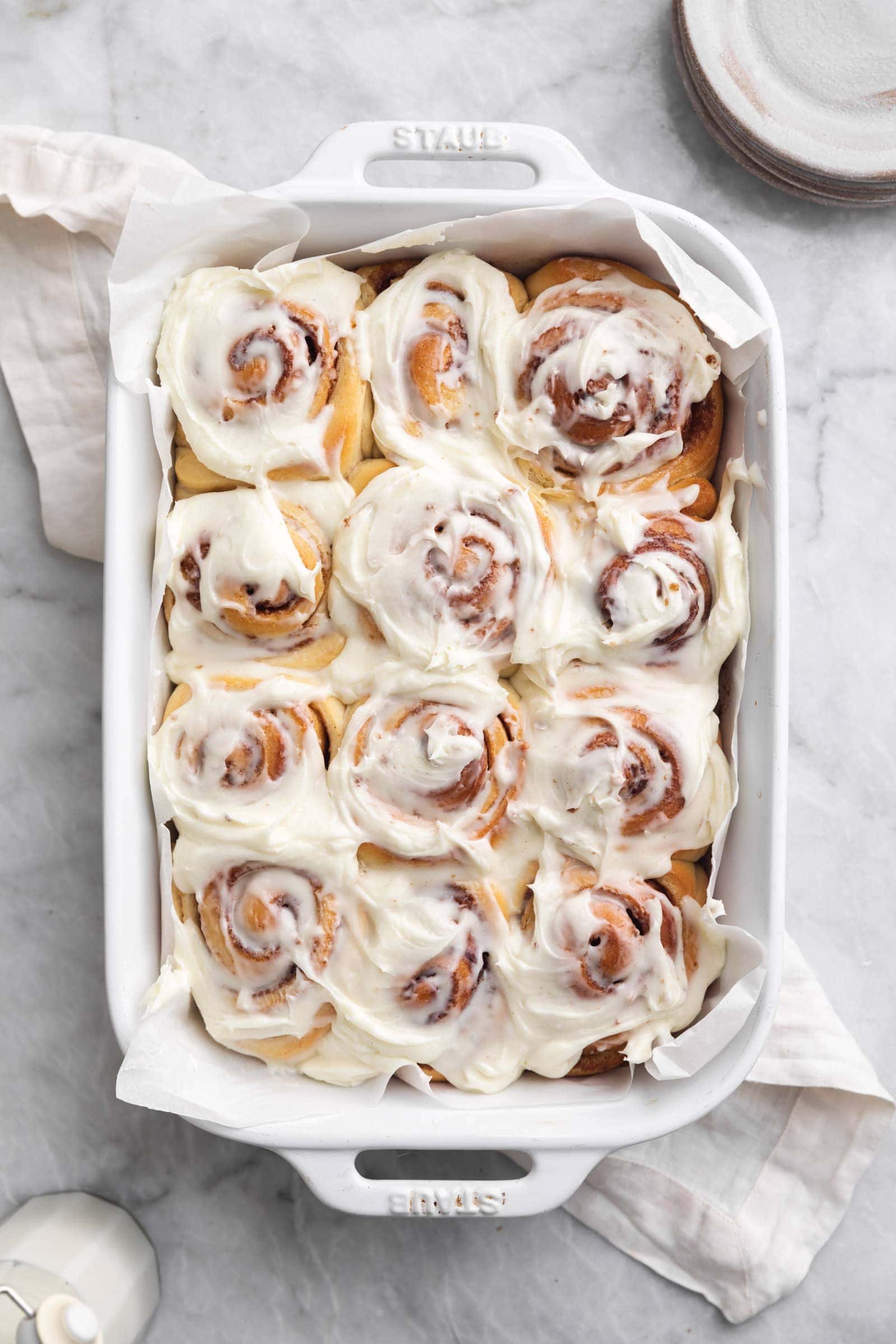
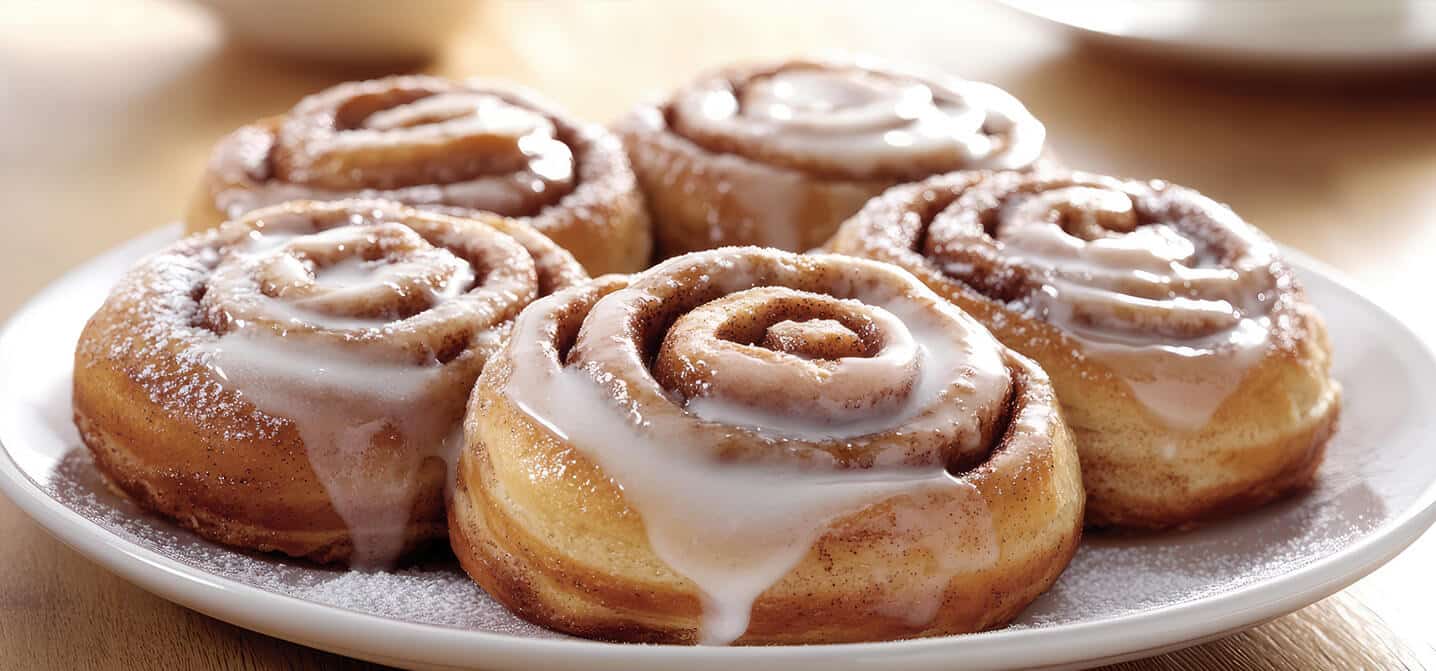
The final touch that elevates a cinnamon roll is its topping. Traditionally, a simple glaze made from powdered sugar and a liquid such as milk, water, or lemon juice is used. This provides a thin, sweet coating that complements the richness of the roll without overwhelming it. However, the more decadent and widely recognized frosting is a cream cheese-based concoction. This rich, tangy, and sweet topping, often spread generously while the rolls are still warm, has become synonymous with the ultimate cinnamon roll experience. Other variations can include simple buttercream frostings or even a drizzle of caramel sauce.

The Culinary Canvas: Baking Techniques and the Art of the Swirl
The creation of a perfect cinnamon roll is a process that requires attention to detail and an understanding of fundamental baking principles. From proofing the dough to achieving the ideal bake, each step contributes to the final delightful product.
Mastering the Dough: Kneading, Proofing, and Shaping
The journey begins with the dough. Properly mixed and kneaded dough is essential for developing gluten, which provides structure and chewiness. Over-kneading can lead to a tough roll, while under-kneading will result in a flat, dense pastry. Proofing, the process by which yeast ferments and the dough rises, is another critical stage. Warm temperatures and adequate time are necessary for the dough to double in size, indicating a healthy yeast activity. The shaping process itself is an art form. Rolling the dough to an even thickness, generously spreading the filling, and then tightly coiling the log ensures that each slice boasts a beautiful spiral and a generous distribution of flavor. The act of slicing these rolls evenly before their final proofing is also key to uniform baking.
The Bake: Temperature, Time, and Achieving Perfection
Baking cinnamon rolls requires a careful balance of temperature and time. Too hot, and the outside will burn before the inside is cooked through; too cool, and the rolls may not develop the desired golden-brown exterior and tender interior. Most recipes call for a moderate oven temperature, typically around 350-375°F (175-190°C). Baking time can vary depending on the size and density of the rolls, but generally ranges from 20 to 30 minutes. The rolls should be a deep golden brown and the center should feel cooked through, not doughy. Many bakers advocate for baking them close together in the pan, allowing them to support each other and create a soft, pillowy texture around the edges, while the center rolls might bake slightly firmer.
The Post-Bake Ritual: Glazing and Serving
The moment the cinnamon rolls emerge from the oven is often met with anticipation. While still warm, the glaze or frosting is applied. This is crucial for several reasons. The residual heat of the rolls helps the frosting to melt slightly and spread evenly, creating a beautiful sheen. For cream cheese frosting, applying it while warm allows it to become luxuriously creamy and soak slightly into the top of the rolls. The aroma that fills the air at this stage is intoxicating, a testament to the power of simple ingredients combined with skillful baking. Serving them warm is generally preferred, as the textures and flavors are at their peak.
The Global Phenomenon: Cinnamon Rolls in Culture and Commerce
From cozy cafes to bustling bakeries, the cinnamon roll has firmly established itself as a beloved staple in the global culinary landscape. Its appeal transcends age and origin, making it a symbol of comfort and indulgence.
A Staple of Breakfast and Brunch
In many parts of the world, particularly North America, the cinnamon roll is a quintessential breakfast or brunch item. It’s the perfect accompaniment to a hot cup of coffee, offering a sweet start to the day. Many diners and bakeries feature their own signature versions, often boasting generous portions and decadent toppings. The visual appeal of a perfectly iced, warm cinnamon roll makes it an irresistible choice for those seeking a treat.
The Rise of Artisanal and Gourmet Interpretations
In recent years, the cinnamon roll has experienced a renaissance, moving beyond its diner-style roots to embrace artisanal and gourmet interpretations. Chefs and bakers are experimenting with new flavor combinations, premium ingredients, and innovative techniques. This has led to the emergence of “gourmet” cinnamon rolls featuring ingredients like cardamom, sea salt caramel, pistachio, or even savory elements. These elevated versions cater to a more discerning palate and have contributed to the pastry’s continued popularity and evolution.
The Sweetness of Shared Experience and Nostalgia
Beyond its taste and texture, the cinnamon roll carries a significant emotional weight for many. It’s a flavor associated with childhood memories, family gatherings, and moments of comfort. The act of sharing a cinnamon roll, or the aroma of one baking, can evoke feelings of nostalgia and warmth. This emotional connection is a powerful driver of its enduring appeal, making it more than just a pastry, but a vessel for cherished memories and sweet experiences. The very act of preparing and enjoying a cinnamon roll can be a communal activity, fostering a sense of connection and shared delight.
aViewFromTheCave is a participant in the Amazon Services LLC Associates Program, an affiliate advertising program designed to provide a means for sites to earn advertising fees by advertising and linking to Amazon.com. Amazon, the Amazon logo, AmazonSupply, and the AmazonSupply logo are trademarks of Amazon.com, Inc. or its affiliates. As an Amazon Associate we earn affiliate commissions from qualifying purchases.