
In the world of corporate branding, few names evoke as much nostalgia and curiosity as Chuck E. Cheese. To the average child, he is the bringer of pizza and arcade tickets. To the internet at large, he is the subject of memes and urban legends. However, for brand strategists and marketing professionals, he represents a fascinating case study in character development and corporate identity.
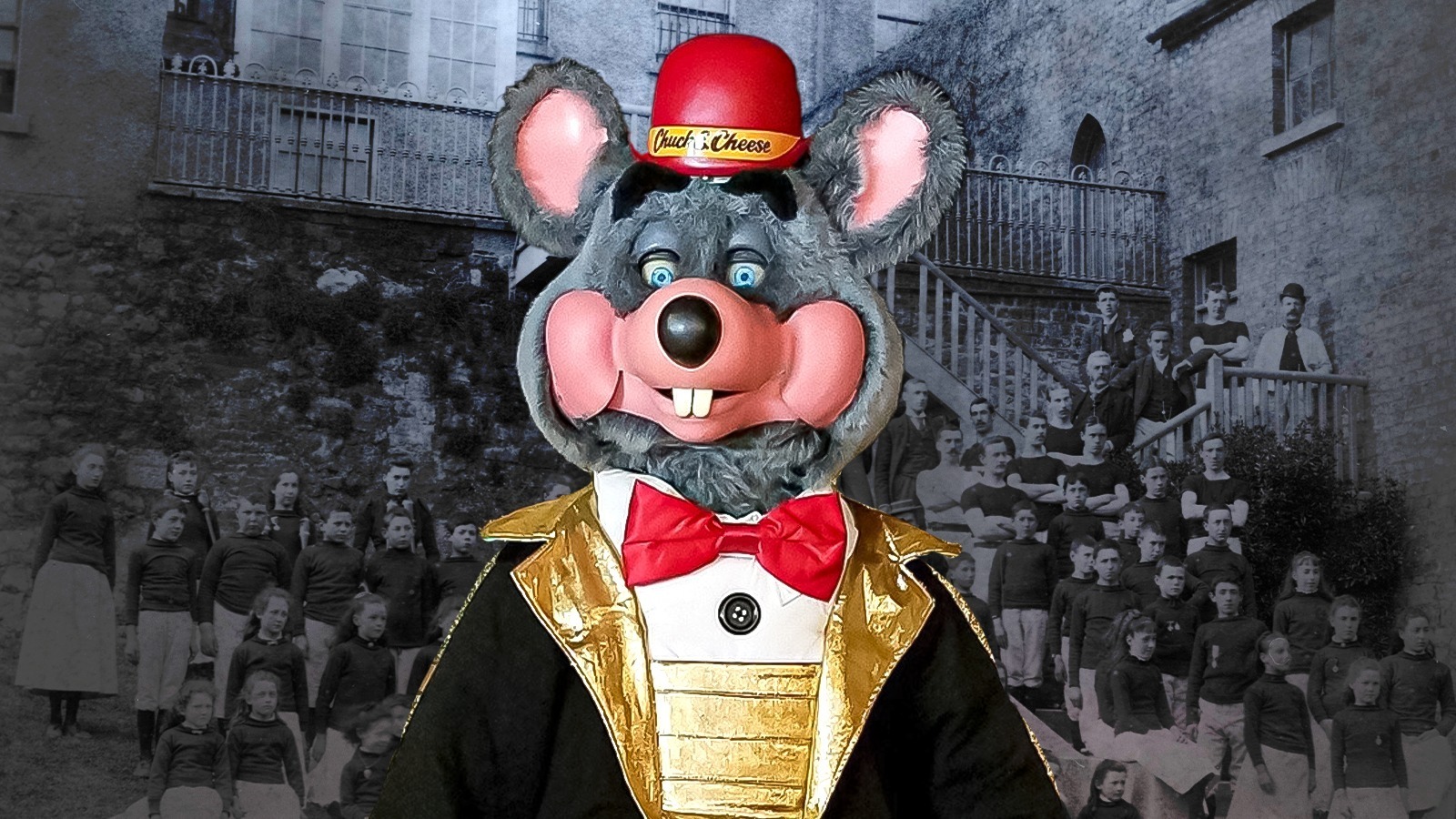
The question “What is Chuck E. Cheese’s real name?” often trends on social media because the answer is unexpectedly formal and oddly corporate: Charles Entertainment Cheese. While it sounds like a punchline, this name is a deliberate piece of a multi-decade brand strategy that has allowed a family entertainment center to survive bankruptcy, changing cultural tastes, and the digital revolution.
The Genesis of an Icon: Engineering a Brand from Scratch
The story of Charles Entertainment Cheese begins not in a marketing boardroom, but in the mind of a tech visionary. Nolan Bushnell, the co-founder of Atari, founded Pizza Time Theatre (the precursor to Chuck E. Cheese) in 1977. His goal was not just to sell pizza, but to create an “eatertainment” venue that maximized the lifespan of his arcade games.
From “Rick Rat” to “Chuck E.”
In the early development stages, the mascot was intended to be a rat named “Rick Rat.” However, the marketing team quickly realized that associating a dining establishment with a rat was a branding nightmare. To pivot, they rebranded the character as a mouse and sought a name that felt more wholesome and playful. The transition from a potential public relations disaster to the creation of “Chuck E. Cheese” is one of the earliest examples of successful brand crisis management before a product even launched.
The Power of the Middle Name
The revelation of his middle name, “Entertainment,” was a stroke of literalist branding. By embedding the brand’s core value proposition—entertainment—directly into the mascot’s legal identity, the company ensured that the character and the service were inseparable. In brand architecture, this is known as “associative naming,” where the identity of the spokesperson reinforces the primary function of the business.
Character-Driven Marketing: Why Brand Lore Matters
In the modern era, a logo is rarely enough to sustain a multi-generational brand. Consumers, particularly younger ones, crave narrative. The “real name” of Chuck E. Cheese is part of a broader tapestry of brand lore that humanizes the corporate entity.
Building a Backstory
To strengthen the emotional connection with its audience, the company developed a comprehensive backstory for Charles Entertainment Cheese. According to the brand’s official lore, he was an orphan who didn’t know his own birthday, which is why he loves celebrating other people’s birthdays. This narrative serves a strategic purpose: it positions the brand as empathetic, celebratory, and family-oriented.
The Psychology of Naming in Branding
The name “Charles Entertainment Cheese” strikes a balance between formal authority and whimsical absurdity. Use of a full name gives the character a sense of “personhood.” In branding, anthropomorphism—attributing human traits to non-human entities—is a powerful tool for building loyalty. When a customer feels they “know” a character, they develop a psychological tie to the brand that is much harder for competitors to break.
Differentiation in the “Eatertainment” Sector
In a crowded market filled with competitors like Dave & Buster’s or regional fun centers, Chuck E. Cheese uses its mascot’s identity to stake a claim on the “family” demographic. While other brands focus on high-tech games or gourmet menus, the Chuck E. Cheese brand strategy remains rooted in the character’s persona, ensuring that the brand is perceived as safe, fun, and accessible for young children.
Rebranding the Mouse: From Gritty Pizzeria Mascot to Modern Rockstar
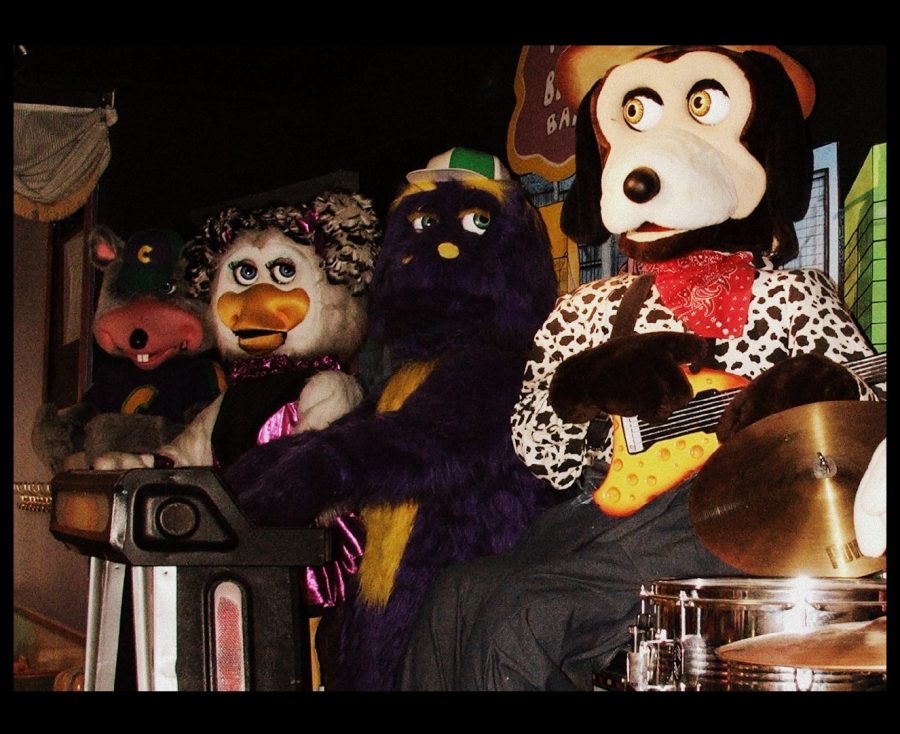
A brand that stands still is a brand that dies. Over the past four decades, Charles Entertainment Cheese has undergone several significant visual and conceptual rebrands to stay relevant with shifting consumer aesthetics.
The Evolution of the Design
In the late 1970s and 80s, Chuck E. Cheese was depicted as a somewhat gritty, tuxedo-wearing rat who carried a cigar (a vestige of the vaudeville-inspired dinner theater concept). As the brand strategy shifted toward a younger, more wholesome demographic, the cigar was removed, and the character was softened into a friendly mouse.
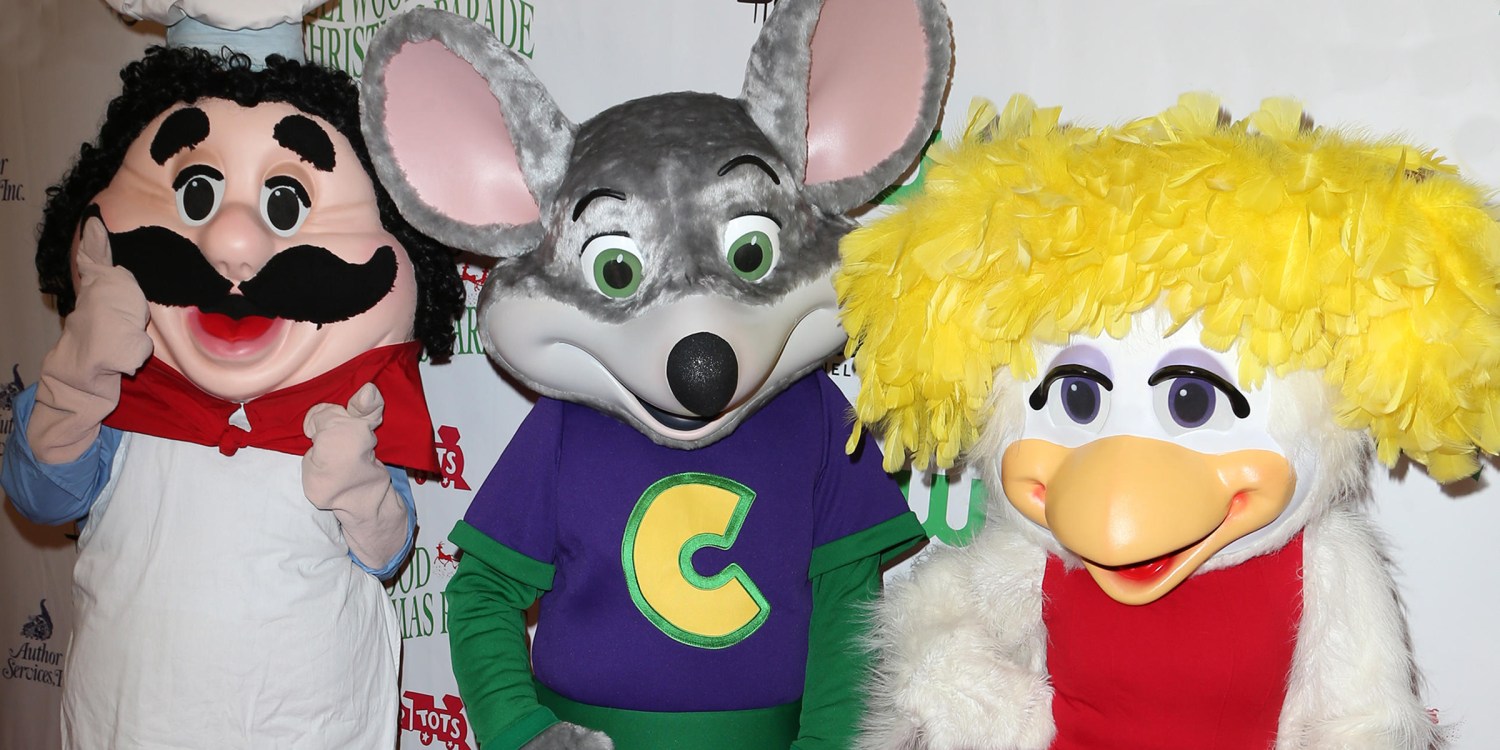
In 2012, the brand underwent its most radical transformation. The “Rockstar” Chuck E. Cheese was introduced—a slimmer, guitar-playing mouse designed to appeal to the “Wii generation.” This shift was accompanied by a change in voice acting and a digital-first marketing approach. The goal was to modernize the identity without losing the core “Charles Entertainment Cheese” heritage.
Visual Identity and Corporate Consistency
Consistency is the bedrock of brand strategy. Despite the visual changes, the name has remained a constant. This provides a “brand anchor”—a point of stability that allows for innovation in other areas (like menu changes or tech upgrades) without alienating the legacy audience who grew up with the character.
Navigating the Digital Landscape
In the age of social media, the brand’s identity has taken on a life of its own. The company has leaned into the “Charles Entertainment Cheese” persona on platforms like Twitter (X) and TikTok, engaging in self-referential humor. By acknowledging the absurdity of a mouse with a middle name like “Entertainment,” the brand displays “brand authenticity,” a trait highly valued by Millennial and Gen Z parents.
The Financial Impact of a Strong Mascot Brand
While the name might seem like a fun trivia fact, it has real-world implications for the company’s bottom line. A well-defined brand identity like that of Charles Entertainment Cheese creates “brand equity,” an intangible asset that adds value to the company beyond its physical locations and equipment.
Intellectual Property and Licensing
Because Charles Entertainment Cheese is a fully realized character with a unique name and backstory, he is a valuable piece of intellectual property (IP). This allows the parent company, CEC Entertainment, to expand beyond physical locations into merchandising, media, and digital content. The name itself becomes a trademark that prevents competitors from mimicking the “vibe” of the experience.
Resilience Through Economic Cycles
Strong brands are more resilient during economic downturns. During the COVID-19 pandemic, when indoor entertainment centers were hit hardest, the Chuck E. Cheese brand survived in part because of its strong recognition. The company even launched a delivery-only brand called “Pasqually’s Pizza & Wings” (named after another character in the Chuck E. Cheese universe). This move demonstrated how a deep bench of branded characters can be leveraged for strategic business pivots.
The Role of Nostalgia in Marketing
Nostalgia marketing is a multi-billion dollar industry. By maintaining the “Charles Entertainment Cheese” identity for over 40 years, the brand has created a cycle of “generational loyalty.” Parents who visited the centers in the 1980s are now bringing their children, driven by a desire to share a piece of their own childhood. This emotional bridge is built entirely on the back of the mascot’s identity.
Lessons for Modern Brands: Building Longevity Through Narrative
The story of Charles Entertainment Cheese offers several vital lessons for modern businesses looking to establish a lasting brand identity.
- Own Your Narrative: Don’t just be a service provider; be a storyteller. By giving their mascot a name, a middle name, and a history, Chuck E. Cheese moved from being a “pizza place” to a “destination.”
- Adapt Without Losing Your Soul: The brand evolved from a tuxedo-wearing rat to a rockstar mouse, but the core identity remained intact. Successful rebranding is about evolution, not abandonment.
- Lean Into Your Quirkiness: The fact that people find the name “Charles Entertainment Cheese” funny is a branding win. It creates conversation, generates organic social media reach, and makes the brand memorable in a sea of generic corporate names.
- Integrated Branding: Every touchpoint of the business—from the sign on the door to the tickets coming out of the machine—should reinforce the brand identity. The name “Entertainment” isn’t just a middle name; it’s a mission statement.
In conclusion, “What is Chuck E. Cheese’s real name?” is more than just a trivia question. It is the key to understanding one of the most resilient brand identities in American history. Charles Entertainment Cheese stands as a testament to the power of character-driven marketing and the enduring value of a well-crafted corporate persona. Whether he is a rat, a mouse, or a rockstar, he remains a masterclass in how a brand can capture the imagination of a culture and turn a simple pizza outing into a lifelong memory.
aViewFromTheCave is a participant in the Amazon Services LLC Associates Program, an affiliate advertising program designed to provide a means for sites to earn advertising fees by advertising and linking to Amazon.com. Amazon, the Amazon logo, AmazonSupply, and the AmazonSupply logo are trademarks of Amazon.com, Inc. or its affiliates. As an Amazon Associate we earn affiliate commissions from qualifying purchases.