
The term “chronic depression” often conjures images of an ever-present shadow, a persistent low mood that seems to linger indefinitely. Unlike fleeting sadness, which is a normal human response to life’s challenges, chronic depression signifies a more enduring and often debilitating condition. This article will delve into the multifaceted nature of chronic depression, exploring its definitions, manifestations, and the significant impact it can have on an individual’s life. We’ll also touch upon how the digital age, with its interconnectedness and technological advancements, presents both unique challenges and potential avenues for understanding and managing this complex mental health issue.
Understanding the Nuances: Defining Chronic Depression
Chronic depression, often clinically referred to as Persistent Depressive Disorder (PDD) or Dysthymia, is a long-term mood disorder characterized by a consistently low or depressed mood. The key differentiator from major depressive episodes is the duration and severity. While major depressive episodes are typically characterized by intense symptoms over a period of at least two weeks, PDD involves a less severe but more persistent state of depression that lasts for at least two years in adults, and one year in children and adolescents.
Persistent Depressive Disorder (PDD): A Deeper Dive
Persistent Depressive Disorder is not a single entity but rather a spectrum. It encompasses two main forms:
-
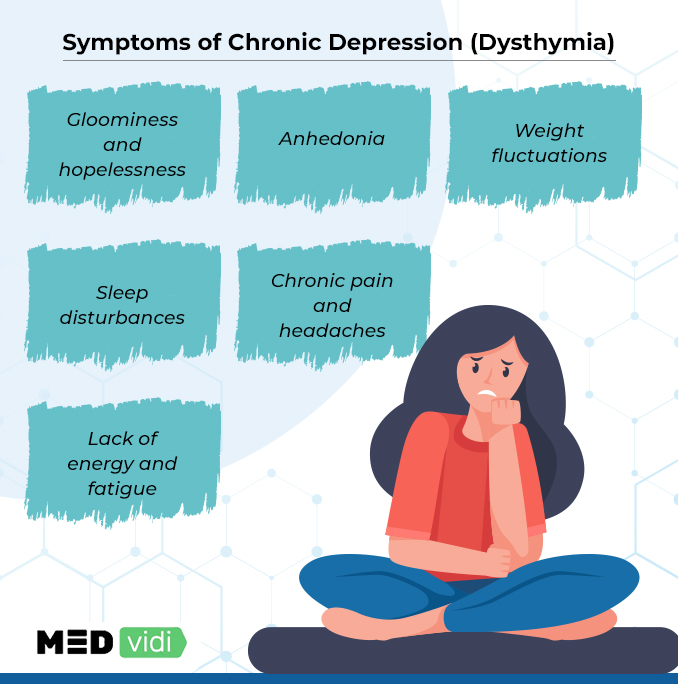
Dysthymia: This is the more common presentation of PDD, where individuals experience a generally low mood for most of the day, nearly every day, for at least two years. While the symptoms might not be as acute or debilitating as those in a major depressive episode, they are persistent and can significantly impair daily functioning. Individuals with dysthymia may describe themselves as feeling “down,” “gloomy,” or “unhappy” for extended periods. They might also experience a loss of interest in activities they once enjoyed, changes in appetite or sleep patterns, low energy, feelings of worthlessness or hopelessness, and difficulty concentrating. The insidious nature of dysthymia means that individuals may even normalize these feelings, considering them a part of their personality rather than a treatable condition.
-
Chronic Major Depression: In some cases, individuals may experience recurrent major depressive episodes that continue for at least two years without a significant period of remission. This means they have experienced distinct periods of severe depression, but these episodes are so frequent or prolonged that the overall experience is considered chronic.
It’s crucial to differentiate chronic depression from normal sadness. Sadness is a temporary emotional response to a specific event, such as loss, disappointment, or stress. It typically resolves on its own as the individual processes the event. Chronic depression, on the other hand, is a pervasive mood disorder that lacks a clear external trigger or persists long after a trigger has passed. It significantly impacts an individual’s ability to experience joy, engage in social activities, and function effectively in their personal and professional lives.
The Multifaceted Manifestations of Chronic Depression
The impact of chronic depression extends far beyond a simple feeling of sadness. Its symptoms can manifest in a variety of ways, affecting an individual’s emotional, cognitive, behavioral, and even physical well-being. Understanding these manifestations is key to recognizing the condition and seeking appropriate support.
Emotional and Cognitive Symptoms
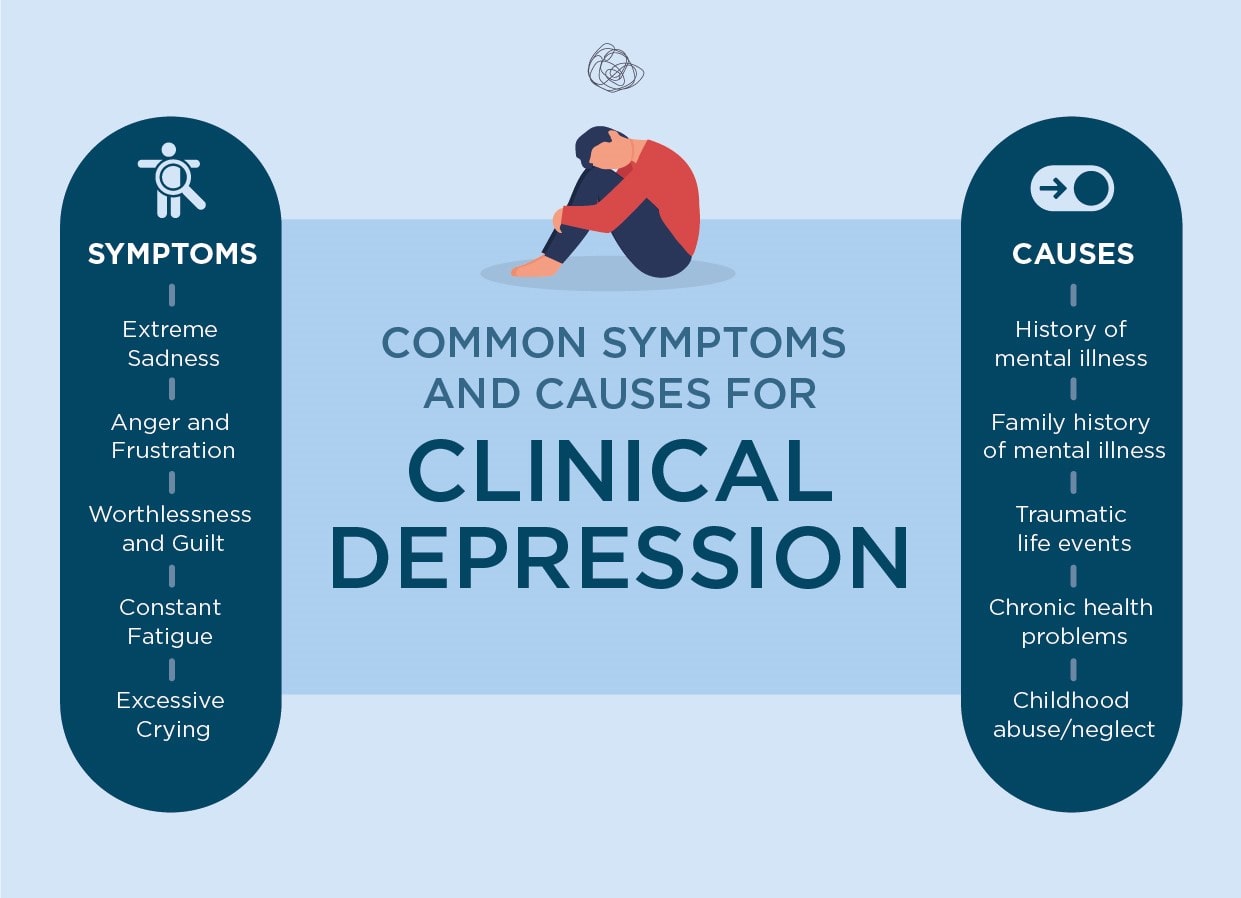
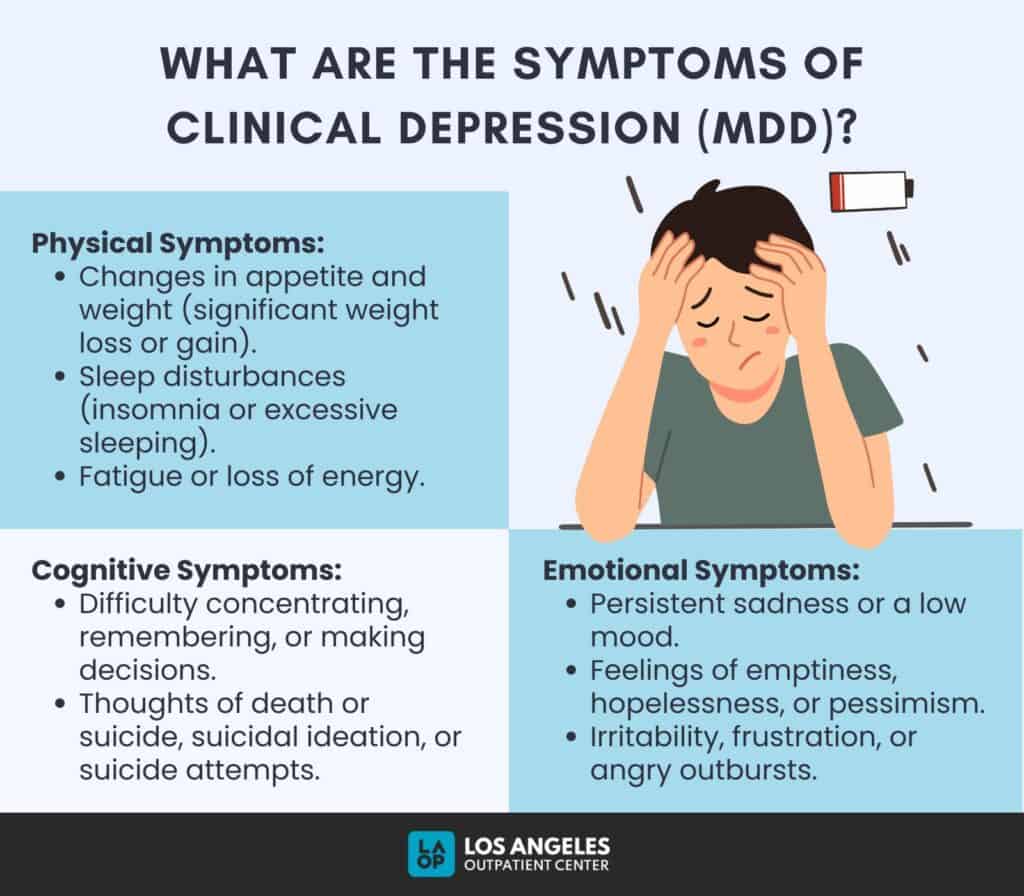
At its core, chronic depression involves persistent feelings of sadness, emptiness, or hopelessness. However, it can also present with:
- Anhedonia: A reduced ability to experience pleasure from activities that were once enjoyable. This can lead to a general sense of apathy and disinterest in life.
- Low Self-Esteem and Self-Criticism: Individuals may develop a deeply ingrained sense of worthlessness, constantly berating themselves and feeling inadequate.
- Irritability and Restlessness: While often associated with sadness, chronic depression can also manifest as heightened irritability, impatience, and a sense of being on edge.
- Difficulty Concentrating and Making Decisions: The persistent low mood can impair cognitive functions, making it challenging to focus, remember details, or make even simple decisions.
- Feelings of Guilt: Individuals may experience excessive or inappropriate guilt over past actions or perceived failings.
Behavioral and Physical Symptoms
The emotional and cognitive toll of chronic depression often translates into observable behavioral and physical changes:
- Changes in Sleep Patterns: This can include insomnia (difficulty sleeping) or hypersomnia (excessive sleeping), disrupting the body’s natural rhythm and further exacerbating fatigue.
- Changes in Appetite and Weight: Individuals may experience a significant loss of appetite leading to weight loss, or an increase in appetite leading to weight gain.
- Fatigue and Low Energy: A pervasive lack of energy is a hallmark symptom, making even simple tasks feel overwhelming and contributing to social withdrawal.
- Social Withdrawal and Isolation: The emotional burden and lack of energy can lead individuals to avoid social interactions, further deepening feelings of loneliness and isolation.
- Increased Sensitivity to Stress: Individuals with chronic depression may find themselves less resilient to everyday stressors, experiencing them as more overwhelming than usual.
- Physical Complaints: Chronic depression can sometimes manifest in unexplained physical symptoms such as headaches, digestive problems, or chronic pain.
The Interplay with Technology and Brand Identity
In today’s hyper-connected world, the intersection of chronic depression with technology and brand identity presents a complex landscape. While technology offers potential avenues for support, it can also amplify feelings of inadequacy or isolation.
- Social Media’s Double-Edged Sword: Social media platforms, while offering connection, can also be breeding grounds for social comparison. Curated online personas often showcase idealized lives, leading individuals with chronic depression to feel even more inadequate about their own struggles. The constant bombardment of seemingly perfect lives can exacerbate feelings of loneliness and low self-worth.
- The Pressure of Personal Branding: In an era where personal branding is increasingly important for career advancement and online presence, individuals grappling with chronic depression may feel immense pressure to project an image of success and positivity. This disconnect between their internal experience and their outward persona can be exhausting and contribute to a sense of inauthenticity. The fear of “not being enough” can be amplified when personal success is so closely tied to public perception.
- Navigating Online Information: While the internet offers access to vast amounts of information about mental health, it can also be overwhelming and lead to self-diagnosis or the consumption of unverified or misleading content. It’s crucial to approach online resources with discernment and prioritize information from reputable sources.
Strategies for Management and Hope
While chronic depression is a serious condition, it is treatable. A multi-faceted approach that combines professional help, self-care strategies, and leveraging technological resources can significantly improve quality of life.
Professional Support and Therapeutic Interventions
Seeking professional help is the cornerstone of managing chronic depression. Mental health professionals can provide accurate diagnosis and tailor treatment plans to individual needs.
-
Psychotherapy: Various forms of psychotherapy have proven effective.
- Cognitive Behavioral Therapy (CBT): CBT helps individuals identify and challenge negative thought patterns and develop more adaptive coping mechanisms. It can be particularly useful for addressing the distorted thinking often associated with chronic depression.
- Interpersonal Therapy (IPT): IPT focuses on improving relationships and social functioning, addressing interpersonal issues that may contribute to or be exacerbated by depression.
- Dialectical Behavior Therapy (DBT): DBT, with its emphasis on mindfulness, distress tolerance, emotion regulation, and interpersonal effectiveness, can be highly beneficial for individuals struggling with intense emotions and difficulty managing their impact.
-
Medication: Antidepressant medications, prescribed by a psychiatrist or medical doctor, can help regulate brain chemistry and alleviate depressive symptoms. It’s important to note that medication is often most effective when used in conjunction with psychotherapy. Finding the right medication and dosage can take time and require patience.
Leveraging Technology for Well-being
The digital realm, while presenting challenges, also offers valuable tools for individuals managing chronic depression.
-
Mental Health Apps: A plethora of apps are available to support mental well-being. These can include:
- Mood Trackers: Apps that allow users to log their moods, identify patterns, and track the effectiveness of interventions.
- Meditation and Mindfulness Apps: Guided meditations and mindfulness exercises can help reduce stress, improve focus, and promote emotional regulation. Examples include Calm, Headspace, and Insight Timer.
- Journaling Apps: Digital journaling provides a private space to process thoughts and emotions.
- Therapy Platforms: Teletherapy services connect individuals with licensed therapists remotely, offering convenient and accessible mental health support. Platforms like BetterHelp and Talkspace are examples.
-
Online Support Communities: Connecting with others who understand the experience of chronic depression can be incredibly validating and reduce feelings of isolation. Online forums and support groups, when moderated and reputable, can offer a sense of community and shared wisdom.
-
Educational Resources: Websites and online platforms offer a wealth of information about depression, its symptoms, and management strategies. Access to reliable information can empower individuals to understand their condition and advocate for their needs.
Practical Self-Care Strategies
Beyond professional interventions and technological aids, incorporating practical self-care strategies into daily life is crucial for managing chronic depression.
- Establishing a Routine: Consistency in sleep, meals, and daily activities can provide a sense of structure and stability, which is often disrupted by depression.
- Regular Physical Activity: Exercise has been shown to have significant mood-boosting effects. Even moderate activity, like a daily walk, can make a difference.
- Mindful Eating and Hydration: Nourishing the body with healthy foods and staying hydrated supports overall physical and mental health.
- Prioritizing Sleep: Aiming for 7-9 hours of quality sleep per night is essential for mood regulation and energy levels.
- Engaging in Enjoyable Activities (Even When Difficult): While anhedonia is a symptom, actively trying to engage in activities that once brought joy, even if the pleasure is diminished, can be a crucial part of recovery. This might involve listening to music, spending time in nature, or engaging in a creative hobby.
- Setting Realistic Goals: Breaking down larger tasks into smaller, more manageable steps can prevent overwhelm and foster a sense of accomplishment.
- Practicing Self-Compassion: Being kind and understanding towards oneself, especially during difficult times, is vital. Recognizing that chronic depression is an illness, not a personal failing, is a crucial step.
In Conclusion:
Chronic depression is a persistent and often challenging mental health condition that impacts multiple facets of an individual’s life. Understanding its definition, recognizing its diverse manifestations, and embracing a comprehensive approach to management are paramount. While the digital age presents unique complexities, it also offers powerful tools for education, connection, and support. By combining professional guidance with diligent self-care and the strategic use of technology, individuals living with chronic depression can navigate their journey towards greater well-being and reclaim their lives from the persistent shadow of low mood. The path to recovery is often long and winding, but with the right strategies and support, hope and healing are within reach.
aViewFromTheCave is a participant in the Amazon Services LLC Associates Program, an affiliate advertising program designed to provide a means for sites to earn advertising fees by advertising and linking to Amazon.com. Amazon, the Amazon logo, AmazonSupply, and the AmazonSupply logo are trademarks of Amazon.com, Inc. or its affiliates. As an Amazon Associate we earn affiliate commissions from qualifying purchases.