
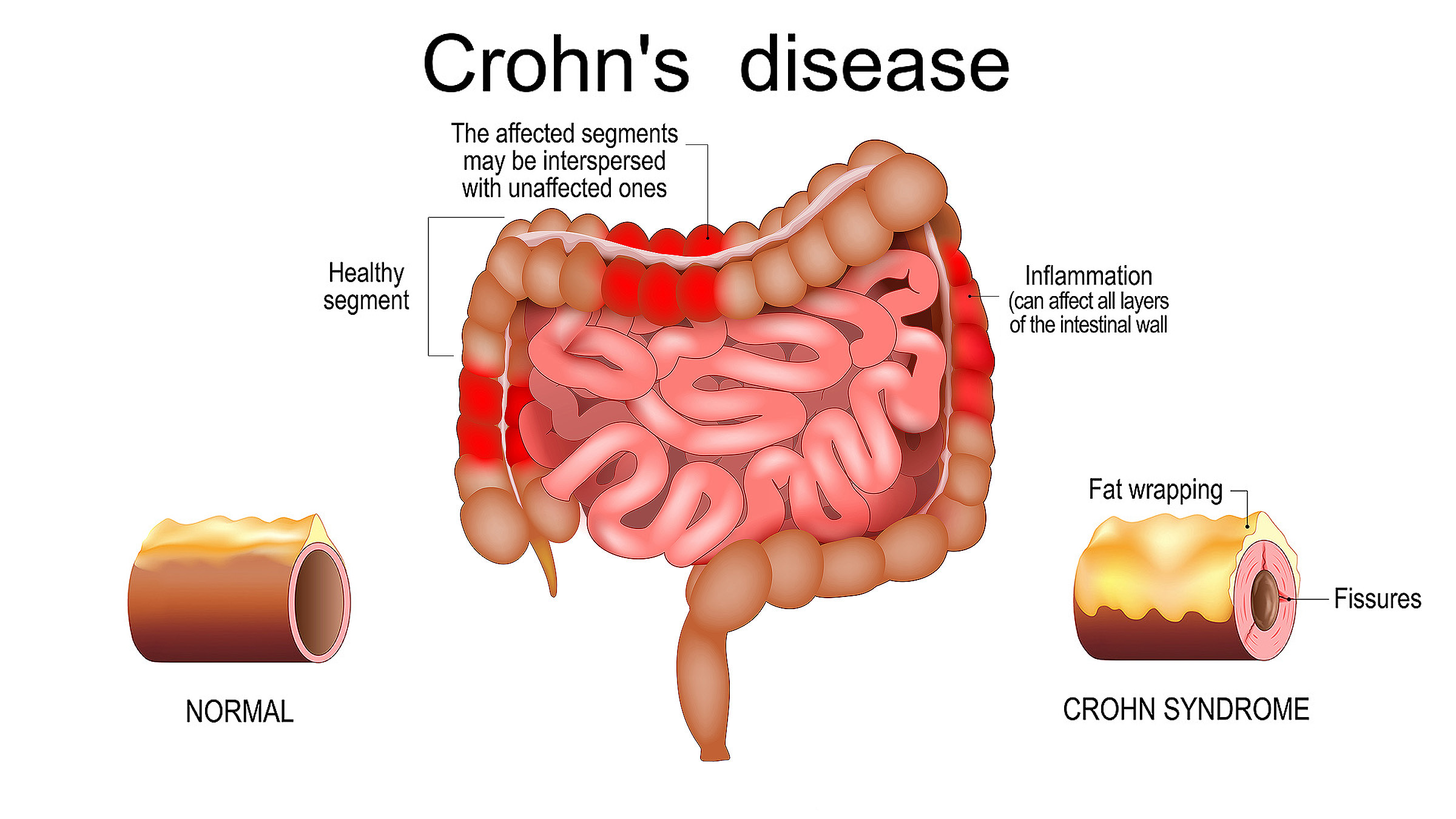
Crohn’s disease is a chronic inflammatory bowel disease (IBD) that causes inflammation of the digestive tract. It can affect any part of the gastrointestinal (GI) tract, from the mouth to the anus, though it most commonly settles in the end of the small intestine, known as the ileum, and the beginning of the colon. Understanding the nuances of this condition is the first step toward effective management and maintaining a high quality of life.
The complexity of Crohn’s lies in its unpredictable nature. It is characterized by periods of “flares”—where symptoms are active and intense—followed by periods of “remission,” where the patient may experience few or no symptoms. Because there is currently no cure, the primary goal of medical intervention is to reduce inflammation, alleviate symptoms, and prevent long-term complications.
The Pathophysiology and Causes of Crohn’s Disease
To understand Crohn’s, one must look at how the immune system interacts with the digestive tract. While the exact cause remains a subject of intense scientific research, medical experts have identified several contributing factors that create a “perfect storm” for the disease to develop.
The Immune System Misalignment
In a healthy individual, the immune system protects the body from harmful invaders like bacteria and viruses. In patients with Crohn’s disease, however, the immune system mistakenly attacks healthy cells within the digestive tract. This abnormal response leads to chronic inflammation. Research suggests that this is often a reaction to a trigger—perhaps a virus or bacterium—but once the immune response is activated, the body fails to “turn off” the inflammation, leading to the thickening of the intestinal walls and damage to the mucosal lining.
Genetic and Environmental Triggers
Genetics play a significant role. If an immediate family member has Crohn’s disease, the risk of developing it increases significantly. However, genetics alone do not explain the rise in cases globally. Environmental factors, such as diet, stress, and exposure to pollutants, are believed to act as catalysts. Specifically, smoking is a well-documented risk factor that can exacerbate the severity of the disease and increase the frequency of flares.
Recognizing the Symptoms and Early Warning Signs
Crohn’s disease presents differently in every patient. Because the inflammation can occur anywhere in the GI tract, the symptoms are wide-ranging. Recognizing these signs early is crucial for preventing tissue damage and scarring.
Common Gastrointestinal Symptoms
The most hallmark signs of Crohn’s are persistent and often debilitating. Patients frequently report:
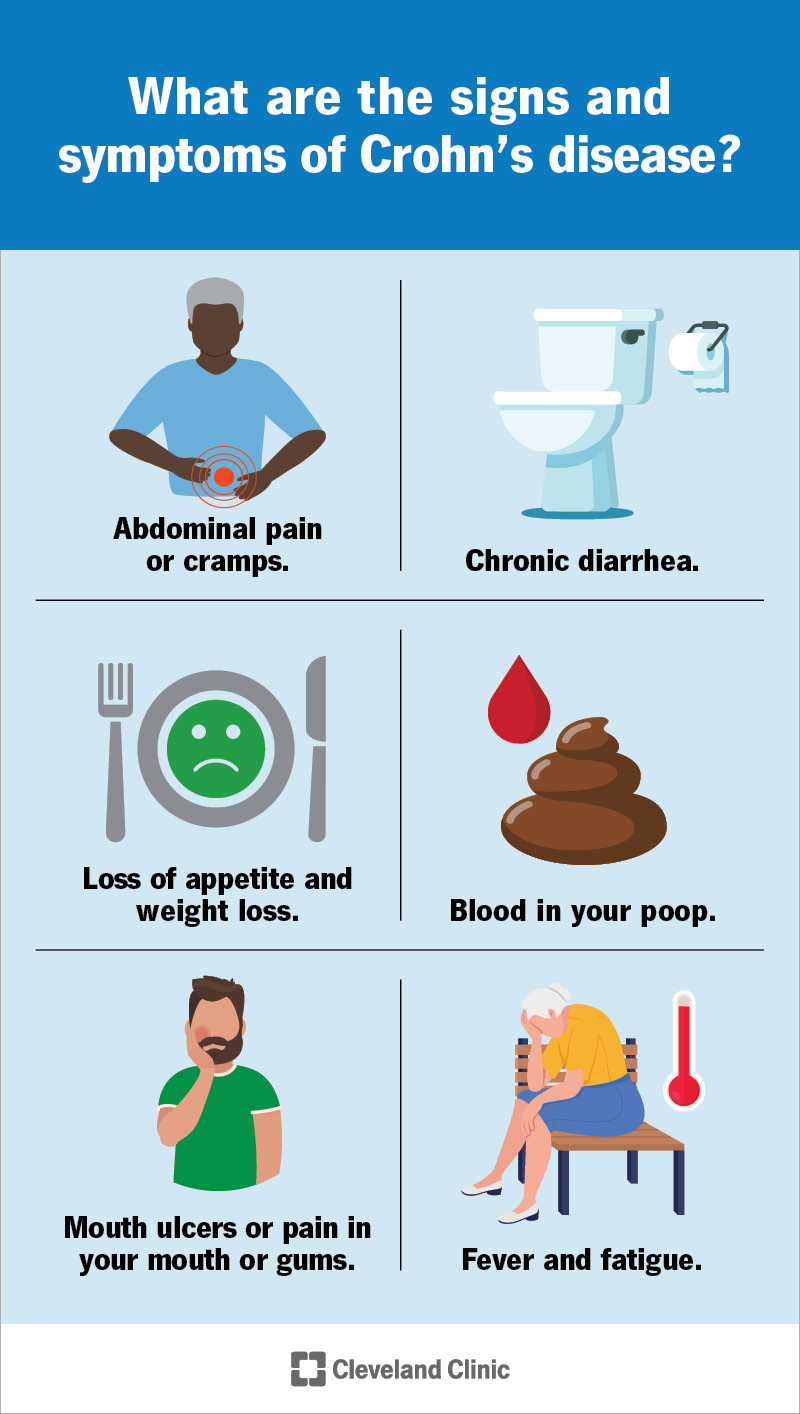
- Persistent Diarrhea: Chronic inflammation can lead to the rapid transit of waste and the inability of the colon to absorb water properly.
- Abdominal Pain and Cramping: This is often the most reported symptom, caused by inflammation in the intestinal walls or, in severe cases, intestinal obstructions.
- Blood in the Stool: This may occur if the inflammation causes ulcerations within the lining of the bowel.
- Reduced Appetite and Weight Loss: Due to pain associated with eating, many patients develop an aversion to food, which can lead to unintentional weight loss and nutritional deficiencies.
Systemic Effects Beyond the Gut
Crohn’s is a systemic disease, meaning it can impact the entire body. Patients may experience fatigue, which is often related to anemia or chronic inflammation. Fever is also common during flare-ups. In some cases, the disease manifests in areas outside the digestive tract, such as inflammation of the joints (arthritis), skin irritation, or eye redness. These “extraintestinal” manifestations are important clues that the disease is not confined to the bowel and requires a holistic treatment approach.
Modern Diagnostic Approaches and Medical Management
The path to a Crohn’s diagnosis usually involves a combination of blood tests, stool tests, and imaging techniques. Because many of the symptoms overlap with other conditions like Ulcerative Colitis or Irritable Bowel Syndrome (IBS), gastroenterologists use a multi-faceted approach to confirm the diagnosis.
Diagnostic Tools
- Endoscopy and Colonoscopy: These procedures allow doctors to visually inspect the lining of the GI tract. During a colonoscopy, physicians can also take small tissue samples (biopsies) to confirm inflammation at the microscopic level.
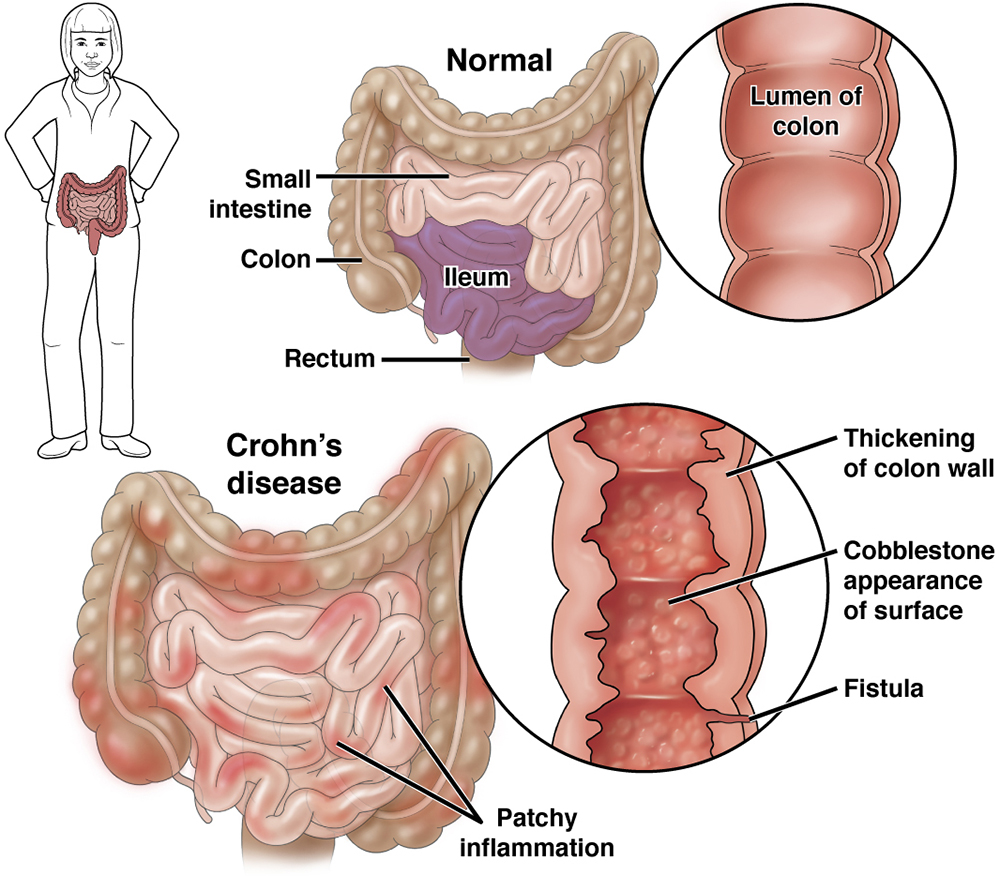
- Imaging Studies: CT scans or MRI enterography are used to see the small intestine, which is often inaccessible to a standard colonoscope. These images help identify abscesses, fistulas, or strictures—narrowing of the intestine caused by scar tissue.
- Blood and Stool Tests: These are used to detect signs of inflammation, such as elevated C-reactive protein (CRP) or calprotectin, and to rule out bacterial infections.
Therapeutic Strategies
Management is highly individualized. The medical community typically follows a “top-down” or “step-up” approach to treatment, aiming for “mucosal healing”—the total resolution of inflammation in the intestinal lining.
- Anti-inflammatory Drugs: These are often the first line of defense, including aminosalicylates and corticosteroids to reduce acute inflammation.
- Immune System Suppressors: These medications prevent the immune system from attacking the GI tract. They are effective for long-term maintenance and reducing the need for steroids.
- Biologic Therapies: This has been the most significant advancement in Crohn’s treatment in the last two decades. Biologics are proteins that target specific parts of the immune system responsible for inflammation, providing a highly precise way to induce and maintain remission.
- Surgical Intervention: While surgery does not cure Crohn’s, it is sometimes necessary to remove damaged sections of the bowel, clear obstructions, or close fistulas. Many patients experience a significant improvement in quality of life following surgical intervention when medical therapy is no longer sufficient.
Lifestyle Adjustments and Long-Term Quality of Life
Living with a chronic condition like Crohn’s requires more than just clinical visits; it requires a proactive lifestyle. While there is no specific “Crohn’s diet” that works for everyone, nutrition plays a pivotal role in managing symptoms.
Nutritional Support
During a flare, many patients find relief by adhering to a low-residue diet, which limits fiber and makes it easier for the bowel to rest. In contrast, during remission, a balanced diet is essential to combat malabsorption issues. Many patients work with a registered dietitian to identify “trigger foods” while ensuring they receive adequate protein, vitamins, and minerals. Vitamin B12, iron, and calcium deficiencies are common due to poor absorption in the ileum, and supplementation is often required.
Mental Health and Stress Management
The brain-gut axis is a powerful connection. High levels of stress are known to exacerbate Crohn’s symptoms. Consequently, many treatment plans now incorporate stress-reduction techniques, such as mindfulness, yoga, or cognitive behavioral therapy. Building a strong support network—whether through family, friends, or patient support groups—is essential. Crohn’s can be an isolating condition, but sharing experiences with others who understand the day-to-day challenges can provide immense emotional relief.
The Outlook for the Future
The field of gastroenterology is advancing rapidly. With the rise of precision medicine, doctors are moving toward treatments tailored to a patient’s specific genetic profile and disease activity levels. Ongoing research into the gut microbiome—the trillions of bacteria living in our digestive systems—promises to unlock new therapeutic avenues that may one day turn this chronic illness into a fully manageable condition with minimal impact on daily life.
For now, the best strategy is an empowered one: staying informed, maintaining open communication with a dedicated gastroenterology team, and listening to one’s body. While Crohn’s disease introduces significant challenges, it does not define the limits of what a patient can achieve. Through careful management and modern medicine, the majority of those diagnosed go on to lead productive, meaningful, and active lives.
aViewFromTheCave is a participant in the Amazon Services LLC Associates Program, an affiliate advertising program designed to provide a means for sites to earn advertising fees by advertising and linking to Amazon.com. Amazon, the Amazon logo, AmazonSupply, and the AmazonSupply logo are trademarks of Amazon.com, Inc. or its affiliates. As an Amazon Associate we earn affiliate commissions from qualifying purchases.