
In the realm of high-stakes biotechnology and global pharmaceutical markets, few substances carry as much economic weight as Human Chorionic Gonadotropin (hCG). While traditionally understood through a biological lens, the financial world views chorionic gonadotropin as a cornerstone of the multi-billion-dollar reproductive health industry. As global demographics shift and the demand for assisted reproductive technology (ART) surges, hCG has transitioned from a niche medical component to a high-value commodity driving significant investment, insurance policy shifts, and corporate strategy.
For investors, financial analysts, and healthcare entrepreneurs, understanding the market dynamics of chorionic gonadotropin is essential. It is not merely a hormone; it is a vital link in the supply chain of a fertility market projected to exceed $40 billion by 2030. This article explores the fiscal landscape of hCG, the cost-benefit analysis of its production, and the broader economic trends shaping the business of human reproduction.
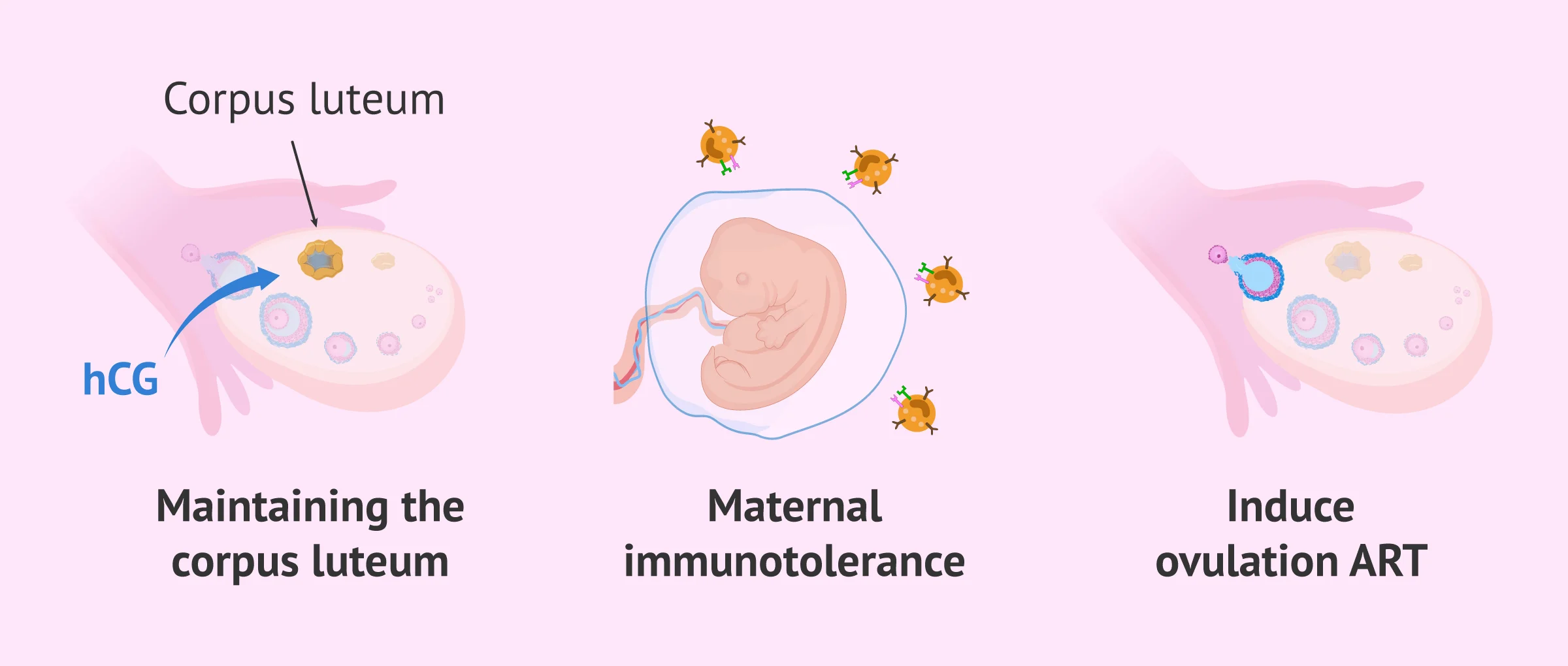
The Financial Infrastructure of Hormone Production
The production of chorionic gonadotropin represents a complex intersection of biological sourcing and high-tech synthesis, each with its own capital expenditure (CAPEX) profile. Historically, hCG was primarily derived from the urine of pregnant women—a process requiring massive logistical networks and rigorous purification standards. However, the shift toward recombinant DNA technology (rhCG) has redefined the production economics of the industry.
Synthetic vs. Urinary-Derived hCG: A Cost-Benefit Analysis
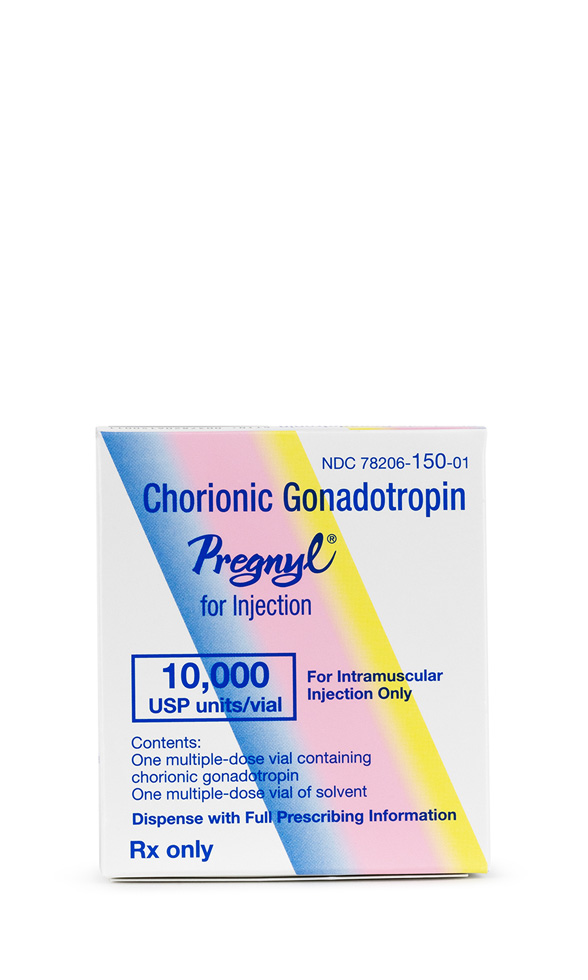
From an investment perspective, the move toward recombinant hCG is a play for scalability and risk mitigation. While urinary-derived hCG is often cheaper to produce in terms of raw materials, it is subject to supply chain volatility and stringent biological safety regulations. Recombinant technology, such as Ovidrel, involves higher initial research and development (R&D) costs and expensive laboratory infrastructure, but it offers a more predictable and scalable output. For pharmaceutical companies, the higher margins on recombinant products often justify the intensive upfront investment.
Regulatory Hurdles and Market Entry Costs
The barrier to entry in the hCG market is high, primarily due to the regulatory oversight by bodies like the FDA and EMA. Companies looking to manufacture generic versions of chorionic gonadotropin must navigate complex bioequivalence studies. These regulatory requirements represent a significant “moat” for established players, ensuring that the market remains dominated by a few pharmaceutical giants. For the financial analyst, these barriers represent both a risk factor for new entrants and a source of pricing power for incumbent firms.
Supply Chain Resilience in Biotech
The global supply chain for hormonal therapies is sensitive to geopolitical shifts and changes in healthcare legislation. Investors must monitor the geographic concentration of manufacturing hubs—particularly in Europe and Asia—as disruptions in these regions can lead to price spikes in the retail market. The economic stability of the hCG market relies heavily on a “just-in-time” delivery model for clinics, making logistics a hidden but crucial factor in the hormone’s valuation.
Market Valuation and the Fertility Boom
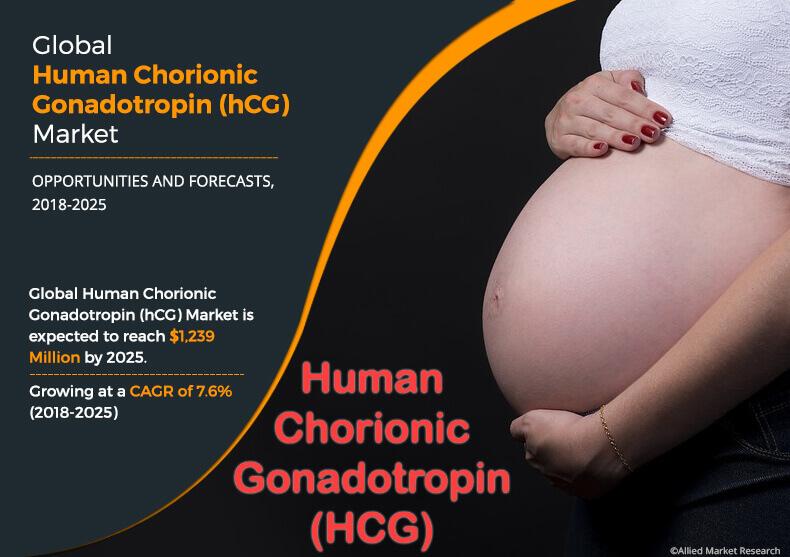
The primary driver of the chorionic gonadotropin market is the global “fertility boom.” Despite declining birth rates in some regions, the market for assisted fertility is expanding at a Compound Annual Growth Rate (CAGR) that outperforms many other healthcare sectors. This growth is fueled by delayed childbearing, increasing disposable income in emerging economies, and the normalization of fertility treatments.
The $40 Billion Fertility Industry
Chorionic gonadotropin is an indispensable asset in the In Vitro Fertilization (IVF) protocol. Since IVF cycles often cost between $12,000 and $25,000 per attempt, the medications—including hCG—account for a substantial percentage of the total transaction volume. For venture capital firms, the scalability of fertility clinics is intrinsically tied to the consistent availability and pricing of these trigger-shot hormones.
Emerging Markets and Wealth Expansion
As the middle class expands in regions like Southeast Asia and Latin America, the demand for high-end medical interventions grows. In these markets, hCG is not just a medical necessity; it is a luxury healthcare product. Pharmaceutical companies are increasingly tailoring their pricing strategies to capture these demographics, balancing high-volume sales with the premium positioning of their brand-name hormonal products.
Private Equity Interest in Reproductive Health
Over the last decade, private equity firms have aggressively acquired fertility clinics and consolidated the fragmented market. This consolidation creates a “vertical” demand for hCG. By owning the clinics, the diagnostic labs, and the pharmaceutical distribution channels, these firms can optimize the cost of goods sold (COGS) for hormones like hCG, maximizing the lifetime value of each patient.
Consumer Costs and Insurance Reimbursement
The economic impact of chorionic gonadotropin extends directly to the consumer’s wallet and the balance sheets of insurance providers. Because hCG is often a “out-of-pocket” expense in many jurisdictions, its pricing elasticity is a subject of intense study for market strategists.
The Impact of Legislative Changes on Market Demand
In the United States and parts of Europe, new mandates requiring insurance companies to cover fertility treatments are game-changers for the hCG market. When insurance covers the cost of “trigger shots,” the volume of IVF cycles typically increases, leading to a surge in demand for the hormone. Investors often track state-level and national legislative trends to predict shifts in pharmaceutical stock prices.
Corporate Fertility Benefits as a Retention Tool
A significant trend in modern corporate finance is the inclusion of “fertility benefits” in employee compensation packages. Tech giants and financial firms now offer coverage for egg freezing and IVF, which involves the heavy use of chorionic gonadotropin. This shift transfers the financial burden from the individual to the corporation, creating a more stable and predictable revenue stream for the manufacturers of hCG.
Pricing Transparency and Generic Competition
As patents on original recombinant hCG formulations expire, the market is seeing an influx of biosimilars. This competition is driving down the retail price of the hormone, making it more accessible to a broader demographic. While this may slightly compress the margins of original patent holders, the increased volume of sales often compensates for the lower price point, maintaining the sector’s overall profitability.
Investment Strategies in Biotech and Hormonal Therapies
For those looking to capitalize on the growth of reproductive health, chorionic gonadotropin serves as a bellwether for the broader biotech sector. Investing in this niche requires a sophisticated understanding of pharmaceutical pipelines and the competitive landscape.
Identifying Key Players and Market Leaders
The market for hCG is currently dominated by a few major entities, including Merck KGaA, Ferring Pharmaceuticals, and Organon. Analyzing the debt-to-equity ratios and the R&D pipelines of these companies provides insight into the future of hormonal therapy. Diversified investors often look for companies that not only produce the hormone but also hold patents on the delivery mechanisms (such as pre-filled pens), which command higher price premiums.
Risk Assessment: Ethical and Social Governance (ESG)
In the modern financial era, ESG factors play a massive role in investment decisions. The production of hormones involves complex ethical considerations, ranging from the sourcing of biological materials to the environmental impact of pharmaceutical waste. Companies that prioritize sustainable and ethical production methods for hCG are increasingly favored by institutional investors who are sensitive to the “social” component of the ESG framework.
The Long-Term ROI of Reproductive Technology
Investing in the infrastructure surrounding chorionic gonadotropin is a long-term play. As global populations age and the “silver economy” takes hold, the premium placed on successful reproduction will only increase. The ROI (Return on Investment) in this sector is not just found in the sale of a single vial of hCG, but in the entire ecosystem of prenatal care, genetic testing, and pediatric health that follows a successful fertility cycle.
Conclusion: The Hormone as a Financial Asset
Chorionic gonadotropin is far more than a biological marker; it is a high-stakes financial asset at the center of a global healthcare revolution. From the capital-intensive laboratories where recombinant versions are synthesized to the corporate boardrooms where fertility benefit packages are negotiated, hCG influences a vast array of economic activities.
For the modern investor or business leader, the “trigger shot” represents the start of a multi-stage financial journey. As technological advancements continue to lower production costs and legislative changes expand market access, the economic profile of chorionic gonadotropin will remain robust. In an era where human capital is the ultimate resource, the business of creating that capital—driven by the strategic use and sale of hCG—stands as one of the most resilient and promising sectors in the global economy.
aViewFromTheCave is a participant in the Amazon Services LLC Associates Program, an affiliate advertising program designed to provide a means for sites to earn advertising fees by advertising and linking to Amazon.com. Amazon, the Amazon logo, AmazonSupply, and the AmazonSupply logo are trademarks of Amazon.com, Inc. or its affiliates. As an Amazon Associate we earn affiliate commissions from qualifying purchases.