
Chlamydia trachomatis. The name itself might sound clinical and intimidating, and for good reason. It’s the name of a bacterium that causes one of the most common sexually transmitted infections (STIs) globally. While the topic of STIs might not immediately align with the cutting-edge discussions around technology, branding, or finance, understanding chlamydia is crucial for individual well-being, which underpins our ability to engage with and thrive in these very sectors. After all, personal health is the foundation upon which all other pursuits are built. This article will delve into the intricacies of Chlamydia trachomatis, exploring its nature, transmission, symptoms, consequences, and most importantly, prevention and treatment, all through the lens of informed decision-making, a concept relevant across all the domains we discuss.

Understanding the Microscopic Culprit: The Nature of Chlamydia Trachomatis
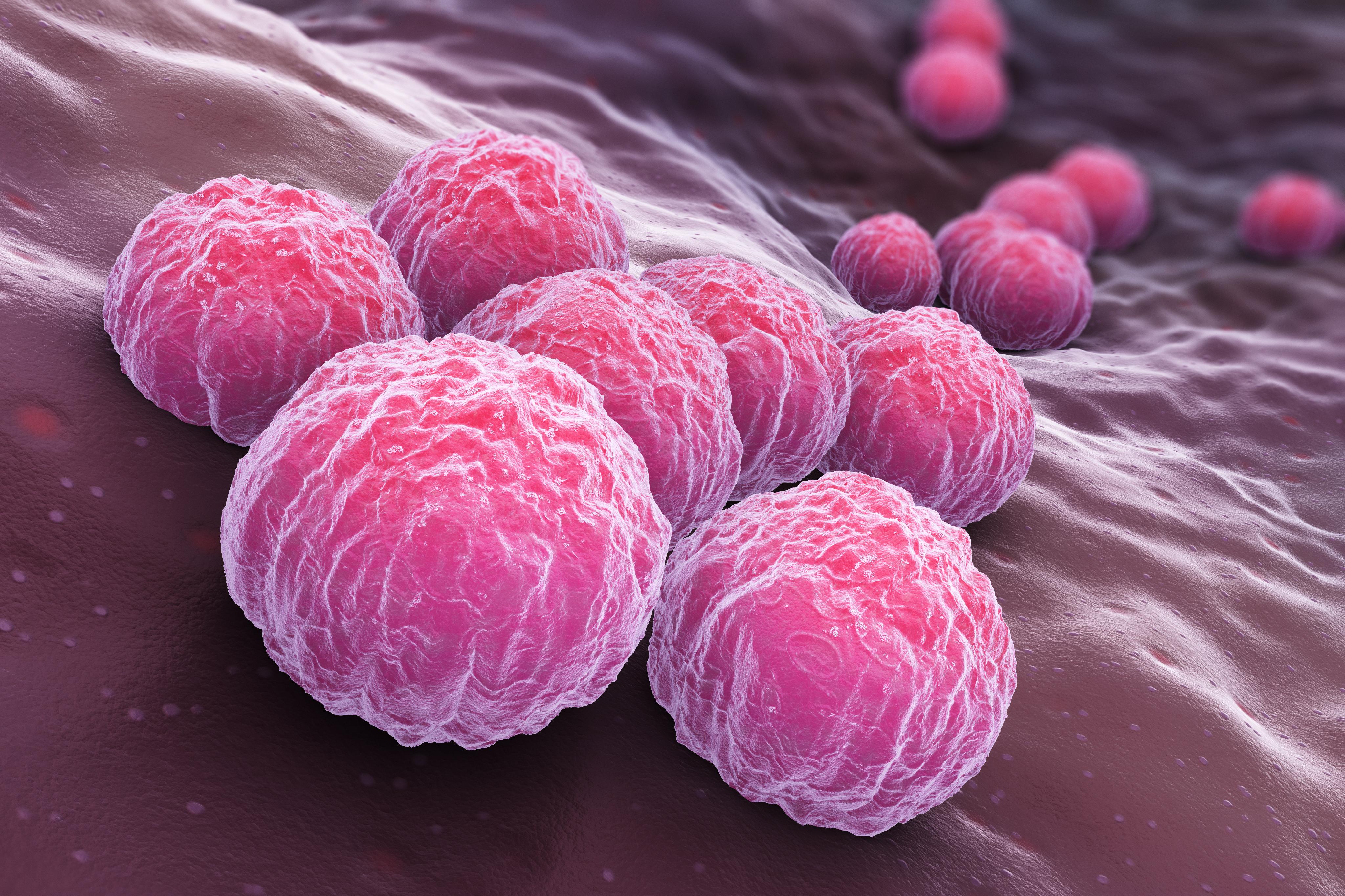
At its core, Chlamydia trachomatis is a bacterium, not a virus or a fungus. This distinction is important because it dictates how it behaves and how it’s treated. Unlike many free-living bacteria, Chlamydia trachomatis is an obligate intracellular parasite. This means it cannot reproduce on its own. It needs to invade the cells of its host to multiply. This unique characteristic is a key factor in why infections can sometimes go undetected for extended periods.
The bacterium has a complex life cycle. It exists in two forms: the elementary body (EB) and the reticulate body (RB). The EB is the infectious form, which is shed from an infected person and can enter the cells of a new host. Once inside a host cell, the EB transforms into the RB, which is a metabolically active, replicative form. The RB then multiplies within the cell, eventually reorganizing back into EBs, which are then released to infect other cells or transmit to a new host.
This intricate process makes Chlamydia trachomatis a stealthy pathogen. Its ability to reside within host cells shields it from some of the body’s immune defenses, contributing to its prevalence and the often asymptomatic nature of the infection.
The Diverse Strains and Their Impact
Chlamydia trachomatis is not a monolithic entity. It comprises various serovars, or strains, each with slightly different surface proteins. While most strains cause the same genitourinary tract infection, some strains are responsible for other distinct diseases:
- Ocular Trachoma: Certain strains of Chlamydia trachomatis are the leading cause of preventable blindness worldwide. This occurs through direct contact with infected secretions, often in settings with poor sanitation. The infection leads to inflammation and scarring of the conjunctiva, the membrane that lines the eyelid and covers the white part of the eye.
- Inclusion Conjunctivitis: This is a related eye infection, typically acquired by newborns during passage through an infected birth canal. It causes inflammation and discharge from the eyes.
- Lymphogranuloma Venereum (LGV): This is a more invasive form of chlamydial infection, caused by specific LGV strains. LGV affects the lymphatic system, particularly in the genital and anal regions, and can lead to significant swelling, pain, and the formation of ulcers and fistulas.
While this article primarily focuses on the genitourinary tract infection, it’s important to recognize the broader impact of this versatile bacterium.
The Invisible Threat: Transmission and Symptoms
Understanding how Chlamydia trachomatis spreads is paramount to prevention. It is primarily transmitted through sexual contact. This includes:
- Vaginal Sex: Unprotected vaginal intercourse with an infected partner.
- Anal Sex: Unprotected anal intercourse with an infected partner.
- Oral Sex: While less common, oral sex can also transmit the infection, particularly if there are cuts or sores in the mouth or on the genitals.
- Mother-to-Child Transmission: Pregnant individuals with chlamydia can pass the infection to their baby during childbirth. This can lead to pneumonia or conjunctivitis in the newborn.
A significant challenge in controlling the spread of chlamydia is that the majority of infected individuals, particularly women, experience no symptoms. This asymptomatic nature allows the infection to spread unknowingly. When symptoms do appear, they can vary depending on the site of infection and the individual’s sex.
Symptoms in Women:
In women, chlamydia most commonly infects the cervix, urethra, rectum, and sometimes the throat. When symptoms occur, they can include:
- Abnormal Vaginal Discharge: Often described as watery or milky, and may have an unusual odor.
- Pain or Burning Sensation During Urination: This is similar to symptoms of a urinary tract infection (UTI).
- Pain During Sexual Intercourse: This can range from mild discomfort to significant pain.
- Bleeding Between Periods or After Sex: Spotting or light bleeding outside of the normal menstrual cycle.
- Lower Abdominal Pain: This can be a sign of Pelvic Inflammatory Disease (PID), a serious complication of untreated chlamydia.
- Rectal Pain, Discharge, or Bleeding: If the infection has spread to the rectum.
- Sore Throat: If the infection was acquired through oral sex.
Symptoms in Men:
In men, chlamydia commonly infects the urethra, rectum, and sometimes the throat. Symptoms, if present, can include:
- Discharge from the Penis: This can be watery, milky, or yellowish.
- Pain or Burning Sensation During Urination: Again, similar to UTI symptoms.
- Pain or Swelling in One Testicle: Though less common, this can indicate epididymitis, inflammation of the tube that carries sperm.
- Rectal Pain, Discharge, or Bleeding: If the infection has spread to the rectum.
- Sore Throat: If the infection was acquired through oral sex.
It’s crucial to remember that the absence of symptoms does not mean the absence of infection. Regular STI screening is vital, especially for sexually active individuals.
The Long Shadow: Complications and Consequences
While chlamydia is often treatable, untreated infections can lead to significant long-term health problems. These complications can have far-reaching effects, impacting reproductive health, overall well-being, and even one’s ability to pursue personal and professional goals.
Complications in Women:
The most serious complication of chlamydia in women is Pelvic Inflammatory Disease (PID). PID is an infection of the reproductive organs, including the uterus, fallopian tubes, and ovaries. It can occur when chlamydia spreads from the cervix upwards. PID can manifest with symptoms like severe abdominal pain, fever, nausea, and painful intercourse.
The consequences of PID can be devastating:
- Infertility: Scarring and inflammation of the fallopian tubes can block the passage of eggs, leading to difficulty conceiving.
- Ectopic Pregnancy: When a fertilized egg implants outside the uterus, most commonly in the fallopian tube. Ectopic pregnancies are life-threatening and require immediate medical attention.
- Chronic Pelvic Pain: Persistent pain in the lower abdomen can result from PID-related scarring and adhesions.
Complications in Men:
In men, untreated chlamydia can lead to epididymitis, which is inflammation of the epididymis, a coiled tube located at the back of the testicle that stores and carries sperm. Symptoms include pain, swelling, and tenderness in the scrotum. While typically treatable, severe or recurrent epididymitis can, in rare cases, affect fertility.
Complications in Both Sexes:
- Reactive Arthritis (Reiter’s Syndrome): In some individuals, chlamydia infection can trigger an autoimmune response, leading to reactive arthritis. This condition affects the joints, eyes, and urinary tract, causing pain, inflammation, and swelling.
- Increased Risk of HIV Transmission: Having chlamydia can make it easier for HIV to infect a person or for an HIV-infected person to transmit the virus to others. This is because the inflammation caused by chlamydia can create open sores or increase the presence of immune cells that HIV targets.
The long-term consequences of chlamydia highlight the importance of proactive health management. Just as one needs to understand financial risks to secure their future, understanding the risks associated with STIs and taking preventive measures is crucial for maintaining personal health and a fulfilling life.
Taking Control: Prevention, Testing, and Treatment
The good news is that chlamydia is both preventable and treatable. Empowering yourself with knowledge and taking proactive steps is the most effective way to manage this infection.
Prevention: The Cornerstone of Health
The most effective way to prevent chlamydia is by practicing safer sex:
- Consistent Condom Use: Using condoms correctly and consistently during vaginal, anal, and oral sex significantly reduces the risk of transmission. Latex condoms are the most effective.
- Limiting Sexual Partners: Reducing the number of sexual partners lowers the probability of encountering an infected individual.
- Open Communication with Partners: Discussing sexual health history and getting tested together before becoming sexually active is crucial.
- Regular STI Screening: This is especially important for sexually active individuals, particularly those with new or multiple partners. Many health organizations recommend annual screening for sexually active individuals under 25, and for older individuals who are sexually active.
The Power of Testing: Early Detection is Key
Given the asymptomatic nature of chlamydia, testing is the only way to know for sure if you are infected. Testing is simple, readily available, and often covered by insurance or offered at low cost by public health clinics.
- Types of Tests: Urine tests and swab tests (from the cervix, urethra, rectum, or throat) are commonly used.
- Where to Get Tested: Your doctor, a local health clinic, or a sexual health clinic can perform STI tests.
Effective Treatment: Eradicating the Infection
Chlamydia is easily treated with antibiotics. The recommended treatment is typically a single dose of azithromycin or a seven-day course of doxycycline.
- Completing the Full Course: It is crucial to take all prescribed medication, even if symptoms improve, to ensure the infection is fully eradicated.
- Abstinence During Treatment: It is essential to abstain from sexual activity for seven days after completing treatment to prevent reinfection or transmission to partners.
- Partner Notification and Treatment: All sexual partners of an infected individual should be notified and tested, and if found to be infected, should also receive treatment. This is critical to prevent the spread of the infection and reinfection.
- Re-testing: It is often recommended to get re-tested about three months after treatment to ensure the infection has been cleared and that there has been no reinfection.

Conclusion: A Proactive Approach to Well-being
Chlamydia trachomatis is a pervasive and often silent threat that can have significant long-term consequences if left untreated. However, by understanding its nature, recognizing the importance of prevention, embracing regular testing, and seeking prompt treatment, individuals can effectively manage and overcome this infection. This proactive approach to sexual health is not merely about avoiding illness; it’s about safeguarding one’s overall well-being, enabling individuals to fully engage with and contribute to all aspects of life, from technological innovation and brand building to financial security and personal growth. Prioritizing your health is the ultimate investment in your future.
aViewFromTheCave is a participant in the Amazon Services LLC Associates Program, an affiliate advertising program designed to provide a means for sites to earn advertising fees by advertising and linking to Amazon.com. Amazon, the Amazon logo, AmazonSupply, and the AmazonSupply logo are trademarks of Amazon.com, Inc. or its affiliates. As an Amazon Associate we earn affiliate commissions from qualifying purchases.