
In the volatile landscape of global intellectual property (IP), few entities have achieved the meteoric rise and sustained cultural relevance of Chiikawa. Short for Nanka Chiisakute Kawaii Yatsu (Something Small and Cute), Chiikawa is not merely a collection of characters; it represents a sophisticated evolution in brand strategy. Originally emerging from the digital sketches of the illustrator Nagano on social media, the brand has transformed into a multi-billion yen ecosystem encompassing retail, animation, and high-profile corporate collaborations.
For brand strategists and marketing professionals, Chiikawa serves as a quintessential case study in how to build a modern powerhouse brand. It transcends the traditional boundaries of the “Kawaii” (cute) aesthetic by integrating complex emotional narratives with a social-first distribution model. To understand what Chiikawa is, one must look beyond the surface level of its adorable illustrations and examine the strategic pillars that have solidified its position as a dominant force in international branding.
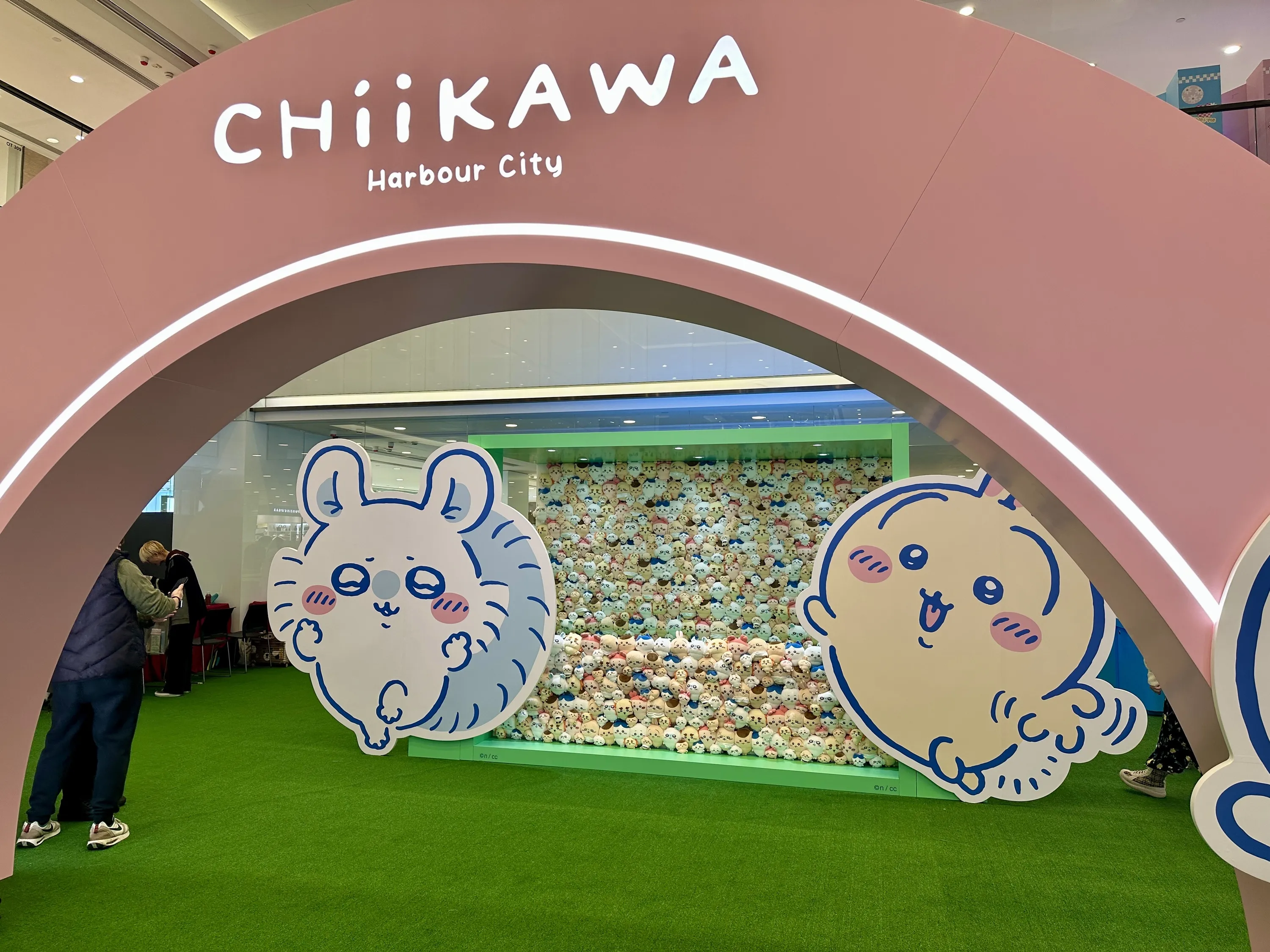
Decoding the Chiikawa Brand Identity: Subverting the Kawaii Aesthetic
At first glance, Chiikawa appears to be another entry in Japan’s long history of character merchandising, following in the footsteps of giants like Hello Kitty or Rilakkuma. However, the brand’s core identity is built on a radical subversion of the “perfect” character trope. This subversion is the primary driver of its intense brand loyalty.
The “Small and Cute” Paradox
The brand identity of Chiikawa is rooted in a paradox. While the visual language is hyper-minimalist and traditionally cute, the world the characters inhabit is surprisingly grounded in reality—and occasionally, hardship. The characters must work “labor” jobs to earn a living, face existential threats from monsters, and deal with the anxiety of failing exams.
From a branding perspective, this creates “relatability equity.” Traditional cute brands often focus on escapism and perfection, which can create a distance between the character and the consumer. Chiikawa, by contrast, mirrors the stressors of modern adult life. By positioning a “cute” mascot within a “harsh” reality, the brand creates a unique emotional hook that resonates across demographics, particularly with Gen Z and Millennials who face similar societal pressures.
Emotional Resonance Through Vulnerability
Most corporate mascots are designed to be static symbols of positivity. Chiikawa’s brand strategy takes the opposite approach by leaning into vulnerability. The protagonist, Chiikawa, is often seen crying, trembling, or struggling. This intentional design choice fosters a protective instinct in the consumer—a psychological phenomenon often leveraged in brand storytelling to build “affinity.”
In the realm of brand strategy, vulnerability is a powerful tool. It transforms a passive consumer into an active “supporter.” This shift is crucial for long-term brand health, as it moves the relationship from a simple transaction (buying a plushie) to an emotional investment in the character’s journey.
Social-First Marketing: The Digital Genesis of a Cultural Icon
The growth trajectory of Chiikawa provides a blueprint for “Social-First” brand building. Unlike legacy IP that typically starts with a high-budget television series or a cinematic release, Chiikawa’s brand equity was built entirely through organic engagement on social media platforms, specifically X (formerly Twitter).
Leveraging X for Real-Time Engagement
The brand’s creator, Nagano, utilized the immediacy of social media to release micro-comics that could be consumed in seconds. This distribution strategy aligns perfectly with the decreasing attention spans of digital consumers. Each post functions as a “brand touchpoint,” maintaining constant top-of-mind awareness without the need for traditional advertising spend.
The brilliance of this strategy lies in its feedback loop. The brand monitors real-time reactions to plot points and character interactions, allowing the IP to evolve in tandem with its audience’s preferences. This creates a sense of co-creation between the brand and its community, a hallmark of successful 21st-century personal and corporate branding.

Viral Loophole: Creating Shareable Micro-Moments
Chiikawa’s design is optimized for the “screenshot economy.” The characters’ expressions are designed to be used as reaction images, effectively turning every fan into a brand ambassador. When a user shares a Chiikawa sticker or meme to express their own feelings of exhaustion or joy, they are inadvertently performing a marketing function for the brand.
This organic virality is far more effective than traditional “push” marketing. It builds a brand presence that feels authentic and integrated into the user’s daily communication. For brand managers, the lesson here is clear: a brand’s visual assets should not just be “seen”; they should be “utilizable” within the digital vernacular of the target audience.
Strategic Monetization and Ecosystem Expansion
A brand’s success is ultimately measured by its ability to convert cultural capital into financial performance. Chiikawa has mastered the art of monetization by balancing high-volume licensing with strategic scarcity, ensuring the brand remains both accessible and aspirational.
Licensing and Collaborative Synergy
Chiikawa’s licensing strategy is a masterclass in cross-industry integration. The brand has collaborated with an eclectic range of partners, from luxury department stores and apparel giants like Uniqlo to convenience store chains and food manufacturers.
The strategy behind these collaborations is “Contextual Relevance.” By placing Chiikawa on everyday consumer goods—such as ramen packaging, vitamins, or credit cards—the brand embeds itself into the literal fabric of the consumer’s life. Each collaboration is carefully vetted to ensure it maintains the brand’s aesthetic integrity while expanding its reach into new market segments. This “omnipresence” strategy ensures that the brand is not just a trend, but a staple of the consumer environment.
Merchandising: From Scarcity to Ubiquity
While the brand is everywhere, it manages to avoid “brand dilution” through the use of limited-edition drops and location-specific merchandise. The “Chiikawa Land” retail outposts and various pop-up cafes utilize “experiential branding” to drive foot traffic and create a sense of urgency.
This approach taps into the “Oshikatsu” culture in Japan—the act of enthusiastically supporting one’s favorite “oshi” (idol or character). By creating high-demand, limited-supply items, the brand maintains its premium status while simultaneously profiting from mass-market licensing. This dual-track approach to monetization is a sophisticated way to manage a brand’s lifecycle and prevent the “fatigue” that often plagues viral trends.
Global Scalability: Lessons for Modern Brand Managers
As Chiikawa expands beyond Japan into markets across Asia and the West, it faces the challenge of cultural translation. However, the brand’s core pillars are remarkably resilient, offering several key lessons for any brand looking to scale globally.
Bridging the Cultural Gap
The “Language of Emotion” is universal. While the dialogue in Chiikawa is minimal and often consists of simple exclamations, the emotional storytelling is sophisticated. This lack of a language barrier is a strategic advantage for global expansion. A brand that communicates through shared human experiences—struggle, friendship, reward—is far easier to export than one reliant on specific cultural puns or complex backstories.
For global brand managers, Chiikawa demonstrates that “simplicity” is the ultimate sophistication in IP design. By stripping away unnecessary complexity, the brand makes itself a “blank canvas” onto which global audiences can project their own lives and emotions.

The Future of Character-Driven Commerce
Chiikawa represents the future of how brands will interact with consumers. It is no longer enough for a brand to have a logo; it must have a personality, a narrative, and a presence in the digital conversations of its followers. The shift from “Corporate Identity” to “Character Identity” allows for a more intimate and durable connection with the audience.
In conclusion, “What is Chiikawa?” is a question that can be answered through the lens of brand strategy. It is a highly optimized, social-first IP that utilizes emotional vulnerability and strategic licensing to dominate the modern attention economy. By subverting the traditional expectations of its genre and leaning into the realities of its audience, Chiikawa has transitioned from a series of social media sketches into a global brand powerhouse. Its success underscores the power of relatability over perfection and the importance of building a brand that can live, breathe, and struggle alongside its consumers. For any organization looking to build a brand with longevity in the digital age, the Chiikawa model offers an invaluable roadmap for success.
aViewFromTheCave is a participant in the Amazon Services LLC Associates Program, an affiliate advertising program designed to provide a means for sites to earn advertising fees by advertising and linking to Amazon.com. Amazon, the Amazon logo, AmazonSupply, and the AmazonSupply logo are trademarks of Amazon.com, Inc. or its affiliates. As an Amazon Associate we earn affiliate commissions from qualifying purchases.