
In the modern marketplace, the term “fusion” is often used as a buzzword to describe the blending of two distinct elements to create something new. However, few examples embody this concept more successfully or profitably than “Chifa.” While the word technically refers to the culinary tradition resulting from the fusion of Cantonese Chinese and Peruvian cultures, from a brand strategy perspective, Chifa represents a masterclass in market integration, cultural identity, and strategic differentiation.
To understand Chifa is to understand how a brand can move beyond a niche product to become a cornerstone of a national identity. It is a story of how migration, adaptation, and storytelling can create a unique market position that is impossible to replicate. For brand strategists and corporate leaders, the evolution of Chifa provides critical insights into how to blend legacy values with local market demands to create a dominant, resilient brand.

The Anatomy of a Fusion Brand: From Migration to Market Integration
The origin of the Chifa brand is not found in a boardroom, but in the streets of Lima during the late 19th and early 20th centuries. Chinese immigrants, primarily from the Guangdong province, brought their techniques, seeds, and traditions to Peru. However, they faced a significant challenge: a lack of traditional ingredients and a local consumer base unfamiliar with their palate.
From Migration to Market Integration
The birth of Chifa was an act of necessity that evolved into a brilliant branding maneuver. Instead of clinging strictly to authentic Cantonese recipes that would have alienated the local population, these early entrepreneurs engaged in what we now call “product localization.” They substituted unavailable Chinese ingredients with Peruvian staples—using ginger (kion) and soy sauce (sillao) alongside Peruvian yellow peppers (ají amarillo) and potatoes.
This wasn’t just a culinary shift; it was a rebranding of an entire culture’s output to fit a new demographic. By the 1920s, the first official “Chifa” restaurants opened, and the term itself—derived from the Mandarin chi fan (to eat rice)—became the brand name for an entire industry. This is a primary example of “Brand Vernacular,” where a specific term becomes so synonymous with a category that it defines the market itself.
The Core Brand Values of Chifa
The Chifa brand is built on three pillars: accessibility, abundance, and novelty. In the Peruvian market, Chifa restaurants (of which there are now thousands) positioned themselves as the “everyman’s luxury.” They offered large portions at competitive price points, making the brand synonymous with value. For a brand to succeed long-term, it must offer a “Value Proposition” that feels both premium and attainable. Chifa achieved this by offering exotic flavors through a familiar lens.
Chifa as a Tool for Nation Branding
In the last two decades, the Peruvian government and private sector have collaborated to elevate Peruvian gastronomy into a global powerhouse. This initiative, often referred to as “Gastro-diplomacy,” uses food as a primary brand ambassador for the country. Chifa plays a pivotal role in this strategy, serving as a testament to Peru’s multiculturalism and openness to global influence.
The “Marca Perú” Influence
The “Marca Perú” (Peru Brand) campaign is one of the most successful nation-branding exercises in recent history. It positioned Peru not just as a destination for ruins like Machu Picchu, but as the “World’s Leading Culinary Destination.” Chifa was integrated into this narrative to showcase the “fusion DNA” of the country.
By marketing Chifa as a uniquely Peruvian asset, the country effectively “owned” a segment of Chinese cuisine. In the eyes of a global consumer, Chifa is not just Chinese food; it is a Peruvian specialty. This is a high-level branding tactic: taking a global commodity (Chinese food) and applying a unique cultural overlay to create a proprietary sub-brand that cannot be easily commodified by competitors.
Exporting the Experience to Global Markets
Today, the Chifa brand is being exported to global hubs like Madrid, London, Miami, and Dubai. High-end concepts like “Chotto Matte” or Gastón Acurio’s “Madam Tusan” take the grassroots Chifa concept and apply a luxury corporate identity to it.
When exporting a brand like Chifa, the strategy shifts from “value and volume” to “heritage and exoticism.” The branding focuses on the storytelling of the silk road meeting the Andes. This narrative-driven branding allows these establishments to command premium pricing in international markets, proving that the Chifa identity is scalable across different economic tiers.

Lessons in Strategic Differentiation and Market Adaptation
For modern businesses, the Chifa model offers profound lessons in how to achieve strategic differentiation in a crowded marketplace. In a world where products are increasingly homogenized, the ability to blend two distinct identities to create a “Third Space” brand is invaluable.
Adapting Global Products to Local Palates
One of the hardest tasks for a global brand is “Glocalization”—the ability to think globally but act locally. Chifa is the ultimate success story in this regard. It teaches brands that total authenticity to the “origin” is often less valuable than “relevance” to the target audience.
For instance, when a tech company launches an app in a new region, they shouldn’t just translate the text; they should “Chifa-ize” the user experience. This means keeping the core technology (the Cantonese technique) but modifying the interface and features to match local cultural behaviors (the Peruvian ingredients). This creates a sense of “psychological ownership” among local consumers, making them feel that the brand was built specifically for them.
Consistency vs. Creativity in Service Delivery
The Chifa brand ecosystem ranges from “huariques” (hole-in-the-wall eateries) to five-star dining rooms. Despite the difference in price, the brand promise remains consistent: a fusion of flavors that delivers a specific sensory profile.
In corporate branding, maintaining this consistency across various touchpoints is vital. Whether a customer is interacting with a brand’s budget line or its flagship product, the “core essence” must remain recognizable. Chifa restaurants achieve this through a standardized “flavor profile” that serves as their visual and sensory identity. In branding, consistency builds trust, and creativity builds excitement. Chifa balances both by keeping the base flavors consistent while allowing chefs to innovate with seasonal Peruvian ingredients.
The Economics and Digital Future of the Chifa Brand
As we move further into the digital age, the way the Chifa brand is consumed and marketed is evolving. The transition from physical dining rooms to digital storefronts and global franchises requires a robust digital brand strategy.
Scalability and Franchise Potential
The Chifa model is highly scalable because it relies on a “modular” culinary logic. The base components (rice, noodles, stir-fry techniques) are universal, while the differentiators (Peruvian sauces and spices) are portable.
From a brand strategy perspective, this makes Chifa an ideal candidate for franchising. A brand that can be broken down into repeatable processes while maintaining its “soul” is a brand that can dominate a global market. We are seeing a surge in “Fast-Casual Chifa” brands that utilize digital kiosks and streamlined menus to bring this fusion brand to the masses, mimicking the scalability models of companies like Chipotle or Starbucks.
Digital Branding for Modern Fusion Concepts
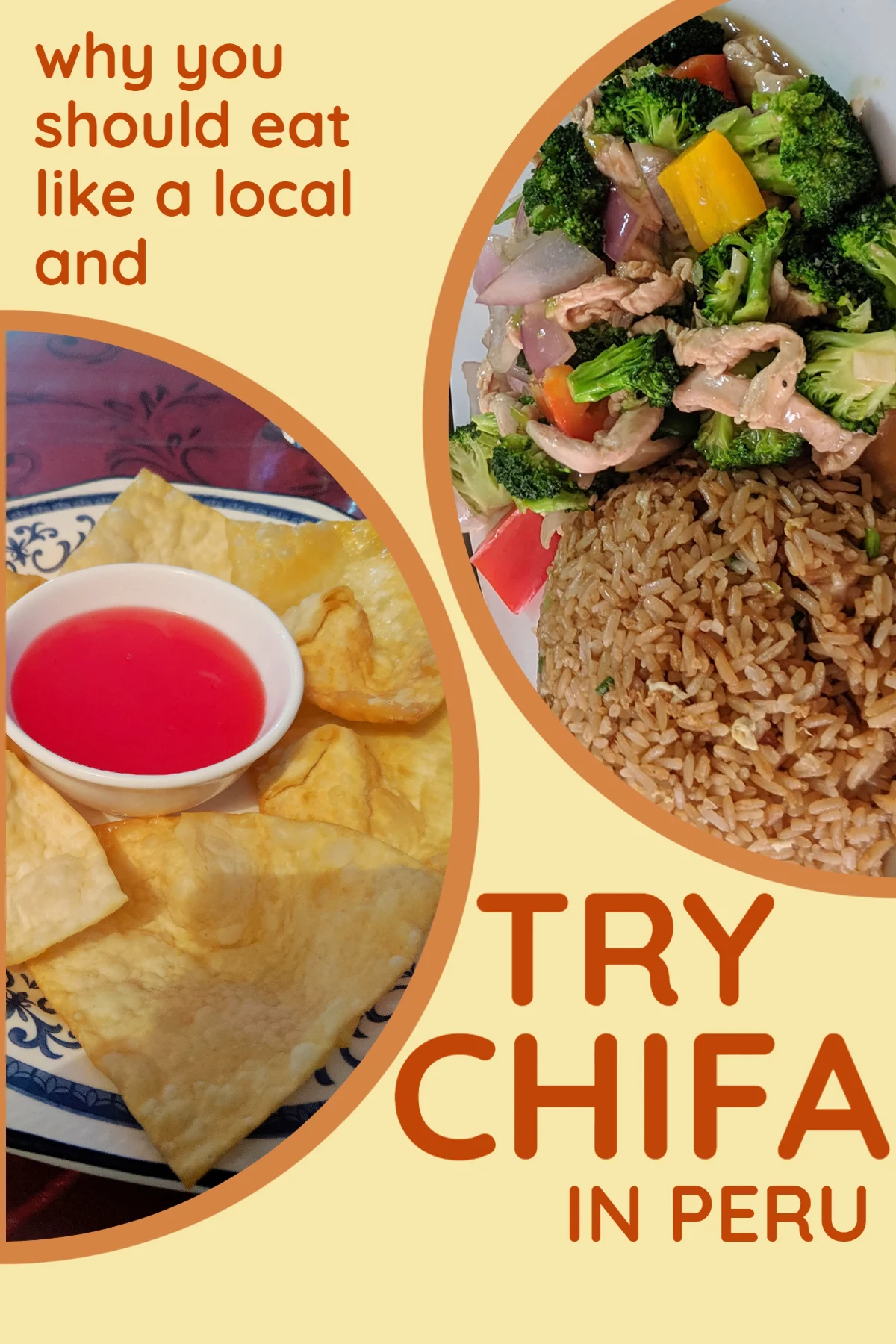
In the digital realm, a brand’s identity is often defined by its visual storytelling on platforms like Instagram and TikTok. Chifa, with its vibrant colors—the deep reds of the stir-fries, the bright yellows of the peppers, and the golden hues of fried wontons—is inherently “photogenic.”
Strategic branding for Chifa now involves “Aesthetic Curation.” Modern Chifa brands are moving away from traditional Chinese motifs (dragons and red lanterns) and toward a “Contemporary Andean-Chic” aesthetic. This visual rebranding helps the niche move away from being perceived as “cheap takeout” to being seen as a sophisticated culinary choice. By leveraging high-quality digital content, Chifa brands are reaching younger, tech-savvy demographics who value the “experience” and the “story” as much as the product itself.
Conclusion: The Lasting Power of the Chifa Identity
Chifa is more than a category of food; it is a sophisticated brand ecosystem that demonstrates the power of cultural synthesis. It teaches us that the most resilient brands are those that can adapt to their environment without losing their core identity. By blending the heritage of the East with the soul of the West, Chifa created a unique market position that has lasted for over a century.
For entrepreneurs and brand managers, the takeaway is clear: success lies in the “And.” You do not have to choose between being traditional or being modern, or between being global or being local. By embracing the “Chifa Mindset,” brands can create a “Third Space” that offers something entirely new, highly defensible, and deeply resonant with the human desire for both the familiar and the exotic. In the end, Chifa isn’t just a meal; it is a blueprint for how to build a brand that can survive migration, globalization, and the test of time.
aViewFromTheCave is a participant in the Amazon Services LLC Associates Program, an affiliate advertising program designed to provide a means for sites to earn advertising fees by advertising and linking to Amazon.com. Amazon, the Amazon logo, AmazonSupply, and the AmazonSupply logo are trademarks of Amazon.com, Inc. or its affiliates. As an Amazon Associate we earn affiliate commissions from qualifying purchases.