
Chianti wine, a name synonymous with the rolling hills of Tuscany, is far more than just a beverage. It represents a powerful and enduring brand, meticulously crafted over centuries through a blend of tradition, regulation, and astute marketing. Understanding what Chianti is from a brand perspective reveals a fascinating case study in how a regional product can achieve global recognition and maintain its premium status. This exploration delves into the core elements that define Chianti as a successful brand, from its geographical roots and legal protections to its evolving identity and marketing strategies.

The Essence of Origin: Terroir and the Birth of a Brand Identity
The brand identity of Chianti is inextricably linked to its geographical origin. The very name “Chianti” evokes images of a specific, picturesque Italian landscape, and this romantic association is a cornerstone of its global appeal.
The Defining Terroir of the Chianti Region
The Chianti region itself, nestled in the heart of Tuscany, boasts a unique combination of climate, soil, and topography. This “terroir” is not merely an environmental factor; it’s a critical ingredient in the Chianti brand narrative.
- Climate: The Mediterranean climate, characterized by hot, dry summers and mild, wet winters, is ideal for grape cultivation, particularly Sangiovese, the dominant grape in Chianti. The ample sunshine ripens the grapes, while the diurnal temperature variations contribute to acidity and complexity. This predictable yet favorable climate allows for consistent quality, a key attribute for any established brand.
- Soil Composition: The soils in the Chianti Classico zone, for instance, are a complex mix of marl, limestone, sandstone, and clay. These varied mineral compositions influence the Sangiovese grapes, imparting distinct characteristics like earthy notes, minerality, and a firm tannic structure. This soil diversity contributes to the nuanced flavor profiles that consumers have come to associate with authentic Chianti.
- Topography and Vineyards: The rolling hills and vineyards, often situated at altitudes that provide good sun exposure and drainage, create an idyllic setting. This visual imagery is actively leveraged in marketing, associating the wine with a lifestyle of beauty, tradition, and quality. The high elevation also helps to preserve acidity, crucial for the wine’s longevity and aging potential, further enhancing its perceived value.
Sangiovese: The Heart of the Chianti Brand
While terroir provides the backdrop, Sangiovese is the undisputed star of the Chianti brand. As the primary grape varietal, it defines the wine’s characteristic flavor profile and sets it apart from other Italian wines.
- Dominant Grape, Distinctive Flavors: Sangiovese, by law, must constitute at least 70% of a Chianti blend (though many higher-quality Chianti Classico wines have a much higher percentage, often 80-100%). This grape is known for its high acidity, firm tannins, and aromatic complexity, typically displaying notes of cherry, plum, leather, tobacco, and often a distinctive violet note. These characteristics are the building blocks of the Chianti brand’s taste profile.
- Variability and Nuance: The inherent variability of Sangiovese, influenced by specific vineyard sites and winemaking techniques, allows for a spectrum of Chianti expressions. This range, from lighter, fruit-forward styles to more complex, aged Riservas, provides depth to the brand, catering to different consumer preferences while maintaining a recognizable core identity. The ability to offer this spectrum without losing brand recognition is a testament to effective brand management.
- Cultural Significance: Sangiovese is deeply embedded in Italian winemaking history and culture. Its association with Chianti elevates it beyond a mere ingredient; it becomes a symbol of Italian heritage and artisanal craftsmanship. This cultural resonance is a powerful branding tool, tapping into consumers’ desire for authenticity and tradition.
The Architecture of Trust: Regulation, Classification, and Brand Protection
The enduring success of the Chianti brand is heavily reliant on a robust framework of regulations and classifications designed to protect its integrity and guarantee quality. These structures build consumer trust and differentiate authentic Chianti from lesser imitations.
The Denominazione di Origine Controllata (DOC) and DOCG Systems
Italy’s wine classification system, particularly the Denominazione di Origine Controllata (DOC) and its higher tier, Denominazione di Origine Controllata e Garantita (DOCG), plays a pivotal role in defining and protecting the Chianti brand.

- Defining Production Zones and Rules: The DOC/DOCG regulations meticulously define geographical boundaries for wine production, stipulate permitted grape varietals and their minimum percentages, outline approved viticultural practices, and set minimum aging requirements. For Chianti, these rules ensure that what is bottled and sold under the name adheres to a specific standard, protecting the brand’s reputation for quality and authenticity.
- Chianti Classico: The Pinnacle of the Brand: The creation of the Chianti Classico DOCG in 1996 elevated a specific, historic sub-region to a distinct appellation. The “Gallo Nero” (Black Rooster) symbol, the historic emblem of the Chianti League, further reinforces the exclusivity and heritage of Chianti Classico. This stratification allows for a tiered brand offering, with Chianti Classico representing the premium, archetypal expression of the brand, commanding higher prices and attracting discerning consumers.
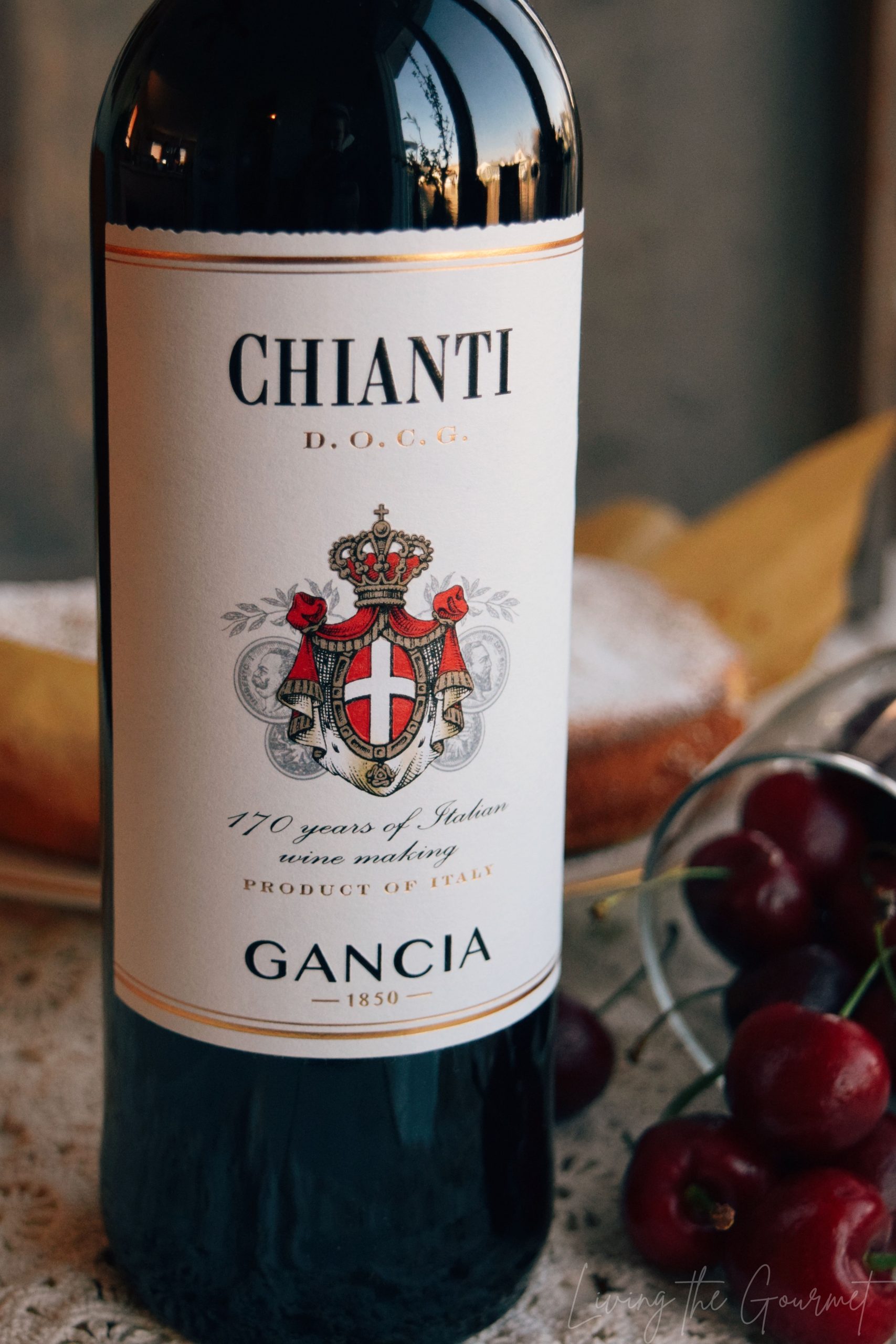
- Guaranteed Quality and Authenticity: The DOCG designation, which includes a government-issued neck label bearing a serial number, signifies a guarantee of origin and quality. This seal acts as a powerful marketing tool, assuring consumers that they are purchasing a product that has met stringent criteria. This assurance is fundamental to building and maintaining brand loyalty in a competitive market.
The Role of Consorzi in Brand Management
The Consorzi, or producer consortia, are instrumental in the collective management and promotion of the Chianti brand. These organizations act as custodians of the brand’s image and interests.
- Marketing and Promotion: Consorzi are actively involved in international marketing campaigns, trade shows, and educational initiatives to promote Chianti wines globally. They create cohesive narratives around the brand, emphasizing its history, quality, and versatility. This unified approach ensures a consistent brand message reaches target audiences.
- Quality Control and Enforcement: Beyond marketing, Consorzi often play a role in monitoring compliance with production regulations and combating counterfeiting. By safeguarding the brand against fraudulent imitations, they protect the market value and consumer trust associated with genuine Chianti.
- Driving Innovation within Tradition: While deeply rooted in tradition, Consorzi also encourage innovation in viticulture and winemaking, ensuring Chianti remains relevant to contemporary palates and market demands. This balance between preserving heritage and adapting to change is crucial for long-term brand health.
Evolving the Narrative: Marketing, Perception, and Modern Brand Strategies
While Chianti boasts a rich history, its continued brand success hinges on its ability to adapt its marketing and narrative to resonate with modern consumers. This involves strategic positioning, effective communication, and an understanding of evolving consumer preferences.
Positioning Chianti in the Global Wine Market
Chianti has historically occupied a specific niche in the wine market, and its positioning continues to be refined.
- The Everyday Classic: For many consumers, Chianti is the quintessential “everyday Italian wine” – a versatile, food-friendly option that offers good value. This positioning makes it accessible and a go-to choice for casual dining and broader market penetration.
- The Premium and Artisan Appeal: Conversely, for enthusiasts, Chianti Classico Riserva and Gran Selezione represent the pinnacle of the brand, offering complexity, aging potential, and a connection to artisanal winemaking. Marketing efforts increasingly highlight these higher-end expressions to elevate the brand’s overall perception.
- Food Pairing as a Core Marketing Pillar: Chianti’s natural affinity with Italian cuisine is a powerful and enduring marketing advantage. Campaigns frequently showcase Chianti paired with classic dishes like pasta, pizza, and roasted meats, reinforcing its role as the perfect companion to a satisfying meal. This sensory association is a highly effective branding tactic.
Adapting to Consumer Trends and Digital Branding
The digital age presents both challenges and opportunities for a traditional brand like Chianti.
- Storytelling and Authenticity: Modern consumers crave authenticity and stories behind the products they buy. Chianti brands are increasingly leveraging digital platforms to share the stories of their vineyards, winemakers, and traditions. This humanizes the brand and creates an emotional connection.
- Digital Marketing and Social Media: Engaging content on social media, collaborations with influencers, and targeted online advertising are crucial for reaching younger demographics. Visual storytelling, showcasing the Tuscan landscape and the winemaking process, is particularly effective.
- Sustainability and Ethical Branding: There is a growing consumer demand for wines produced sustainably and ethically. Chianti producers are increasingly highlighting their efforts in this area, from organic farming practices to water conservation, to appeal to environmentally conscious consumers and enhance the brand’s modern relevance.
- Direct-to-Consumer (DTC) Engagement: The rise of e-commerce and DTC sales models allows individual Chianti producers to connect directly with consumers, offering exclusive wines, virtual tastings, and a more personalized brand experience. This fosters deeper customer relationships and loyalty.
The Enduring Allure of Chianti: A Brand Built on Heritage and Adaptation
In conclusion, “What is Chianti Wine?” is a question that can be answered through the lens of brand strategy. Chianti’s enduring global appeal is not accidental. It is the result of a carefully cultivated brand identity built upon a foundation of exceptional terroir and the noble Sangiovese grape. This identity is further fortified by a stringent regulatory framework that guarantees authenticity and fosters trust.
The brand’s architecture, characterized by its DOC/DOCG classifications and the proactive management of its Consorzi, ensures consistency and protects its premium status. Furthermore, Chianti demonstrates a remarkable ability to evolve. By strategically positioning itself as both an accessible everyday wine and a sophisticated artisanal product, and by embracing modern marketing techniques, particularly in the digital space, Chianti continues to captivate consumers worldwide. It is a compelling testament to how heritage, quality, and strategic adaptation can create a lasting and universally recognized brand in the competitive global marketplace. The “Chianti” label, therefore, represents not just a wine, but a rich tapestry of Italian culture, craftsmanship, and enduring brand excellence.
aViewFromTheCave is a participant in the Amazon Services LLC Associates Program, an affiliate advertising program designed to provide a means for sites to earn advertising fees by advertising and linking to Amazon.com. Amazon, the Amazon logo, AmazonSupply, and the AmazonSupply logo are trademarks of Amazon.com, Inc. or its affiliates. As an Amazon Associate we earn affiliate commissions from qualifying purchases.