
The pursuit of “cheap” car insurance is a common financial goal for many vehicle owners, driven by the desire to minimize fixed monthly expenses. However, the term “cheap” in the context of car insurance is far more nuanced than simply finding the lowest premium. True affordability in car insurance involves a delicate balance between cost, comprehensive coverage, and long-term financial security. Understanding what constitutes genuinely cheap car insurance requires a deep dive into how premiums are calculated, the types of coverage available, and the strategies savvy consumers employ to optimize their policies without compromising essential protection.
Defining “Cheap” in Car Insurance: Beyond the Lowest Premium
When people search for cheap car insurance, their initial inclination is often to find the policy with the lowest quoted price. While a low premium is undeniably appealing, it’s crucial to understand that the cheapest policy might not always be the most cost-effective or financially prudent in the long run. The true value of a car insurance policy is revealed when an incident occurs, and inadequate coverage can lead to devastating out-of-pocket expenses far exceeding any premium savings.
The Nuance of Value vs. Price
A truly “cheap” car insurance policy provides optimal value, meaning it offers sufficient coverage for your specific needs at the most competitive price point. This involves assessing your financial risk tolerance, the value of your vehicle, your driving habits, and your local legal requirements for minimum coverage. For instance, a policy with a low monthly premium but a high deductible might seem cheap initially, but the high deductible could be a significant financial burden after an accident. Conversely, a slightly higher premium for comprehensive coverage might prevent bankruptcy in the event of a total loss or a severe liability claim.
Minimum Coverage vs. Comprehensive Protection
Every state mandates a minimum level of car insurance, primarily liability coverage, to protect other drivers and their property in an accident where you are at fault. Opting for only the state-mandated minimums will almost always result in the lowest possible premium. However, this minimalist approach leaves you exposed to significant financial risk. Minimum coverage typically does not cover damages to your own vehicle, medical expenses for yourself or your passengers, or incidents like theft, vandalism, or natural disasters. For many, especially those with newer vehicles or limited emergency funds, relying solely on minimum coverage is a false economy that can lead to substantial financial hardship. “Cheap” car insurance, therefore, should ideally include a robust combination of liability, collision, and comprehensive coverage, tailored to mitigate your specific risks effectively.
Core Factors That Drive Your Insurance Costs
Understanding the variables that influence car insurance premiums is the first step toward finding genuinely affordable rates. Insurance providers assess a multitude of factors to determine your risk profile and, consequently, your premium.
Personal Profile and Driving History
Your personal characteristics play a significant role. Your age, gender, marital status, and even your occupation can influence rates, as statistical data links these demographics to varying accident risks. Most importantly, your driving record is paramount. A history of accidents, traffic violations (speeding tickets, DUIs), or past claims will invariably lead to higher premiums. Conversely, a clean driving record, especially over several years, is one of the most powerful tools for securing lower rates. Insurers often reward safe drivers with preferred pricing and discounts.
Vehicle Type and Features
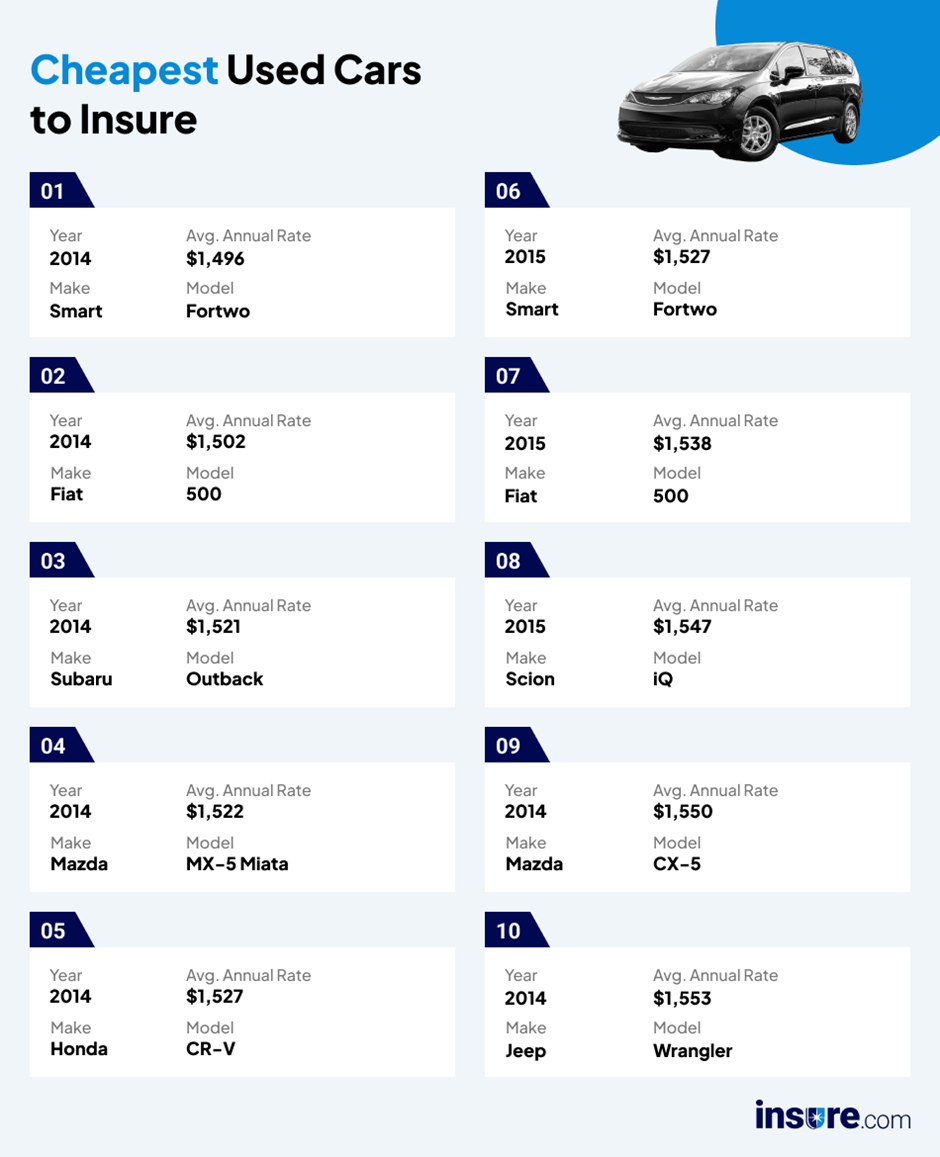
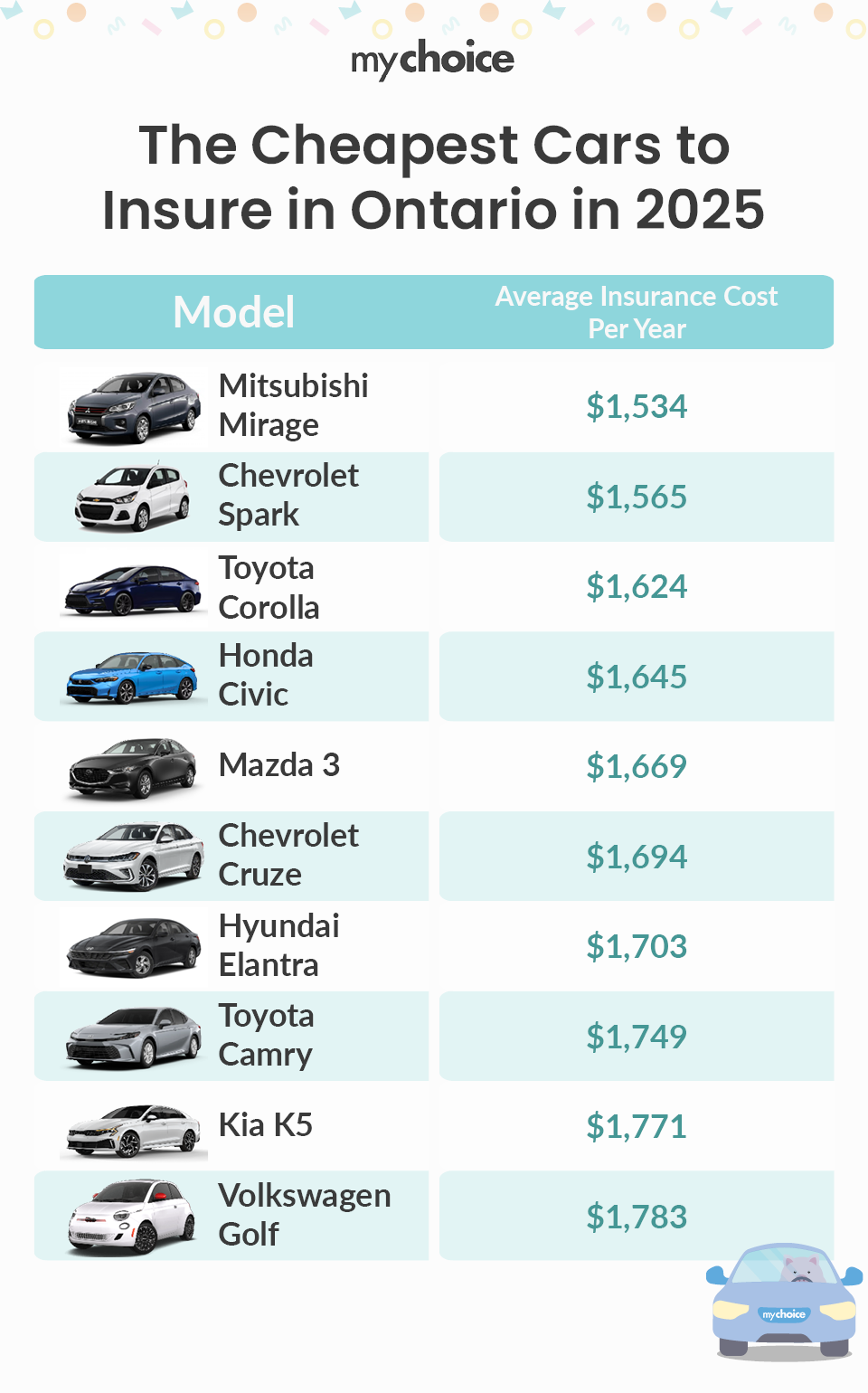
The make, model, year, and body type of your car directly impact insurance costs. High-performance vehicles, luxury cars, or those with expensive parts tend to have higher premiums due to the increased cost of repairs or replacement. Similarly, cars that are frequently stolen or have a poor safety rating may also command higher rates. Conversely, vehicles with excellent safety features, anti-theft devices, and a strong track record for reliability can often qualify for lower premiums. The cost of parts and labor for repairs also factors into the equation.
Location and Usage
Where you live and how you use your vehicle significantly affect your insurance rates. Urban areas with higher traffic density, greater rates of theft, and more frequent accidents typically have higher premiums than rural or suburban areas. Your daily commute distance, annual mileage, and whether you use your car for business or pleasure are also considered. Less driving generally translates to lower risk and, thus, lower premiums. Parking your vehicle in a secure garage overnight versus on the street can also lead to savings.
Deductibles and Coverage Limits
The deductible is the amount you agree to pay out-of-pocket before your insurance coverage kicks in for a claim. Policies with higher deductibles (e.g., $1,000) typically have lower premiums because you assume more of the initial financial risk. Conversely, policies with lower deductibles (e.g., $250) result in higher premiums. Coverage limits define the maximum amount your insurer will pay for a claim. Opting for higher liability limits, while increasing your premium, provides greater financial protection against catastrophic claims, safeguarding your assets.
Actionable Strategies for Reducing Premiums
Armed with an understanding of how premiums are set, you can employ several actionable strategies to secure more affordable car insurance without sacrificing essential coverage.
Shop Around and Compare Quotes
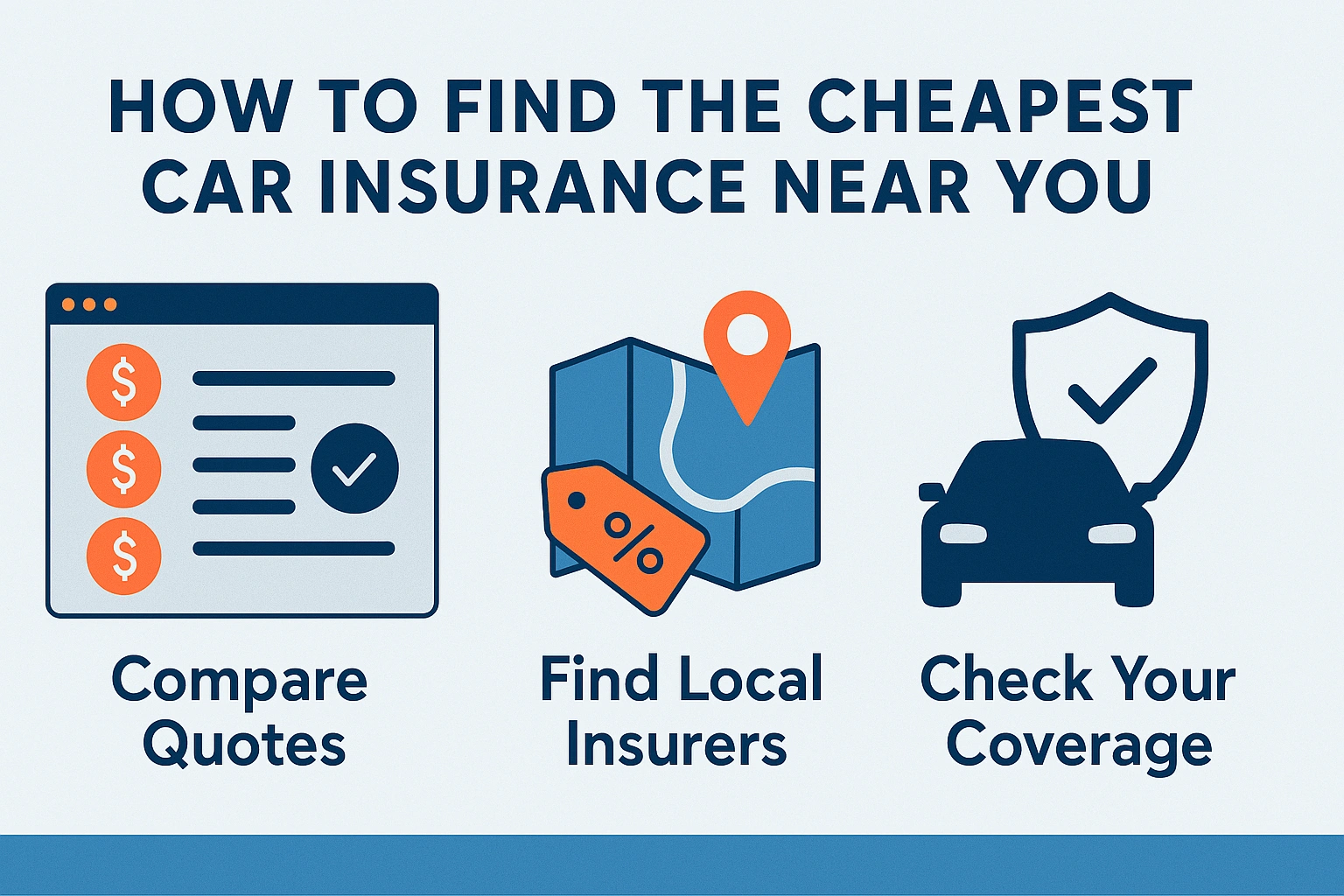
This is perhaps the single most effective strategy for finding cheap car insurance. Insurance markets are highly competitive, and different companies use varying algorithms and risk assessment models. What one insurer considers high risk, another might view more favorably. Obtain quotes from multiple providers—at least three to five—including major national companies, regional insurers, and online-only platforms. Use independent insurance brokers who can access rates from several companies simultaneously, saving you time and effort. Re-evaluate your policy and compare quotes annually or whenever a significant life event occurs, such as moving, getting married, or purchasing a new car.
Leverage Discounts
Insurance companies offer a wide array of discounts that can significantly reduce your premiums. Proactively inquire about all available discounts:
-
Bundling: Combining your auto insurance with other policies, such as home, renters, or life insurance, often yields a substantial multi-policy discount.
-
Good Driver/Safe Driver: Maintaining a clean driving record for a specified period (e.g., 3-5 years) can earn you a discount. Some insurers offer telematics programs where they monitor your driving habits via an app or device, rewarding safe driving with lower rates.
-
Good Student: If you or a driver on your policy is a full-time student with good grades (typically a B average or higher), you may qualify for a discount.
-
Anti-Theft Devices: Installing approved anti-theft systems or tracking devices can lead to savings.
-
Safety Features: Cars equipped with advanced safety features like anti-lock brakes, airbags, adaptive cruise control, or lane-keeping assist may qualify for discounts.
-
Payment Options: Paying your premium in full or setting up automatic payments can sometimes result in small discounts.
-
Low Mileage: If you drive fewer miles than the average driver, you might be eligible for a low-mileage discount.
Adjusting Coverage Wisely
Review your coverage levels periodically. If your car is older and paid off, the cost of collision and comprehensive coverage might outweigh the potential payout if the car were totaled. In such cases, dropping these coverages could be a financially sound decision, though you’d be responsible for repair or replacement costs yourself. For newer vehicles, consider increasing liability limits beyond the state minimums to adequately protect your assets in a serious accident.
Improve Your Credit Score
In many states, insurance companies use a credit-based insurance score as a factor in determining premiums. A higher credit score often correlates with a lower risk profile in the eyes of insurers, leading to lower rates. Maintaining good credit habits, such as paying bills on time and keeping credit utilization low, can positively impact your insurance costs over time.
Consider a Higher Deductible
As discussed, increasing your deductible can lower your monthly premiums. This strategy works best if you have a robust emergency fund that can easily cover the higher deductible amount should you need to file a claim. It’s a way to self-insure a portion of the risk in exchange for immediate premium savings.
When Low Cost Becomes a High Risk: The Dangers of Underinsurance
While the pursuit of cheap car insurance is financially prudent, it’s critical to avoid the pitfall of underinsurance. A policy that seems cheap on the surface can quickly become astronomically expensive if it fails to provide adequate protection when you need it most.
Financial Exposure in Accidents
If you are involved in an accident and your liability coverage limits are too low, you could be personally responsible for the remaining damages and medical costs of the other parties involved. This can quickly escalate to tens or even hundreds of thousands of dollars, potentially leading to lawsuits, wage garnishment, and even bankruptcy. The initial savings from a bare-bones liability policy will be insignificant compared to the financial fallout.
The True Cost of Inadequate Coverage
Beyond liability, inadequate collision or comprehensive coverage means you’ll bear the full cost of repairing or replacing your own vehicle if it’s damaged or stolen. For many individuals, replacing a vehicle out-of-pocket is not feasible without significant financial strain. Similarly, foregoing uninsured/underinsured motorist coverage, which protects you if an at-fault driver has no or insufficient insurance, leaves you vulnerable to their financial irresponsibility. The “cheap” premium suddenly looks very expensive when faced with these realities.
Long-Term Financial Planning for Car Insurance
Finding cheap car insurance is not a one-time event but an ongoing financial management task. Proactive planning and regular policy reviews ensure you maintain optimal coverage at the best possible price.
Regular Policy Review
Life circumstances change, and so should your insurance policy. Review your coverage needs annually or after significant life events such as buying a new car, getting married, moving, adding a teenage driver to your policy, or paying off a loan. Your current insurer may offer new discounts, or your changing needs might mean a different provider can offer better value.
Maintaining a Good Driving Record
Consistently practicing safe driving habits is the most sustainable way to keep your insurance costs down. A clean driving record not only qualifies you for good driver discounts but also helps maintain your risk profile as a preferred customer, making you attractive to all insurers. Avoiding accidents and traffic violations prevents surcharges and keeps your premiums stable or decreasing over time.
Ultimately, “cheap” car insurance is not about settling for the lowest premium, but rather about strategically securing comprehensive protection at the most competitive price. It requires diligent research, an understanding of risk, and a commitment to ongoing financial due diligence to ensure your policy truly serves as a safeguard rather than a liability.
aViewFromTheCave is a participant in the Amazon Services LLC Associates Program, an affiliate advertising program designed to provide a means for sites to earn advertising fees by advertising and linking to Amazon.com. Amazon, the Amazon logo, AmazonSupply, and the AmazonSupply logo are trademarks of Amazon.com, Inc. or its affiliates. As an Amazon Associate we earn affiliate commissions from qualifying purchases.