
In the intricate world of personal and business finance, certain strings of numbers act as the silent engines driving our daily transactions. Among the most critical of these is the ABA number—often referred to as a routing transit number (RTN). If you are a Chase Bank customer, understanding what your Chase ABA number is, where to find it, and how it functions is not just a matter of administrative curiosity; it is a fundamental component of managing your liquidity, securing your income, and ensuring the smooth operation of your financial life.
An ABA number is far more than a random sequence of digits. It is a unique identifier assigned by the American Bankers Association that tells the entire financial system exactly where your money should go. For Chase customers, navigating these numbers can sometimes be complex, as the bank utilizes different routing numbers based on the state where the account was opened and the specific type of transaction being performed.
The Fundamentals of the ABA Routing Number System
The American Bankers Association (ABA) developed the routing number system in 1910 to bring order to the processing of paper checks. Over a century later, this nine-digit code remains the backbone of the United States payment system, facilitating everything from traditional check clearing to high-speed electronic transfers.
The Anatomy of a Nine-Digit Routing Number
To understand your Chase routing number, it helps to know how it is constructed. The nine digits are not arbitrary; they follow a specific formula designed to prevent errors and fraud. The first four digits represent the Federal Reserve routing symbol, indicating the geographic location of the bank. The next four digits represent the specific financial institution—in this case, JPMorgan Chase. The final digit is a “check digit,” calculated using a complex mathematical formula involving the first eight digits. If a single number is typed incorrectly during a wire transfer or direct deposit setup, the check digit will fail to validate, often stopping the transaction before the funds are sent to the wrong destination.
Why the ABA Number is Essential for Personal Finance
In the context of personal finance management, the ABA number is the “address” of your bank account. Without it, the financial grid cannot locate your specific branch or institution. Whether you are setting up a new side hustle and need to receive payments via ACH, or you are moving your primary salary to a Chase Total Checking account, the ABA number is the primary key that unlocks these movements of capital. It ensures that funds move through the Clearing House Interbank Payments System (CHIPS) or the Automated Clearing House (ACH) network with precision.
The Distinction Between Routing and Account Numbers
A common point of confusion for those new to financial management is the difference between a routing number and an account number. While the ABA routing number identifies the bank (Chase), your account number identifies your specific “bucket” of money within that bank. For a transaction to be successful, both pieces of information must be accurate. Think of the routing number as the zip code and the account number as the street address; you need both for the “mail” (your money) to arrive at the correct doorstep.
Finding and Verifying Your Specific Chase Bank ABA Number
Chase is one of the largest financial institutions in the world, and because of its history of mergers and acquisitions, it does not use a single routing number for every customer. Your specific Chase ABA number is determined primarily by the state in which you opened your account.
Locating the Number on a Physical Check
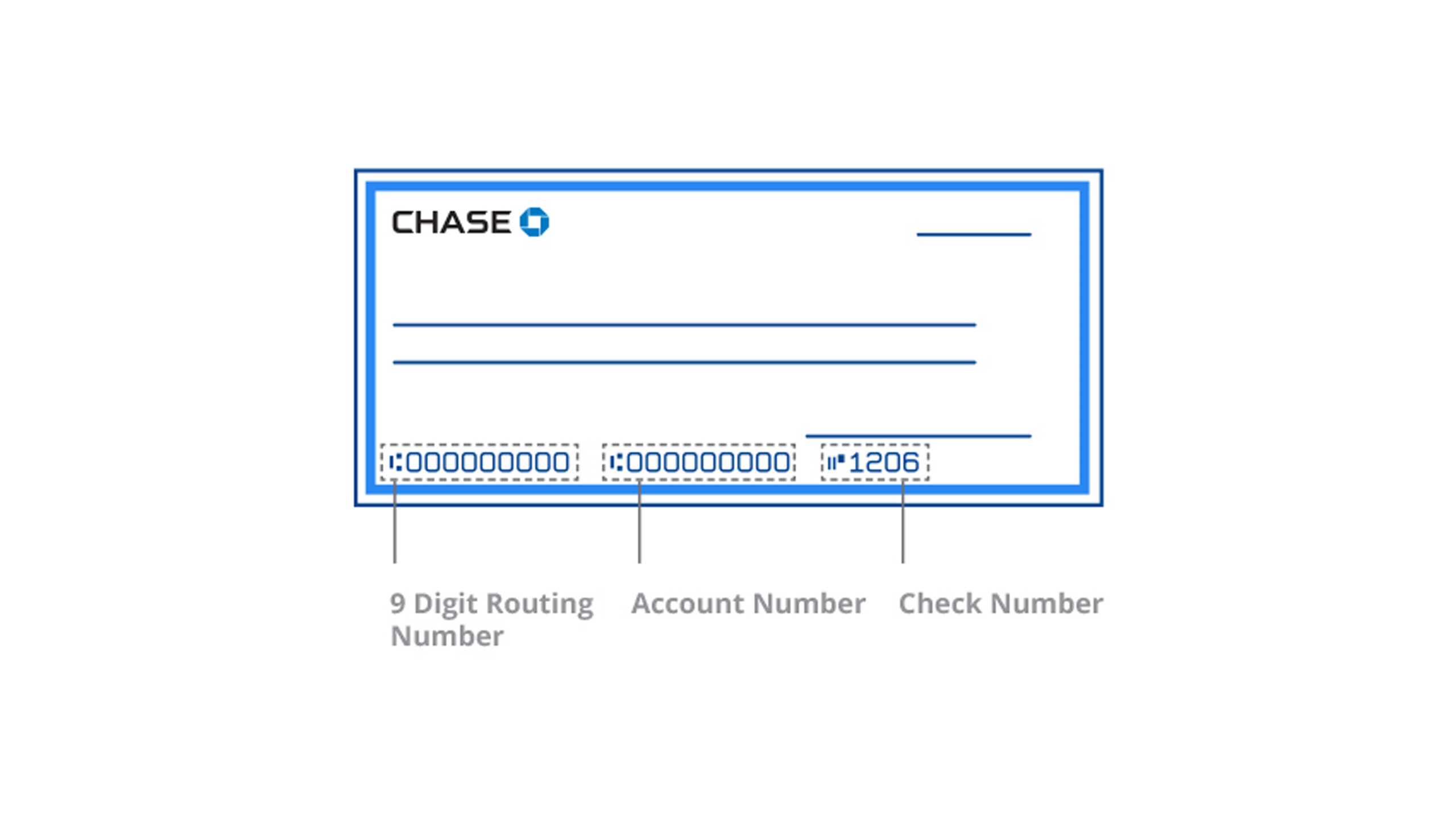
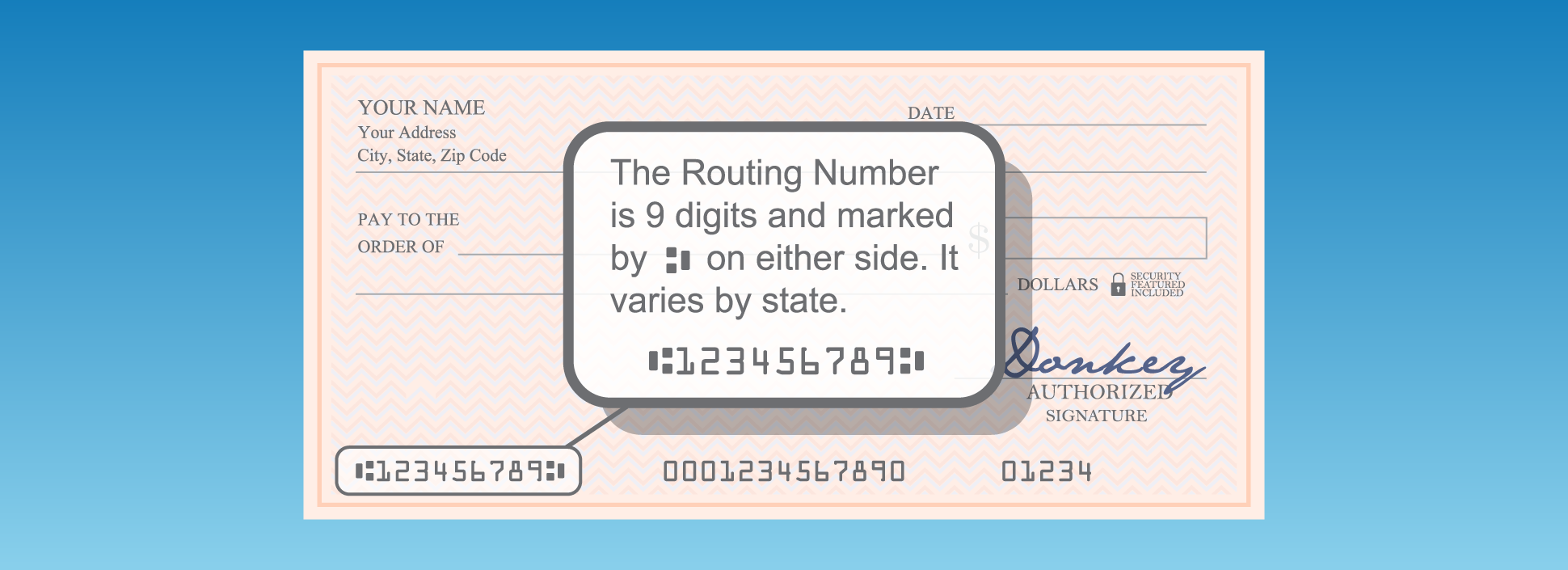
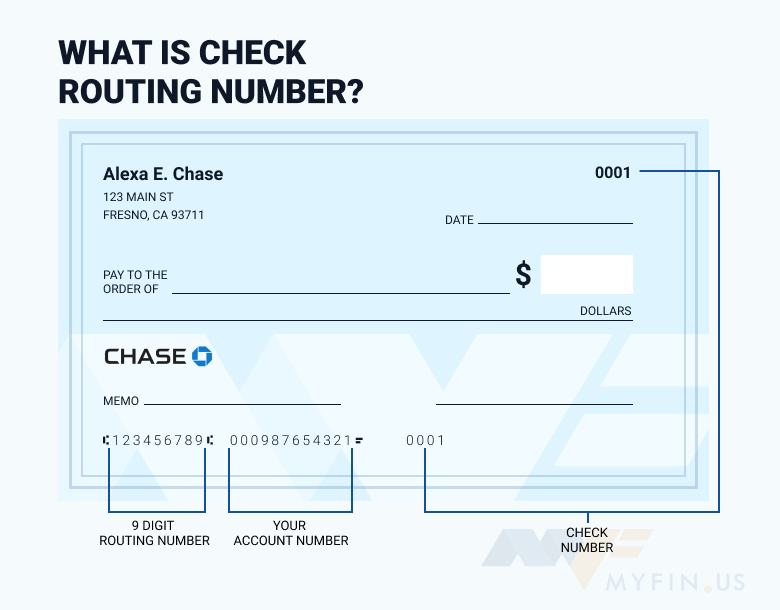
The most traditional way to find your routing number is by looking at a physical check associated with your Chase account. At the bottom of every check, you will see a string of numbers printed in special MICR (Magnetic Ink Character Recognition) font. The routing number is the nine-digit sequence located on the far left. It is followed by your account number and then the specific check number. For many Chase customers, especially those managing business finances, keeping a voided check on hand is a standard practice for verifying this information for vendors or payroll providers.
Utilizing the Chase Mobile App and Online Banking
In the modern era of digital finance, most users access their banking details via the Chase Mobile app or the Chase website. Once logged in, you can typically find your routing number by clicking on the specific account (Checking or Savings) and looking under “Account Details” or “Show Details.” Chase often provides two different numbers: one for “Electronic” transfers (ACH) and one for “Wire” transfers. It is a critical financial habit to ensure you are selecting the correct one, as using an ACH routing number for a domestic wire transfer can lead to delays or rejected transactions.
State-Specific Variations and Regional Routing
Because Chase has acquired various regional banks over the decades, the routing number for an account opened in New York will differ from one opened in California or Texas. If you move to a different state but keep your original account open, your routing number remains tied to the state where the account originated. This is a vital detail for individuals who move frequently; your “home” branch’s geographic location dictates your ABA number for the life of that specific account.
Strategic Uses of the Chase ABA Number in Wealth Management
Beyond simple transfers, the Chase ABA number is a tool for optimizing your financial strategy. Understanding how to use this number allows you to automate your wealth-building processes and manage business expenses with greater professionality.
Automating Direct Deposits and “Paying Yourself First”
The most effective way to grow personal wealth is through the “pay yourself first” principle. By providing your Chase ABA number and account number to your employer’s payroll department, you can split your direct deposit. You might direct 80% of your income to your checking account for monthly expenses and 20% directly into a Chase savings or investment account. This automation, powered by the ABA system, removes the psychological barrier to saving.
Managing High-Value Domestic and International Wires
For significant financial milestones—such as paying a down payment on a home or settling a large business invoice—you will likely use a wire transfer. Chase requires a specific routing number for domestic wires that may differ from the one used for your monthly utility bill. Using the correct wire routing number ensures that the funds are processed through the Fedwire system, which offers near-instantaneous settlement. For international transfers, you will transition from using an ABA number to using a SWIFT or BIC code, which is the international equivalent for identifying banks across borders.
Setting Up Automatic Bill Pay and Avoiding Fees
Financial health is often a game of avoiding unnecessary leaks, such as late fees or overdraft charges. By linking your Chase ABA number to your credit card providers, utility companies, and mortgage lenders, you create a seamless flow of capital. This “push and pull” of funds relies entirely on the accuracy of the routing number. Professional financial management involves auditing these connections at least once a year to ensure that all automated payments are hitting the correct accounts.
Security Protocols: Protecting Your Banking Identity
In an era of increasing digital fraud, your ABA number and account number are sensitive pieces of data. While a routing number itself is public knowledge (anyone can look up Chase’s routing numbers online), the combination of your routing and account numbers can be used by bad actors to initiate unauthorized ACH withdrawals.
Safeguarding Your MICR Information
You should treat the bottom of your checks with the same level of security as you do your Social Security number. Shredding old checks and being cautious about whom you provide your banking “address” to are essential steps in maintaining financial integrity. When setting up new payment links, ensure you are using secure, encrypted portals rather than sending your Chase ABA and account numbers via unencrypted email.
Monitoring for Unauthorized ACH Transactions
Because the ABA system allows for “pull” transactions (where a company withdraws money from your account), it is vital to monitor your Chase statements regularly. Chase provides “Account Alerts” that can notify you via text or email whenever an ACH transfer is initiated. This is a powerful tool for the proactive investor or business owner, allowing you to spot and dispute unauthorized movements of money immediately.
The Role of Positive Pay for Business Accounts
For business owners using Chase, the bank offers services like “Positive Pay.” This is a fraud-prevention system where the business provides Chase with a list of the exact checks and amounts they have authorized. When a check is presented for payment using the business’s ABA and account number, Chase verifies it against the list. If it doesn’t match, the bank flags it. This highlights how the ABA number, while a tool for convenience, must be managed with professional-grade security measures.
Conclusion: The ABA Number as a Tool for Financial Clarity
The Chase Bank ABA number is much more than a technical requirement; it is a fundamental pillar of your financial infrastructure. Whether you are a young professional setting up your first direct deposit, an entrepreneur managing corporate cash flow, or an investor moving capital into the markets, these nine digits are what make your financial goals possible.
By mastering the nuances of your routing number—knowing where to find it, understanding the difference between ACH and wire transfers, and implementing strict security measures—you position yourself as a sophisticated manager of your own wealth. In the modern economy, precision is a form of power. Knowing your Chase ABA number inside and out ensures that your money is always exactly where it needs to be, working for you.
aViewFromTheCave is a participant in the Amazon Services LLC Associates Program, an affiliate advertising program designed to provide a means for sites to earn advertising fees by advertising and linking to Amazon.com. Amazon, the Amazon logo, AmazonSupply, and the AmazonSupply logo are trademarks of Amazon.com, Inc. or its affiliates. As an Amazon Associate we earn affiliate commissions from qualifying purchases.