
In the intricate world of finance, where every digit plays a crucial role, understanding fundamental identifiers is paramount. Among these, the ABA Routing Transit Number stands as a cornerstone of domestic banking operations in the United States. For customers of JPMorgan Chase Bank, commonly known as Chase, knowing your specific Chase ABA number is not just a matter of trivia; it’s a practical necessity for managing everything from direct deposits to bill payments. This comprehensive guide will demystify the Chase ABA number, explaining its purpose, how to find it, why it’s essential, and crucial considerations for its use.
Understanding the Foundation: What is an ABA Routing Number?
At its core, an ABA Routing Transit Number (RTN), often simply called a routing number, is a nine-digit code that identifies a financial institution in the United States. Established by the American Bankers Association (ABA) in 1910, its primary purpose is to facilitate the routing of electronic and paper transactions between banks. Think of it as the bank’s address, ensuring that funds transferred digitally or via checks land in the correct financial institution.
The Purpose and Importance of Routing Numbers
The routing number serves as a critical identifier for various financial transactions. When you write a check, the routing number tells the receiving bank where to send the request for funds. In the digital age, its role has expanded significantly. It’s indispensable for Automated Clearing House (ACH) transactions – the electronic network used for direct deposits, automatic bill payments, and electronic funds transfers (EFTs). Without this unique identifier, the vast network of interbank transfers would grind to a halt, leading to confusion and financial chaos. It’s the invisible backbone supporting the daily flow of billions of dollars across countless transactions.
The Structure of a 9-Digit Identifier
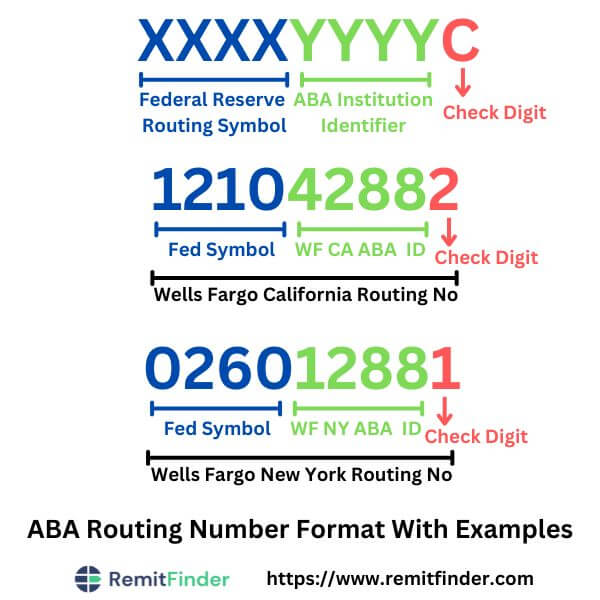
Every ABA routing number consists of nine digits, each block serving a specific purpose:
- First Four Digits: Identify the Federal Reserve processing center where the bank is located.
- Next Four Digits: Identify the specific financial institution.
- Ninth Digit: A check digit used to validate the entire number, preventing common errors during manual entry. This digit uses a specific algorithm to ensure the first eight digits are valid, adding an extra layer of security and accuracy to the routing process. This validation step is crucial in preventing misdirected funds, which can lead to significant headaches for both banks and customers.
Distinguishing Routing Numbers from Account Numbers and SWIFT Codes
It’s vital not to confuse the ABA routing number with other financial identifiers:
- Account Number: Your personal account number identifies your specific account within a bank. While a routing number points to the bank, the account number points to your individual checking, savings, or business account at that bank. Both are necessary for a transaction to be successful, but they serve distinct purposes.
- SWIFT Code (BIC): The Society for Worldwide Interbank Financial Telecommunication (SWIFT) code, also known as a Bank Identifier Code (BIC), is used for international wire transfers. While a routing number is strictly for domestic U.S. transactions, a SWIFT code is required to send or receive money from outside the United States. Chase, like other major banks, has its own SWIFT codes for international dealings, which are different from its ABA routing numbers.
Finding Your Chase ABA Routing Number
For Chase customers, locating the correct ABA routing number is straightforward, though it might vary slightly depending on the specific transaction type or the geographic region where your account was opened.
Locating it on Your Chase Checks
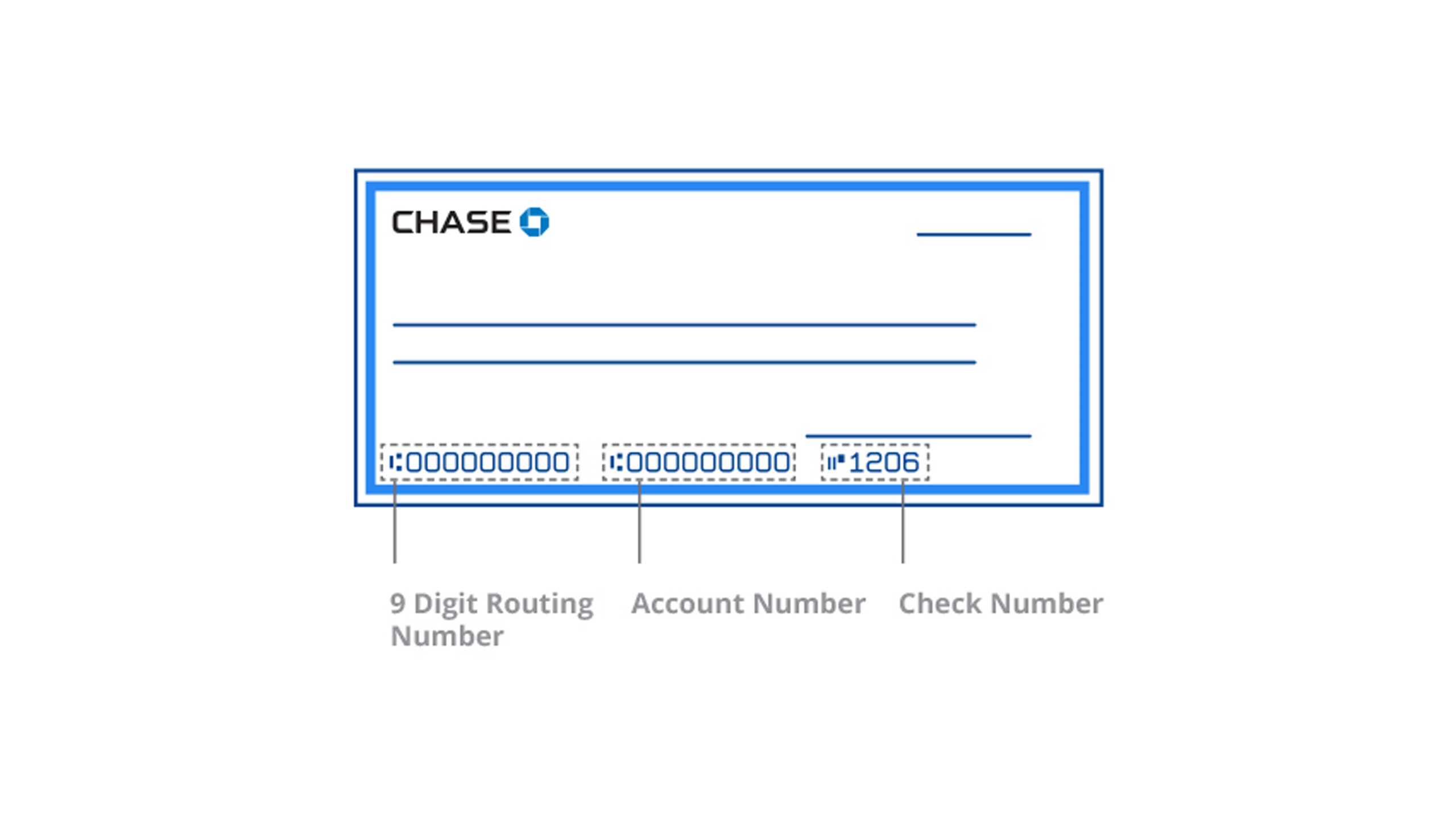
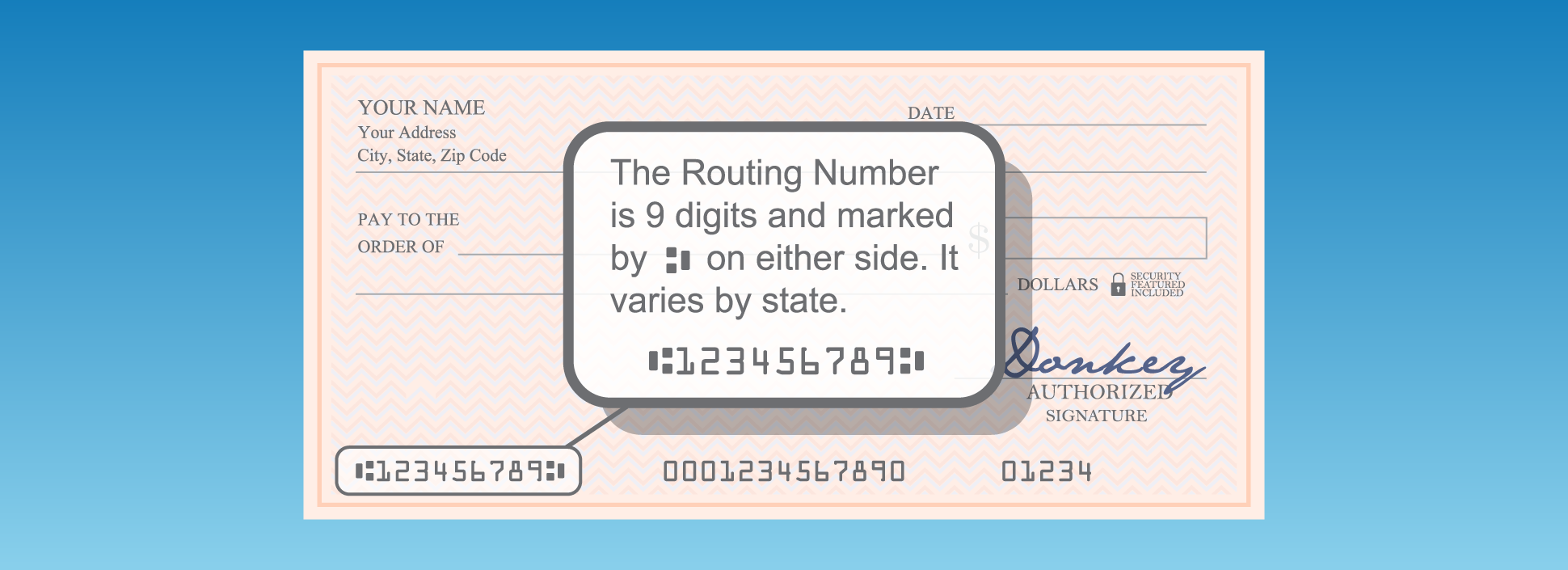
The most traditional and often easiest way to find your Chase routing number is by looking at a physical check. On the bottom left-hand side of your Chase checks, you will typically find three sets of numbers. From left to right, these are usually:
- The 9-digit ABA routing number.
- Your account number.
- The check number.
Always verify that the routing number you use matches the checks issued for your specific account, as this ensures it’s tied to your particular branch or region.
Utilizing Chase Online Banking and Mobile App
In the digital age, accessing your routing number through online platforms is highly convenient:
- Chase Online Banking: Log into your Chase online account. Navigate to your account details or statements. Often, the routing number associated with your account will be displayed alongside your account number. You may need to click on a specific account to view its details.
- Chase Mobile App: Similarly, the Chase mobile app provides quick access. After logging in, select the specific account you need the routing number for (e.g., checking, savings). Look for an option like “Account Details” or “Show more” where your routing number will be listed.
These digital methods are not only quick but also ensure you’re getting the most up-to-date information directly from the bank.
Contacting Chase Customer Service
If you’re unable to find your routing number through checks or online platforms, or if you need to confirm it for a complex transaction, contacting Chase customer service is always an option. You can call their dedicated support line, and after verifying your identity, a representative will be able to provide you with the correct routing number for your account. This method is particularly useful if you no longer have physical checks or are experiencing technical difficulties with online access.
Specific Routing Numbers for Different Transaction Types
It’s important to note that Chase, like some other large banks, may use different routing numbers for different purposes or regions. While most common ACH transactions (like direct deposit) will use a standard routing number, certain specific scenarios might require a different one:
- Wire Transfers: For domestic wire transfers, Chase might use a slightly different routing number than for standard ACH transactions. It’s crucial to confirm the specific routing number for wire transfers, either through your online account, by checking with a Chase representative, or on Chase’s official website. Misusing a standard ACH routing number for a wire transfer can cause significant delays or even rejection of funds.
- Branch-Specific Numbers: Historically, some banks maintained different routing numbers for specific branches. While Chase has largely consolidated these, some legacy accounts might still be tied to a regional or branch-specific number. Always verify the number with your specific account details.
Why You Need Your Chase ABA Number
The Chase ABA number is not just an identifier; it’s a key that unlocks a multitude of financial services and capabilities, streamlining how you manage your money.
Setting Up Direct Deposit
Perhaps the most common use case, your Chase ABA number is essential for setting up direct deposit of your paycheck, government benefits, or tax refunds. Your employer or benefit provider will typically ask for both your Chase routing number and your specific account number to ensure your funds are deposited directly and securely into your chosen account. This eliminates the need for physical checks and speeds up access to your funds.
Initiating Bill Payments and Automated Transfers
When you set up automatic bill payments for utilities, loans, credit cards, or subscription services, you’ll often need to provide your Chase routing number along with your account number. This enables the payee to pull funds directly from your Chase account via the ACH network. Similarly, if you want to set up recurring transfers between your Chase accounts and accounts at other banks (e.g., transferring money to a brokerage account or a savings account at another institution), the routing number is indispensable.
Facilitating Domestic Wire Transfers
For larger, time-sensitive domestic money transfers, wire transfers are often preferred. To send a domestic wire to a Chase account, the sender will need Chase’s specific wire transfer routing number, along with the recipient’s name, address, and account number. To receive a domestic wire into your Chase account, you’ll need to provide the sender with your Chase wire routing number and your account details. These transactions are typically processed faster than ACH transfers but often incur higher fees.
Connecting Third-Party Financial Apps and Services
Many popular financial technology (fintech) apps and services, such as budgeting tools, investment platforms, or peer-to-peer payment services, require you to link your bank account. When doing so, you’ll almost always be prompted to enter your bank’s routing number and your account number. This allows these apps to securely verify your account and facilitate transactions, such as transferring funds to an investment portfolio or loading money into a digital wallet.
Avoiding Common Mistakes and Delays
Using the wrong routing number can lead to significant inconveniences. Funds might be returned to the sender, delayed by several business days, or in rare cases, even sent to the wrong account (though robust systems are in place to prevent this). Verifying your Chase ABA number before initiating any transaction can save you time, stress, and potential financial headaches. Double-checking every digit is a simple but highly effective practice in personal finance management.
Special Considerations for Chase ABA Numbers
While the general principles of routing numbers apply, specific nuances related to Chase’s extensive operations warrant attention.
Branch-Specific vs. Regional Routing Numbers
Historically, banks often had unique routing numbers for individual branches. However, as banks grew and consolidated, many, including Chase, moved towards regional or even single nationwide routing numbers for most standard transactions to simplify operations. For Chase, most retail checking and savings accounts opened in a particular state or region will share the same routing number for ACH transactions. However, if your account is very old or set up under unique circumstances, it’s always best to verify. For wire transfers, specific routing numbers might still be tied to the bank’s main operational centers rather than individual branches.
Routing Numbers for Different Account Types
Typically, the routing number will be the same whether it’s a personal checking, savings, or business checking account within the same region for standard ACH purposes. However, specific types of accounts, such as certain corporate accounts or specialized trust accounts, might have unique identifiers. It’s always advisable to confirm the routing number directly for the specific account in question, especially for business operations where accuracy is critical.
What About International Transactions? (SWIFT vs. ABA)
As mentioned earlier, ABA routing numbers are strictly for domestic U.S. transactions. If you need to send or receive money internationally to or from your Chase account, you will need Chase’s SWIFT (Society for Worldwide Interbank Financial Telecommunication) code, also known as a BIC (Bank Identifier Code). Chase has specific SWIFT codes, which are entirely different from its ABA routing numbers. For example, a common Chase SWIFT code might be CHASUS33. Always confirm the correct SWIFT code with Chase for international transfers to ensure funds reach their destination without issue. Providing an ABA number for an international transfer will result in the transaction being rejected.
Safeguarding Your Financial Information
While your Chase ABA number is a public identifier for the bank, it’s part of your overall financial profile. Understanding when and how to share it responsibly is key to maintaining financial security.
When and How to Share Your ABA Number
You generally need to share your Chase ABA number (along with your account number) when:
- Setting up direct deposit with an employer or government agency.
- Initiating automated bill payments.
- Linking your bank account to reputable financial apps.
- Receiving domestic wire transfers.
Always ensure you are sharing this information with trusted entities through secure channels. Avoid sharing it over unsecured public Wi-Fi or in response to unsolicited emails or messages.
Recognizing Potential Scams
While a routing number alone isn’t enough for someone to drain your bank account, combined with your account number and other personal information, it could potentially be exploited. Be wary of phishing attempts where scammers try to trick you into revealing your banking details. Chase will never ask for your full account number, routing number, or password via unsolicited email or text message. Always verify the legitimacy of any request for your banking information. If something feels suspicious, contact Chase directly using a verified phone number or website.
Best Practices for Account Security
- Monitor your accounts: Regularly review your Chase account statements and transaction history for any unauthorized activity.
- Strong passwords: Use strong, unique passwords for your online banking and enable two-factor authentication.
- Official sources: Always retrieve your routing number from official Chase sources: physical checks, their official website, online banking portal, or mobile app.
- Shred old documents: When discarding old checks or bank statements, shred them to prevent your banking details from falling into the wrong hands.
In conclusion, the Chase ABA routing number is a fundamental component of the U.S. financial system, essential for countless daily transactions. By understanding its purpose, knowing how to accurately locate it, and using it responsibly, Chase customers can navigate their financial lives with greater confidence, efficiency, and security. It’s a small nine-digit code with a massive impact on personal and business finance.
aViewFromTheCave is a participant in the Amazon Services LLC Associates Program, an affiliate advertising program designed to provide a means for sites to earn advertising fees by advertising and linking to Amazon.com. Amazon, the Amazon logo, AmazonSupply, and the AmazonSupply logo are trademarks of Amazon.com, Inc. or its affiliates. As an Amazon Associate we earn affiliate commissions from qualifying purchases.