
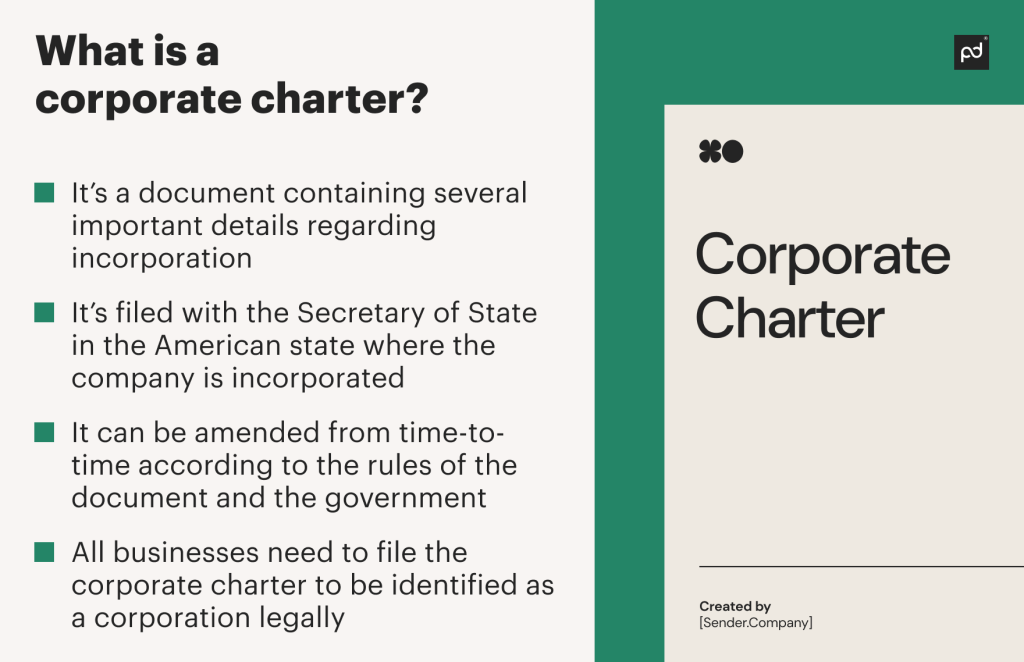
Charter government represents a foundational approach to local governance, offering municipalities a framework for self-determination that profoundly influences their financial management, economic development, and overall fiscal health. Unlike general law governments, which operate under statutes prescribed by state legislatures, a charter government derives its authority and structure from a locally adopted “charter” – essentially a city or county constitution. This document delineates the powers, responsibilities, organizational structure, and often, the financial parameters within which the local government must operate. For businesses, investors, and residents, understanding the financial implications of a charter government is crucial, as it directly impacts everything from local tax rates and business regulations to infrastructure funding and economic stability.

Defining Charter Government: A Foundation for Fiscal Autonomy
The essence of charter government lies in its capacity to provide tailored governance, which invariably extends to its financial powers and responsibilities. This localized control over its operational blueprint gives charter governments a distinct advantage in shaping their fiscal future.
The Core Concept: Local Governance Defined by Charter
At its heart, a charter defines a local government’s identity. It specifies the form of government (e.g., mayor-council, council-manager), the election process, the duties of officials, and the fundamental administrative procedures. Crucially, it empowers the local community to decide these parameters, rather than having them dictated by state law. This autonomy allows a charter city or county to implement systems and policies uniquely suited to its local economic landscape and demographic needs. For example, a municipality with a thriving tech industry might establish specific economic development agencies or tax incentives outlined in its charter to foster further growth, an option less readily available or as flexible under general law. This foundational difference underpins how a government approaches everything from long-term financial planning to day-to-day budget allocations.
Empowering Local Financial Decision-Making
Perhaps the most significant financial aspect of charter government is the expanded authority it grants over local finance. Charters can specify how a government raises revenue, manages debt, and allocates expenditures. This often includes explicit powers to:
- Levy and Collect Taxes: Charters can detail the types of taxes allowed (property, sales, utility, specific local fees) and sometimes the maximum rates, providing a predictable revenue stream or the flexibility to adjust rates in response to economic conditions.
- Issue Bonds and Manage Debt: A charter typically outlines the procedures and limits for issuing municipal bonds, which are critical for funding major capital projects like roads, schools, and public utilities. This financial tool is essential for long-term infrastructure investment that supports economic growth.
- Establish Budgetary Processes: Charters frequently mandate robust budget development, approval, and oversight processes, often including public hearings and independent audits. These provisions enhance transparency and accountability, crucial for maintaining fiscal responsibility and investor confidence.
Such specified financial powers allow charter governments to be more responsive to local economic fluctuations and to implement fiscal strategies that align with community priorities, rather than being constrained by a one-size-fits-all state framework.
Financial Implications for Businesses and Economic Development
The structure and powers granted by a charter have direct, tangible impacts on the local business environment, influencing investment decisions, operational costs, and opportunities for growth.
Regulatory Environment and Business Finance
A charter government’s ability to craft its own ordinances and regulations means it can establish a local business environment that is either highly conducive or potentially challenging for enterprises. Charters often allow for specific zoning laws, permitting processes, and business licensing requirements that can be tailored to local economic goals. For instance, a charter might enable the creation of streamlined permitting for certain industries or offer specific tax abatements for businesses that meet job creation or sustainability targets. This flexibility can reduce administrative burdens and operational costs for businesses, making a locality more attractive for investment. Conversely, poorly defined or overly complex regulations can deter new businesses and hinder the growth of existing ones, impacting local employment and tax revenue.
Attracting Investment and Promoting Local Economies
Fiscal stability, predictable governance, and a clear regulatory framework are paramount for attracting both domestic and foreign investment. Charter governments, by virtue of their locally defined structure and often more robust financial management clauses, can project an image of stability and reliability. Investors are more likely to commit capital to a municipality where the rules of engagement are clearly articulated in a public charter and less subject to frequent, arbitrary changes by a state legislature. Furthermore, many charters include provisions that allow for the establishment of economic development agencies or funds, which can offer incentives, support infrastructure development, or provide grants to stimulate local business growth. These financial tools are critical for fostering a dynamic local economy and creating jobs.

Infrastructure Funding and Business Growth
Reliable infrastructure—roads, utilities, broadband—is the backbone of any thriving economy. Charter governments often have greater autonomy in financing these critical projects. Through bond issuance powers outlined in their charters, they can raise significant capital for large-scale infrastructure improvements without needing specific state approval for each project. Investment in modern infrastructure directly benefits businesses by reducing transportation costs, improving logistical efficiency, and ensuring access to essential services. This, in turn, can spur commercial development, increase property values, and create a more attractive environment for businesses seeking to expand or relocate, contributing significantly to the local tax base.
Taxpayer Impact and Public Finance
For residents and taxpayers, a charter government’s financial powers translate directly into their personal finances, affecting everything from property values to the cost and quality of public services.
Local Taxation and Personal Finance
The financial autonomy granted by a charter means that local governments have significant control over the taxes levied on residents. Property taxes, sales taxes, and various fees are often determined at the local level. A charter might set limits on these taxes or define the processes by which rates can be adjusted. Understanding these provisions is vital for personal financial planning, as local taxes constitute a substantial portion of household expenses. A well-managed charter government, through prudent financial planning enabled by its charter, can ensure tax rates are stable and predictable, allowing residents to plan their budgets with greater certainty. Conversely, instability or poor management can lead to unpredictable tax increases that strain household finances.
Budgetary Control and Fiscal Responsibility
Charters typically mandate rigorous budgetary processes, requiring public disclosure, hearings, and regular audits. These mechanisms are designed to promote fiscal responsibility and prevent wasteful spending. For taxpayers, this means a greater degree of transparency in how their money is collected and spent. A government operating under a robust charter is often more accountable for its financial decisions, as these processes are enshrined in its foundational document. This accountability fosters trust and can lead to more efficient allocation of public funds, ensuring that taxpayer money is used to deliver essential services effectively and sustainably, thus preserving community assets and long-term financial stability.
Funding Public Services and Community Value
The financial powers of a charter government directly dictate its capacity to fund public services such as police and fire protection, sanitation, parks, and libraries. These services, while not always directly related to monetary transactions, provide immense financial value to residents. High-quality public safety can lower insurance rates; well-maintained parks and infrastructure can increase property values; and efficient public utilities provide reliable services at competitive costs. A charter government, with its flexibility in revenue generation and expenditure allocation, can prioritize funding for services that enhance the quality of life and contribute to the overall financial health and attractiveness of the community for residents and businesses alike.
Flexibility and Accountability in Financial Management
The inherent design of charter government offers distinct advantages in adapting to economic changes and maintaining a high degree of fiscal accountability.
Adapting to Economic Shifts
One of the key strengths of a charter government is its ability to adapt its financial policies to evolving economic conditions without needing constant state legislative intervention. If a local economy faces a downturn, a charter might allow for specific mechanisms to adjust spending, reallocate funds, or even explore new revenue streams (within charter limits) to maintain essential services. Conversely, during periods of economic prosperity, the charter framework can facilitate strategic investments in infrastructure or reserves, ensuring long-term financial resilience. This agility in financial management is crucial for maintaining economic stability and providing consistent services to both residents and businesses.
Transparency and Citizen Engagement in Financial Matters
Many charters contain explicit requirements for public involvement in financial decision-making, such as mandatory public hearings on budgets, bond initiatives, and significant capital projects. This direct citizen engagement is a cornerstone of democratic governance and is vital for fiscal accountability. When financial decisions are made openly and subject to public scrutiny, it fosters greater trust between the government and its constituents. This transparency ensures that financial planning aligns with community values and needs, and that public funds are managed responsibly, thereby strengthening the financial health and confidence of the entire community.
aViewFromTheCave is a participant in the Amazon Services LLC Associates Program, an affiliate advertising program designed to provide a means for sites to earn advertising fees by advertising and linking to Amazon.com. Amazon, the Amazon logo, AmazonSupply, and the AmazonSupply logo are trademarks of Amazon.com, Inc. or its affiliates. As an Amazon Associate we earn affiliate commissions from qualifying purchases.