
Character design is the art and practice of creating compelling, memorable, and visually distinct individuals that inhabit fictional worlds. While often associated with animation, video games, and comic books, its reach extends far beyond these traditional mediums. In a world saturated with visual information, effective character design acts as a powerful storytelling tool, a crucial element of brand identity, and even a surprising driver of engagement in unexpected digital spaces. Understanding what character design truly entails requires looking beyond the surface and exploring its multifaceted impact, particularly within the realms of technology, branding, and even the broader financial landscape.
The Foundation of Visual Storytelling: Bringing Characters to Life
At its core, character design is about breathing life into the imaginary. It’s the visual manifestation of personality, history, motivations, and even the underlying socio-economic status of a fictional being. This isn’t merely about creating aesthetically pleasing figures; it’s about crafting visuals that communicate volumes before a single word is spoken or a single action is taken.
Crafting the Visual Identity: Beyond Aesthetics
The most immediate aspect of character design is its visual appeal. However, true character design goes much deeper than simply drawing a “likable” or “cool” character. It involves a meticulous process of establishing a distinct visual identity that is:
- Memorable: Can the audience recall the character’s appearance with ease? Is there a unique silhouette, a signature color scheme, or an iconic accessory that sets them apart? Think of Mario’s red hat, Pikachu’s yellow fur and red cheeks, or Darth Vader’s imposing helmet. These are instantly recognizable and evoke immediate associations.
- Expressive: Does the character’s design convey their emotions, personality traits, and potential for action? The curve of a mouth, the set of the shoulders, the intensity of the eyes – all contribute to a character’s emotional resonance. A hunched posture might suggest timidity, while an open, confident stance speaks of boldness.
- Functional: Within their narrative context, does the design make sense? A warrior might have armor that looks battle-tested, a scientist might have practical attire for their lab, and a magical being might possess ethereal qualities in their design. This functional aspect also extends to technical considerations, especially in digital mediums.
The Psychology of Design: Subconscious Communication
Character designers are, in essence, visual psychologists. They leverage established design principles and color theory to subtly influence how an audience perceives a character.
- Color Psychology: Different colors evoke different emotions and associations. Blues can signify calmness or sadness, reds can convey passion or anger, greens might represent nature or envy. The strategic use of color in a character’s attire, skin tone, or even accessories can powerfully shape our initial impressions.
- Shape Language: The shapes used in a character’s design also carry subconscious meaning. Rounded shapes often suggest friendliness, approachability, and gentleness, while sharp angles can imply danger, aggression, or dynamism. A circular face might be perceived as innocent, while a more angular jawline could project determination.
- Silhouette: Before any detail is even observed, the overall silhouette of a character provides a fundamental impression. A strong, distinct silhouette ensures a character is recognizable even in low light or from a distance, making them more impactful.
The Iterative Process: From Concept to Creation
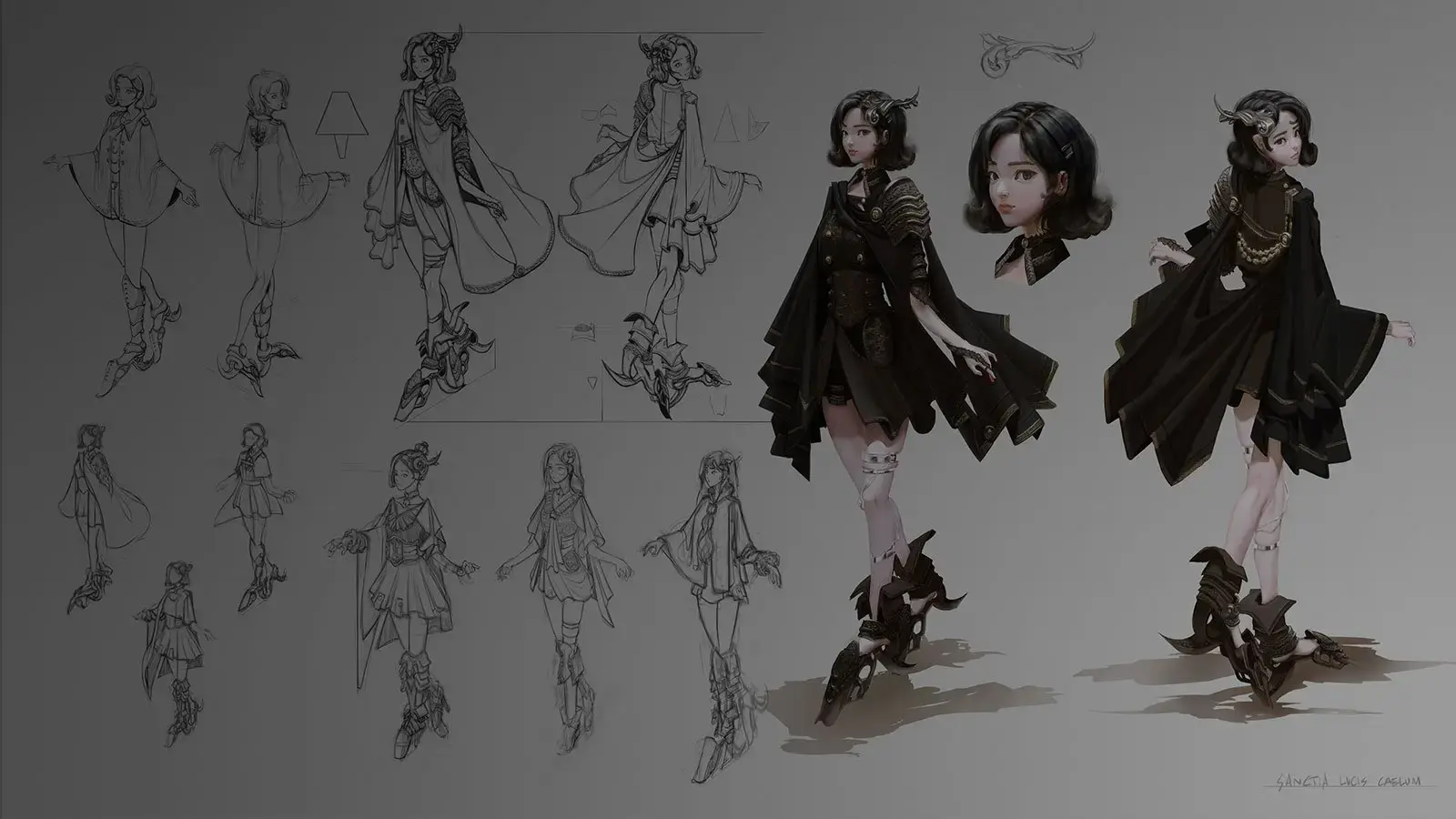
Character design is rarely a one-shot affair. It’s an iterative process involving research, sketching, refinement, and often collaboration.
- Research and Inspiration: Designers often draw inspiration from real-world professions, historical periods, mythology, nature, and even abstract concepts. Understanding the character’s background, motivations, and role in the story is paramount for guiding this research.
- Sketching and Ideation: This is where the initial ideas take form. Designers will often produce numerous sketches, exploring different variations of a character’s appearance, clothing, and features. This is a crucial phase for exploring a wide range of possibilities.
- Refinement and Digitalization: Once a promising direction is established, the sketches are refined. In digital media, this involves translating these concepts into 2D or 3D models using various software. This is where technical skills become as important as artistic ones.
The Tech Backbone: Bringing Characters to the Digital Frontier
The evolution of technology has profoundly impacted character design, opening up new avenues for creation, interaction, and even monetization. The tools and software available to designers today are more powerful and accessible than ever before.
Software and Tools: The Designer’s Digital Toolkit
Modern character design heavily relies on sophisticated software. From industry-standard 2D illustration programs to cutting-edge 3D modeling and sculpting tools, technology empowers designers to bring their visions to life with unprecedented detail and realism.
- 2D Illustration Software (e.g., Adobe Photoshop, Procreate): These tools are indispensable for concept art, character sketches, and creating detailed 2D character assets for games, apps, and web interfaces. They offer a vast array of brushes, layers, and editing capabilities that allow for intricate detailing and expressive linework.
- 3D Modeling and Sculpting Software (e.g., Blender, ZBrush, Maya): For animated films, video games, and virtual reality experiences, 3D character design is king. These powerful programs allow designers to sculpt organic forms, create intricate meshes, and texture models with incredible realism. The ability to view characters from all angles and animate them within a digital environment is a game-changer.
- AI Tools in Design: Artificial intelligence is increasingly playing a role in character design. AI-powered tools can assist in generating initial concept art, suggesting design variations, and even automating certain repetitive tasks in the modeling and texturing process. While not replacing the human artist, AI can serve as a powerful co-pilot, accelerating the creative workflow and offering fresh perspectives.
Virtual and Augmented Reality: Immersive Character Experiences
The rise of VR and AR technologies presents unique challenges and opportunities for character designers. Characters in these immersive environments need to be not only visually appealing but also believable and interactive within a three-dimensional space.
- VR Character Design: Designing for virtual reality demands a deep understanding of how characters will be perceived and interacted with by users in a fully immersive environment. This includes considerations for avatar creation, non-player character (NPC) behavior, and the overall visual fidelity required to maintain immersion.
- AR Character Integration: Augmented reality characters are overlaid onto the real world, requiring careful consideration of scale, lighting, and integration with the existing environment to appear seamless and believable. Imagine AR characters populating a cityscape or interacting with physical objects – the design needs to be grounded yet fantastical.
Digital Security and Character Design: Protecting Your Creations
As character designs are increasingly created and distributed digitally, issues of intellectual property and digital security become paramount. Designers and studios need to implement measures to protect their unique creations from unauthorized use and replication. This can involve watermarking, digital rights management (DRM), and secure file storage practices.
The Brand Connection: Characters as Brand Ambassadors
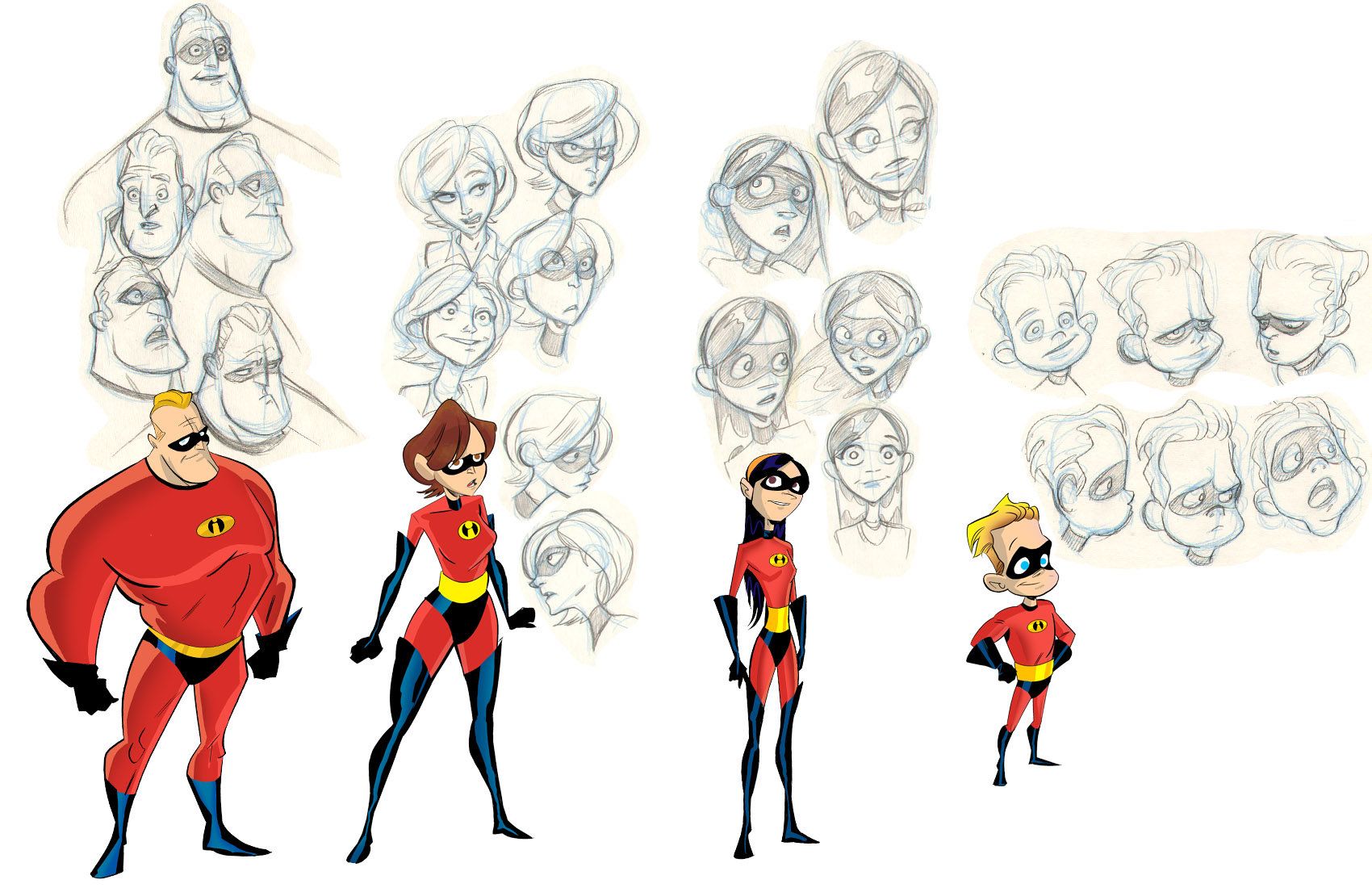
In the realm of branding, characters are not just visual assets; they are often the most recognizable and relatable embodiments of a brand’s identity, values, and personality. From mascots to narrative personas, characters play a crucial role in building recognition, fostering emotional connections, and driving consumer engagement.
Mascots and Brand Recognition: The Face of Your Business
Perhaps the most common application of character design in branding is the creation of mascots. These characters serve as visual shorthand for a company or product, imbuing it with personality and making it more approachable and memorable.
- Building Familiarity: Think of the M&M’s characters, Tony the Tiger for Kellogg’s Frosted Flakes, or the Michelin Man. These characters are instantly recognizable and evoke specific feelings associated with their respective brands. Their consistent presence across various marketing channels solidifies brand recall.
- Communicating Brand Values: A character’s design can subtly communicate a brand’s core values. A playful, energetic character might represent a youth-oriented brand, while a more sophisticated and elegant character could embody a luxury product. The character becomes a visual representation of what the brand stands for.
- Enhancing Marketing Campaigns: Characters can be central to marketing campaigns, driving narratives and creating engaging content. They can be used in advertisements, social media posts, website content, and even product packaging to create a cohesive and memorable brand experience.
Personal Branding: Crafting Your Digital Persona
The principles of character design are increasingly relevant for individuals looking to build a strong personal brand. Whether you’re a freelancer, an influencer, or an entrepreneur, consciously designing your visual identity can significantly impact your professional perception.
- Visual Consistency: Just as a corporate brand has a consistent visual identity, an individual can benefit from a well-defined personal brand. This might involve a signature color palette, a consistent style of photography or illustration, and a recognizable avatar or profile picture that reflects your personality and profession.
- Communicating Expertise and Personality: Your visual representation, including any avatar or graphical elements you use, should align with the message you want to convey. Are you serious and authoritative, or approachable and creative? Your character design, however subtle, can communicate this.
- Building an Online Presence: In the digital landscape, where first impressions are often visual, a thoughtfully designed personal brand can make you stand out. This could extend to custom graphics for your website, social media templates, or even a professional headshot that captures your essence.
Corporate Identity and Storytelling: Beyond the Logo
While a logo is the cornerstone of corporate identity, character design can elevate it by adding a layer of narrative and emotional depth. Some companies create internal or external characters to represent their mission, values, or even their employees.
- Humanizing the Brand: Characters can help to humanize a corporation, making it feel more accessible and relatable to its audience. This can be particularly effective for large, faceless organizations.
- Creating Engaging Content: Companies can leverage character-driven stories to create engaging content that resonates with their target audience. This could be in the form of animated shorts, comic strips, or interactive experiences.
- Case Studies in Success: Many successful brands have integrated characters into their core identity, demonstrating their power to build loyalty and drive business. Analyzing these case studies can provide valuable insights for other businesses looking to leverage character design.
The Money Trail: Character Design as a Viable Income Stream
The diverse applications of character design translate into a robust and evolving job market, offering multiple avenues for earning income. From freelance opportunities to full-time positions, the demand for skilled character designers is consistently high across various industries.
Freelance Opportunities and Side Hustles: Monetizing Your Skills
The digital nature of character design makes it an ideal field for freelance work. Designers can offer their services to a global clientele, working on projects ranging from independent game development to small business branding.
- Platform Opportunities: Websites like Upwork, Fiverr, and Toptal connect freelancers with clients seeking character design services. Building a strong portfolio and positive reviews on these platforms can lead to consistent work and substantial income.
- Niche Markets: Specializing in specific types of character design (e.g., children’s book illustration, anime-style characters, technical illustrations for apps) can help freelancers attract a dedicated client base and command higher rates.
- Passive Income Streams: Beyond direct client work, designers can also explore passive income opportunities. This includes selling pre-made character assets on marketplaces, creating digital brushes and templates, or even developing and selling their own original character IPs.
Full-Time Careers: The Demand in Creative Industries
The demand for character designers is a staple in several major creative industries:
- Animation Studios: Essential for creating characters that drive animated films, television shows, and shorts.
- Video Game Development: Crucial for designing playable characters, NPCs, and enemies that populate virtual worlds.
- Advertising Agencies: Employed to create mascots and visual elements for marketing campaigns.
- Publishing Houses: Needed for illustrating children’s books, comic books, and graphic novels.
- App and Web Design: Increasingly used to create avatars, characters for gamified interfaces, and engaging visual elements.

Financial Tools and Business Acumen: Navigating the Professional Landscape
For any character designer, especially those pursuing freelance or entrepreneurial ventures, a solid understanding of personal finance and business management is crucial for financial success.
- Pricing Your Services: Understanding how to value your work is key. This involves researching industry rates, considering your experience level, and accurately estimating the time and resources required for each project.
- Invoicing and Payment Systems: Efficiently managing invoices and ensuring timely payments is vital for cash flow. Utilizing accounting software or online payment platforms can streamline this process.
- Investing in Your Career: Just like any investment, dedicating resources to professional development, acquiring new software skills, or building a strong online portfolio can yield significant returns in the long run.
- Building a Sustainable Business: For those aiming for long-term success, treating character design as a business is essential. This involves strategic planning, marketing, client relationship management, and a keen eye on financial health.
In conclusion, character design is a dynamic and essential discipline that transcends mere aesthetics. It’s a powerful fusion of art, psychology, and technology that shapes narratives, builds brands, and creates valuable economic opportunities. Whether you’re an aspiring artist or a business owner looking to enhance your brand, understanding the depth and breadth of character design is a valuable pursuit in today’s visually driven world.
aViewFromTheCave is a participant in the Amazon Services LLC Associates Program, an affiliate advertising program designed to provide a means for sites to earn advertising fees by advertising and linking to Amazon.com. Amazon, the Amazon logo, AmazonSupply, and the AmazonSupply logo are trademarks of Amazon.com, Inc. or its affiliates. As an Amazon Associate we earn affiliate commissions from qualifying purchases.