
The chai latte, a seemingly simple beverage, represents a fascinating case study in product branding, cultural adaptation, and global market penetration. Far from being merely a concoction of tea, milk, and spices, it has evolved into a distinct brand identity, expertly positioned within the competitive beverage industry. Understanding “what a chai latte drink is” extends beyond its ingredients to encompass its strategic market placement, the consumer experience it promises, and the intricate branding efforts that have propelled it from a traditional South Asian beverage to a beloved global cafe staple.
The Chai Latte: A Global Brand Phenomenon Rooted in Tradition
The journey of the chai latte from its ancient origins to its contemporary ubiquity is a testament to effective branding that harnesses cultural appeal and adapts it for a diverse consumer base. Its success is not accidental but a result of deliberate marketing and product development strategies that have transformed a regional drink into a globally recognized brand asset.
From Ancient Ritual to Modern Retail Icon
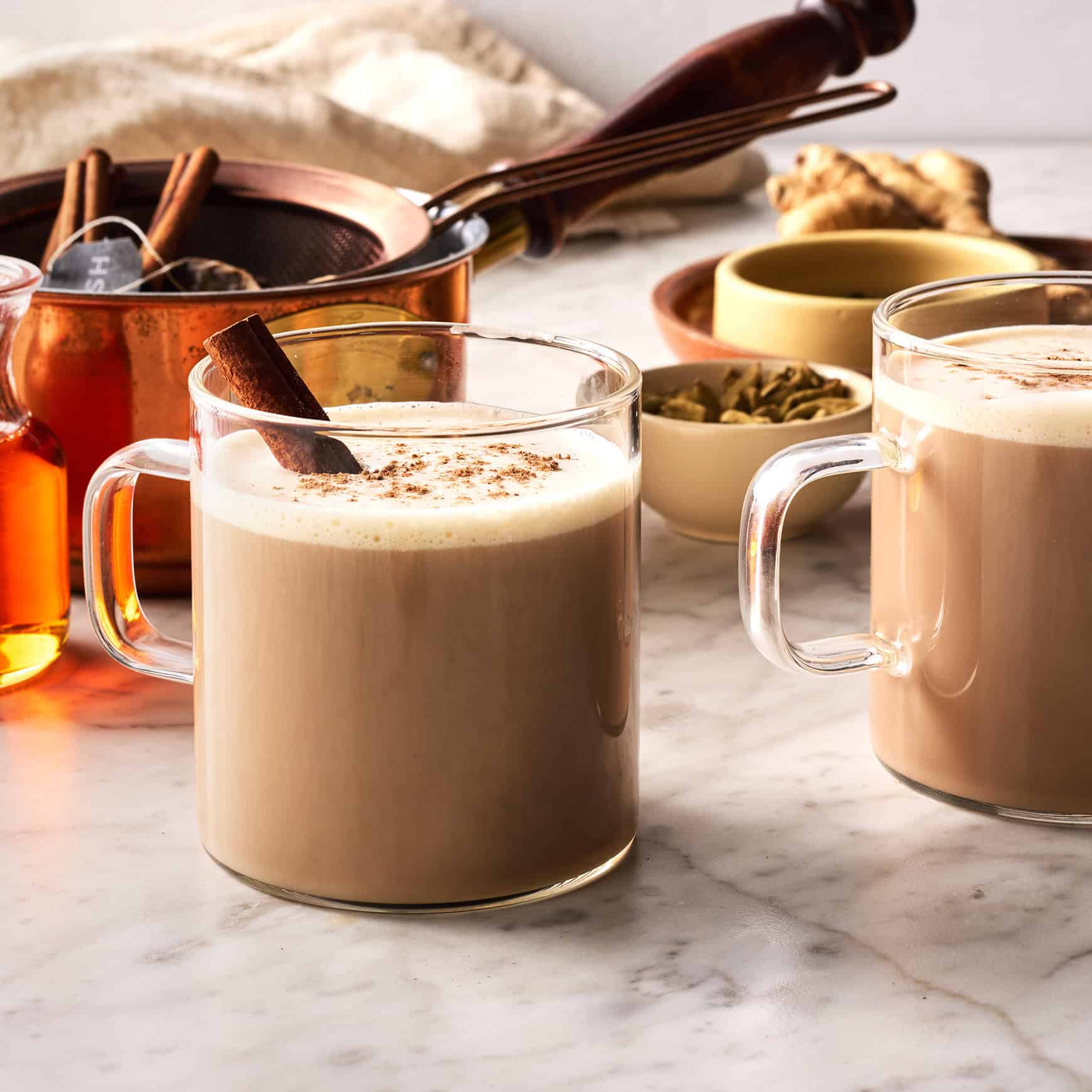
At its core, “chai” (Hindi for tea) refers to spiced tea, a common beverage across India and parts of Asia, often prepared with black tea, a blend of aromatic spices (like cardamom, ginger, cloves, cinnamon, and black peppercorns), milk, and sweetener. This traditional preparation, known as masala chai, has deep cultural roots, often associated with hospitality, comfort, and daily ritual. The transformation into “chai latte” for Western markets involved a crucial rebranding effort. The addition of “latte” immediately signals a connection to the familiar cafe culture, associating it with the creamy texture and comforting warmth of a milk-based coffee drink. This linguistic bridge effectively packaged a new, exotic flavor profile within a recognizable and appealing format, simplifying its adoption by a broad, Western audience. The initial branding played on a sense of discovery and authenticity, offering consumers a taste of another culture in an approachable, palatable form.
Leveraging Cultural Heritage for Market Appeal
The branding of chai latte has skillfully leveraged its authentic cultural heritage without alienating new consumers. Marketers recognized the inherent exoticism and perceived health benefits of its spice blend as powerful selling points. The narrative often subtly highlights the ancient wisdom of spices, their warming properties, and their association with wellness, albeit in a generalized, marketable way. This ‘ethnic chic’ appeal allows brands to position chai latte as more than just a drink; it’s an experience, a mini-escape, or a sophisticated alternative to coffee. The storytelling around its origins adds depth to the product’s identity, allowing it to stand out in a crowded market dominated by established coffee and tea offerings. This strategic narrative creation is a cornerstone of its brand identity, fostering a perception of quality and distinctiveness.
Deconstructing the Chai Latte’s Brand Identity
The brand identity of the chai latte is multifaceted, built upon sensory experiences, emotional connections, and strategic visual and verbal cues. It is a carefully constructed image designed to resonate with specific consumer desires and preferences.
The Sensory Signature: Flavor as a Core Brand Differentiator
The defining characteristic of the chai latte’s brand is its unique flavor profile—a harmonious blend of sweet, spicy, and creamy notes. This sensory signature is not just a taste; it’s a proprietary experience that differentiates it from other beverages. Brands selling chai latte meticulously craft their spice blends, often guarding them as trade secrets, because this blend is the heart of their product’s identity. Variations in spice intensity, sweetness, and tea base create distinct sub-brands within the broader chai latte category (e.g., spicy chai, vanilla chai, decaf chai), each appealing to different consumer segments. This focus on a consistent, yet adaptable, flavor experience is a powerful tool in building brand recognition and loyalty. Consumers often develop a preference for a specific brand’s chai latte, highlighting the success of flavor as a brand differentiator.
Crafting the “Comfort and Escape” Brand Promise
Beyond taste, the chai latte brand sells an emotional experience. It is often positioned as a comforting, indulgent, and warming beverage, evoking feelings of coziness and relaxation. This “comfort in a cup” brand promise resonates deeply with consumers seeking a momentary escape from the daily grind or a soothing treat. The aroma, warmth, and creamy texture all contribute to this perceived emotional benefit, making it a go-to choice for those looking for a non-coffee alternative that still offers a sense of ritual and indulgence. This emotional branding is critical, transforming the drink from a mere commodity into a valued experience, fostering a strong psychological connection between the product and consumer well-being.
Visual Language and Experiential Marketing
The branding of chai latte also relies heavily on visual aesthetics and the overall customer experience. From the earthy, warm tones often used in packaging and promotional materials to the inviting, steam-filled mugs depicted in advertisements, every visual cue reinforces its comforting and exotic image. Cafe environments where chai lattes are served are often designed to enhance this experiential brand, with comfortable seating, ambient lighting, and music that contributes to a relaxed atmosphere. The act of ordering and receiving a chai latte becomes part of the brand experience, where skilled baristas craft the drink, sometimes with latte art, adding an element of artistry and personalization. This holistic approach to marketing ensures that the chai latte brand is not just seen or tasted, but felt and experienced, creating a memorable and repeatable interaction.

Strategic Positioning and Market Domination
The widespread success of the chai latte is a direct result of strategic market positioning and robust product development, which have allowed it to carve out a significant niche in the global beverage industry.
Cafe Menus: A Cornerstone of Brand Placement
Coffee shops and cafes have been pivotal in establishing the chai latte’s brand presence. By integrating it alongside popular coffee items, cafes introduced it to a receptive audience already accustomed to premium beverage experiences. This strategic placement positioned chai latte as a legitimate, desirable alternative or complement to coffee. For many cafes, offering a diverse menu that includes chai latte is a way to broaden their appeal, catering to non-coffee drinkers or those seeking a different flavor profile. The availability in renowned cafe chains not only normalizes the drink but also elevates its perceived value and quality, lending it credibility as a premium beverage option. The consistent presence on these menus solidifies its brand as a mainstream, accessible choice.
Brand Extensions: Ready-to-Drink and At-Home Kits
Recognizing the immense popularity and demand, beverage companies have successfully expanded the chai latte brand into various product extensions. Ready-to-drink (RTD) chai lattes found in supermarkets and convenience stores allow consumers to enjoy the convenience of the drink on the go. Similarly, instant mixes and concentrated syrups cater to the at-home market, enabling consumers to recreate the cafe experience themselves. These brand extensions demonstrate a keen understanding of consumer behavior and lifestyle, ensuring the chai latte brand is accessible across multiple channels and consumption occasions. Each extension reinforces the core brand identity while adapting to different needs, effectively expanding its market reach and reinforcing its position as a versatile and beloved beverage.
Cultivating Consumer Loyalty and Lifestyle Alignment
Successful branding cultivates loyalty, and the chai latte has managed to do this by aligning itself with certain lifestyle aspirations. It appeals to consumers who value unique flavors, seek comfort, and appreciate cultural diversity. Through consistent messaging and product quality, brands foster a sense of trust and familiarity. Special promotions, seasonal variations (e.g., pumpkin spice chai latte), and customization options (e.g., dairy-free, sugar-free) further engage consumers, making them feel seen and valued. This personalized approach to branding ensures that the chai latte remains relevant and continues to be a go-to choice, building a loyal following that sustains its market presence.
The Future of Chai Latte Branding: Innovation and Authenticity
As consumer preferences evolve and the beverage market becomes increasingly saturated, the future of the chai latte brand will hinge on its ability to innovate while maintaining its authentic core.
Adapting to Evolving Consumer Preferences
The chai latte brand must continue to adapt to emerging trends, such as the demand for healthier options, plant-based alternatives, and ethical sourcing. Brands are already responding by offering sugar-free versions, incorporating alternative milks (oat, almond, soy), and experimenting with new, functional spice blends. This proactive innovation ensures that the chai latte remains appealing to a new generation of health-conscious and environmentally aware consumers, securing its long-term brand relevance.
Sustainable Sourcing as a Brand Value Proposition
In an era where consumers are increasingly prioritizing ethical considerations, sustainable sourcing of tea and spices will become a crucial brand differentiator for chai lattes. Brands that can credibly demonstrate transparent supply chains, fair trade practices, and environmentally responsible production methods will enhance their brand value and appeal to a socially conscious market segment. This commitment to sustainability can foster deeper consumer trust and loyalty, distinguishing premium chai latte brands from their competitors.

Maintaining Brand Integrity Amidst Diversification
As the chai latte brand expands into new formats and flavor variations, maintaining its core identity and quality will be paramount. The challenge lies in innovating without diluting the authenticity and sensory signature that made it popular in the first place. Brands must carefully balance diversification with brand consistency, ensuring that every new product iteration upholds the established reputation for comfort, unique flavor, and quality that defines the chai latte. This strategic oversight will be key to sustaining its legacy as a beloved and enduring beverage brand.
aViewFromTheCave is a participant in the Amazon Services LLC Associates Program, an affiliate advertising program designed to provide a means for sites to earn advertising fees by advertising and linking to Amazon.com. Amazon, the Amazon logo, AmazonSupply, and the AmazonSupply logo are trademarks of Amazon.com, Inc. or its affiliates. As an Amazon Associate we earn affiliate commissions from qualifying purchases.