
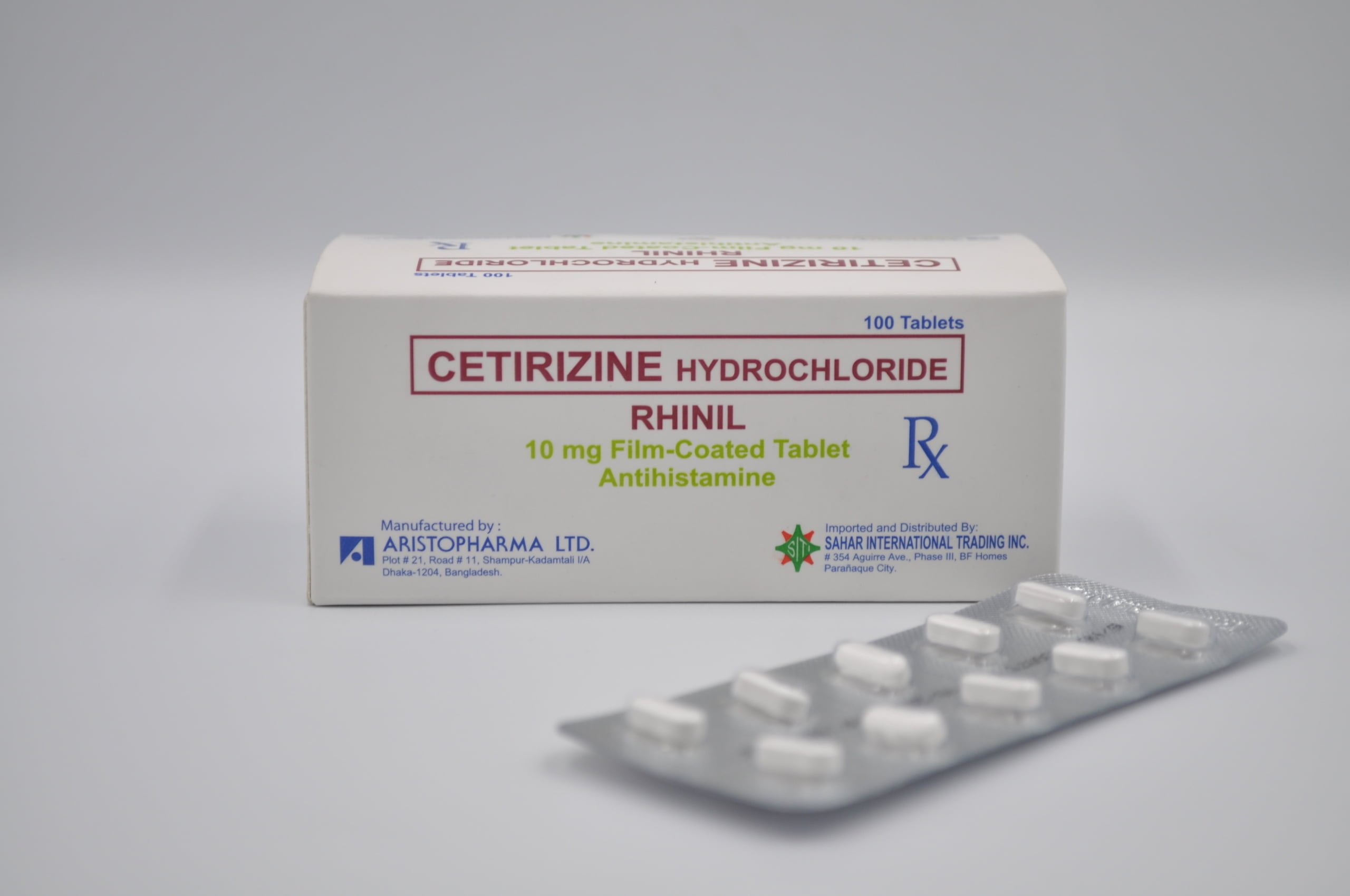
In our fast-paced, ever-connected lives, allergies can be more than just a minor nuisance; they can significantly impact our productivity, our ability to engage with the brands we love, and even our personal finances. From itchy eyes to debilitating sneezing fits, the myriad symptoms of allergic reactions can disrupt our day-to-day experiences. This is where medications like cetirizine hydrochloride come into play, offering a vital tool in managing these often-unwelcome immune responses. But what exactly is cetirizine hydrochloride, and how does it work to alleviate the discomfort of allergies? Understanding this common medication can empower us to navigate our allergic seasons with greater ease, allowing us to focus on the technological advancements, brand experiences, and financial goals that shape our modern world.

Understanding the Mechanism: How Cetirizine Hydrochloride Tackles Allergies
At its core, cetirizine hydrochloride is an antihistamine, a class of drugs designed to combat the effects of histamine. Histamine is a chemical compound naturally produced by the body’s immune system. While it plays a crucial role in various bodily functions, including neurotransmission and regulating stomach acid, it’s also a primary culprit behind many allergic symptoms.
When your body encounters an allergen – be it pollen, dust mites, pet dander, or certain foods – your immune system can overreact. It mistakenly identifies these harmless substances as threats and releases histamine. This histamine then binds to specific receptors, known as H1 receptors, found on cells throughout the body, particularly in the blood vessels, nerves, and smooth muscles. This binding triggers a cascade of inflammatory responses that manifest as common allergy symptoms.
The Role of Histamine in Allergic Reactions
To truly grasp what cetirizine hydrochloride is used for, we must first understand the consequences of histamine release. When histamine binds to H1 receptors, it causes:
- Vasodilation: Blood vessels widen, leading to redness and swelling in the affected areas. This is why nasal passages can become inflamed and congested.
- Increased vascular permeability: Blood vessels become more porous, allowing fluid to leak into surrounding tissues. This contributes to swelling and can result in a runny nose and watery eyes.
- Smooth muscle contraction: In the airways, this can lead to bronchoconstriction, making breathing difficult for some individuals, though this is less common with typical seasonal allergies managed by cetirizine.
- Nerve stimulation: This causes itching, sneezing, and a general sense of irritation.
Cetirizine Hydrochloride: A Selective H1 Receptor Antagonist
Cetirizine hydrochloride belongs to the second generation of antihistamines. Unlike their predecessors (first-generation antihistamines like diphenhydramine), second-generation antihistamines are designed to be more selective for peripheral H1 receptors and have a reduced ability to cross the blood-brain barrier. This distinction is significant, as it means cetirizine hydrochloride is less likely to cause the drowsiness and cognitive impairment often associated with older antihistamines.
By selectively binding to these H1 receptors without activating them, cetirizine hydrochloride acts as a competitive antagonist. It effectively “blocks” histamine from attaching to its intended sites, thereby preventing or significantly reducing the allergic symptoms that histamine would otherwise cause. This mechanism makes it a highly effective treatment for a range of allergic conditions.
The Wide-Ranging Applications of Cetirizine Hydrochloride
Given its mechanism of action, cetirizine hydrochloride is primarily employed to alleviate the symptoms associated with allergic reactions. Its efficacy and generally favorable safety profile have made it a go-to option for both over-the-counter and prescription use.
Managing Seasonal and Perennial Allergic Rhinitis
Perhaps the most common use of cetirizine hydrochloride is in treating allergic rhinitis, a condition often referred to as hay fever. This can be further categorized into:
- Seasonal Allergic Rhinitis: This type of rhinitis occurs during specific times of the year, typically when certain pollens are abundant in the air. Think of spring with blooming flowers or late summer with grass pollens. Symptoms can include sneezing, runny nose, itchy nose, itchy throat, and itchy, watery eyes. Cetirizine hydrochloride effectively combats these symptoms, allowing individuals to enjoy outdoor activities or simply navigate their daily lives without constant discomfort.
- Perennial Allergic Rhinitis: This form of rhinitis occurs year-round and is usually triggered by indoor allergens such as dust mites, pet dander, mold, and cockroaches. While the triggers are different, the symptoms are often similar to seasonal allergies, and cetirizine hydrochloride provides relief from persistent congestion, sneezing, and nasal itching.
Relief from Chronic Idiopathic Urticaria (Hives)
Beyond respiratory allergies, cetirizine hydrochloride is also a valuable tool in managing chronic idiopathic urticaria, commonly known as hives. Hives are raised, red, itchy welts that can appear suddenly on the skin. In chronic urticaria, these outbreaks can persist for more than six weeks, and often, the exact cause is difficult to pinpoint.
While the exact mechanism by which histamine contributes to hives is complex, its role in increasing vascular permeability and stimulating nerve endings is central. By blocking histamine’s action, cetirizine hydrochloride can reduce the formation of these itchy welts, providing much-needed relief and improving the quality of life for individuals suffering from this condition.
Other Allergic Skin Conditions
Cetirizine hydrochloride can also be used to manage other allergic skin conditions, such as allergic dermatitis and eczema, where itching is a prominent symptom. While it doesn’t cure the underlying condition, it effectively targets the histamine-mediated itching, offering symptomatic relief and preventing the urge to scratch, which can exacerbate skin irritation and inflammation.
Cetirizine Hydrochloride in the Context of Technology and Productivity

In today’s hyper-connected world, productivity is paramount. From mastering new AI tools to optimizing our workflow with innovative software, technological advancements are constantly reshaping how we work and live. However, the insidious nature of untreated allergies can act as a significant roadblock to achieving our full potential in this dynamic environment.
Maintaining Focus and Cognitive Function
Allergy symptoms like constant sneezing, itchy eyes, and nasal congestion can be incredibly distracting. Imagine trying to concentrate on a complex coding task, participate in a critical video conference, or even simply read an important article when your eyes are watering uncontrollably or you feel the urge to sneeze every few minutes. This constant interruption can fragment attention spans and significantly reduce cognitive efficiency.
Cetirizine hydrochloride, with its reduced propensity for causing drowsiness compared to older antihistamines, allows individuals to maintain their focus and mental clarity. By mitigating the disruptive symptoms of allergies, it enables us to engage more effectively with the technological tools and platforms that are integral to modern life. This means a smoother workflow, fewer errors, and a greater capacity to absorb and process information, whether it’s learning a new AI application or fine-tuning a digital security protocol.
Enhancing Digital Security and Data Integrity
While not directly related to cybersecurity software or protocols, the ability to function effectively is crucial for maintaining robust digital security. Individuals who are struggling with severe allergies might be more prone to making mistakes when inputting sensitive data or responding to security prompts due to discomfort and distraction. Furthermore, compromised focus can lead to lapses in judgment when evaluating online threats or implementing security measures.
By providing relief from allergy symptoms, cetirizine hydrochloride indirectly supports a more vigilant and attentive approach to digital security. A clear mind is better equipped to identify phishing attempts, manage complex passwords, and adhere to security best practices, thereby contributing to the overall safety and integrity of personal and professional digital assets.
Brand Engagement and Consumer Experience in an Allergic World
Our interaction with brands, whether online or offline, is an integral part of modern consumer culture. From the aesthetic appeal of a product’s packaging to the seamless user experience of a brand’s app, these elements contribute to our overall perception and loyalty. Allergies, however, can significantly alter how we perceive and interact with these brands.
Uninterrupted Brand Discovery and Interaction
Imagine browsing a beautifully designed e-commerce website, ready to explore new fashion trends or discover innovative gadgets. If you’re battling a severe allergic reaction, the joy of this experience can be quickly overshadowed by discomfort. Itchy eyes make it difficult to appreciate visual details, a runny nose can make holding a smartphone uncomfortable, and the general malaise associated with allergies can dampen enthusiasm for engaging with new products or services.
Cetirizine hydrochloride allows individuals to enjoy their brand discovery and interactions without the physical distractions of allergies. This means they can fully appreciate the marketing campaigns, product designs, and digital interfaces that brands invest so much in creating. It facilitates a more positive and immersive consumer experience, fostering a stronger connection between the consumer and the brand.
Building Brand Loyalty Through Consistent Experiences
Brand loyalty is built on consistent positive experiences. When consumers can reliably engage with a brand without being hampered by physical discomfort, they are more likely to develop positive associations and return for future purchases or interactions. An individual who can comfortably explore a new app, read detailed product reviews, or engage with a brand’s social media content is more likely to have a favorable impression.
By managing allergic symptoms, cetirizine hydrochloride helps ensure that these consumer experiences remain positive and uninterrupted. This consistency is crucial for brands aiming to build lasting relationships with their customer base. It allows consumers to focus on the value, quality, and overall appeal of the brand, rather than being preoccupied with their physical discomfort.
Financial Well-being and the Cost of Allergies
The impact of allergies extends beyond immediate comfort, also touching upon our financial well-being. The costs associated with managing allergies, both direct and indirect, can be substantial.
The Direct Costs of Allergy Management
The most obvious financial implication of allergies is the cost of medication. While cetirizine hydrochloride is often available over-the-counter and can be relatively affordable, the cumulative cost of purchasing it regularly, along with other potential allergy remedies or treatments, can add up. Furthermore, individuals with severe allergies might incur costs associated with doctor’s visits, specialist consultations, and prescription medications beyond simple antihistamines.
Indirect Financial Losses Due to Reduced Productivity
Beyond the direct cost of treatment, allergies can lead to significant indirect financial losses. As discussed earlier, allergy symptoms can severely impact productivity. Missed workdays due to severe allergic reactions, decreased output during working hours due to distraction and fatigue, and the inability to fully engage in income-generating side hustles all contribute to reduced earning potential.
For individuals relying on their ability to perform tasks efficiently and without interruption, the financial consequences of untreated allergies can be considerable. By effectively managing their allergies with medications like cetirizine hydrochloride, individuals can minimize these indirect financial losses, ensuring they can maintain their work performance, pursue additional income opportunities, and ultimately enhance their overall financial health. Investing in allergy relief can, therefore, be viewed as an investment in one’s earning capacity and financial stability.
In conclusion, cetirizine hydrochloride is a vital medication that offers significant relief from the myriad symptoms of allergic reactions. In a world increasingly shaped by technology, brand interactions, and financial goals, the ability to function effectively and comfortably is paramount. By understanding what cetirizine hydrochloride is used for, individuals can better equip themselves to navigate the challenges of allergies, ensuring they can fully participate in and benefit from the opportunities presented in our modern, dynamic landscape.
aViewFromTheCave is a participant in the Amazon Services LLC Associates Program, an affiliate advertising program designed to provide a means for sites to earn advertising fees by advertising and linking to Amazon.com. Amazon, the Amazon logo, AmazonSupply, and the AmazonSupply logo are trademarks of Amazon.com, Inc. or its affiliates. As an Amazon Associate we earn affiliate commissions from qualifying purchases.