
The California Environmental Quality Act (CEQA) is frequently perceived as an environmental statute, a complex set of regulations designed to protect the state’s natural resources and public health. While this perception is fundamentally true, to overlook its profound and pervasive financial and business implications would be a critical oversight for anyone operating, investing, or developing within California. For businesses, investors, and public agencies alike, CEQA is not merely an environmental hurdle; it is a significant financial risk factor, a determinant of project feasibility, and a driver of substantial costs that can make or break ventures. Understanding CEQA’s mechanisms and, more importantly, its financial ripple effects, is paramount for astute financial planning, effective risk management, and successful project delivery in the Golden State.

This article will delve into CEQA from a financial and business perspective, dissecting how this environmental law translates into direct costs, impacts investment decisions, shapes project financing, and influences the broader economic landscape of California. We will explore the tangible monetary burdens it imposes, the strategic financial planning required to navigate its demands, and the broader economic debates surrounding its role in development and investment.
The Core Purpose of CEQA and Its Financial Ripple Effects
At its heart, CEQA mandates that public agencies identify and mitigate the significant environmental impacts of projects they approve or undertake. This seemingly straightforward requirement unleashes a cascade of financial consequences for any entity involved in development, from small businesses to multinational corporations and public bodies. The act’s foundational principle — informed decision-making regarding environmental impacts — directly translates into substantial line items on project budgets.
A Mandate for Environmental Scrutiny with a Price Tag
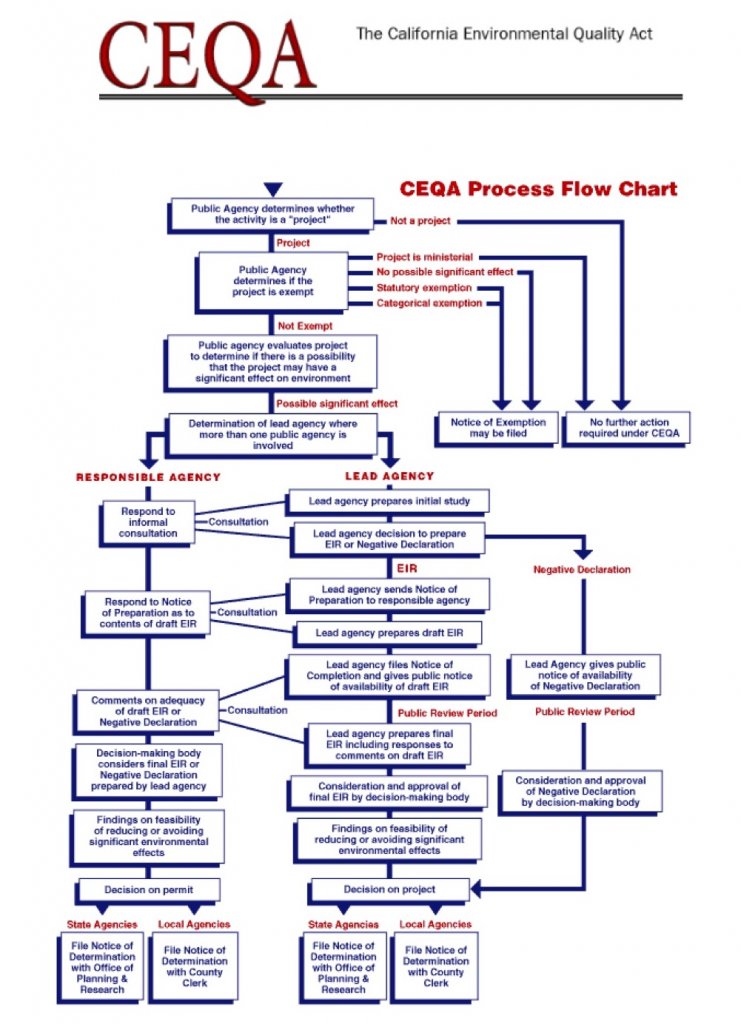
CEQA requires public agencies to conduct an environmental review for most discretionary projects. This review process involves evaluating potential impacts on air quality, water resources, biological habitats, traffic, noise, cultural resources, and more. For project proponents, this isn’t a simple paperwork exercise; it necessitates engaging a host of specialized consultants. These experts conduct baseline studies, predict future impacts, and devise mitigation measures. Each of these steps, from preliminary environmental evaluations (PEAs) and initial studies (IS) to full-blown Environmental Impact Reports (EIRs) or Mitigated Negative Declarations (MNDs), carries a significant financial cost.
The financial burden begins with the sheer volume and complexity of the required documentation. An EIR, for instance, can be hundreds or even thousands of pages long, requiring teams of biologists, hydrologists, traffic engineers, archeologists, and other specialists. Their fees, which are often passed on to the project applicant, can range from tens of thousands for simpler projects to well over a million dollars for large-scale developments. These are upfront costs, incurred often before any physical construction begins, representing a substantial capital outlay and a tangible financial risk. Failing to adequately fund these studies or attempting to cut corners can lead to deficiencies in the environmental review, inviting legal challenges that exponentially increase financial exposure.
Costs of Compliance: Studies, Experts, and Delays
Beyond the initial environmental review, CEQA compliance involves an ongoing financial commitment. Public review periods for CEQA documents often generate comments and concerns from the public, environmental groups, and other agencies. Addressing these comments can necessitate further studies, revisions to mitigation plans, or even significant redesigns of the project, all of which accrue additional consultant fees and staff time.
Moreover, the prescribed mitigation measures themselves often come with significant costs. Projects might be required to fund new infrastructure (e.g., road improvements to mitigate traffic, new storm drains for water quality), conserve off-site habitat, or incorporate expensive green building technologies. These mitigation expenses are direct additions to the project’s overall budget and can dramatically alter its financial viability. For example, a project might face requirements to purchase carbon credits, contribute to affordable housing funds, or implement specific landscaping to reduce visual blight, each with a calculable monetary impact. These expenses are not optional; they are legally binding conditions of project approval, making robust financial forecasting and budgeting for these contingencies absolutely essential. The cost of CEQA compliance, therefore, extends far beyond just reports; it penetrates deeply into the very design and financial structure of the project itself.
CEQA’s Impact on Project Feasibility and Investment
The financial ramifications of CEQA extend far beyond direct compliance costs, reaching into the core aspects of project feasibility, investment attractiveness, and overall risk assessment. For developers, investors, and lenders, CEQA introduces a layer of uncertainty and potential expense that critically shapes decisions on whether to pursue a project, how to value it, and what terms to offer for financing.
Project Delays and Cost Overruns: The Silent Financial Killer
One of the most significant financial impacts of CEQA is the potential for project delays and subsequent cost overruns. The CEQA process, particularly for complex or controversial projects, can be lengthy, often spanning many months or even years. This extended timeline is due to rigorous study requirements, public review periods, and the potential for legal challenges. Each day a project is delayed accrues holding costs, such as interest payments on borrowed capital, property taxes, insurance premiums, and staff salaries. For a large development, these holding costs can easily run into hundreds of thousands or even millions of dollars annually, eroding profit margins and diminishing return on investment.
Furthermore, delays expose projects to market fluctuations, inflation in material and labor costs, and changes in regulatory environments. A project budgeted at a certain cost at inception might find itself significantly more expensive two or three years down the line due to these external factors, directly impacting its financial feasibility. The longer a project is entangled in CEQA review or litigation, the higher the probability of these cost escalations, making accurate financial forecasting an art form rather than a science. The economic loss from delayed revenue generation, missed market opportunities, and increased carrying costs often dwarfs the direct costs of environmental studies, making delays the silent, yet most potent, financial killer associated with CEQA.
Risk Assessment for Developers and Investors
For investors and developers, CEQA introduces a significant layer of financial risk that must be meticulously assessed during due diligence. This risk is multifaceted: it includes the risk of project denial or redesign due to unmitigable environmental impacts, the risk of litigation (which can be lengthy and expensive, regardless of outcome), and the risk of unexpected mitigation costs. These uncertainties directly impact a project’s valuation and attractiveness to capital. A project with a high CEQA risk profile will inherently command a lower valuation or require a higher expected return to compensate investors for the added uncertainty.
Savvy investors apply a “CEQA discount” when evaluating potential projects in California. This discount accounts for the potential for increased expenses, extended timelines, and legal battles. Consequently, projects perceived to have high CEQA exposure may struggle to attract investment or may only do so under less favorable terms. Developers, in turn, must factor these risks into their proformas, often including substantial contingency budgets specifically for CEQA-related issues. The ability to effectively identify, quantify, and mitigate CEQA risk is therefore a critical component of successful financial decision-making for real estate, infrastructure, and energy projects in California.
Financing Challenges and Lender Scrutiny
Lenders are acutely aware of the financial risks associated with CEQA. When evaluating project loan applications, banks and other financial institutions conduct rigorous due diligence into a project’s CEQA status. They scrutinize the adequacy of environmental documentation, the likelihood of legal challenges, and the potential for significant mitigation costs or delays. Projects with unresolved CEQA issues or a high likelihood of litigation are often viewed as high-risk and may face increased lender scrutiny.
This scrutiny can manifest in several ways: lenders might demand higher interest rates to compensate for the elevated risk, impose more stringent loan covenants, require larger equity contributions from developers, or even decline financing altogether. The uncertainty introduced by CEQA can make it challenging to secure favorable financing terms, thereby increasing the overall cost of capital for a project. Furthermore, if a project faces litigation or significant delays post-financing, it can jeopardize the borrower’s ability to service debt, leading to defaults or loan restructuring, all of which have severe financial consequences for both borrowers and lenders. Therefore, a clear, defensible, and well-managed CEQA strategy is indispensable not just for project approval, but for securing and maintaining crucial financial backing.
Navigating the Financial Labyrinth: Strategies for Businesses
Successfully managing the financial implications of CEQA requires more than just understanding the law; it demands a proactive, strategic approach integrated into all phases of project development and financial planning. Businesses and investors operating in California must adopt robust strategies to minimize financial exposure and enhance project certainty.
Proactive Planning and Early Engagement: A Financial Imperative
The most effective strategy for mitigating CEQA’s financial impact is proactive planning and early engagement. Addressing potential environmental issues early in the project lifecycle, even before site acquisition or initial design, can yield substantial financial savings down the line. This involves conducting thorough preliminary environmental assessments and due diligence to identify “red flags” such as sensitive habitats, historical resources, or potential contamination. Knowing these issues upfront allows developers to either select alternative sites, design projects to avoid impacts, or budget appropriately for necessary mitigation.
Early engagement also extends to local agencies and stakeholders. By consulting with planning departments, environmental agencies, and community groups early in the process, project proponents can gain insights into potential concerns and tailor their projects to address them proactively. This can streamline the CEQA review process, reduce the likelihood of legal challenges, and accelerate project approval timelines, thereby directly cutting down on holding costs and increasing the speed to market. Investing in robust preliminary studies and stakeholder outreach is not an added cost; it’s a strategic investment that pays dividends in reduced overall project expenses and enhanced financial predictability.
Budgeting for Uncertainty: Allocating Contingency Funds
Given CEQA’s inherent uncertainties—the potential for extended review periods, unforeseen mitigation measures, and costly litigation—it is financially imprudent to budget for it as a fixed expense. Instead, businesses and investors must allocate significant contingency funds specifically for CEQA-related costs. This contingency should cover potential additional environmental studies, legal fees for defending challenges, unforeseen mitigation expenses, and extended holding costs due to delays.
The size of this contingency will vary based on project scale, location, and potential controversy, but it should be a meaningful percentage of the overall project budget. Under-budgeting for CEQA can lead to projects running out of capital, forcing developers to seek expensive bridge financing, default on loans, or even abandon projects altogether. Robust financial modeling that includes a realistic assessment of CEQA-related contingencies is therefore a cornerstone of responsible project finance in California. This approach transforms potential financial shocks into manageable, pre-planned expenses, safeguarding the project’s overall financial health.
The Value of Expert Consultation: A Prudent Investment
Navigating the complexities of CEQA and its financial implications is a highly specialized endeavor. Engaging experienced environmental consultants and legal counsel with deep expertise in CEQA is not merely an expense; it is a prudent and often essential investment. These experts can guide project proponents through the labyrinthine regulatory process, ensuring that environmental documentation is legally defensible and scientifically sound, thereby minimizing the risk of costly delays and litigation.
CEQA attorneys can provide strategic advice on project structuring, potential legal vulnerabilities, and the most effective ways to respond to public comments or challenges. Environmental consultants can identify the most cost-effective mitigation measures, negotiate with regulatory agencies, and ensure compliance with all environmental laws. While their fees can be substantial, the cost of expert consultation is typically far less than the financial devastation that can result from a poorly managed CEQA process, including project abandonment, multimillion-dollar litigation, or years of lost revenue. In the context of CEQA, specialized knowledge is a critical financial tool that protects investments and preserves profit margins.
Broader Economic Implications and Policy Debates
CEQA’s financial footprint extends beyond individual projects, shaping the broader economic landscape of California. Its role in the state’s development, particularly concerning housing and infrastructure, is a subject of ongoing debate, directly connecting environmental policy to economic growth and financial accessibility.
Housing Affordability and Infrastructure Development: Economic Bottlenecks
One of the most significant and contentious economic implications of CEQA is its perceived contribution to California’s housing affordability crisis and the challenges in developing critical infrastructure. Critics argue that the lengthy, expensive, and often litigious CEQA process acts as a major bottleneck, driving up the cost of housing production and delaying essential infrastructure projects such as transportation improvements, water facilities, and renewable energy installations. Each project delay and every dollar added to compliance or mitigation costs ultimately contributes to higher housing prices, increased rents, and slower economic growth due to inadequate infrastructure.
The financial burden of CEQA can make smaller, infill housing projects financially unviable, pushing development to less environmentally sensitive (but often more distant) areas, or simply discouraging development altogether. For infrastructure, the delays and costs imposed by CEQA can deter private investment, increase the burden on public coffers, and prevent the timely delivery of projects vital for economic competitiveness and quality of life. The debate often centers on how to balance environmental protection with the urgent financial and economic needs for more affordable housing and robust infrastructure in a rapidly growing state.

Balancing Environmental Protection with Economic Growth
The ongoing policy debate around CEQA often pits environmental advocates against developers, economists, and public officials concerned about its financial and economic impacts. The core tension lies in balancing the undeniable benefits of environmental protection with the economic imperative for growth, job creation, and accessible housing. Reforms proposed for CEQA frequently aim to streamline the process, reduce litigation risk, and provide greater certainty for project proponents, all with the underlying goal of reducing financial burdens without compromising environmental safeguards.
These discussions highlight that CEQA is not just an environmental law but a powerful economic instrument that allocates costs, shapes investment flows, and influences the financial health of businesses and communities across California. For any financial stakeholder in California, remaining aware of these policy discussions and potential reforms is crucial, as changes to CEQA can significantly alter the financial landscape for future projects and investments. The ability to advocate for balanced policies or adapt to new regulatory frameworks directly impacts financial strategy and long-term business viability.
In conclusion, CEQA is far more than an environmental regulation; it is a critical financial consideration for any entity engaged in development or investment within California. Its impact on project costs, timelines, financing, and risk assessment necessitates a sophisticated understanding and proactive management strategy. By recognizing CEQA’s profound financial ripple effects, implementing early planning, budgeting for uncertainty, and leveraging expert consultation, businesses and investors can better navigate this complex regulatory environment, mitigate financial risks, and enhance their prospects for financial success in California. Ignoring its financial dimensions is not an option; mastering them is a prerequisite for thriving.
aViewFromTheCave is a participant in the Amazon Services LLC Associates Program, an affiliate advertising program designed to provide a means for sites to earn advertising fees by advertising and linking to Amazon.com. Amazon, the Amazon logo, AmazonSupply, and the AmazonSupply logo are trademarks of Amazon.com, Inc. or its affiliates. As an Amazon Associate we earn affiliate commissions from qualifying purchases.