
In the highly competitive world of Over-The-Counter (OTC) healthcare, a brand is often more than just the sum of its active ingredients. When consumers walk down the cold and flu aisle of a pharmacy, they are not merely looking for chemical compounds like benzocaine or cetylpyridinium chloride; they are looking for a promise of relief, a symbol of authority, and a legacy of trust. Cepacol represents one of the most successful case studies in pharmaceutical brand management, evolving from a specialized clinical antiseptic into a household name that dominates the sore throat and oral hygiene categories.
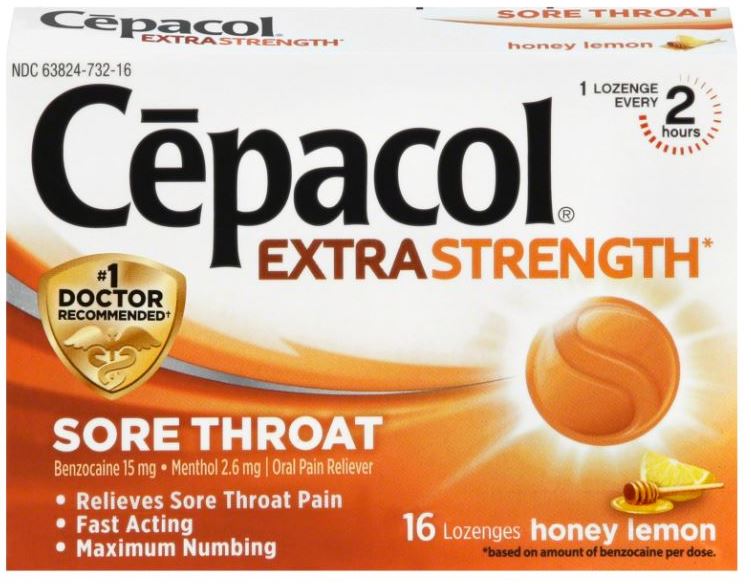
To understand what Cepacol is from a brand strategy perspective, one must look beyond the lozenge. It is a masterclass in product positioning, visual identity, and the psychological cues that drive consumer behavior during a “moment of need.”
The Heritage of Trust: Building a Legacy Brand in Healthcare
The story of Cepacol is rooted in the mid-20th century, a period when the pharmaceutical industry began to shift its focus from purely professional medical channels to direct-to-consumer marketing. Originally developed as an antibacterial mouthwash, Cepacol established its initial brand equity through dental and medical endorsements. This “professional-first” strategy created a foundation of clinical authority that the brand still leans on today.
From Clinical Antiseptic to Consumer Staple
In its early years, Cepacol was positioned as a professional-grade oral rinse. This clinical origin is crucial to its current brand identity. Unlike brands that started as “candy-like” cough drops, Cepacol maintained a serious, medical-focused persona. This allowed the brand to charge a premium over generic store brands because it wasn’t just offering a flavor; it was offering a treatment. The transition from the dentist’s office to the bathroom cabinet was a calculated move in brand scaling, ensuring that as the product reached a wider audience, it did not lose its reputation for efficacy.
The Power of Parent Company Stewardship
The trajectory of Cepacol cannot be discussed without mentioning its management under global consumer goods giants, most notably Reckitt (formerly Reckitt Benckiser). Reckitt’s brand strategy revolves around “Powerbrands”—products that hold a high market share in a specific category. By integrating Cepacol into a portfolio that includes other healthcare leaders like Mucinex and Delsym, the company was able to cross-leverage distribution networks and marketing insights. This corporate backing transformed Cepacol from a singular product into a global entity capable of dominating shelf space in major retailers like Walmart, CVS, and Amazon.
Product Architecture and Strategic Diversification
One of the key elements of the Cepacol brand strategy is its disciplined product architecture. A brand remains healthy by expanding its reach without diluting its core promise. Cepacol has mastered the art of “line extension,” ensuring that there is a specific version of their product for every nuance of oral discomfort.
Segmenting the Sore Throat Market
Cepacol does not offer a one-size-fits-all solution. Instead, its product line is segmented by intensity and symptom type.
- The “InstaMax” Line: Positioned for severe pain, this sub-brand uses aggressive naming conventions to signal maximum strength.
- The Sore Throat Lozenges: Available in various flavors, these serve as the entry point for the average consumer.
- The Oral Antiseptic Rinses: This maintains the brand’s connection to its roots in oral hygiene and preventive care.
By diversifying the product line, Cepacol captures multiple consumer segments: the parent looking for a gentle solution for a child, the professional needing immediate numbing to get through a presentation, and the chronic sufferer looking for a heavy-duty antiseptic.
The USP: Numbing as a Brand Identifier
In branding, a Unique Selling Proposition (USP) is what sets a product apart from its peers. For Cepacol, that USP is the “numbing” sensation. While competitors like Ricola focus on “natural herb” relief and Halls focuses on “cooling menthol,” Cepacol has staked its claim on “strength.” The brand has successfully conditioned consumers to associate the physical sensation of a numbed throat with the brand name itself. This sensory branding is incredibly powerful; when a consumer feels the product working instantly, the brand promise is fulfilled, leading to high rates of repeat purchases and brand loyalty.
The Visual Identity: Branding Medical Efficacy through Design
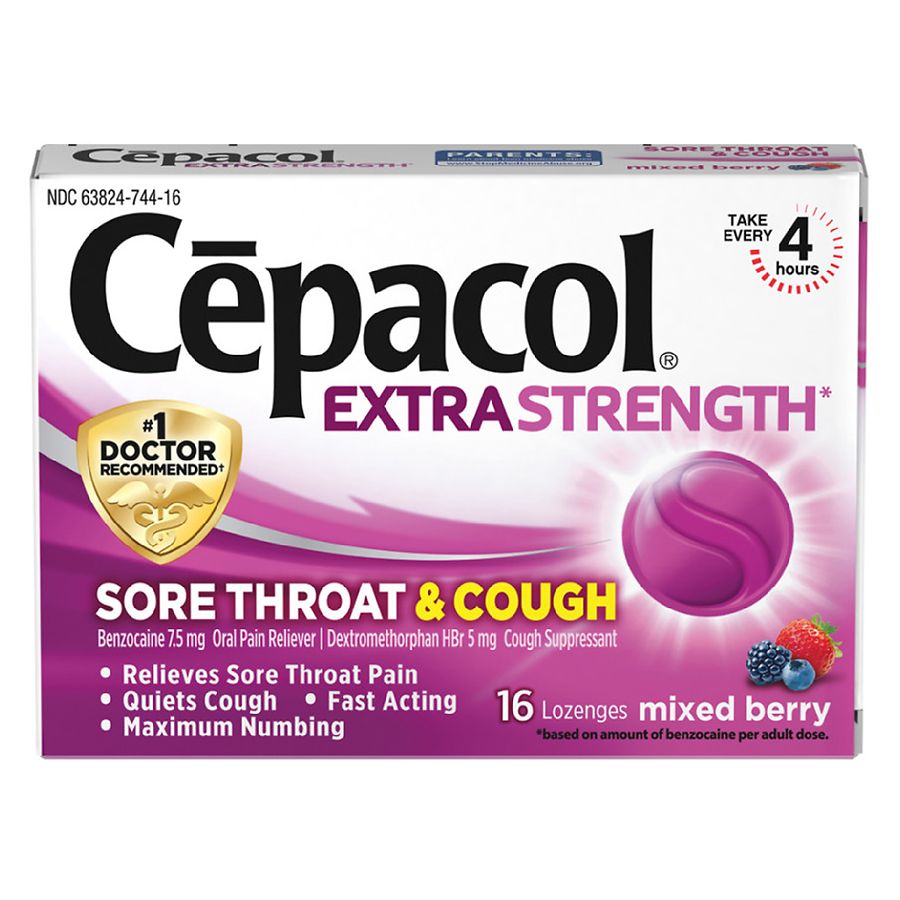
The visual components of Cepacol—its logo, color palette, and packaging—are meticulously designed to communicate speed and power. In the OTC sector, packaging design is a silent salesman that must communicate its entire value proposition in less than three seconds.
Color Psychology and Shelf Presence
The Cepacol color palette is dominated by deep reds, bright whites, and clinical blues. In the world of marketing, red is often used to signal urgency and “extra strength.” It contrasts sharply with the green and yellow “natural” tones of competitors. The use of high-contrast white text ensures readability, which is vital for an older demographic or a sick individual with blurred vision. This “medical-grade” aesthetic reinforces the idea that Cepacol is a serious medicine, not a confectionary product.
Typography and Iconography
The Cepacol logo is bold, sans-serif, and authoritative. It lacks the whimsical curves of lifestyle brands, opting instead for a sturdy, reliable look. Furthermore, the packaging often features icons of a “glowing” or “shielded” throat, providing a visual metaphor for the product’s action. These icons bridge the gap between the complex science of the ingredients and the consumer’s desire for a simple solution. The “shield” imagery is particularly effective, as it taps into the psychological desire for protection against illness.
Competitive Strategy: Standing Out in the OTC Aisle
The throat lozenge and oral care market is a crowded field. To maintain its position, Cepacol employs a defensive brand strategy that emphasizes its clinical superiority over “lifestyle” lozenges.
Positioning Against the “Natural” Movement
In recent years, there has been a surge in demand for holistic and natural remedies. Brands like Beekeeper’s Naturals have entered the market with honey-based solutions. Cepacol has responded not by trying to be “natural,” but by doubling down on being “powerful.” Its marketing campaigns often emphasize that while honey is soothing, Cepacol is “Extra Strength.” This clear differentiation allows Cepacol to remain the go-to brand for consumers who prioritize results over ingredient origins.
The Role of the Pharmacist and Professional Endorsement
A significant part of Cepacol’s brand equity is built on professional recommendations. By maintaining a presence at medical trade shows and providing samples to healthcare providers, the brand ensures that when a patient asks, “What should I take for a sore throat?”, the answer is often Cepacol. This “top-of-mind” awareness among professionals acts as a powerful endorsement that money cannot buy. In the consumer’s mind, a recommendation from a pharmacist carries more weight than any digital advertisement.
Digital Transformation and the Future of the Cepacol Identity
As the retail landscape shifts toward e-commerce, Cepacol has had to adapt its brand strategy for the digital age. This involves more than just selling on Amazon; it involves managing a brand reputation in a world of instant feedback and social proof.
Managing Consumer Sentiment and Reviews
In the digital marketplace, “What is Cepacol?” is often answered by the star rating next to the product image. The brand has invested heavily in ensuring that its digital presence is as authoritative as its physical packaging. This includes SEO strategies that target “high-intent” keywords (e.g., “fastest sore throat relief”) and managing a robust Q&A section on retail sites to demystify the product for new users.
Content Marketing as a Growth Lever
Modern branding requires providing value beyond the product itself. Cepacol’s digital strategy often includes educational content about throat health, vocal care, and flu prevention. By positioning itself as an expert in the broader category of oral health, Cepacol moves from being a “commodity” to a “resource.” This builds a deeper connection with the consumer, ensuring that the brand is remembered long before the cold season actually begins.

The Resilience of a Well-Defined Brand
The success of Cepacol lies in its consistency. Since its inception, the brand has never wavered from its core identity of strength, efficacy, and professional reliability. In an era where many brands are constantly pivoting to chase trends, Cepacol’s steadfastness is its greatest asset. It knows exactly what it is, who it is for, and why it exists.
In conclusion, Cepacol is not just a medicinal product; it is a meticulously crafted brand that leverages heritage, visual psychology, and strategic positioning to maintain its status as a market leader. By focusing on the “extra strength” promise and maintaining a clinical aesthetic, it has carved out a permanent space in the global healthcare landscape, proving that in the world of branding, trust is the most effective active ingredient.
aViewFromTheCave is a participant in the Amazon Services LLC Associates Program, an affiliate advertising program designed to provide a means for sites to earn advertising fees by advertising and linking to Amazon.com. Amazon, the Amazon logo, AmazonSupply, and the AmazonSupply logo are trademarks of Amazon.com, Inc. or its affiliates. As an Amazon Associate we earn affiliate commissions from qualifying purchases.