
The term “cellulite” is often whispered, a visual characteristic that many individuals, particularly women, grapple with. While commonly understood as “dimpled skin,” a deeper dive into its origins, contributing factors, and the technological and marketing nuances surrounding it offers a more comprehensive understanding. This exploration will delve into the biological realities of cellulite, how brands strategically address it, and the financial implications associated with its “treatment” and perception.
Understanding the Biological Landscape of Cellulite
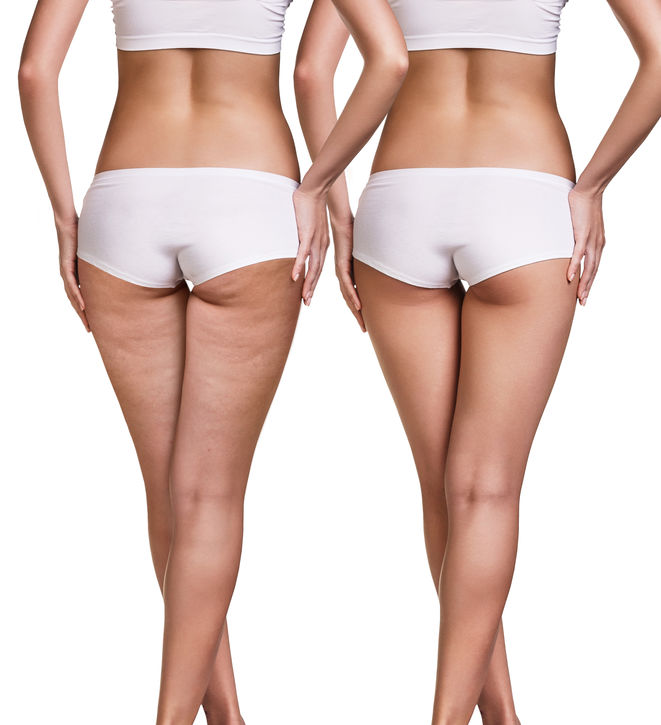
Cellulite, medically known as adipositas dermica or cellulitis panniculosa, isn’t a disease but a common physiological condition affecting the appearance of the skin. It typically manifests on the thighs, buttocks, abdomen, and arms, creating a textured surface that resembles orange peel or cottage cheese. The primary drivers behind cellulite’s formation are rooted in the intricate structure of our skin and the underlying fat distribution.

The Dermal-Hypodermal Interplay
Our skin is composed of several layers, with the dermis being the middle layer and the hypodermis (subcutaneous fat layer) beneath it. In individuals who develop cellulite, the connective tissue septa – fibrous bands that anchor the skin to underlying muscle – are arranged in a particular way. In women, these septa tend to run vertically, parallel to each other. When fat cells in the hypodermis begin to swell or push outwards, they press against the underside of the dermis. Because the septa are arranged vertically, these outward-pushing fat cells create indentations and dimples in the skin’s surface, leading to the characteristic cellulite appearance.
In contrast, men typically have a more criss-cross or net-like arrangement of these connective tissue septa. This structural difference provides a more robust and even support system for the underlying fat, making cellulite less common and often less pronounced in men.
Contributing Factors to Cellulite Formation
While the structural anatomy plays a foundational role, several other factors can influence the development and visibility of cellulite:
- Genetics: Predisposition plays a significant role. If your parents or close relatives have cellulite, you are more likely to develop it as well. Specific genes can influence collagen structure, fat distribution, and metabolic rate, all of which impact cellulite formation.
- Hormones: Hormones, particularly estrogen, are believed to play a crucial role. Estrogen influences fat storage, blood flow, and the production of collagen, which can affect the connective tissue. This is why cellulite is far more prevalent in women, especially after puberty. Other hormones like insulin, noradrenaline, thyroid hormones, and prolactin also contribute to the cellulite cycle.
- Age: As we age, our skin loses its elasticity and collagen production decreases. This thinning of the dermis makes the underlying fat structures more visible, exacerbating the appearance of cellulite. Circulation can also diminish with age, potentially contributing to fluid retention.
- Body Fat Percentage: While not solely a condition of being overweight, a higher percentage of body fat can make cellulite more noticeable. When fat cells enlarge, they push more aggressively against the connective tissue.
- Lifestyle Factors:
- Diet: A diet high in processed foods, excessive carbohydrates, and unhealthy fats can contribute to increased fat storage and inflammation, potentially worsening cellulite. Dehydration can also make the skin appear less plump and therefore more dimpled.
- Sedentary Lifestyle: Lack of physical activity can lead to poor circulation and reduced muscle tone. Muscles beneath the skin can provide a smoother base for the fat layer; when they are weak, cellulite may be more apparent.
- Smoking: Smoking damages connective tissue and impairs blood circulation, both of which can contribute to the formation and visibility of cellulite.
- Prolonged Sitting or Standing: These postures can impede circulation and contribute to fluid retention in the lower body, potentially accentuating cellulite.
The Marketing and Technological Arms Race Against Cellulite
The pervasive nature of cellulite has created a massive global market for products and treatments aiming to reduce its appearance. This is where the “Brand” and “Tech” pillars of our website topics intersect with the “Money” aspect.
Brand Strategies: From Empowerment to Erasure
The beauty and wellness industry has long capitalized on the desire to achieve “perfect” skin. Brands employ sophisticated marketing strategies to position cellulite solutions, ranging from skincare products to advanced treatments.
- The “Problem/Solution” Narrative: Many campaigns implicitly or explicitly frame cellulite as a problem to be solved, often linking it to a lack of femininity, beauty, or fitness. This creates a perceived need for their products.
- Aspirational Imagery: Advertisements frequently feature models with seemingly flawless skin, implying that their products are responsible for this perfection. This creates an aspirational benchmark that many consumers strive to reach.
- Scientific-Sounding Jargon: Products are often marketed with terms like “liporeductive,” “firming,” “toning,” and “anti-cellulite complex,” lending an air of scientific efficacy even if the actual impact is minimal. Ingredients are highlighted with complex names, suggesting advanced formulation.
- The Rise of “Body Positivity” Counter-Narratives: In response to criticism and evolving societal views, some brands are shifting towards a more inclusive approach. This involves showcasing diverse body types and promoting self-acceptance while still offering products as tools for personal enhancement rather than mandatory fixes. However, the underlying economic incentive for these products remains.
- Influencer Marketing: Social media influencers play a significant role in promoting cellulite treatments. Their testimonials, often accompanied by before-and-after images, can sway consumer opinion and drive sales. This creates a powerful, albeit sometimes unverified, form of endorsement.

Technological Innovations and Their Promises
The “Tech” aspect of our website is heavily involved in the development and application of technologies designed to address cellulite. These range from sophisticated devices to novel treatment methodologies.
- Non-Invasive Treatments:
- Radiofrequency (RF) and Laser Therapies: These technologies use heat to stimulate collagen production, tighten the skin, and sometimes target fat cells. Multiple sessions are typically required, and results can vary.
- Acoustic Wave Therapy (AWT): This treatment uses sound waves to disrupt the fibrous septa and improve lymphatic drainage, which can lead to a smoother appearance.
- Vacuum-Assisted Massage and Suction Devices: These devices aim to improve circulation, lymphatic drainage, and break up fat deposits through mechanical manipulation.
- Cryolipolysis (Fat Freezing): While primarily used for fat reduction in general, some applications aim to target specific areas where cellulite is prominent.
- Minimally Invasive Procedures:
- Subcision: This procedure involves using a needle to cut the fibrous septa that are pulling the skin down, releasing the dimples. It is often combined with other treatments.
- Injectables: Certain injectable treatments aim to fill in dimples or break down fibrous bands. Research is ongoing in this area.
- Home-Use Devices: The market is saturated with at-home gadgets promising professional results, from massage rollers to RF devices. The efficacy of these devices is often debated and depends heavily on user consistency and the underlying technology.
The development and refinement of these technologies are driven by research, innovation, and significant investment, reflecting the lucrative nature of the cellulite treatment market.
The Financial Implications: Investment, Income, and Costs
The perception and treatment of cellulite have significant “Money” implications, impacting both individuals seeking solutions and the industries that cater to them.
The Cost of Confidence: Individual Spending
For individuals, the pursuit of smoother skin can be a substantial financial undertaking.
- Skincare Products: Over-the-counter creams, lotions, and serums marketed for cellulite can range from affordable to premium-priced. While some may offer temporary hydration and smoothing effects, their ability to permanently alter the underlying structure causing cellulite is limited.
- Professional Treatments: Treatments performed by dermatologists, plastic surgeons, or in specialized clinics can be considerably expensive. A course of RF treatments, for example, might cost thousands of dollars, depending on the number of sessions and the clinic’s location.
- Home-Use Devices: Investing in at-home gadgets can also represent a significant upfront cost, with prices ranging from tens to hundreds of dollars, and sometimes even more for advanced devices.
- Diet and Exercise Programs: While investing in a healthy lifestyle is beneficial overall, specialized diets, personal training, or wellness retreats focused on body composition can also incur costs.
The Business of Beauty: Industry Revenue and Online Income
The cellulite industry is a multi-billion dollar global market.
- Pharmaceutical and Cosmetic Companies: These companies invest heavily in research and development of new formulations and technologies, driving innovation and generating substantial profits.
- Clinics and Spas: Medical and aesthetic clinics offering cellulite treatments generate significant revenue from these procedures.
- Device Manufacturers: Companies producing professional and at-home cellulite treatment devices contribute to this economic ecosystem.
- Online Income Streams: The internet has opened up new avenues for income related to cellulite. This includes:
- Affiliate Marketing: Promoting cellulite products and treatments on blogs, social media, or review sites and earning a commission on sales.
- Content Creation: Developing informative articles, videos, or courses about cellulite, its causes, and potential management strategies, monetized through advertising or direct sales.
- E-commerce: Selling cellulite-related products, both established brands and niche items, through online stores.
Financial Considerations and Investment Advice
From a financial perspective, approaching cellulite solutions requires a balanced approach:
- Realistic Expectations: It’s crucial to understand that cellulite is a natural part of many people’s anatomy, and complete eradication is often unattainable. Treatments aim to reduce its appearance rather than eliminate it entirely.
- Return on Investment (ROI): When considering treatments, evaluate the potential benefits against the cost. Are the results likely to be significant enough to justify the expenditure?
- Beware of Scams: The lucrative nature of this market unfortunately attracts fraudulent products and misleading claims. Thorough research and consultation with reputable professionals are essential.
- Prioritize Health: Investing in a healthy lifestyle – balanced diet, regular exercise, and stress management – offers multifaceted benefits that extend beyond cellulite management and can contribute to overall well-being and a more positive body image.
In conclusion, understanding cellulite requires acknowledging its biological underpinnings, appreciating the intricate marketing strategies employed by brands, and recognizing the substantial financial ecosystem it has fostered. While technology offers promising advancements in managing its appearance, a balanced perspective that values health and self-acceptance is key. The conversation around cellulite is evolving, moving from a simple aesthetic concern to a broader discussion encompassing biology, branding, and financial considerations.
aViewFromTheCave is a participant in the Amazon Services LLC Associates Program, an affiliate advertising program designed to provide a means for sites to earn advertising fees by advertising and linking to Amazon.com. Amazon, the Amazon logo, AmazonSupply, and the AmazonSupply logo are trademarks of Amazon.com, Inc. or its affiliates. As an Amazon Associate we earn affiliate commissions from qualifying purchases.