
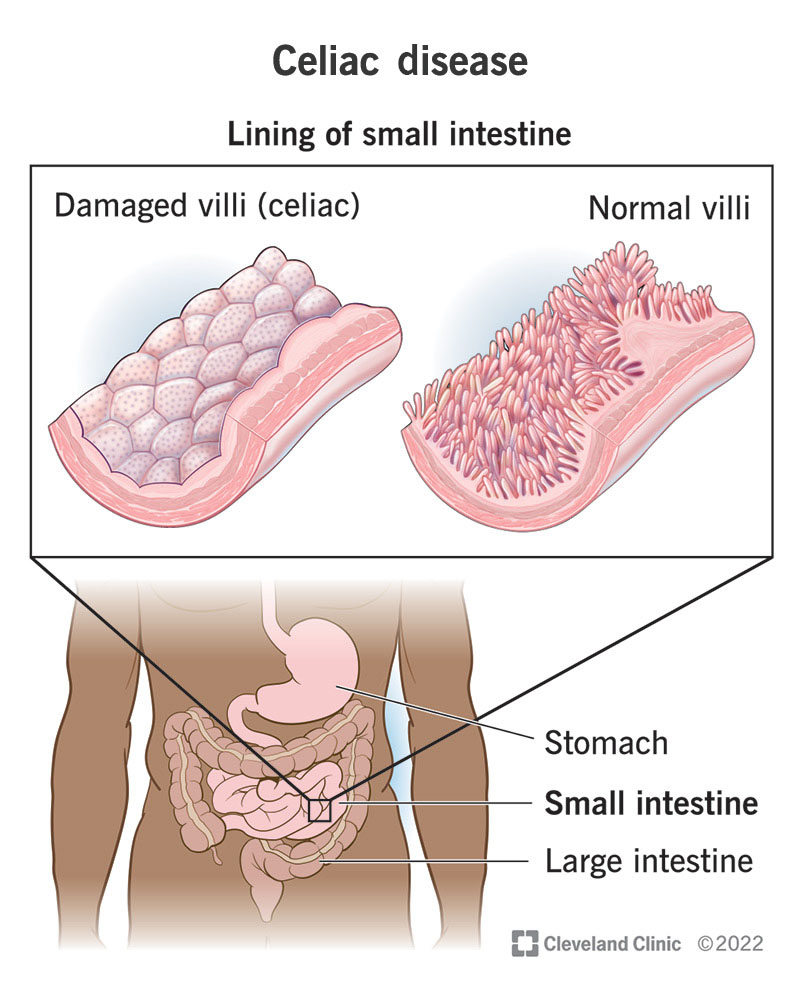
Celiac disease, often misunderstood and misdiagnosed, is far more than just a dietary preference; it’s a serious autoimmune disorder triggered by the consumption of gluten, a protein found in wheat, barley, and rye. For those living with it, adherence to a strict, lifelong gluten-free diet is not optional but medically necessary to prevent severe intestinal damage and a cascade of other health complications. While the medical definition focuses on pathology and symptoms, an often-overlooked dimension of celiac disease is its profound and multifaceted economic impact. From personal financial strain to burgeoning market opportunities and the broader healthcare economy, understanding celiac disease from a monetary perspective reveals critical insights for individuals, businesses, and policymakers alike.
The Hidden Financial Burden of Celiac Disease
Living with a chronic condition invariably introduces financial complexities, and celiac disease is no exception. The necessity of a strictly gluten-free lifestyle translates into distinct and often higher costs for affected individuals and their families, creating a unique set of challenges in personal finance.
Direct Costs: Gluten-Free Groceries and Medical Expenses
The most immediate financial impact for someone diagnosed with celiac disease is the cost of food. Gluten-free alternatives—breads, pastas, cereals, and processed foods—are consistently more expensive than their conventional gluten-containing counterparts. Studies have repeatedly shown that a gluten-free shopping basket can cost anywhere from 50% to 300% more, depending on the specific items and region. This price disparity isn’t merely a premium; it reflects specialized production processes, smaller market scales, and often higher-quality ingredients required to ensure cross-contamination prevention.
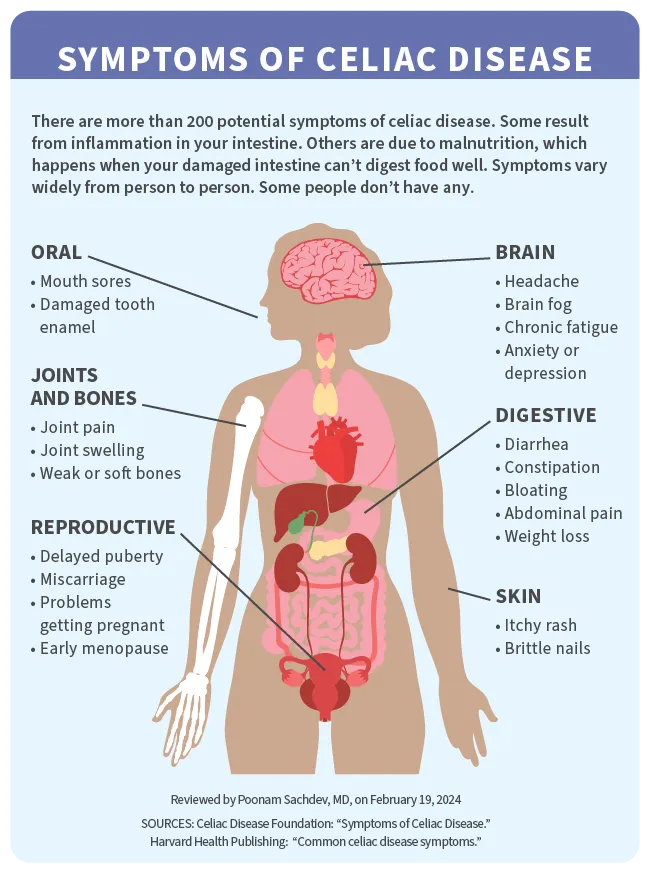
Beyond groceries, medical expenses contribute significantly to the financial burden. Initial diagnostic tests, which include blood tests and intestinal biopsies, can be costly, even with insurance. Ongoing management often requires regular follow-ups with gastroenterologists, dietitians, and other specialists to monitor health, address nutritional deficiencies, and manage related conditions (such as osteoporosis or anemia, which are common comorbidities). While some of these costs may be covered by health insurance, deductibles, co-pays, and uncovered services can accumulate, especially if specialized consultations or supplementary treatments are needed. The cost of vitamins and supplements to correct deficiencies stemming from malabsorption also adds to the monthly outlay.
Indirect Costs: Time, Social Life, and Productivity
The financial impact of celiac disease extends beyond direct monetary outlays, encompassing significant indirect costs that subtly erode economic well-being. Time is a critical, often unquantified, resource. Managing a gluten-free diet requires meticulous planning, label reading, and often more extensive home cooking, all of which consume considerable time. This time could otherwise be spent on income-generating activities, career development, or leisure. The mental load associated with constant vigilance to avoid cross-contamination in kitchens, restaurants, and social settings also takes a toll, potentially impacting focus and productivity at work.
Social life, too, carries an indirect financial component. Eating out, once a casual expense, becomes a minefield of potential gluten exposure, often limiting choices to more expensive restaurants with explicit gluten-free menus or requiring individuals to forgo dining experiences altogether. Social events, travel, and even everyday conveniences like grabbing a quick lunch can incur higher costs due to the need for specialized options or the expense of preparing and bringing one’s own food. For some, the stress and anxiety associated with accidental gluten exposure can lead to reduced social engagement, potentially affecting networking opportunities and overall quality of life, which, while intangible, has long-term economic implications. Furthermore, the chronic fatigue, digestive distress, and other symptoms experienced before diagnosis or due to accidental gluten exposure can lead to decreased work productivity, increased sick days, and even job insecurity, directly impacting earning potential.
Navigating Insurance and Healthcare Systems
The complexity of celiac disease management also brings into focus the intricacies of healthcare and insurance systems. Coverage for diagnostic tests, specialist visits, and dietary counseling varies widely depending on the insurance provider and plan. In many countries, gluten-free foods are not recognized as a medical necessity for tax deductions or prescription coverage, leaving individuals to bear the full cost. Advocacy efforts are continuously underway to classify gluten-free foods as essential medical expenses, which could significantly alleviate the financial strain for patients. Understanding one’s insurance policy, appealing denied claims, and navigating the often-labyrinthine healthcare bureaucracy becomes an additional, time-consuming task, further contributing to the indirect costs of the disease. The long-term implications of untreated or poorly managed celiac disease, leading to conditions like certain cancers or osteoporosis, can result in astronomically higher healthcare costs later in life, underscoring the economic importance of early diagnosis and strict adherence to diet.
Strategic Financial Management for Celiac Sufferers
Effectively managing the financial implications of celiac disease requires a proactive and strategic approach. By adopting specific financial planning techniques and leveraging available resources, individuals can mitigate some of the economic burden.
Budgeting for a Gluten-Free Lifestyle
A tailored budget is the cornerstone of financial management for individuals with celiac disease. This involves meticulously tracking food expenses to understand the true cost difference and identifying areas where savings can be made. Allocating a specific, realistic portion of the budget to gluten-free groceries is crucial. This might mean re-evaluating other discretionary spending categories to accommodate the higher food costs. Additionally, accounting for potential medical co-pays, supplements, and occasional specialized dining out within the budget helps in maintaining financial stability. Utilizing budgeting apps or spreadsheets can provide clarity and control over spending patterns, enabling informed decisions.
Smart Shopping and Meal Planning
Minimizing food costs while maintaining a strict gluten-free diet hinges on smart shopping and comprehensive meal planning. Buying naturally gluten-free foods like fresh fruits, vegetables, lean meats, fish, and dairy products often proves more cost-effective than relying heavily on processed gluten-free substitutes. Purchasing grains like rice, quinoa, and corn in bulk, when appropriate, can also lead to significant savings. Coupon clipping, taking advantage of sales, and exploring loyalty programs at grocery stores that offer gluten-free selections can further reduce expenses. Meal planning helps to prevent impulsive, often more expensive, gluten-free purchases and minimizes food waste, ensuring that every carefully selected ingredient is utilized efficiently. Batch cooking and freezing meals can also save time and money in the long run.
Exploring Financial Aid and Support Programs
While widespread government financial aid specifically for celiac disease is rare, individuals can explore various avenues for support. Some countries or regions offer tax credits or deductions for medical expenses, which may include a portion of gluten-free food costs if prescribed by a doctor. Health Savings Accounts (HSAs) or Flexible Spending Accounts (FSAs) allow individuals to set aside pre-tax money for medical expenses, including diagnostic tests, specialist visits, and potentially some medically necessary gluten-free foods. Additionally, patient advocacy groups and non-profit organizations often provide resources, educational materials, and sometimes even direct financial assistance or discount programs for those struggling with the costs associated with celiac disease. Engaging with these communities can also offer invaluable peer support and practical advice on managing the financial aspects of the condition.
Entrepreneurial Opportunities in the Gluten-Free Market
The growth of awareness around celiac disease, coupled with an increasing number of individuals adopting gluten-free diets for various reasons, has transformed the gluten-free market into a significant economic sector, ripe with entrepreneurial and investment opportunities.
Identifying Gaps: Products, Services, and Information
The gluten-free market, despite its expansion, still presents numerous gaps for savvy entrepreneurs. While basic gluten-free staples are more readily available, there’s a constant demand for innovative, high-quality products that don’t compromise on taste or texture. This includes specialized baked goods, convenient ready-to-eat meals, ethnic food options, and even gluten-free alcoholic beverages. Beyond products, service gaps exist in areas like dedicated gluten-free catering, specialized bakeries, restaurants with robust cross-contamination protocols, and travel agencies offering gluten-free friendly itineraries. Informational services, such as specialized dietetic consulting, online recipe platforms, or apps for identifying safe dining options, also represent lucrative ventures. Entrepreneurs who truly understand the unique challenges of living gluten-free are best positioned to identify and fill these market voids.
Turning Personal Experience into Profit: Online Businesses and Side Hustles
For many living with celiac disease, personal experience becomes a powerful catalyst for entrepreneurial endeavors. Starting an online business or a side hustle centered around gluten-free living can be both personally rewarding and financially lucrative. This could involve developing and selling unique gluten-free recipes, launching a blog or YouTube channel sharing tips and product reviews, offering virtual cooking classes, or creating and selling specialized gluten-free products through e-commerce platforms. The authenticity derived from personal experience resonates strongly with the target audience, building trust and community. Affiliate marketing, brand partnerships, and advertising revenue can further diversify income streams for content creators in this niche. Furthermore, consulting services for food businesses looking to expand their gluten-free offerings, or even advocacy work that garners speaking fees, can be viable side hustles.
Investing in the Growing Gluten-Free Sector
Beyond direct entrepreneurship, the gluten-free market offers compelling investment opportunities. Investors can look at publicly traded food companies that have significantly invested in their gluten-free product lines or specialized gluten-free brands. Biotechnology and pharmaceutical companies working on therapies or diagnostic tools for celiac disease also represent potential investment avenues. Venture capital and angel investors are increasingly interested in innovative startups in the food tech space focusing on allergen-free or specialized dietary solutions. Understanding market trends, consumer preferences, and regulatory landscapes is crucial for informed investment decisions in this dynamic sector. As awareness of celiac disease and other food sensitivities continues to grow globally, so too will the demand for safe, palatable, and diverse gluten-free options, making it a sector with sustained growth potential.
The Broader Economic Impact and Future Trends
The economic footprint of celiac disease extends beyond individual budgets and niche businesses, influencing broader market dynamics, public health spending, and industry innovation. Recognizing these wider implications is crucial for a holistic understanding of the condition’s place in the modern economy.
Market Growth and Investment Potential
The global gluten-free market is experiencing robust growth, projected to reach multi-billion dollar valuations in the coming years. This expansion is driven by increasing diagnosis rates of celiac disease, a rise in non-celiac gluten sensitivity awareness, and a growing consumer perception of gluten-free products as healthier. This trend stimulates innovation in food science, ingredient sourcing, and manufacturing processes, attracting significant investment from both established food giants and agile startups. Companies that can deliver safe, affordable, and high-quality gluten-free products are well-positioned for market leadership and strong financial returns, making the sector attractive for institutional and individual investors alike.
Consumer Trends and Industry Innovation
The discerning gluten-free consumer, often highly informed and health-conscious, drives innovation within the food industry. There’s a persistent demand for products that mimic the taste and texture of their gluten-containing counterparts, pushing manufacturers to explore novel ingredients and processing techniques. Trends such as plant-based gluten-free options, organic certifications, and “free-from” multiple allergens are shaping product development. This consumer-led innovation not only benefits those with celiac disease but also spills over into the broader health food market, promoting healthier eating patterns and ingredient transparency across the board. The rise of specialized apps for allergen tracking and restaurant reviews also reflects a digital transformation driven by specific dietary needs.

Policy and Advocacy: Driving Change and Economic Benefits
Policy and advocacy play a vital role in shaping the economic landscape for individuals with celiac disease. Lobbying for better insurance coverage for diagnostic tests and dietary counseling, pushing for clearer labeling regulations, and advocating for tax relief on gluten-free foods can significantly reduce the financial burden on patients. Furthermore, public health campaigns aimed at early diagnosis can lead to massive long-term savings in healthcare costs by preventing severe complications and comorbidities associated with untreated celiac disease. Economically, a healthier population is a more productive population. Investment in research, education, and support for celiac disease management can therefore be viewed as an investment in public health and economic well-being, fostering a more inclusive and robust economy for all.
In conclusion, while “what is celiac disease” fundamentally addresses a medical condition, its economic reverberations are undeniable and profound. From the nuanced financial planning required at the individual level to the burgeoning entrepreneurial and investment opportunities in a rapidly expanding market, celiac disease is a potent force shaping segments of our economy. Recognizing and addressing these monetary dimensions is essential not only for improving the lives of those affected but also for fostering innovation, driving market growth, and building a more financially resilient and equitable society.
aViewFromTheCave is a participant in the Amazon Services LLC Associates Program, an affiliate advertising program designed to provide a means for sites to earn advertising fees by advertising and linking to Amazon.com. Amazon, the Amazon logo, AmazonSupply, and the AmazonSupply logo are trademarks of Amazon.com, Inc. or its affiliates. As an Amazon Associate we earn affiliate commissions from qualifying purchases.