
The term “CCF” in the context of gas, particularly natural gas, primarily refers to a unit of measurement: Centum Cubic Feet. This unit is fundamental to understanding gas consumption, billing, and reporting within the energy sector. While seemingly straightforward, the concept of CCF carries significant weight in the technological infrastructure and economic frameworks that govern gas distribution and utilization. To fully grasp what CCF in gas entails, we must delve into its definition, its historical and practical applications, and its implications within the broader technological landscape of energy management.
The adoption of CCF as a standard unit is a testament to the evolving methods of quantifying and accounting for energy resources. As gas networks expanded and became more industrialized, standardized measurement units became crucial for accurate invoicing, regulatory compliance, and the development of sophisticated metering technologies. Understanding CCF isn’t just about decoding a unit on your utility bill; it’s about appreciating a piece of the technological backbone that supports a vital energy source.
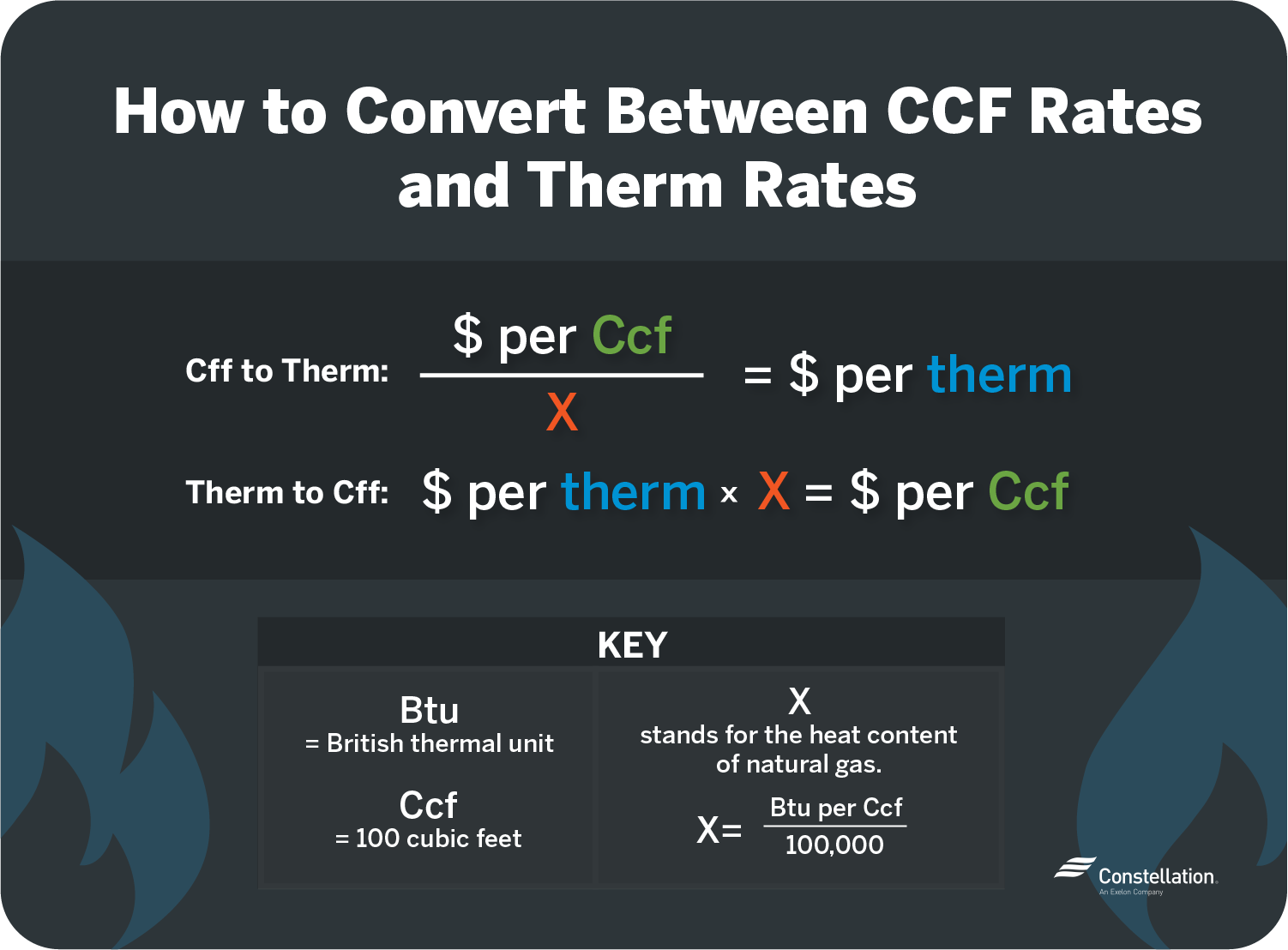
Understanding the Unit: Centum Cubic Feet
At its core, CCF is a measure of volume. The word “centum” is Latin for “hundred,” meaning CCF represents one hundred cubic feet of gas. This might seem like a small quantity, but when dealing with the vast volumes of natural gas used in residential, commercial, and industrial settings, it becomes a practical and manageable unit.
The use of CCF is predominantly seen in North America, particularly in the United States and parts of Canada, for the measurement and billing of natural gas. While other units like therms, British Thermal Units (BTUs), or cubic meters are also used globally and sometimes within specific contexts in North America, CCF remains a common denomination for residential and smaller commercial customers.
The Cubic Foot as a Base Unit
Before understanding CCF, it’s essential to understand the base unit: the cubic foot. A cubic foot is a unit of volume representing a cube with sides measuring one foot each. In the context of gas, it refers to the volume of gas that would occupy a space of one cubic foot under specific standard conditions of temperature and pressure. These standard conditions are important because gas volume is highly sensitive to changes in temperature and pressure.
However, in everyday gas metering, the volume measured is typically the “unadjusted” volume at the meter’s location. This unadjusted volume is then often converted to CCF for billing purposes. This conversion is a technological process facilitated by the gas meter itself, which is a sophisticated piece of engineering designed to accurately measure gas flow over time.
From Cubic Feet to Centum Cubic Feet
The conversion from individual cubic feet to CCF is a simple mathematical one: 1 CCF = 100 cubic feet. So, if a meter registers a total volume of 1,250 cubic feet, it would be reported as 12.5 CCF. This scaling down of the numbers makes the billing statements more concise and easier to read for consumers. It also aligns with the historical practices of utility companies in managing large volumes of data efficiently.
The adoption of CCF as a standard unit reflects an early approach to standardizing energy accounting, a precursor to the more complex, technologically driven energy management systems we see today. It’s a foundational element in the chain of processes that start with gas extraction and end with a precisely measured and billed energy supply to the end-user.
The Technology Behind Gas Measurement
The accurate measurement of gas volume, whether in cubic feet or converted to CCF, relies on sophisticated technological devices known as gas meters. These meters are not mere passive instruments; they are intelligent devices that employ various mechanisms to quantify the flow of gas. The evolution of gas metering technology has been driven by the need for greater accuracy, reliability, and the ability to integrate with modern data acquisition and management systems.
Mechanical Gas Meters: The Foundation
Historically, mechanical gas meters, such as diaphragm meters, have been the workhorses of gas measurement. These meters operate by dividing the gas flow into discrete volumes using flexible diaphragms or rotating vanes within chambers. As gas flows through, these diaphragms move, driving a mechanical linkage connected to a counter or index that records the total volume passed.
The index on a mechanical meter typically displays the volume in cubic feet, often with a dial system or a series of numbers that represent different orders of magnitude. For instance, one dial might represent tens of cubic feet, another hundreds, and another thousands. A customer or a meter reader would then interpret these readings to determine the total cubic feet consumed, which could subsequently be converted to CCF for billing. While robust, these mechanical meters have limitations in terms of precision, especially under varying pressure and temperature conditions, and require physical readings.
Electronic and Smart Gas Meters: The Digital Transformation
The advent of electronic and smart gas meters has revolutionized gas measurement, moving beyond simple mechanical recording to sophisticated digital data acquisition and communication. These meters use advanced sensing technologies to measure gas flow more accurately.
Diaphragm-based electronic meters often retain the mechanical diaphragm principle but use electronic sensors to detect the diaphragm’s movement, providing a digital output. Other technologies include turbine meters and ultrasonic meters. Turbine meters use a small turbine that spins as gas flows through, with the speed of rotation proportional to the flow rate. Ultrasonic meters, on the other hand, measure the time it takes for ultrasonic pulses to travel through the gas, with flow rate affecting this transit time.
Smart gas meters go a step further by incorporating communication modules, such as radio frequency (RF) or cellular capabilities. This allows for Automated Meter Reading (AMR) or Advanced Metering Infrastructure (AMI), where meter data can be transmitted remotely and automatically to the utility company. This eliminates the need for manual readings, reduces errors, and enables real-time or near-real-time monitoring of gas consumption.

The integration of these smart meters into the utility’s grid is a significant technological undertaking. It involves data management systems, cybersecurity protocols, and communication networks. These systems can automatically convert raw flow data into billable units like CCF, factoring in any necessary pressure and temperature corrections, a process that was historically more manual and prone to error.
CCF in Billing and Energy Management
The use of CCF has direct implications for how gas consumption is billed and how energy is managed. Understanding this unit is crucial for consumers to interpret their utility bills accurately and for utility companies to maintain efficient operations and transparent customer relations.
Decoding Your Gas Bill
When you receive a gas bill, you will typically see a section detailing your consumption. This consumption is often presented in CCF. For example, your bill might state “Total Usage: 85 CCF.” This means you have consumed 85 x 100 = 8,500 cubic feet of natural gas during the billing period.
The bill will also usually show the price per CCF. This price is determined by the utility company and can vary based on factors like the type of service (residential, commercial), the volume consumed (tiered pricing structures), and fluctuating market prices for natural gas. The total gas cost on your bill is calculated by multiplying your total CCF consumption by the price per CCF.
Crucially, your bill might also include adjustments for temperature and pressure. Natural gas is sold by volume, but its actual energy content (measured in BTUs or therms) varies with temperature and pressure. Utility companies often have agreements or regulations that require them to “correct” the measured volume to a standard condition, which is then converted to CCF for billing. This correction ensures that customers are billed for the actual energy content they receive, regardless of ambient conditions at the time of measurement. Smart meters and associated software play a vital role in automating these complex calculations, ensuring fairness and accuracy in billing.
The Role of CCF in Energy Efficiency and Conservation
While CCF is primarily a unit of volume, its consistent use in billing encourages energy efficiency by providing a tangible metric for consumption. When consumers see their usage in CCF, they can better understand the impact of their heating, cooking, and other gas-dependent activities. This awareness is a cornerstone of energy conservation efforts.
Technological advancements further empower this by providing tools for more detailed consumption analysis. Smart meters that track usage hourly or daily allow consumers to identify patterns and potential areas of waste. They can see how their CCF consumption fluctuates throughout the day and week, correlating it with specific appliance usage or weather patterns. This granular data, often processed and presented through web portals or mobile apps provided by utility companies, enables more informed decisions about energy use.
For businesses and industrial users, understanding CCF is even more critical. Large-scale consumption can translate into significant financial implications, and accurate measurement and management of CCF are essential for cost control, operational efficiency, and meeting environmental targets. The integration of CCF data into sophisticated energy management systems allows for predictive analysis, demand-response programs, and optimization of gas usage, all of which are enabled by the foundational understanding of this measurement unit.
Beyond the Bill: CCF in the Wider Energy Ecosystem
The significance of CCF extends beyond individual consumer bills and into the broader technological and economic landscape of the natural gas industry. It’s a unit that underpins reporting, regulatory compliance, and the infrastructure that delivers gas.
Regulatory and Reporting Standards
In the United States, the use of CCF is often mandated or referenced in regulatory frameworks governing the natural gas industry. Public Utility Commissions (PUCs) in various states, as well as federal agencies like the Federal Energy Regulatory Commission (FERC), oversee the gas market. These bodies often set standards for meter calibration, billing practices, and the reporting of consumption data, where CCF is a common denomination.
Utility companies are required to report their total gas throughput, system losses, and sales volumes to regulatory bodies. These reports often utilize CCF as the standard unit of measurement, ensuring consistency and comparability across different utilities and jurisdictions. This standardization is crucial for market analysis, policy development, and ensuring the integrity of the energy supply chain.
Infrastructure and Distribution Technology
The design and operation of natural gas infrastructure are intrinsically linked to the volume of gas being transported and distributed, often measured in CCF or its larger equivalents (e.g., MCF for thousand cubic feet, or MMcf for million cubic feet). Pipeline capacities, storage facility volumes, and the sizing of distribution networks are all calculated and managed with these volumetric units in mind.
Furthermore, the technological systems that manage the flow of gas through these networks rely on accurate volume measurements. Supervisory Control and Data Acquisition (SCADA) systems, for instance, collect real-time data from various points in the gas network, including flow rates and pressures. This data, often derived from meters measuring in cubic feet, is aggregated and analyzed to optimize flow, ensure safety, and respond to changes in demand. The conversion to CCF and its larger counterparts is a fundamental part of this data processing pipeline, enabling efficient management of massive energy flows.

The Future of Gas Measurement and CCF
As the energy sector evolves with increasing integration of renewable energy sources and a push towards decarbonization, the role of traditional volumetric units like CCF may also see shifts. However, for the foreseeable future, natural gas will remain a significant part of the energy mix, and CCF will continue to be a vital unit of measurement.
Future technological advancements in gas metering will likely focus on even greater accuracy, enhanced data analytics capabilities, and seamless integration with smart grid technologies. There may also be a greater emphasis on measuring the energy content (BTU value) of the gas directly, rather than just its volume, especially as gas blends become more diverse. Nevertheless, the concept of CCF as a standard unit for volumetric measurement in billing and reporting is deeply entrenched and will likely persist as a key component of the energy management ecosystem, supported by increasingly sophisticated technological underpinnings.
aViewFromTheCave is a participant in the Amazon Services LLC Associates Program, an affiliate advertising program designed to provide a means for sites to earn advertising fees by advertising and linking to Amazon.com. Amazon, the Amazon logo, AmazonSupply, and the AmazonSupply logo are trademarks of Amazon.com, Inc. or its affiliates. As an Amazon Associate we earn affiliate commissions from qualifying purchases.