
In the burgeoning landscape of the cannabis industry, the focus has historically been on the marquee cannabinoids: Tetrahydrocannabinol (THC) for its psychoactive properties and Cannabidiol (CBD) for its wellness applications. However, as research advances and market sophistication grows, a lesser-known but increasingly valuable cannabinoid, Cannabinol (CBN), is stepping into the spotlight. Often referred to as “CBN weed” when discussing its presence in the cannabis plant or related products, CBN represents a significant new frontier for investors, entrepreneurs, and consumers alike. Understanding what CBN is, and more importantly, its economic implications, is crucial for anyone looking to navigate or capitalize on the next wave of cannabis innovation. This article delves into CBN through a financial lens, exploring its market dynamics, investment opportunities, and the business models shaping its commercial future.
The Emergence of CBN: A New Frontier in Cannabis Economics
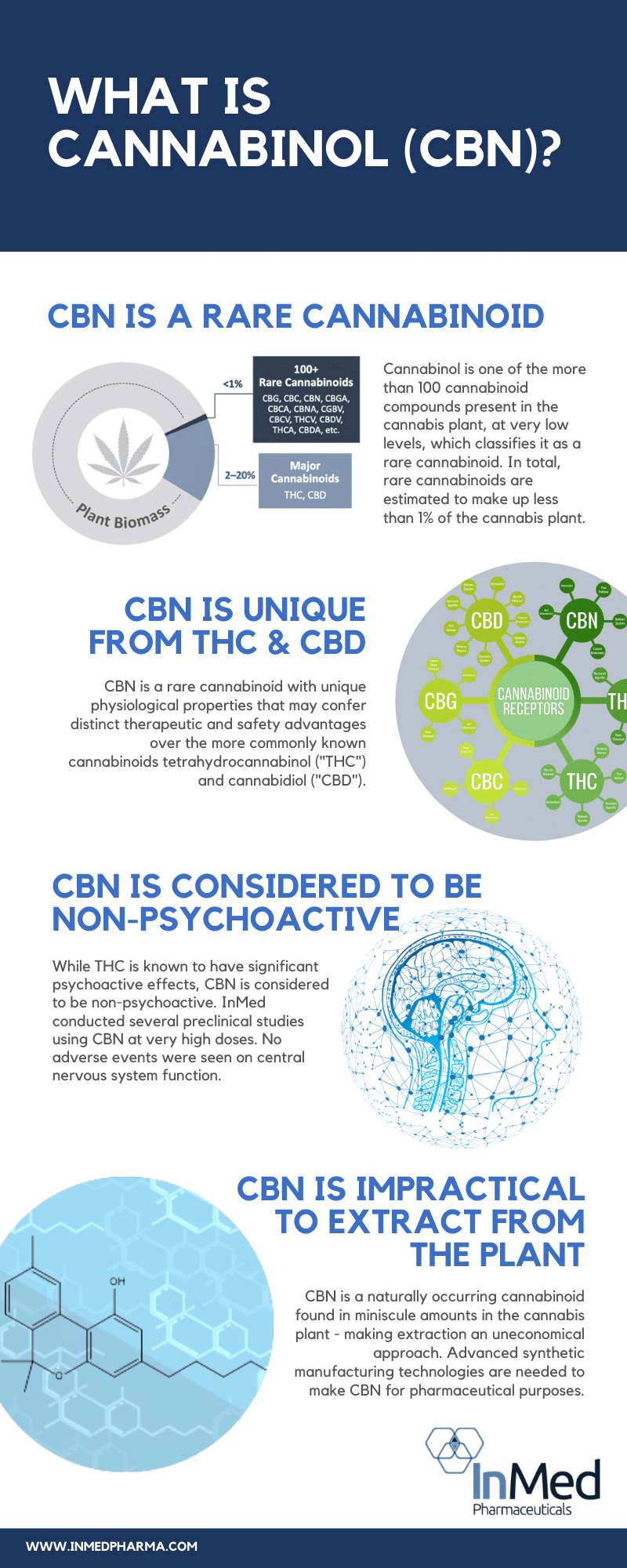
The cannabis plant is a complex chemical factory, producing over a hundred different cannabinoids, each with unique properties and potential applications. While THC and CBD have dominated the conversation and the market, the natural degradation process of THC, particularly when exposed to oxygen and UV light, leads to the formation of CBN. This makes CBN a unique compound, not directly synthesized by the plant in large quantities, but rather a derivative, often found in aged cannabis. Its increasing prominence in the market signals a maturation of the industry, moving beyond broad-spectrum appeals to highly specialized, targeted products that promise distinct consumer benefits and, consequently, unique financial value propositions.
Deciphering Cannabinol (CBN): Beyond THC and CBD
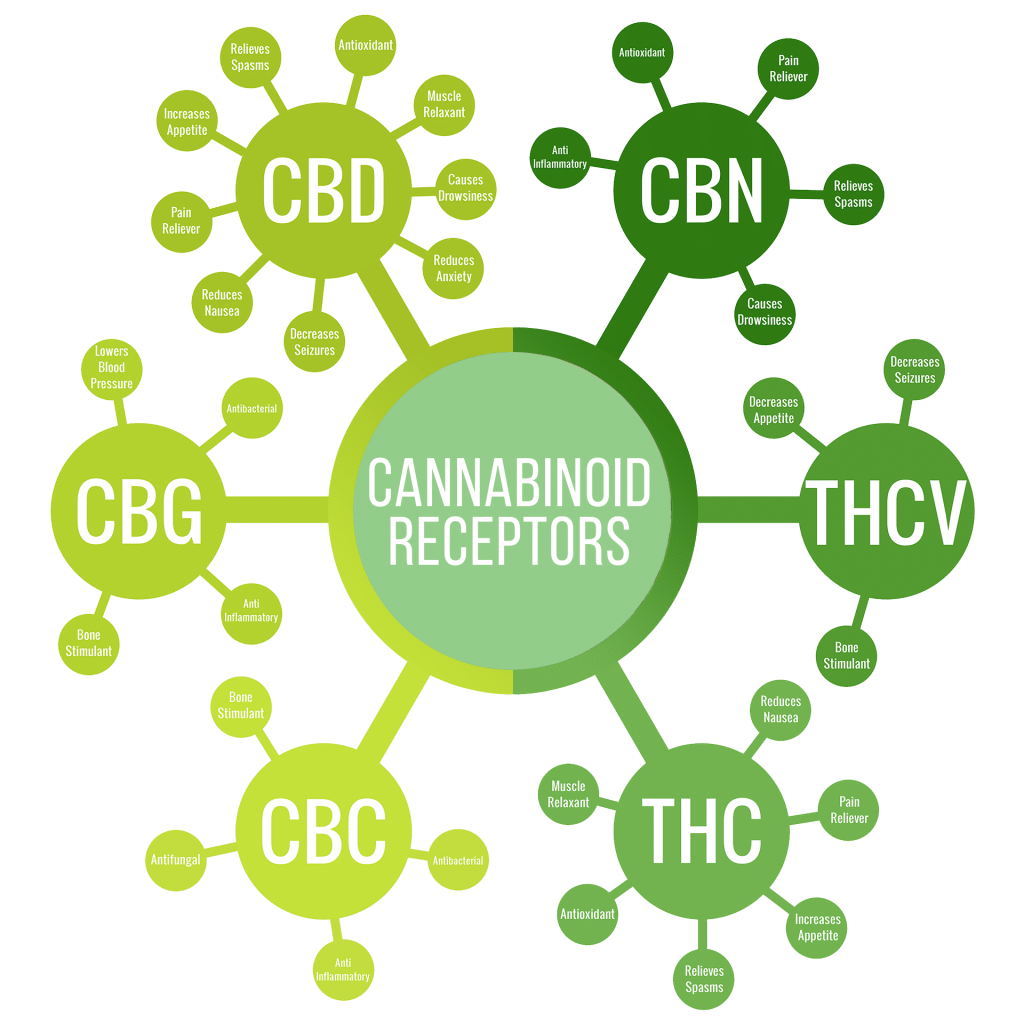
To grasp the financial gravity of CBN, one must first understand its fundamental nature and how it differentiates itself from its more famous relatives. CBN is mildly psychoactive, significantly less potent than THC, but its primary appeal is often linked to anecdotal evidence suggesting sedative properties, making it a subject of keen interest for sleep-aid formulations. This specific functional promise positions CBN in a distinct market niche, separate from the broader recreational or general wellness categories dominated by THC and CBD. From an economic perspective, this specialization allows for targeted product development and marketing, potentially commanding premium pricing for efficacy-driven solutions. The scientific elucidation of CBN’s mechanisms and effects, though still in early stages, is a key driver for investor confidence and market expansion, as robust data will underpin efficacy claims and consumer trust.
The Legal and Regulatory Landscape Affecting CBN’s Market
The economic viability of any cannabinoid is inextricably linked to its legal and regulatory status. Unlike THC, which faces stringent controls globally, or CBD, which has achieved widespread (though not entirely uniform) legality, CBN occupies a more ambiguous, yet often advantageous, position. In the United States, for example, the 2018 Farm Bill descheduled hemp (cannabis with less than 0.3% Delta-9 THC) and its derivatives. Since CBN is typically derived from hemp or aged cannabis, and is not explicitly listed as a controlled substance, it often falls into a legal gray area that permits its production and sale, provided its Delta-9 THC content remains below the legal limit.
This regulatory flexibility presents both opportunities and challenges for businesses. On one hand, it allows for quicker market entry and broader distribution compared to THC products. On the other hand, the lack of explicit, harmonized regulation across all jurisdictions creates uncertainty and necessitates careful legal counsel for businesses operating in this space. For investors, monitoring evolving regulations is paramount, as a sudden shift could significantly impact market access, operational costs, and overall profitability. The ability of companies to navigate this dynamic legal environment successfully will be a critical determinant of their financial success in the CBN market.
Market Dynamics and Investment Opportunities in the CBN Sector
The cannabis industry is projected to experience exponential growth, and within this larger trend, specific cannabinoid markets like CBN are carving out their own substantial share. The demand for differentiated cannabis products is growing, and CBN, with its distinct potential benefits, is perfectly positioned to capture a segment of this evolving consumer base.
Projecting Growth: The Expanding CBN Market Share
Early market analyses suggest that the CBN sector, though nascent, is poised for significant expansion. Factors driving this growth include: increasing consumer awareness of minor cannabinoids, a growing preference for natural wellness solutions, and the potential for CBN to address specific health concerns like sleep disturbances without the strong psychoactive effects of THC. As research validates these potential benefits, and as product innovation makes CBN more accessible and appealing, its market share within the broader cannabis and nutraceutical industries is expected to swell. Investors are keen on identifying companies that can effectively capture this growth, whether through proprietary extraction methods, novel product formulations, or robust distribution networks. The “first-mover advantage” in a specialized cannabinoid market like CBN can translate into substantial long-term financial gains.
Identifying Investment Vehicles: From Cultivation to Retail
Investing in the CBN market offers a spectrum of opportunities across the entire supply chain. At the foundational level, there are opportunities in cultivation, particularly for strains that naturally produce higher levels of CBN precursors or in technologies that accelerate THC degradation into CBN. Extraction and processing companies form another critical investment area, as specialized techniques are required to isolate and refine CBN from biomass. These companies are vital for providing high-purity CBN isolates and distillates to product manufacturers.
Further along the chain, product manufacturers developing CBN-infused edibles, tinctures, topicals, and vape products represent a direct consumer-facing investment. Companies with strong R&D capabilities, innovative product lines, and effective branding strategies are likely to be attractive. Finally, retail and distribution channels, including e-commerce platforms and specialized dispensaries, offer exposure to the end-consumer market. Investors might consider publicly traded cannabis companies with a strong CBN focus, private equity investments in startups, or even venture capital funds specializing in the cannabis and wellness sectors. Diversification across these segments can mitigate risk and capitalize on various growth drivers within the CBN ecosystem.
Business Models and Revenue Streams for CBN Products
The nascent CBN market is fertile ground for diverse business models, ranging from highly specialized B2B ingredient suppliers to direct-to-consumer (D2C) brands. Companies are experimenting with various strategies to commercialize CBN, build brand loyalty, and secure sustainable revenue streams in a competitive environment.
Product Innovation: Diversifying CBN Offerings
Innovation is the lifeblood of the CBN market. While initial products might have been simple tinctures or capsules, the future promises a wider array of sophisticated offerings. Businesses are exploring:
- Targeted Sleep Aids: Gummies, softgels, and beverages specifically formulated with CBN, often combined with other natural sleep aids like melatonin or magnesium.
- Topicals and Skincare: Leveraging CBN’s potential anti-inflammatory properties for balms, creams, and lotions.
- Pet Products: Addressing anxiety or sleep issues in animals, mirroring the CBD pet market boom.
- Synergistic Formulations: Blending CBN with other minor cannabinoids or terpenes to enhance specific effects through the “entourage effect.”
Companies that can consistently bring novel, effective, and appealing CBN products to market will be best positioned for financial success. This requires significant investment in research and development, quality control, and understanding consumer preferences.
Supply Chain Economics: Cultivation, Extraction, and Distribution
The efficiency and integrity of the CBN supply chain are paramount to profitability.
- Cultivation: While CBN is primarily a degradation product, cultivators are exploring methods to optimize its presence in biomass, potentially through specific curing processes or cultivating high-THC strains specifically for CBN conversion.
- Extraction & Refinement: Specialized extraction technologies (e.g., CO2, ethanol) and advanced chromatography are crucial for isolating high-purity CBN. Investment in these technologies can yield significant cost efficiencies and product quality advantages.
- Distribution: Building robust and compliant distribution networks is essential. This includes navigating varying state and international shipping regulations, managing inventory, and establishing partnerships with retailers or directly reaching consumers through e-commerce.
Each stage of the supply chain presents opportunities for cost optimization, value addition, and strategic partnerships, all of which directly impact a company’s financial performance. Vertical integration, where a single company controls multiple stages, can offer greater control over quality and costs, potentially leading to higher profit margins.
Retail Strategies and Consumer Engagement
Effective retail strategies are vital for converting CBN’s potential into actual sales. This involves:
- Education: As a lesser-known cannabinoid, consumer education is critical. Brands need to clearly communicate what CBN is, its unique benefits, and how it differs from CBD or THC. Educational content, clear labeling, and informed retail staff are essential.
- Branding: Crafting a compelling brand identity that resonates with the target demographic (e.g., individuals seeking sleep support, wellness enthusiasts) is key. Trust, transparency, and consistency in messaging will foster loyalty.
- Channels: While online sales offer broad reach, partnerships with natural health stores, pharmacies, and specialty cannabis retailers can enhance credibility and accessibility.
- Pricing: Premium pricing for specialized, high-quality CBN products can be justified, but competitive analysis and understanding consumer willingness-to-pay are crucial for maximizing revenue without alienating potential customers.
Financial Considerations and Risk Management in the CBN Market
Investing in and operating within the CBN market, like any emerging industry, comes with its own set of financial considerations and inherent risks. Prudent financial planning, comprehensive due diligence, and proactive risk management are essential for long-term success.
Valuing CBN: Pricing Strategies and Profit Margins
The pricing of CBN products is a delicate balance. As a relatively scarce and specialized cannabinoid, high-purity CBN isolates can command premium prices compared to bulk CBD. However, businesses must also consider production costs, market demand, competitor pricing, and consumer perceived value.
- Cost-Plus Pricing: Ensuring all production, marketing, and distribution costs are covered, plus a healthy profit margin.
- Value-Based Pricing: Pricing based on the perceived benefits and unique value proposition of CBN, especially for targeted wellness products.
- Competitive Pricing: Analyzing the pricing strategies of other CBN product manufacturers and adjusting accordingly.
Profit margins will vary significantly based on product type, purity, brand strength, and operational efficiency. Companies that can achieve economies of scale in production and effectively manage their supply chain are likely to realize higher profitability.
Funding the Future: Capital Acquisition and Financial Projections
For startups and growing businesses in the CBN sector, securing adequate capital is paramount. This can involve:
- Seed Funding/Venture Capital: For early-stage companies focusing on R&D or initial market entry.
- Angel Investors: High-net-worth individuals interested in emerging markets.
- Private Equity: For more mature companies looking to scale operations or acquire competitors.
- Debt Financing: Loans from banks or specialized lenders, though traditional banking can be challenging due to lingering federal cannabis prohibition.
- Public Offerings: For larger companies seeking significant capital from public markets.
Robust financial projections, demonstrating clear revenue streams, scalable business models, and a path to profitability, are critical for attracting investors. Detailed financial models accounting for market growth, regulatory changes, and competitive pressures will instill confidence in potential funders.
Navigating Regulatory and Market Volatility
The most significant financial risks in the CBN market stem from its evolving regulatory landscape and inherent market volatility.
- Regulatory Shifts: A sudden change in federal or state regulations regarding CBN’s legality, allowable concentrations, or marketing claims could drastically impact market access and product viability. Businesses must maintain legal vigilance and be prepared to adapt.
- Market Saturation: As more players enter the CBN space, competition will intensify, potentially driving down prices and profit margins. Differentiation through innovation, branding, and superior quality will be crucial.
- Scientific Uncertainty: While promising, much of CBN’s reported efficacy is still anecdotal. If future scientific research does not strongly validate these claims, consumer demand could wane, impacting sales and brand reputation.
- Supply Chain Disruptions: Issues with cultivation, extraction, or distribution can lead to shortages or increased costs, affecting profitability. Diversifying suppliers and building resilient supply chains are key mitigation strategies.
In conclusion, “CBN weed” represents more than just another cannabinoid; it signifies a lucrative new chapter in the cannabis industry’s economic narrative. For those with a keen eye for emerging markets and a strategic approach to investment and business development, CBN offers a compelling opportunity to unlock significant financial potential. However, success will hinge on a deep understanding of its scientific underpinnings, astute navigation of regulatory complexities, continuous product innovation, and rigorous financial management in a dynamic and competitive landscape.
aViewFromTheCave is a participant in the Amazon Services LLC Associates Program, an affiliate advertising program designed to provide a means for sites to earn advertising fees by advertising and linking to Amazon.com. Amazon, the Amazon logo, AmazonSupply, and the AmazonSupply logo are trademarks of Amazon.com, Inc. or its affiliates. As an Amazon Associate we earn affiliate commissions from qualifying purchases.