
In an increasingly digital world, the causes of discomfort, including ear pain, are evolving beyond traditional medical explanations. While infections, allergies, and structural issues remain primary culprits, the pervasive presence of technology in our daily lives introduces a new spectrum of contributing factors. From personal audio devices to prolonged screen exposure and the very nature of our digital environments, technology plays a multifaceted role in the onset and exacerbation of ear-related discomfort. Understanding these tech-centric influences is crucial for prevention and effective management in the modern era.
The Ubiquitous Connection: Gadgets and Auditory Discomfort
Our reliance on personal audio devices—headphones, earbuds, and headsets—has become almost universal, integrating seamlessly into work, leisure, and communication. However, this convenience comes with potential drawbacks for auditory health, making these gadgets significant, albeit often overlooked, contributors to ear pain. The intimate interaction between these devices and our ears creates specific stressors that can manifest as discomfort or more severe conditions.

The Silent Threat of Excessive Volume
One of the most direct links between technology and ear pain stems from the misuse of personal audio devices, particularly regarding volume levels. Prolonged exposure to high decibel levels, even if not immediately painful, can lead to auditory fatigue and, over time, noise-induced hearing loss (NIHL). The ear’s delicate structures, including the eardrum and tiny hair cells in the cochlea, are susceptible to damage from intense sound pressure. When the ear is constantly assaulted by loud music, podcasts, or video calls, it enters a state of perpetual strain, which can manifest as a dull ache, throbbing pain, or a sensation of fullness in the ear. Many users are unaware of safe listening levels, often exceeding recommended thresholds (e.g., 85 decibels for no more than 8 hours a day) without realizing the cumulative damage. Modern smartphones and audio players often include warnings or volume limiters, but these are frequently overridden or ignored, paving the way for gradual auditory distress that culminates in noticeable pain. The psychoacoustic effect of loud sound can also increase general stress levels, which indirectly contributes to muscle tension around the head and jaw, further radiating into ear discomfort.
Ergonomics and Fit: The Overlooked Stressors
Beyond volume, the physical design and fit of headphones and earbuds play a critical role in ear pain. Ill-fitting or improperly worn devices can exert undue pressure on various parts of the ear, leading to mechanical stress and localized pain. Over-ear headphones, while often considered more comfortable, can compress the outer ear (pinna) against the head, restricting blood flow and causing pressure sores or general soreness, especially during extended use. The weight of bulkier headsets, often preferred by gamers or professionals for their superior audio quality, can also put strain on the temporal bones and jaw muscles, with pain radiating into the ear canal.
In-ear earbuds present their own set of ergonomic challenges. Many standard earbuds are designed to fit a generalized ear canal shape, which often doesn’t perfectly match individual anatomy. This can lead to a poor seal, requiring users to push them deeper or at awkward angles, causing irritation to the sensitive skin of the ear canal. The hard plastic or silicone tips can create pressure points, leading to inflammation, itching, and direct pain. Furthermore, the constant presence of a foreign object in the ear canal can interfere with the ear’s natural self-cleaning mechanisms, potentially leading to wax impaction or irritation that mimics otitis externa (swimmer’s ear). Custom-molded ear tips or different sized silicone sleeves can mitigate some of these issues, but many users continue to use standard, ill-fitting options, unknowingly contributing to their discomfort.
Hygiene Habits in the Age of Personal Audio Devices
The intimate contact between earbuds and the ear canal creates an environment susceptible to microbial growth, contributing significantly to ear pain through infection. Earbuds, particularly the silicone tips, can accumulate earwax, skin cells, sweat, and environmental debris. If not regularly cleaned, these surfaces become breeding grounds for bacteria and fungi. When reinserted into the ear canal, these microorganisms can be introduced directly, leading to outer ear infections (otitis externa). Such infections are characterized by intense itching, redness, swelling, and severe pain, often exacerbated by touching or moving the ear. Similarly, the moist, warm environment created by over-ear headphones, especially during strenuous activity or in humid climates, can also encourage bacterial or fungal growth on the ear’s surface, leading to skin irritation and pain. The act of sharing personal audio devices without proper sanitization further amplifies the risk of pathogen transmission, making diligent cleaning and personal device use crucial for preventing ear-related infections and subsequent pain.
Digital Lifestyle: Beyond the Headset
While personal audio devices are direct culprits, broader aspects of our digital lifestyle also contribute to ear pain through indirect mechanisms, affecting musculoskeletal health and environmental factors.
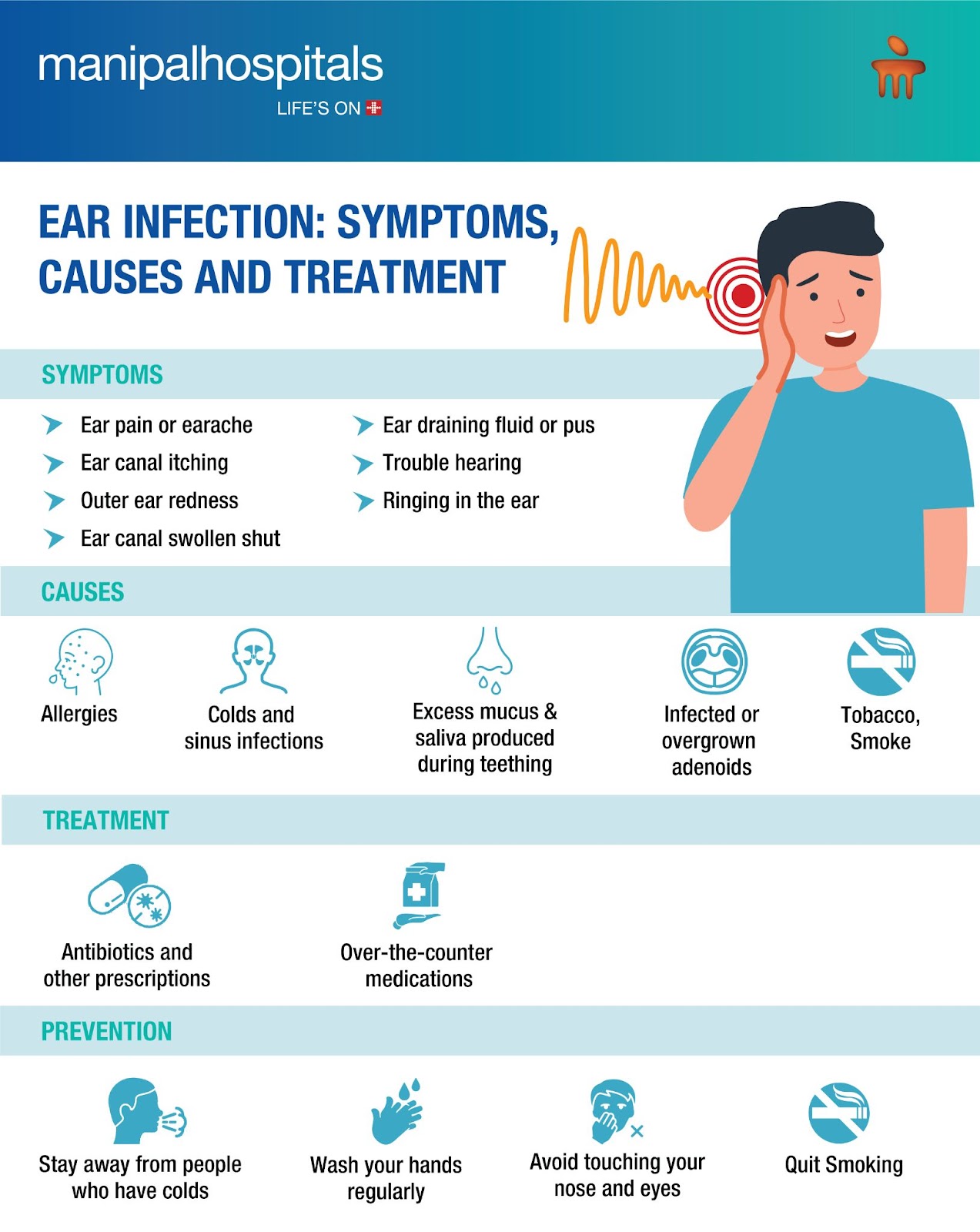
Posture and Tech-Neck Syndrome
The pervasive use of smartphones, tablets, and computers often leads to poor ergonomic posture, commonly known as “tech neck” or “text neck.” This involves prolonged periods of looking down or craning the neck forward, putting immense strain on the cervical spine and surrounding musculature. This sustained tension in the neck and shoulder muscles can lead to trigger points and referred pain. The temporomandibular joint (TMJ), which connects the jawbone to the skull, is closely located to the ear and is highly susceptible to this muscular tension. Discomfort or dysfunction in the TMJ (TMD) can manifest as ear pain, a feeling of fullness in the ear, or even ringing. Headaches originating from neck tension can also radiate to the ears. As our digital interactions increasingly require us to adopt these non-optimal postures for hours each day, the likelihood of developing musculoskeletal issues that present as ear pain grows significantly. Ergonomic adjustments to workstations, regular breaks, and conscious efforts to maintain proper head and neck alignment are essential to mitigate this tech-induced skeletal stress.
Environmental Digital Noise Pollution
Beyond the direct noise exposure from personal devices, the modern digital environment itself generates a constant hum of background noise that can contribute to auditory stress. Open-plan offices, public transportation with amplified announcements, smart home devices emitting notifications, and the general cacophony of a digitally augmented world create a persistent level of ambient noise. While individual sounds might not be excessively loud, the cumulative effect of this constant sonic input can lead to auditory fatigue. The brain is constantly processing these sounds, leading to an increased cognitive load and stress response. This chronic low-level auditory stress can manifest as a feeling of pressure or mild pain in the ears, a symptom often overlooked because it’s attributed to general fatigue rather than specific noise exposure. The brain’s attempt to filter and make sense of this pervasive digital din can heighten sensitivity to sound, making otherwise innocuous noises feel jarring and contributing to a general sense of ear discomfort or hyperacusis in susceptible individuals.
Leveraging Technology for Prevention and Health
Paradoxically, technology that can contribute to ear pain can also offer sophisticated solutions for prevention, monitoring, and management. Integrating smart tech and digital tools into our health routines can empower users to protect their auditory health more effectively.
Smart Audio Monitoring and Parental Controls
Many modern smartphones and dedicated audio devices now incorporate intelligent features designed to protect hearing. These include real-time decibel meters that warn users when volume levels are too high, alongside cumulative exposure tracking that alerts them to prolonged listening at unsafe volumes. Operating systems like iOS and Android provide robust “Headphone Accommodations” and “Reduce Loud Sounds” features that can automatically lower loud audio, customize frequency ranges, and provide listening level history. These functions, especially when combined with parental controls, can be invaluable in educating users, particularly younger generations, about safe listening habits and preventing early onset NIHL and associated pain. The ability to set maximum volume limits and daily listening duration caps provides a proactive defense against common tech-induced auditory damage.
Innovations in Ergonomic Audio Wear
The market for personal audio devices is rapidly evolving to address comfort and ergonomic fit. Manufacturers are increasingly offering a wider range of ear tip sizes and materials (e.g., memory foam, various silicone densities) to accommodate diverse ear canal anatomies, aiming for a secure yet gentle seal. Open-ear headphone designs, such as bone-conduction headphones, bypass the ear canal entirely, transmitting sound through the cheekbones directly to the inner ear. While not suitable for all applications, these can be a valuable alternative for individuals prone to ear canal irritation or pressure-induced pain from traditional earbuds. Similarly, lighter, more adjustable over-ear headphones with breathable earcups are emerging, designed for extended wear without excessive pressure or heat build-up. The development of custom-molded earbuds, once a niche product for audiophiles, is becoming more accessible through 3D scanning technology and personalized manufacturing, offering an unparalleled fit that minimizes discomfort and optimizes sound delivery without harmful pressure points.
Telemedicine and AI in Early Detection and Consultation
Technological advancements in telehealth are revolutionizing access to medical advice for ear pain. Virtual consultations with audiologists or general practitioners via video calls can provide initial assessments, helping patients understand potential causes and whether an in-person visit is necessary. AI-powered diagnostic tools, while still in early stages, are being developed to analyze symptoms and patient history, offering preliminary insights or guiding users on when to seek professional help. Mobile applications exist that can perform basic hearing tests, albeit not as a substitute for clinical evaluations, but as a preliminary screening tool to identify potential hearing changes that might be contributing to pain or discomfort. This ease of access reduces barriers to care, allowing for earlier intervention and preventing conditions from worsening, which in turn mitigates prolonged ear pain.
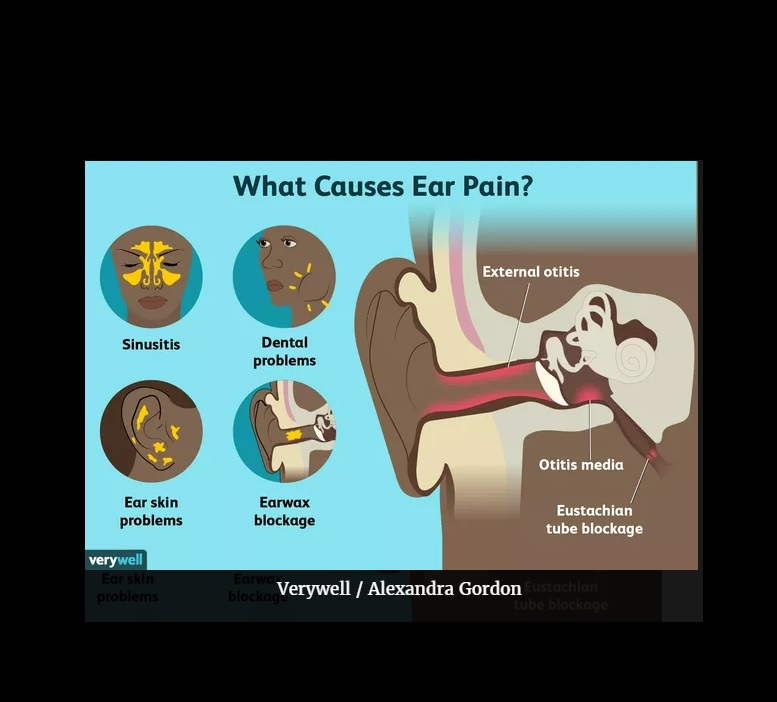
Digital Wellness Tools for Auditory Health Management
Beyond direct medical applications, digital wellness apps are emerging to support overall auditory health. These applications might offer guided listening breaks, white noise generators to combat environmental noise pollution during focus tasks, or mindfulness exercises specifically designed to reduce stress and anxiety, which can exacerbate pain perception. Some apps integrate with smart devices to track environmental noise levels, prompting users to move to quieter areas or use noise-canceling headphones to protect their ears. Features for journaling pain episodes, tracking potential triggers (including tech use patterns), and setting reminders for ear hygiene contribute to a holistic approach to managing and preventing technology-related ear pain, transforming personal devices from potential threats into tools for self-care and auditory well-being.
aViewFromTheCave is a participant in the Amazon Services LLC Associates Program, an affiliate advertising program designed to provide a means for sites to earn advertising fees by advertising and linking to Amazon.com. Amazon, the Amazon logo, AmazonSupply, and the AmazonSupply logo are trademarks of Amazon.com, Inc. or its affiliates. As an Amazon Associate we earn affiliate commissions from qualifying purchases.