
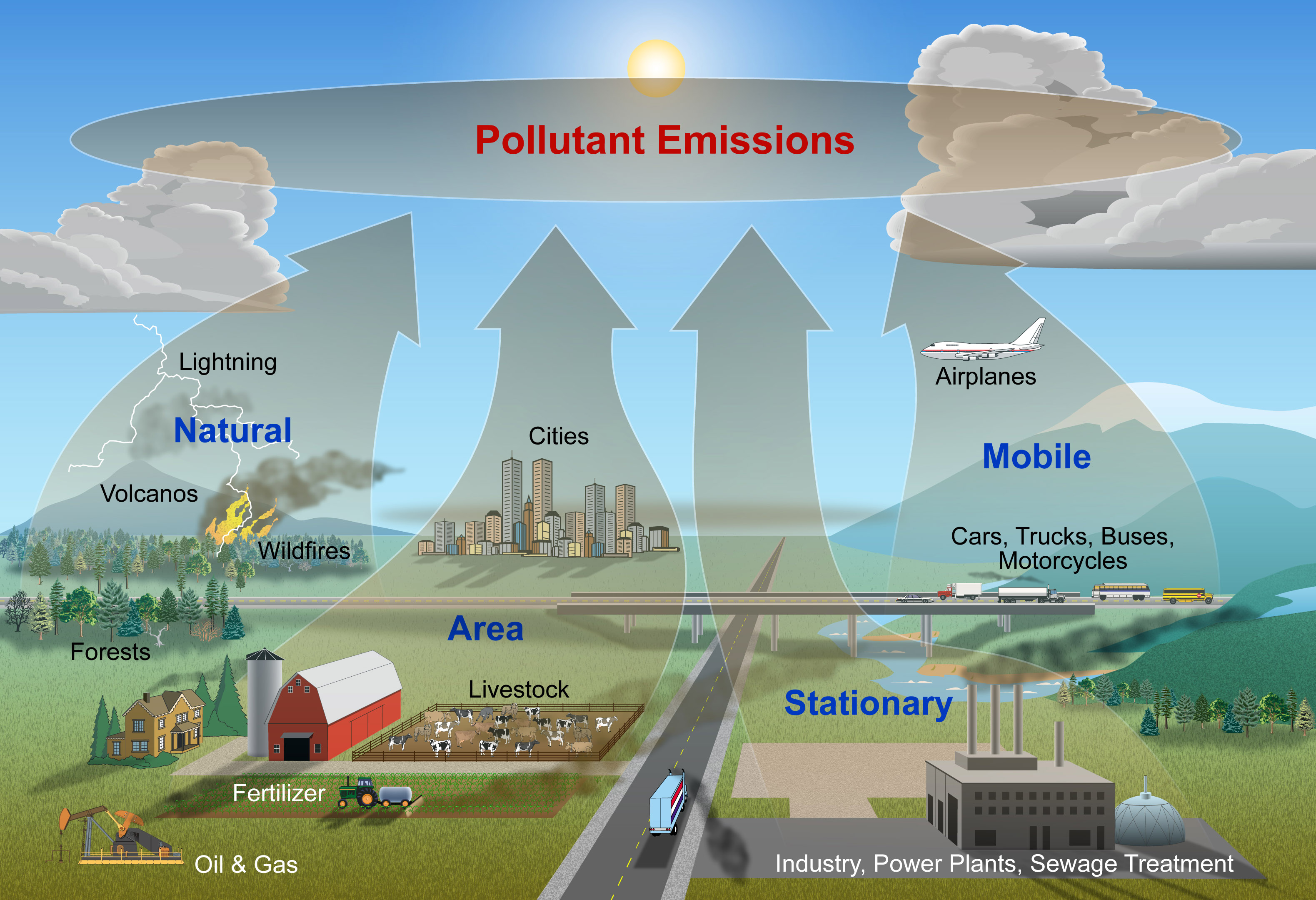
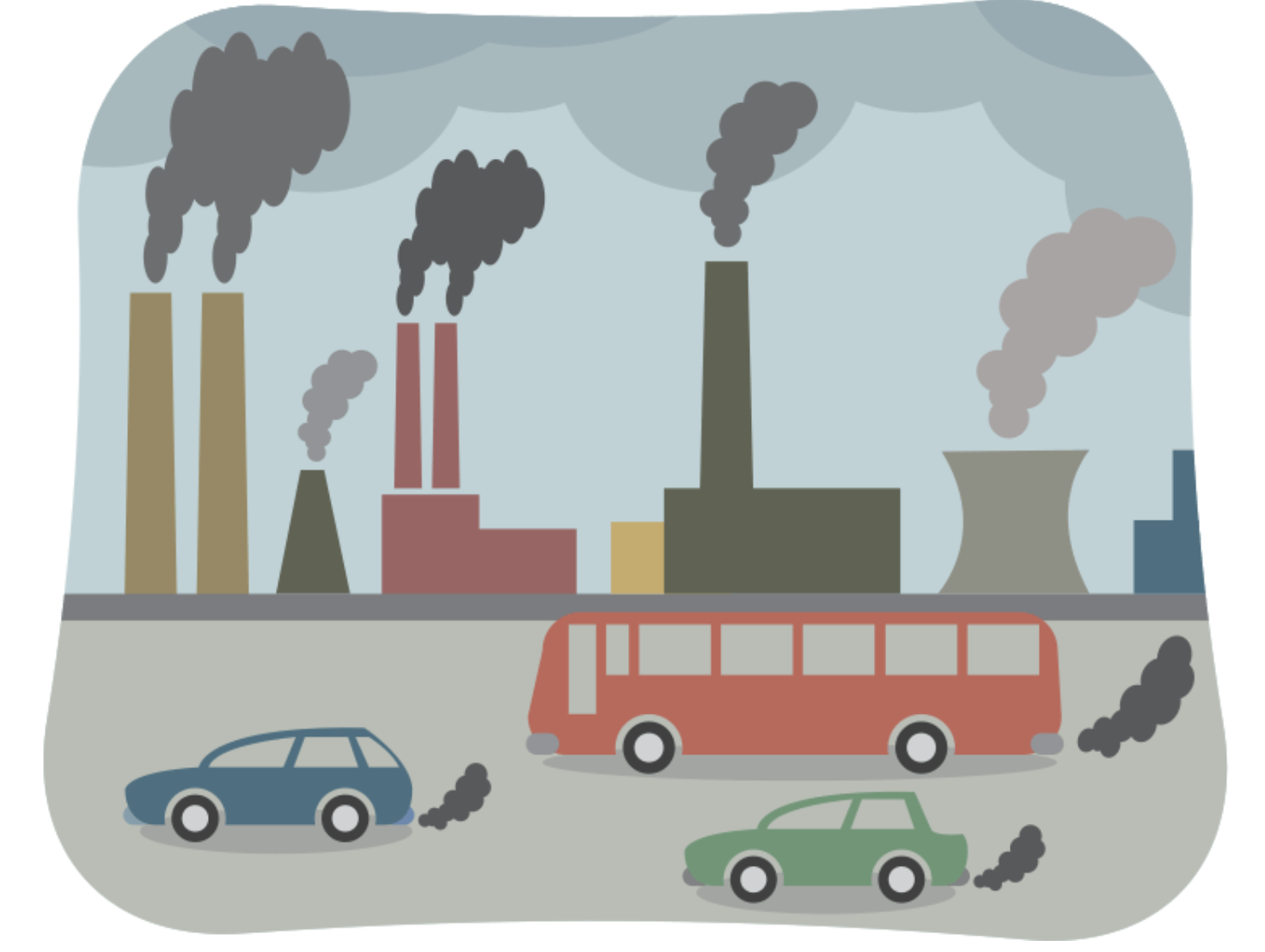
While the traditional image of air pollution involves soot-billowing factory chimneys and congested highways, the digital age has introduced a more insidious suite of atmospheric contaminants. As we pivot toward an era defined by Artificial Intelligence, global connectivity, and hyper-automation, the relationship between technology and our atmosphere has become increasingly complex. To understand what is truly causing air pollution in the 21st century, we must look beyond the exhaust pipe and examine the massive technological infrastructure that powers our digital lives.
From the energy-intensive cooling systems of global data centers to the toxic byproduct of semiconductor fabrication, technology is both a silent contributor to and a potential savior of our air quality. This article explores the technological niches responsible for modern air pollution and examines how the industry is grappling with its environmental footprint.
The Digital Footprint: Data Centers and the Energy Paradox
The “Cloud” is often marketed as a weightless, ethereal space, but its physical reality is grounded in massive, energy-hungry brick-and-mortar facilities. Data centers are the nerve centers of the modern world, yet they represent one of the fastest-growing sources of indirect air pollution.
The Cooling Crisis: Thermal Management and Atmospheric Impact
Data centers house thousands of high-performance servers that generate immense heat. To prevent hardware failure, these facilities require sophisticated cooling systems that operate 24/7. Many older or less efficient facilities rely on industrial-scale chillers and cooling towers. When these systems are powered by local grids that still depend on coal or natural gas, the resulting emissions of sulfur dioxide (SO2) and nitrogen oxides (NOx) contribute significantly to regional smog and acid rain. Furthermore, the backup diesel generators—standard for ensuring “five-nines” uptime—are notorious for releasing high concentrations of particulate matter (PM2.5) during testing and power outages.
Server Density and the Fossil Fuel Dependency
As software becomes more complex, the hardware required to run it must become more powerful. This increase in server density means that a single data center now consumes as much electricity as a small city. While tech giants like Google and Microsoft are leading the charge toward 100% renewable energy, a vast portion of the global data center market is composed of smaller, colocation providers who remain tied to fossil-fuel-heavy energy grids. This dependency ensures that every click, stream, and download carries a tangible atmospheric cost.
Hardware Lifecycle: From Rare Earth Extraction to Atmospheric Waste
The physical devices we use—smartphones, laptops, and IoT sensors—undergo a lifecycle that is fraught with environmental hazards. The pollution associated with tech is not merely a result of operation but is deeply embedded in the manufacturing and disposal phases.
The Environmental Cost of Semiconductor Fabrication
The production of microchips is one of the most resource-intensive processes in modern industry. Fabrication plants, or “fabs,” require ultra-pure environments and use a cocktail of volatile organic compounds (VOCs) and greenhouse gases. For instance, the use of perfluorocarbons (PFCs) and sulfur hexafluoride (SF6) in etching and cleaning circuits is a major concern. SF6 is particularly potent, with a global warming potential thousands of times higher than CO2. If not properly scrubbed from exhaust systems, these gases escape into the atmosphere, contributing to long-term climate destabilization and immediate air quality degradation.
Planned Obsolescence and the E-Waste Combustion Cycle
The rapid pace of technological innovation encourages a culture of “upgradability” and planned obsolescence. This results in millions of tons of electronic waste (e-waste) annually. In many parts of the developing world, e-waste is processed informally. To extract valuable metals like copper and gold, discarded tech components are often burned in open-air pits. This combustion releases a toxic plume of heavy metals, dioxins, and furans into the air. These pollutants can travel long distances, settling into the soil and lungs of populations far removed from the original source of the waste.
The Energy Consumption of Emerging Technologies
As we push the boundaries of what technology can achieve, we are discovering that the most “innovative” sectors are often the most polluting. The rise of decentralized finance and generative AI has placed an unprecedented strain on global energy production.
Blockchain and the Carbon Intensity of Decentralized Networks
The “Proof of Work” (PoW) consensus mechanism, utilized by networks like Bitcoin, requires massive amounts of computational power to secure the ledger. Miners compete to solve complex mathematical puzzles, utilizing vast arrays of specialized hardware. This “arms race” for hash power has led to the revival of mothballed coal plants in some regions to provide the cheap electricity needed for mining operations. The result is a direct spike in atmospheric carbon and particulate matter, driven entirely by the technological architecture of decentralized finance.
Artificial Intelligence: The Computational Cost of Large Language Models
The current AI boom is powered by Large Language Models (LLMs) that require months of training on tens of thousands of GPUs. The energy required to train a single high-end model can equal the lifetime emissions of several average passenger vehicles. Beyond training, the “inference” phase—when the AI responds to a user query—also consumes energy. As AI is integrated into every search engine and productivity tool, the cumulative demand for power could lead to a significant increase in utility-sector emissions if the underlying energy grid is not rapidly decarbonized.
Transportation and Logistics: The Tech-Driven Supply Chain
Technology has revolutionized how we move goods, but the efficiency of the “one-click” economy has had unintended consequences for urban air quality. The tech-driven logistics sector is a major contributor to the rise of nitrogen dioxide (NO2) in metropolitan areas.
Last-Mile Delivery Tech and Urban Emission Spikes
The rise of e-commerce platforms has fundamentally changed urban traffic patterns. Algorithms optimized for “same-day delivery” often prioritize speed over consolidated shipping, leading to an influx of delivery vans in residential neighborhoods. This “last-mile” problem is a significant driver of localized air pollution. Even as logistics companies begin to adopt electric vehicles (EVs), the sheer volume of delivery traffic contributes to non-exhaust emissions, such as tire and brake wear, which release harmful microparticulates into the air.
Autonomous Systems and the Rebound Effect
While autonomous vehicle (AV) technology promises to optimize traffic flow and reduce idling, it also risks creating a “rebound effect.” If autonomous transport becomes cheap and convenient enough, it may lead to an increase in total vehicle miles traveled (VMT). Technology that makes it easier to spend time in a car could inadvertently increase the total energy demand of the transportation sector, offsetting the efficiency gains provided by the algorithms.
Monitoring and Mitigation: Can Technology Solve the Crisis it Created?
It would be a mistake to view technology solely as a polluter. The tech industry is currently developing the very tools needed to identify, measure, and mitigate the causes of air pollution.
IoT-Enabled Air Quality Monitoring Networks
One of the greatest challenges in fighting pollution is the lack of granular data. Traditional air quality stations are expensive and sparse. However, the proliferation of low-cost IoT sensors is changing the landscape. Hyper-local monitoring networks can now track pollution levels block-by-block, allowing tech companies to provide real-time data to citizens and policymakers. By identifying specific “hotspots”—such as a poorly managed construction site or a congested intersection—technology enables targeted interventions that were previously impossible.
The Future of Carbon Capture and Industrial Filtration Tech
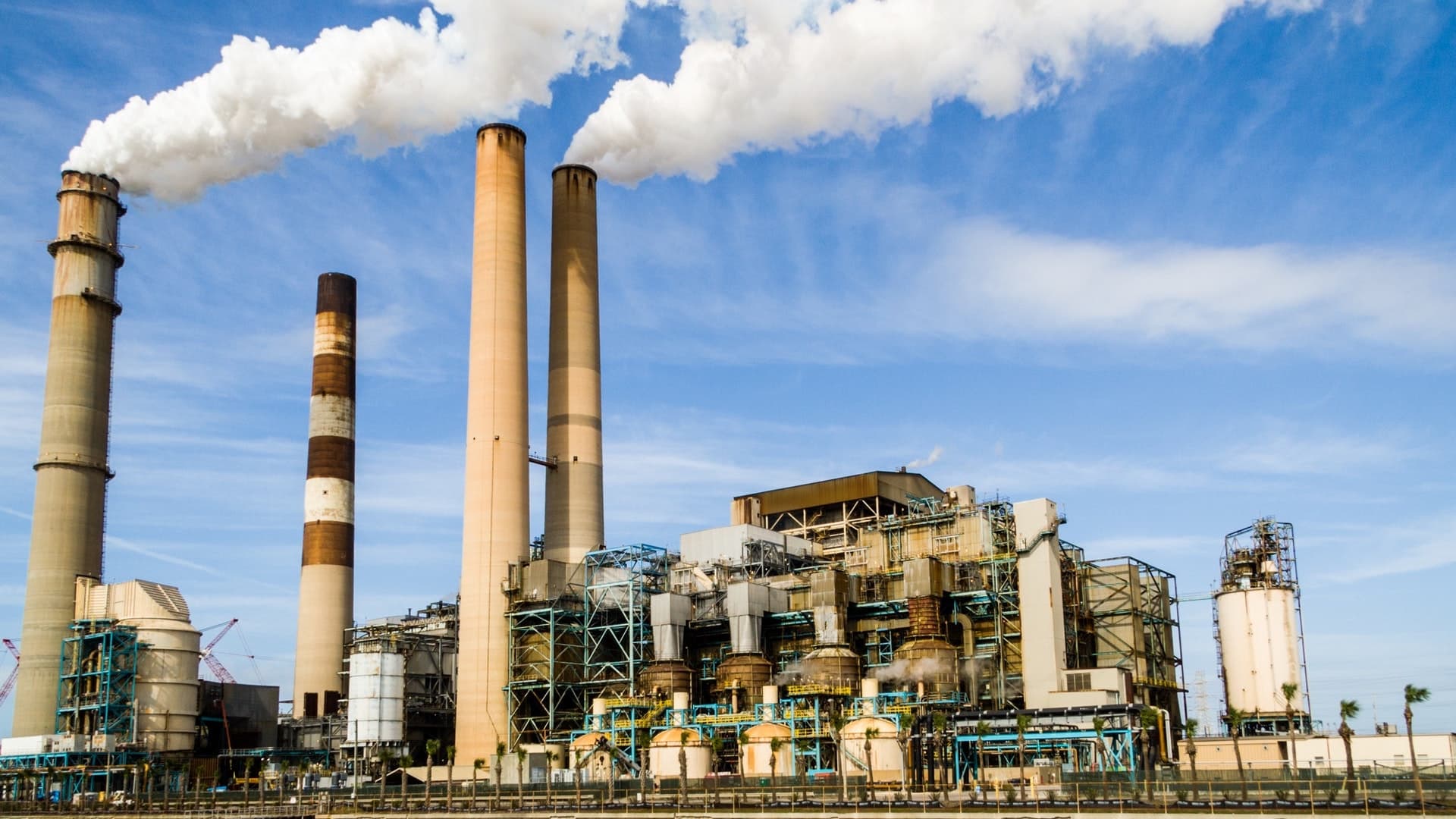
Technological innovation is also focused on the “end of the pipe.” Advanced carbon capture and storage (CCS) technologies are being integrated into industrial stacks to prevent CO2 from ever reaching the atmosphere. Similarly, new developments in nanofiltration and electrostatic precipitators are making it possible to capture even the smallest particulates from manufacturing exhaust. As these technologies scale and become more cost-effective, the tech sector may provide the necessary hardware to decouple industrial growth from atmospheric degradation.
In conclusion, the causes of air pollution in our modern world are inextricably linked to our technological choices. From the servers that host our data to the chips that power our devices, every aspect of the digital economy has an atmospheric price tag. However, by focusing on “Green IT,” circular manufacturing, and high-efficiency algorithms, the tech industry has the potential to lead a transition toward a cleaner, more breathable future. The challenge lies in ensuring that our technological progress does not outpace our commitment to environmental stewardship.
aViewFromTheCave is a participant in the Amazon Services LLC Associates Program, an affiliate advertising program designed to provide a means for sites to earn advertising fees by advertising and linking to Amazon.com. Amazon, the Amazon logo, AmazonSupply, and the AmazonSupply logo are trademarks of Amazon.com, Inc. or its affiliates. As an Amazon Associate we earn affiliate commissions from qualifying purchases.