
The human papillomavirus (HPV) is a widespread group of viruses that affects millions of people worldwide. While often associated with a range of health concerns, particularly in relation to sexual health, understanding HPV and its potential consequences is crucial for informed decision-making and proactive health management. This article delves into what is caused by HPV, exploring its impact beyond the commonly discussed outcomes and touching upon how technological advancements, brand awareness, and financial considerations can play a role in its prevention and management.
Understanding the Spectrum of HPV Infections
HPV is a sexually transmitted infection, and it’s estimated that a vast majority of sexually active individuals will contract HPV at some point in their lives. The virus is highly contagious and spreads through skin-to-skin contact, most commonly during sexual activity. What makes HPV particularly noteworthy is the sheer diversity of its strains, with over 200 known types. These strains can be broadly categorized into low-risk and high-risk types, each with distinct potential outcomes.

Low-Risk HPV Strains and Their Manifestations
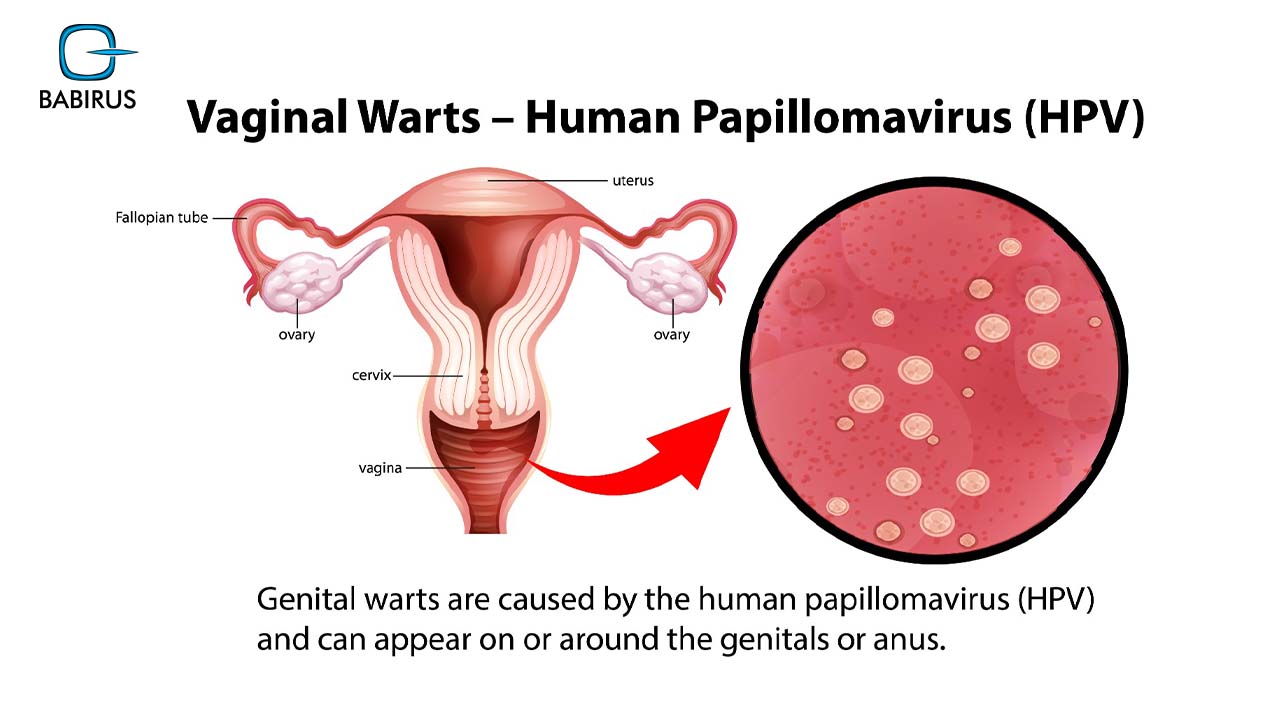
Low-risk HPV strains, such as types 6 and 11, are primarily responsible for the development of benign (non-cancerous) conditions. The most recognizable of these are genital warts. These are fleshy growths that can appear on the genitals, anus, and sometimes the mouth and throat. While they can be visually concerning and cause discomfort, genital warts are not cancerous and can often be treated by medical professionals.
Beyond genital warts, low-risk HPV can also lead to other non-cancerous skin conditions. For instance, certain strains can cause common warts on the hands and feet. These are typically more of a cosmetic concern or can cause minor discomfort if they grow in areas prone to friction. Plantar warts, a specific type found on the soles of the feet, can be particularly painful due to pressure.
It’s important to note that for many individuals, infection with low-risk HPV strains may be asymptomatic. The body’s immune system often clears the virus on its own without any noticeable symptoms or lasting health problems. However, in some cases, persistent infections can lead to the recurrence of warts, requiring ongoing management.
High-Risk HPV Strains and Their Potential for Cancer
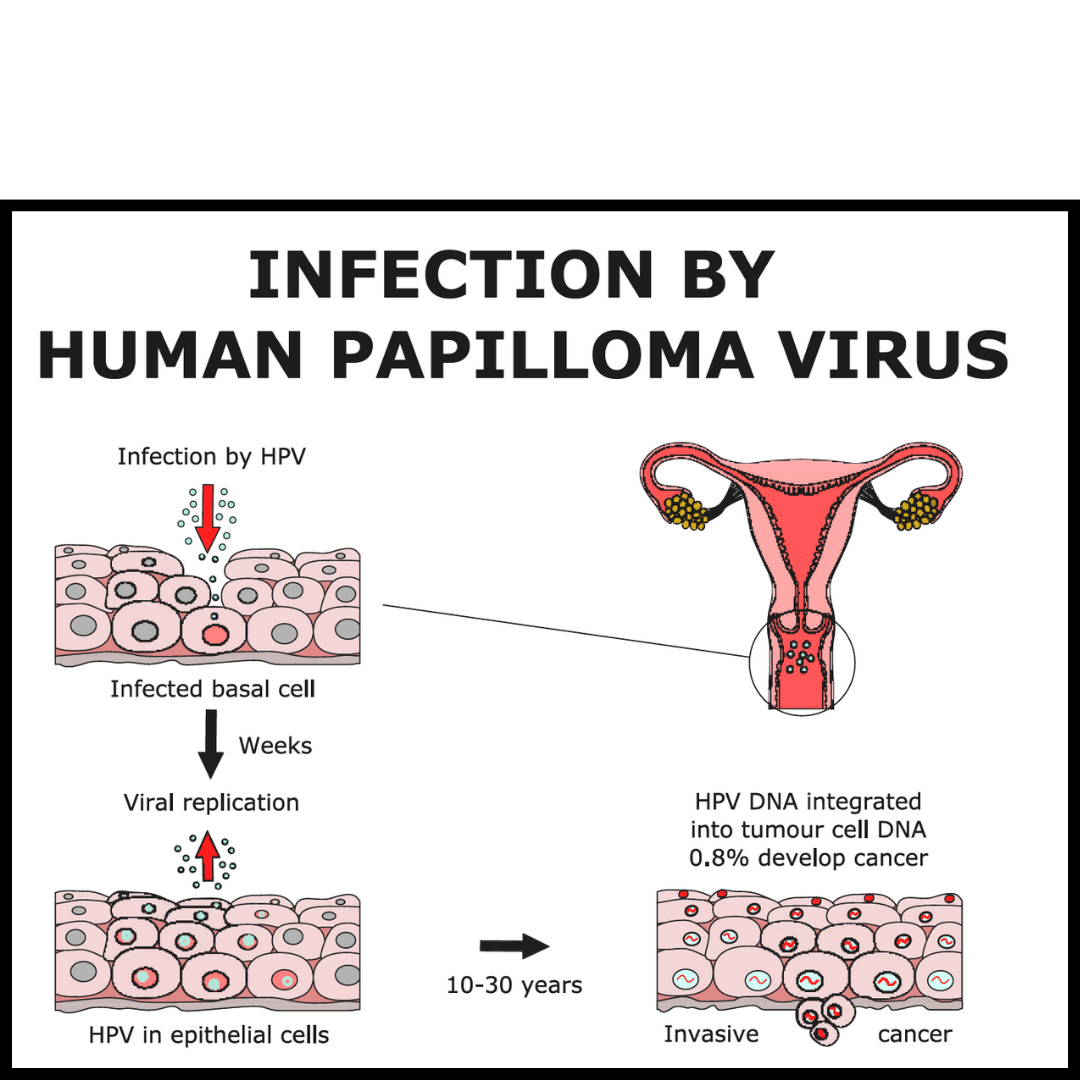
The primary concern surrounding HPV lies with its high-risk strains, such as types 16 and 18. These strains are the leading cause of several types of cancer, with cervical cancer being the most well-known. High-risk HPV infections can persist in the body and, over time, can lead to cellular changes that, if left untreated, can progress to cancer.
Cervical Cancer: A Primary HPV-Related Malignancy
Cervical cancer is a devastating disease, but it is also largely preventable through vaccination and regular screening. The persistent infection with high-risk HPV strains is responsible for nearly all cases of cervical cancer. The virus infects cells in the cervix, the lower, narrow part of the uterus that opens into the vagina. Over years, these infected cells can undergo precancerous changes, known as dysplasia or cervical intraepithelial neoplasia (CIN). If these precancerous lesions are not detected and treated, they can develop into invasive cervical cancer.
Regular Pap smears and HPV tests are crucial for early detection. These screenings can identify abnormal cells or the presence of high-risk HPV before cancer develops, allowing for timely intervention and significantly improving outcomes.
Beyond Cervical Cancer: Other HPV-Related Cancers
The impact of high-risk HPV extends beyond cervical cancer. These viruses are also implicated in a growing number of other cancers, including:
- Anal Cancer: Similar to cervical cancer, high-risk HPV is the primary cause of anal cancer. The virus infects the cells of the anus, and persistent infections can lead to precancerous lesions and eventually cancer.
- Oropharyngeal Cancer: This type of cancer affects the back of the throat, including the base of the tongue and tonsils. HPV, particularly type 16, has become a significant cause of oropharyngeal cancers, and its prevalence in this context has been increasing.
- Penile Cancer: High-risk HPV strains can cause cancer of the penis. While less common than other HPV-related cancers, it is still a significant concern in affected individuals.
- Vaginal Cancer: Cancer of the vagina is also linked to persistent high-risk HPV infections.
- Vulvar Cancer: Similar to vaginal cancer, vulvar cancer, which affects the external female genitalia, can be caused by HPV.
The increasing understanding of HPV’s role in these various cancers highlights the importance of comprehensive prevention strategies and public health initiatives.
Technological Innovations and HPV Prevention
The realm of technology plays an increasingly vital role in how we understand, prevent, and manage HPV. From advanced diagnostic tools to innovative vaccine development and widespread public health campaigns, technology is at the forefront of the fight against HPV.
Digital Health and Information Access
The internet and mobile applications have revolutionized how individuals access health information. Websites and apps dedicated to sexual health and disease prevention provide accessible, up-to-date information about HPV, its transmission, symptoms, and prevention methods. This empowers individuals to make informed decisions about their health and seek timely medical advice. Furthermore, digital platforms are used for appointment scheduling, prescription refills, and even remote consultations with healthcare providers, streamlining the process of managing health concerns.
Advancements in Diagnostics and Screening
Technological advancements have led to more accurate and efficient HPV testing. Beyond traditional Pap smears, which detect cellular changes, HPV DNA tests can directly identify the presence of high-risk HPV strains. These tests can be performed alone or in conjunction with a Pap smear, offering a more comprehensive screening approach. Innovations in laboratory techniques and bioinformatics are continually improving the sensitivity and specificity of these tests, leading to earlier and more accurate diagnoses.
Vaccine Development and Distribution
The development of the HPV vaccine has been a monumental achievement in public health. These vaccines are highly effective in preventing infection with the most common high-risk HPV strains that cause cancer. Technological advancements in biotechnology and immunology have made these vaccines possible. The challenge now lies in ensuring widespread access and uptake of the vaccine globally. Digital platforms are increasingly being used for public health campaigns to educate communities about the importance of vaccination and to track vaccination rates, helping to identify areas where intervention is most needed.
Brand Awareness and Public Health Messaging for HPV
Effective brand awareness and public health messaging are crucial for combating HPV. This involves creating compelling narratives and utilizing strategic communication channels to educate the public about the virus, its risks, and the importance of prevention.
Developing Clear and Trustworthy Messaging
For public health organizations and healthcare providers, establishing a clear and trustworthy brand identity is paramount. This involves consistent messaging across various platforms, emphasizing evidence-based information and dispelling myths and misinformation surrounding HPV. The language used needs to be accessible, culturally sensitive, and resonate with diverse audiences. Case studies of successful prevention programs and personal testimonials can be powerful tools in building trust and encouraging engagement.
Leveraging Marketing and Design for Impact
Marketing and design principles are essential in creating impactful public health campaigns. Visually appealing and easily understandable materials, whether they are infographics, videos, or social media posts, can significantly increase public awareness. Designing effective websites and mobile apps that serve as central hubs for information and resources can also bolster a brand’s authority and reach. Understanding the target audience and tailoring marketing strategies accordingly is key to maximizing the effectiveness of these campaigns.
Reputation Management in Public Health
Maintaining a positive reputation for public health initiatives related to HPV is critical for sustained success. This involves transparency in data collection and reporting, addressing public concerns promptly and effectively, and fostering collaboration with community leaders and influencers. A strong reputation builds trust, encouraging individuals to participate in screening programs and adopt preventive behaviors.
Financial Considerations and HPV Prevention
The financial implications of HPV are multifaceted, ranging from the cost of prevention and treatment to the economic burden of HPV-related cancers. Understanding these financial aspects is important for individuals, healthcare systems, and policymakers.
The Economic Impact of HPV-Related Diseases
The cost of treating HPV-related cancers, including the often-lengthy and complex treatment protocols for cervical, anal, and oropharyngeal cancers, can be substantial. This places a significant financial burden on individuals, families, and healthcare systems. Furthermore, the loss of productivity due to illness and premature death associated with these cancers represents a considerable economic cost to society.
Investing in Prevention: A Cost-Effective Strategy
Investing in HPV prevention, primarily through vaccination and regular screening, is a highly cost-effective strategy. The cost of vaccination programs and screening services is significantly lower than the cost of treating HPV-related cancers. Financial tools and incentives can be employed to encourage uptake of these preventive measures, such as insurance coverage for vaccines and screening, and subsidies for underserved populations.
Personal Finance and Healthcare Decisions
For individuals, understanding the financial aspects of HPV prevention and potential treatment is part of responsible personal finance management. This includes considering the cost of HPV vaccines, understanding insurance coverage for these services, and budgeting for regular health check-ups and screenings. Making informed financial decisions about healthcare can lead to better long-term health outcomes and avoid significant financial strain down the line.
Conclusion
Human papillomavirus is a complex and pervasive virus with a wide range of potential health consequences, from benign warts to life-threatening cancers. While the virus is common, its impact can be significantly mitigated through awareness, prevention, and early detection. Technological advancements are providing new tools for diagnosis and vaccination, while effective branding and public health messaging are crucial for educating communities and promoting preventive behaviors. Understanding the financial implications further underscores the importance of investing in prevention. By embracing these multifaceted approaches, we can collectively work towards reducing the burden of HPV and its associated diseases.
aViewFromTheCave is a participant in the Amazon Services LLC Associates Program, an affiliate advertising program designed to provide a means for sites to earn advertising fees by advertising and linking to Amazon.com. Amazon, the Amazon logo, AmazonSupply, and the AmazonSupply logo are trademarks of Amazon.com, Inc. or its affiliates. As an Amazon Associate we earn affiliate commissions from qualifying purchases.