
In the rapidly evolving landscape of networking infrastructure, selecting the right cabling is the foundation of high-performance connectivity. Among the various standards available today, Category 6—commonly referred to as Cat 6—stands out as the gold standard for residential and small-to-medium business networking. Understanding exactly what Cat 6 cable is used for requires a look at its technical specifications, its performance capabilities compared to its predecessors, and the specific environments where it provides the most significant advantages.
The Technical Foundations of Cat 6 Networking
At its core, a Cat 6 cable is a standardized twisted pair cable used for Ethernet and other network physical layers. It is backward compatible with the older Category 5 (Cat 5) and Category 5e (Cat 5e) standards, but it offers a significantly higher performance ceiling.

Data Transmission Speeds and Bandwidth
The primary reason for the widespread adoption of Cat 6 is its ability to support higher data transfer speeds. While Cat 5e is generally rated for speeds up to 1 gigabit per second (Gbps), Cat 6 is designed to handle 10 Gbps speeds at a distance of up to 55 meters. This capability makes it an essential choice for modern high-bandwidth applications, such as 4K video streaming, high-frequency online gaming, and large-scale data transfers within a local area network (LAN).
The performance advantage is largely due to the internal construction of the cable. Cat 6 cables are tested to operate at frequencies up to 250 MHz, which is more than double the 100 MHz frequency rating of Cat 5e. By allowing more data to travel simultaneously across the copper wires, Cat 6 effectively reduces the bottlenecking that can occur in heavily trafficked network environments.
Physical Construction and Signal Integrity
To support these higher frequencies, Cat 6 cables utilize more stringent specifications for crosstalk and system noise. The four pairs of copper wires inside the cable are twisted more tightly than in previous generations, and many manufacturers include an internal longitudinal separator—often called a “spline”—that physically isolates the pairs from one another. This internal structure drastically reduces Near-End Crosstalk (NEXT) and Far-End Crosstalk (FEXT), ensuring that the integrity of the data signal remains high, even when the cable is bundled with other wires or run near sources of electromagnetic interference.
Practical Applications in Modern Environments
The versatility of Cat 6 cable makes it suitable for a wide variety of installation scenarios, ranging from simple home office setups to complex professional data centers.
Power over Ethernet (PoE) Support
One of the most significant, yet often overlooked, uses for Cat 6 cable is Power over Ethernet (PoE). PoE allows network cables to carry electrical power alongside data. This is a game-changer for modern smart devices, as it eliminates the need for separate power outlets for equipment like:
- VoIP Phones: Ensuring crystal-clear audio transmission while powering the handset.
- Wireless Access Points (WAPs): Allowing for optimal placement on ceilings or walls where power access might be limited.
- IP Security Cameras: Powering high-definition surveillance equipment through a single cable connection.
Because Cat 6 utilizes thicker copper conductors (typically 23 AWG compared to the 24 AWG found in Cat 5e), it is inherently better at handling the heat generated by PoE applications. This makes Cat 6 the safer and more reliable choice for modern smart home and office automation systems that rely heavily on PoE-enabled hardware.

High-Definition Media and Gaming
For gaming enthusiasts and content creators, network stability is non-negotiable. Cat 6 cable is used to minimize latency, or “ping,” which is vital for competitive gaming. By providing a stable, high-bandwidth physical path to the router, Cat 6 eliminates the common fluctuations and packet loss associated with unreliable Wi-Fi connections.
Similarly, for users who house local media servers—such as Plex or NAS (Network Attached Storage) devices—Cat 6 ensures that high-bitrate 4K content streams seamlessly across the network to smart TVs and media players without buffering or stuttering.
Strategic Deployment and Best Practices
Installing Cat 6 is more than just plugging in a cable; it is an exercise in network optimization. To extract the full potential of Cat 6 technology, installers must adhere to specific industry standards.
The Distance Limitation Factor
While Cat 6 is capable of 10 Gbps speeds, it is important to note the distance limitations. The 10 Gbps performance threshold is only guaranteed up to 55 meters (approximately 180 feet). Beyond this distance, the cable reverts to 1 Gbps performance. For projects requiring high-speed data transmission over longer cable runs, professionals often move to Cat 6a (Augmented Category 6), which is engineered to maintain 10 Gbps speeds up to 100 meters. For most residential and small office floor plans, however, 55 meters is more than sufficient, making standard Cat 6 the most cost-effective performance solution.
Cable Management and Termination
The performance of a Cat 6 installation is only as strong as its weakest connection point. Poor termination—where the cable meets the RJ45 jack or patch panel—is the most common cause of network degradation. It is vital to ensure that the pairs remain twisted as close to the termination point as possible. Furthermore, installers should avoid over-tightening cable ties, which can deform the cable’s geometry and introduce unwanted impedance mismatches.
Additionally, Cat 6 cables should not be kinked or bent beyond their minimum bend radius. Maintaining the physical integrity of the internal spline and the twist rate of the pairs is critical to achieving the promised frequency and signal-to-noise ratios. By utilizing high-quality Cat 6-rated jacks and patch panels, businesses and homeowners can ensure that their network infrastructure remains “future-proofed” for years to come.
Choosing Between Cat 6 and Alternatives
Choosing between networking standards can be confusing. When deciding if Cat 6 is the right choice, consider the trajectory of your data needs.
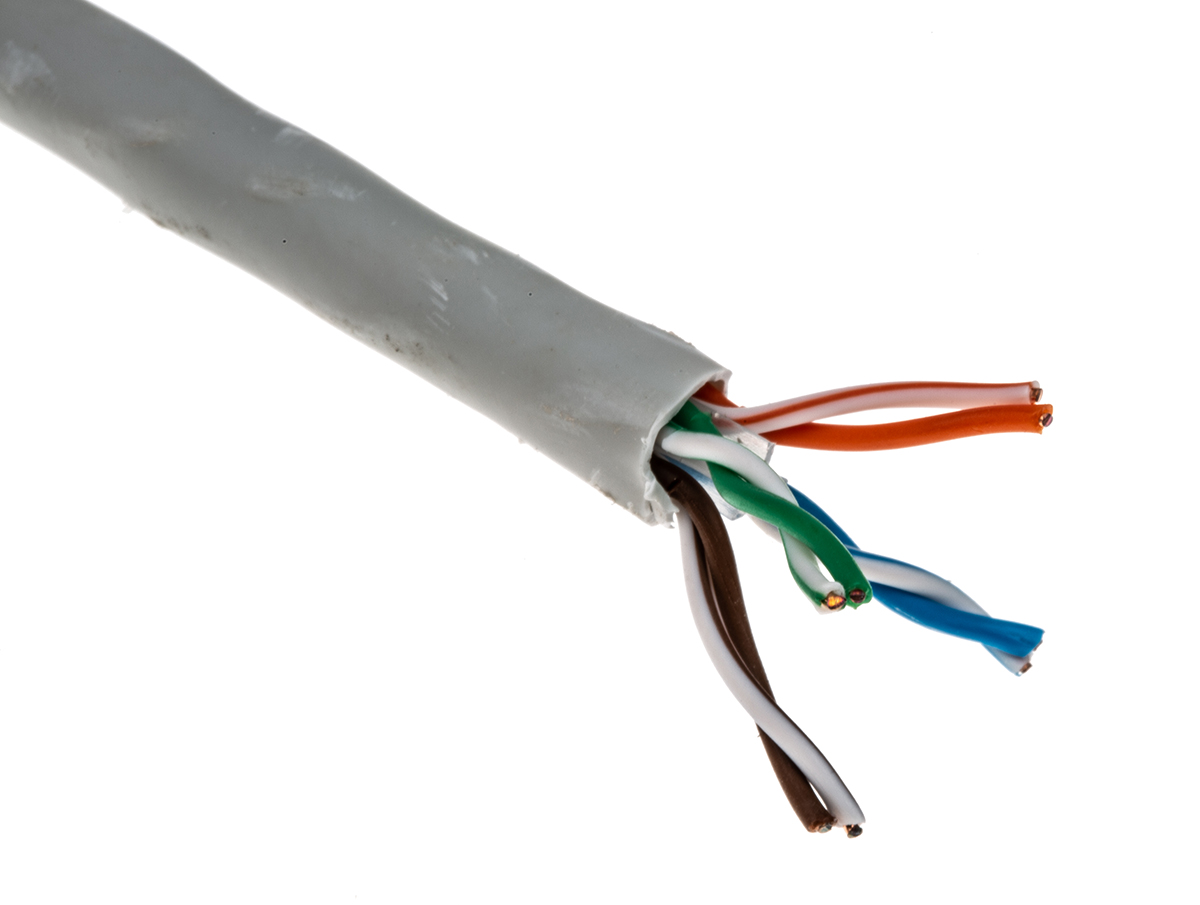
Comparing Cat 5e, Cat 6, and Cat 6a
- Cat 5e: Suitable for basic residential internet and simple file sharing. It is increasingly becoming obsolete as internet service providers push multi-gigabit speeds into the home.
- Cat 6: The “sweet spot.” It balances cost with high-speed performance, making it ideal for the vast majority of current home and business networking requirements.
- Cat 6a: A heavy-duty choice. Its shielding and thickness make it harder to work with, but it is necessary for enterprise environments or homes looking for future-proof 10 Gbps infrastructure across the entire building.
Ultimately, the decision to use Cat 6 often comes down to the longevity of the installation. Because the cost of installing cabling involves significant labor—especially if walls need to be opened or ceilings accessed—it is almost always more economical to install the highest performance cable reasonable for the environment. Cat 6 provides that extra overhead, ensuring that as home internet speeds increase from 1 Gbps to 2 Gbps and beyond, the physical infrastructure is already equipped to handle the surge.
In conclusion, Cat 6 cable is the backbone of modern, reliable connectivity. Whether it is being used to support a robust mesh Wi-Fi system, power high-definition security cameras, or ensure the lowest possible latency for competitive online gaming, its design characteristics offer the performance and reliability required by today’s digital-first world. By investing in quality Cat 6 cabling and following professional installation guidelines, users can create a stable network foundation that supports the demands of both current technology and future innovations.
aViewFromTheCave is a participant in the Amazon Services LLC Associates Program, an affiliate advertising program designed to provide a means for sites to earn advertising fees by advertising and linking to Amazon.com. Amazon, the Amazon logo, AmazonSupply, and the AmazonSupply logo are trademarks of Amazon.com, Inc. or its affiliates. As an Amazon Associate we earn affiliate commissions from qualifying purchases.