
In the rapidly evolving landscape of automotive technology, the intersection of mechanical engineering and digital precision has never been more critical. As we transition toward electric vehicles (EVs), autonomous driving systems, and software-defined chassis, the fundamental principles of vehicle dynamics—specifically wheel alignment geometry—remain the bedrock of performance. Among these principles, caster and camber angles stand out as the most influential variables affecting how a vehicle interacts with the road.
To the uninitiated, these terms might sound like relic jargon from a 20th-century garage. However, in the context of modern tech-integrated transportation, caster and camber are sophisticated parameters that dictate the efficacy of Advanced Driver Assistance Systems (ADAS), the efficiency of electric powertrains, and the safety of automated steering algorithms.
The Mechanics of Directional Stability: Decoding Caster Angle
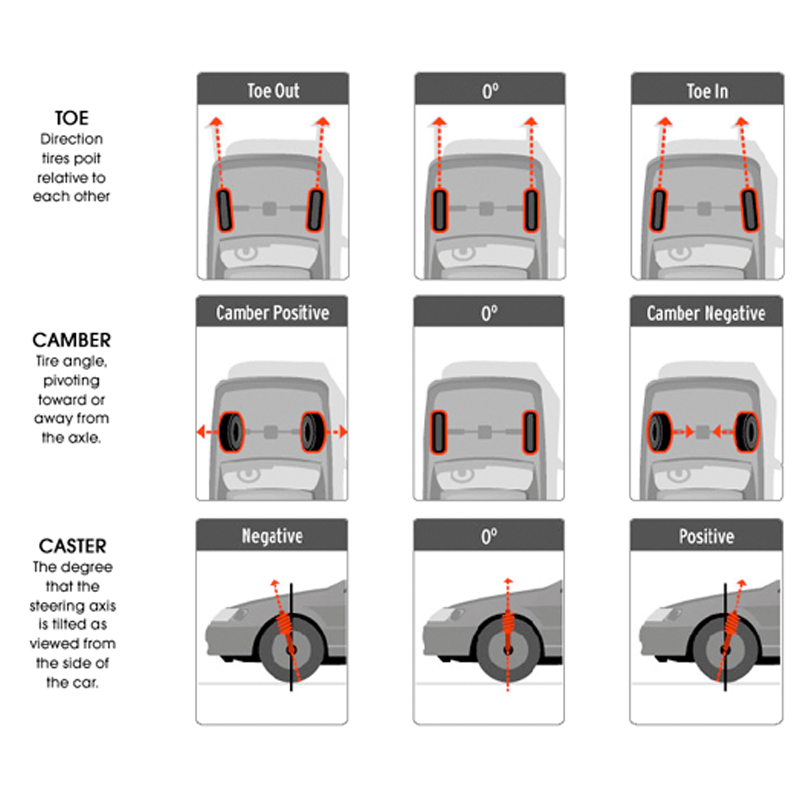
Caster is perhaps the most misunderstood element of wheel alignment, yet it is the primary driver of high-speed stability and steering “feel.” Technically defined, caster is the angle of the steering axis when viewed from the side of the vehicle. If you imagine a line passing through the upper and lower steering pivot points, the tilt of that line forward or backward from the vertical is the caster angle.
Positive vs. Negative Caster in Modern Steering Geometry
In almost all modern passenger vehicles, engineers utilize positive caster. This occurs when the top of the steering axis tilts toward the rear of the vehicle. The technological benefit of positive caster is the creation of a “trailing” effect, much like the wheels on a shopping cart. This physical geometry forces the wheels to straighten themselves when the vehicle is moving forward.
Negative caster, where the axis tilts toward the front, is virtually obsolete in modern tech applications because it causes instability. High-performance software tuning in sports cars often pushes positive caster to its limits to ensure that, at high speeds, the mechanical trail provides the driver—or the autonomous computer—with a stable, self-centering steering wheel.
The Role of Self-Centering Tech in Electric Power Steering (EPS)
The transition from hydraulic to Electric Power Steering (EPS) has changed how we perceive caster. In older systems, high positive caster made the steering feel “heavy.” In the modern tech era, EPS motors use complex algorithms to compensate for this weight, allowing engineers to run aggressive caster angles for superior stability while the software provides effortless low-speed maneuverability. This synergy between mechanical geometry and software control is a hallmark of current automotive tech trends.
Optimizing the Contact Patch: The Science of Camber Angle
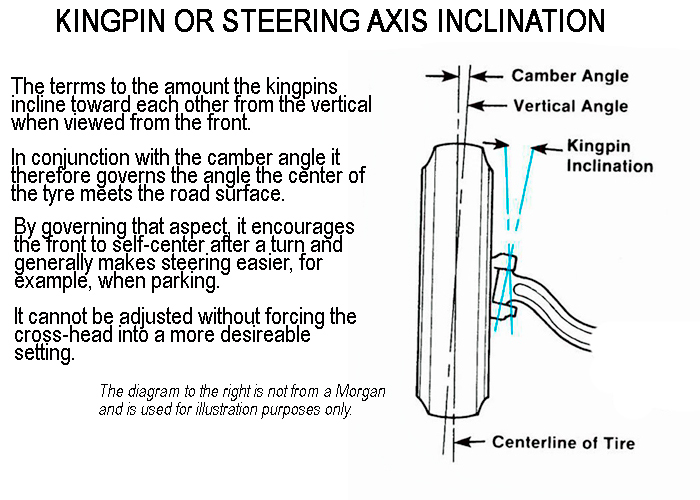
While caster deals with the side view, camber is viewed from the front or rear of the vehicle. It represents the inward or outward tilt of the wheels relative to the vertical axis. If the top of the wheel leans toward the center of the car, it is “negative camber”; if it leans outward, it is “positive camber.”
Dynamic Camber and High-Performance Suspension Software
In the realm of high-performance automotive technology, negative camber is the gold standard. When a vehicle enters a corner, centrifugal force causes the body to roll. By setting a slight negative camber statically, the tire achieves a full, flat “contact patch” with the road as the suspension compresses during a turn.
Modern suspension tech, such as double-wishbone or multi-link systems, is designed using Computer-Aided Design (CAD) to maintain “camber gain.” This means the suspension geometry is programmed to increase negative camber as it compresses, ensuring maximum grip. This is no longer just a mechanical feat; it is a calculated data point integrated into the vehicle’s Electronic Stability Control (ESC) systems.
The Impact of Camber on Tire Longevity and Sensor Accuracy
For the tech-savvy consumer, camber isn’t just about racing; it’s about sensor integrity. Modern tires are often embedded with “smart” tech or designed with specific compounds that require precise heat distribution. Excessive camber—often seen in the “stanced” car subculture—can lead to uneven tire wear and catastrophic failure.
More importantly, for vehicles equipped with Lane Keep Assist and automated braking, improper camber can cause “pull,” where the vehicle drifts to one side. If the mechanical alignment is fighting the digital steering inputs, it creates “noise” in the system’s data, potentially leading to errors in the ADAS software’s predictive modeling.
Digital Precision: How Software and AI Revolutionize Wheel Alignment
The days of using strings and rulers to align a car are long gone. Today, wheel alignment is a high-tech discipline involving laser-guided imaging and massive databases of proprietary manufacturer specifications.
Computerized 3D Imaging Systems
Current alignment technology utilizes high-resolution cameras and optical targets mounted on the wheels. These systems create a 3D digital twin of the vehicle’s chassis in real-time. The software compares the live caster and camber measurements against a global database of thousands of vehicle profiles.
This digital leap allows for precision down to the hundredth of a degree. For modern EVs like Teslas or Lucids, where the battery pack’s weight creates unique stresses on the frame, this level of precision is non-negotiable. The software ensures that the mechanical alignment perfectly offsets the massive torque and weight characteristic of electric drivetrains.
Machine Learning in Predictive Maintenance and Alignment
We are entering an era where AI-driven diagnostics can predict when a vehicle’s caster or camber has been compromised before the driver even notices a vibration. By analyzing data from the steering angle sensor and wheel speed sensors, onboard AI can detect minute deviations in directional stability. If the system detects that the driver is constantly applying a 2-degree corrective steer to maintain a straight line, it can flag an alignment issue via an over-the-air (OTA) update, suggesting a service check to prevent tire degradation.
The Future of Vehicle Dynamics: Active Alignment Systems
As we look toward the future of automotive technology, we are seeing the emergence of “active geometry.” Traditionally, caster and camber are “static” settings—they are set in the shop and only change slightly through mechanical travel. However, the next frontier involves hardware that can change these angles on the fly.
Adaptive Suspension and Real-Time Geometry Adjustment
Some high-end manufacturers are experimenting with actuators that can adjust camber angles in real-time. Imagine a car that runs zero camber on a highway to maximize energy efficiency and minimize rolling resistance, but then pivots to -2.0 degrees of camber the moment the GPS and onboard sensors detect a sharp mountain curve.
This level of tech integration would allow a vehicle to optimize its physical “footprint” for every meter of road. This isn’t just about performance; it’s about the tech-driven pursuit of total efficiency.
Integration with Autonomous Driving Suites
For Level 4 and Level 5 autonomous vehicles, the mechanical health of the steering geometry is a safety-critical data point. An autonomous system relies on the assumption that the vehicle will respond predictably to steering commands. If the caster is off, the self-aligning torque of the steering wheel changes, which could confuse the steering actuators.
Future autonomous tech stacks will likely include self-calibrating alignment sensors. These systems will constantly monitor the relationship between the steering rack’s position and the vehicle’s actual path (using LiDAR and GPS), automatically compensating for minor alignment shifts caused by potholes or wear, and scheduling a mechanical recalibration when the software can no longer compensate safely.

Conclusion: The Synergy of Hardware and Software
Understanding caster and camber angle is no longer just the domain of the grease-stained mechanic; it is essential knowledge for anyone interested in the future of transport technology. These angles are the physical interface through which all our digital innovations—from AI steering to regenerative braking—must operate.
As vehicles become more like computers on wheels, the precision of their mechanical foundations becomes more, not less, important. A car with the most advanced autonomous software in the world is still beholden to the laws of physics. If the caster and camber are not perfectly calibrated, the “tech” cannot perform its job. In the end, the marriage of precise mechanical geometry and sophisticated digital monitoring is what will drive the next generation of automotive excellence. By respecting these fundamental angles, we ensure that our high-tech future remains stable, efficient, and, above all, safe.
aViewFromTheCave is a participant in the Amazon Services LLC Associates Program, an affiliate advertising program designed to provide a means for sites to earn advertising fees by advertising and linking to Amazon.com. Amazon, the Amazon logo, AmazonSupply, and the AmazonSupply logo are trademarks of Amazon.com, Inc. or its affiliates. As an Amazon Associate we earn affiliate commissions from qualifying purchases.